


The Complete Filipino Baptism Guide: Everything Parents Need to Know for a Meaningful Celebration
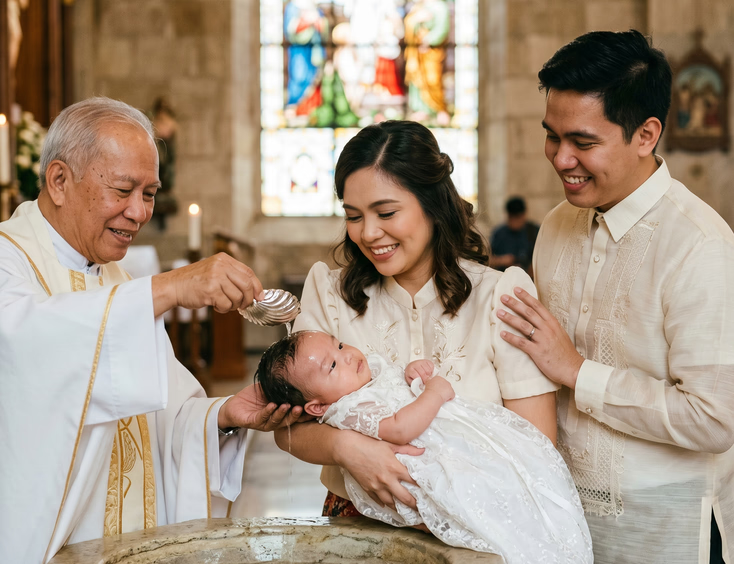
You hold your baby for the first time and somewhere between the sleepless nights and the diaper math, your mother asks when the binyag is. In the Philippines, baptism arrives early in a child's life, and it carries the weight of family, faith, and a full celebration most parents underestimate.
This guide walks you through what a Filipino baptism involves from the church requirements to the reception menu. Use it as your home base. Each section links to a deeper guide when you need specifics.
What a Filipino Baptism Actually Means
Baptism in the Philippines combines a Catholic sacrament with a family milestone. The church welcomes your baby into the faith. The family welcomes new ninongs and ninangs into the child's life. Lola welcomes a reason to cook for sixty people.
The sacrament itself takes about twenty to thirty minutes. The priest pours water over your baby's forehead, anoints them with chrism oil, and gives them their Christian name. Your child becomes part of the Catholic community.
Filipino families wrap this short ceremony in a celebration that often rivals a small wedding. Expect a reception, a cake, souvenirs, a coordinated outfit theme, and at least one tito who will cry during the toast.
If you want the cultural background before planning anything else, read Filipino baptism traditions every parent should know.
When to Have Your Baby Baptized
Most Filipino parents schedule the baptism between three and six months. Some wait until the baby can sit up for photos. Some go earlier to follow the Catholic tradition of baptizing infants soon after birth.
The Catholic Church does not set a hard deadline. Your parish will accept babies of any age, though older children may need catechesis. The right age depends on your baby's health, your family's schedule, and how soon you can gather godparents who actually live in the country.
For a deeper look at timing, including what to consider if you have a preemie or a baby with health concerns, read baptism timeline: when is the best age to have your baby baptized.
Church Requirements and Documents
Every parish has its own list, but most ask for the same core items: the baby's birth certificate, the parents' marriage certificate if applicable, the godparents' confirmation certificates, and a pre-baptismal seminar attendance slip.
You also pay a church donation. Rates vary by parish, from a few hundred pesos in provincial churches to several thousand in popular Metro Manila parishes.
Book your date at least two months ahead. Popular churches like Manila Cathedral, EDSA Shrine, and Antipolo Cathedral get booked solid on weekends.
For the full document checklist, fee ranges, and parish-by-parish notes, read Catholic baptism requirements in the Philippines: documents, fees, and church policies.
Planning Step by Step
First-time parents often plan a baptism the same way they planned the gender reveal. Start fun, end stressed. A clear timeline keeps you sane.
Three months out, pick your church and reception venue. Two months out, finalize your godparents and send the save-the-date messages. One month out, order invitations, book your photographer, and confirm catering. Two weeks out, attend the pre-baptismal seminar and finalize the guest list. The week of, prep your hospital-style baby bag with extra outfits, milk, and burp cloths.
For the complete week-by-week checklist with printable timelines, read how to plan a baptism in the Philippines: a step by step checklist for first time parents.
The Real Cost of a Filipino Baptism
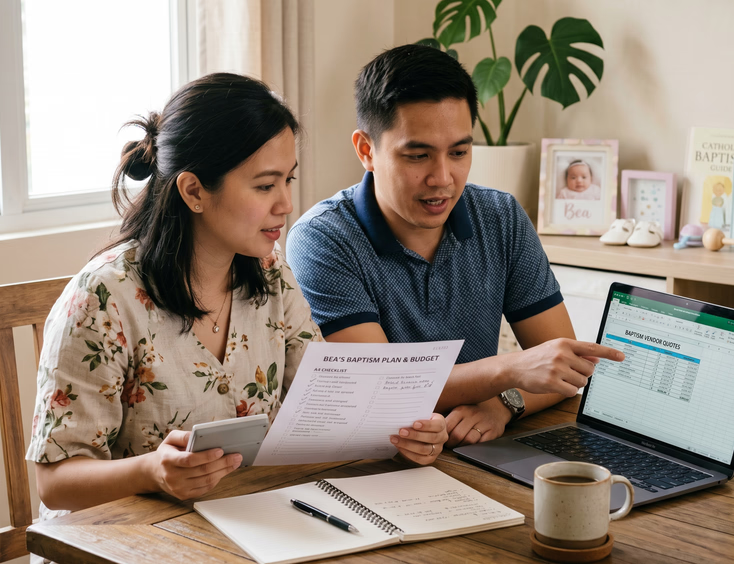
A small intimate baptism for thirty guests can run thirty to sixty thousand pesos. A mid-size celebration for fifty to eighty guests typically lands between eighty thousand and one hundred fifty thousand. A larger production with a styled venue and full vendor lineup can pass two hundred thousand.
The biggest line items are the venue and catering, the photographer, the cake, the outfits, and the souvenirs. The church donation is usually the smallest cost.
For a full breakdown by guest count and budget tier, read how much does a baptism cost in the Philippines: a realistic budget breakdown.
Choosing Ninong and Ninang
Picking godparents in the Philippines is a small political negotiation. Your tita expects to be asked. Your husband's cousin assumes she's on the list. Your best friend from college genuinely deserves the role.
Catholic doctrine requires only one godfather and one godmother. Filipino tradition pads that number to anywhere from six to twenty. Some parishes now cap the count, so check before you send out invitations.
Pick people who will actually show up. A ninong who lives in Dubai and visits once every five years offers your child little spiritual guidance, no matter how generous his pakimkim is.
For a structured way to choose, read how to choose ninong and ninang: a Filipino parent's guide. If you want to brief your godparents on what they signed up for, send them ninong and ninang duties: responsibilities beyond the baptism day.
Pakimkim: The Godparent Gift
Pakimkim is the money or gift godparents give the baby on baptism day. The amount is personal and tied to the godparent's closeness with the family and their financial situation.
Typical ranges sit between five hundred and five thousand pesos per godparent, though closer family members often give more. Some give jewelry or savings bonds instead of cash.
If you want a clear sense of what's expected without the awkwardness of asking around, read pakimkim guide: how much should godparents give at a baptism.
Where to Hold the Reception
Most Filipino families host the reception within thirty minutes of the church. The closer the better. Newborns do not enjoy long car rides.
Options range from hotel function rooms and restaurants to garden venues, clubhouse rentals, and home setups. Each comes with tradeoffs. Hotels handle everything but cost more. Restaurants offer set packages but limit your styling. Homes give you full control but turn you into the event coordinator on the day.
For curated venue lists, read best baptism reception venues in Metro Manila for intimate celebrations and affordable baptism venues in the Philippines for budget conscious families.
If you want a low-effort option with predictable pricing, read restaurant baptism packages in the Philippines: what to look for.
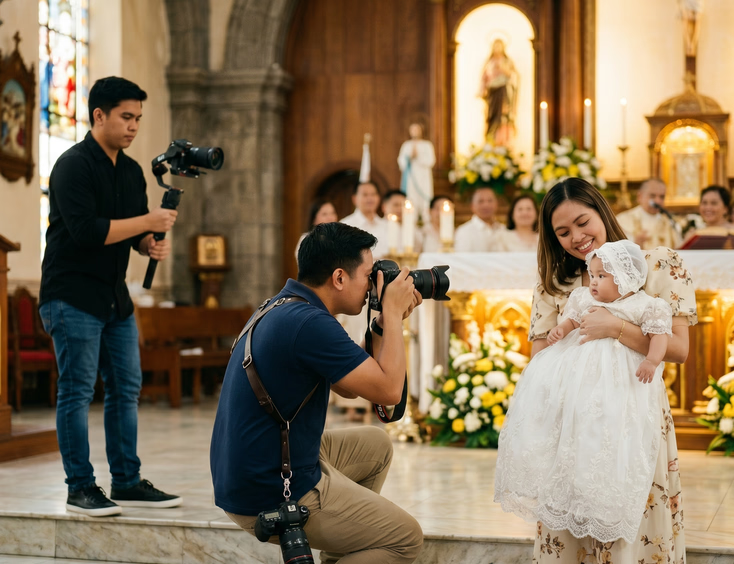
Photo and Video Coverage
The baptism itself happens fast. A good photographer captures the pouring of water, the first cry, the candle lighting, and the family photos before the priest leaves the altar. A videographer adds movement and sound, which matters more than parents expect when they rewatch the footage years later.
Book early. The best baptism photographers in Metro Manila get reserved months ahead, especially for Saturday slots.
For a vetting guide with sample questions and red flags, read baptism photographer and videographer guide: what to book and what to ask.
Cake, Catering, and Souvenirs
Three vendors carry the reception: the cake, the caterer, and the souvenir maker.
The cake usually matches the theme and ranges from a single-tier minimalist design to a three-tier fondant centerpiece. Most Manila bakers offer baptism-specific packages with cupcakes, cake pops, and themed toppers. Read baptism cake designs and where to order in the Philippines.
Catering covers the food, the service staff, and often the basic styling. Filipino baptism menus usually include rice, two to three mains, pasta, salad, and dessert. Some families add a kiddie corner with hotdogs and fries for the cousins. Read catering for Filipino baptism: menu ideas and package inclusions.
Souvenirs send guests home with something thoughtful. Trends shift, but the favorites stay personalized: candle holders, rosaries, magnets, mini frames, and acrylic tags. Read baptism souvenirs and giveaways: trendy and meaningful ideas.
Invitations and Themes
Invitations set the tone before anyone arrives. Most parents now go digital, though printed invitations still carry weight for older relatives and serve as keepsakes. Designs range from soft pastels to greenery, religious motifs, and modern minimalist layouts.
For current design trends and where to order, read baptism invitation designs: trends and where to order in the Philippines.
Themes pull the celebration together. Common picks include little prince and princess setups, woodland animals, religious motifs like angels and doves, and color-led concepts in sage, blush, or dusty blue. Read popular baptism themes for Filipino babies: boys and girls edition.
If you prefer pared-back styling over balloon arches and full backdrops, read minimalist baptism styling ideas for modern Filipino parents.
What Your Baby Wears
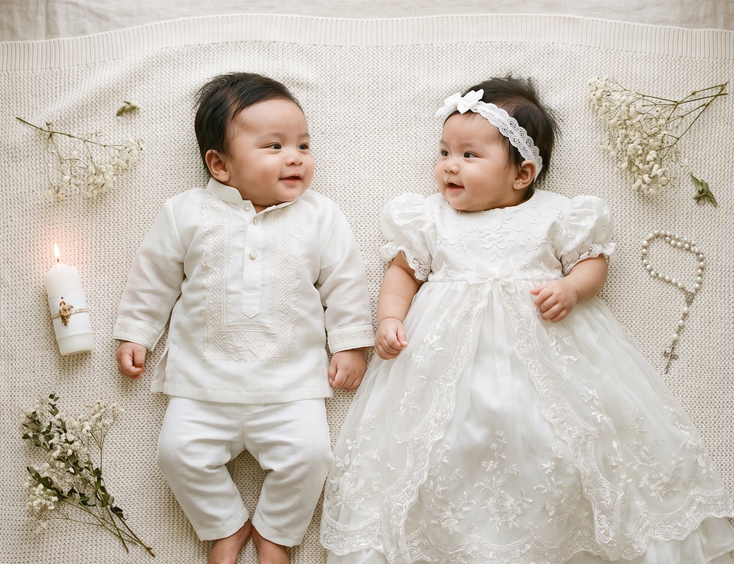
Tradition leans white. Baby boys wear white barong or suits. Baby girls wear long christening gowns, often passed down or custom-made. Some families honor old gowns that have baptized three generations of cousins.
Modern parents mix tradition with comfort. A breathable cotton gown works better than an heirloom satin one if your ceremony falls in April heat.
For style direction, read baptism outfit ideas for baby boys and baby girls in the Philippines. For sourcing, read where to buy or rent baptism gowns and suits in the Philippines.
What to Expect on the Day
The ceremony moves quickly. You arrive at church thirty minutes early. The priest gathers the family and godparents at the entrance for the welcoming rite. The group moves to the baptismal font. Water, oil, white garment, candle. Photos at the altar. A short blessing for the parents.
Then everyone drives to the reception. You eat, you toast, you cut the cake, you hand out souvenirs. By the time you get home, your baby has been held by twenty-six different people and you are running on adrenaline and coffee.
Sleep that night. The hard part is over.
Building a Meaningful Celebration
A Filipino baptism is part sacrament, part homecoming. The faith piece anchors it. The family piece makes it loud, warm, and unforgettable. The planning piece tests your patience.
Treat the day as a marker, not a performance. Your child will not remember the floral arch or the souvenir tags. They will grow up knowing the names of the ninongs and ninangs who showed up, the lola who insisted on lechon, and the parents who chose to mark this beginning with intention.
Start with the church. Build out from there. Use the linked guides above when you hit a decision point. Then put down the planning checklist long enough to hold your baby.
Still Searching for a Right Match?
Find Your Perfect Wedding Supplier Today!
Discover trusted wedding suppliers across the Philippines in our complete directory. Compare services and connect with the ones that fit your dream celebration.
Browse Wedding SuppliersFeatured Blog Posts
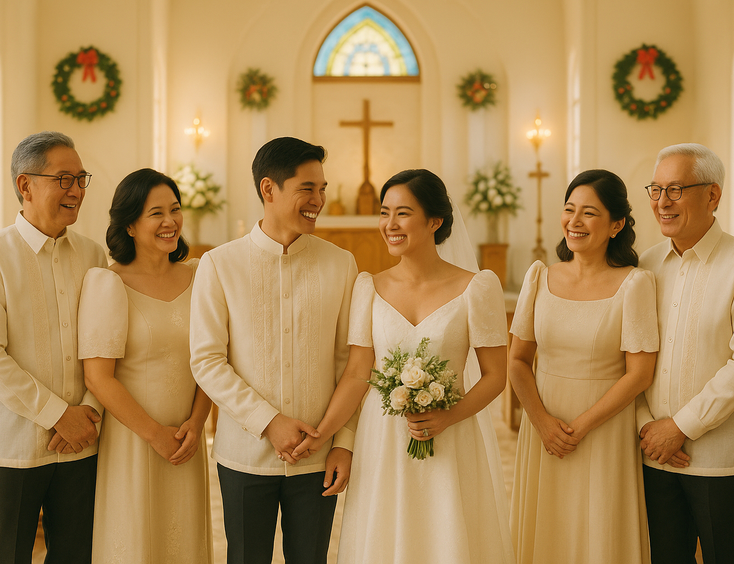

Filipino Wedding Entourage - Roles, Order of March, and Modern Etiquette
6 mins readCivil Weddings in the Philippines - Requirements, Costs, and Step-by-Step Process
9 mins readCivil Wedding Requirements in the Philippines - Complete Checklist
6 mins readCost of Wedding in the Philippines - 5 Essential Things You Need to Know
7 mins readPrincipal Sponsors (Ninong/Ninang) - How Many, How to Ask, What They Really Do
4 mins readVeil, Cord, Candle & Coins - Roles, Options, and When They Happen
4 mins readEntourage for a Traditional Pinoy Wedding - Complete Roles and Guide
6 mins readComplete List of Civil Wedding Requirements in the Philippines
8 mins readHow to Choose Wedding Ninongs and Ninangs - Ask Yourself These 3 Important Questions
5 mins read