


Ninong and Ninang Duties: Responsibilities Beyond the Baptism Day
Your friend asked you to be a ninang for her newborn. You said yes before you fully understood what the role meant beyond standing near the baptismal font and giving pakimkim. Now you are wondering if you signed up for a one-day commitment or a twenty-year one.
The honest answer is closer to twenty years. Filipino godparents take on a role that extends well past the baptism ceremony. This guide breaks down what ninongs and ninangs actually do, both inside the church and across the years that follow.
What the Catholic Church Asks of Godparents
The Catholic Church gives godparents a specific charge. The Code of Canon Law states that a godparent assists the parents in raising the child in the Catholic faith and ensures the child lives a Christian life consistent with baptism.
The Church frames the role as spiritual sponsorship. A godparent walks alongside the parents in the child's faith journey. The relationship lasts a lifetime, not a single ceremony.
For the full Catholic requirements that confirm whether you qualify as a canonical godparent, read Catholic baptism requirements in the Philippines: documents, fees, and church policies.
The Day of the Baptism
The first set of duties happens on the day of the ceremony.
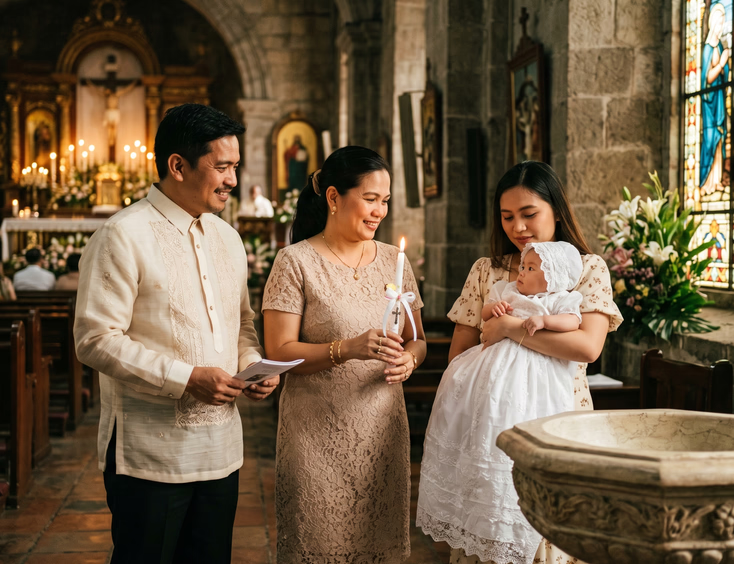
Arrive early. The priest gathers the family and godparents at the church entrance for the welcoming rite. Latecomers slow the entire ceremony and miss the first blessings.
Bring your confirmation certificate. Most Filipino parishes ask each godparent for a photocopy. Some parishes require this in advance. Confirm with the parents what the parish needs.
Dress appropriately. Filipino churches expect modest, formal attire. For godfathers, a barong tagalog or a long-sleeved shirt with slacks works. For godmothers, a modest dress or a coordinated outfit. Avoid sleeveless tops, shorts, and overly casual wear.
Participate in the rite. The priest will ask you to renounce sin and profess faith on behalf of the child. Speak the responses clearly. Most parishes provide a printed program with the prompts.
Hold the candle. The priest hands a lit baptismal candle to a designated godparent. The candle symbolizes Christ's light, which the godparent helps pass to the child. Keep it steady and avoid the dripping wax landing on the baby.
Help the parents with the baby if needed. Some godparents hold the child during specific parts of the ceremony. Be ready.
Bring the pakimkim envelope. Filipino tradition expects godparents to give a small gift, usually cash, on the baptism day. The amount is personal, but a clear guide helps. Read pakimkim guide: how much should godparents give at a baptism.
Stay for the reception. The reception is part of the celebration. Leaving early after the church ceremony is considered impolite unless circumstances require it.
Spiritual Responsibilities Beyond the Day
The spiritual role of a godparent extends across the child's life. A few practical expectations help anchor the long-term commitment.
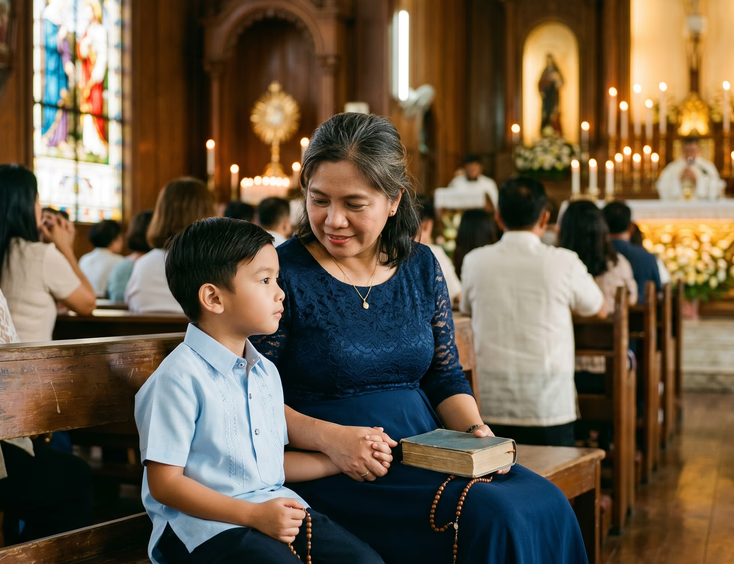
Pray for your godchild. The most basic spiritual duty. Many Filipino godparents include their godchild in daily or weekly prayers.
Be present for major sacraments. Godparents traditionally attend the child's First Communion and Confirmation. Some serve as confirmation sponsors as well.
Support the parents in faith decisions. A godparent does not override the parents, but they can stand alongside them during difficult moments, especially when faith questions arise.
Lead by example. The Church frames godparents as role models in living a Christian life. Your example shapes how the child sees what a practicing Catholic adult looks like.
Talk about faith when the time comes. As the child grows, the godparent's role shifts from symbolic sponsor to active presence. Older godchildren may have questions about faith their own parents are too close to answer.
Cultural Responsibilities in Filipino Families
Filipino tradition adds duties the Church does not formally require but the family expects.
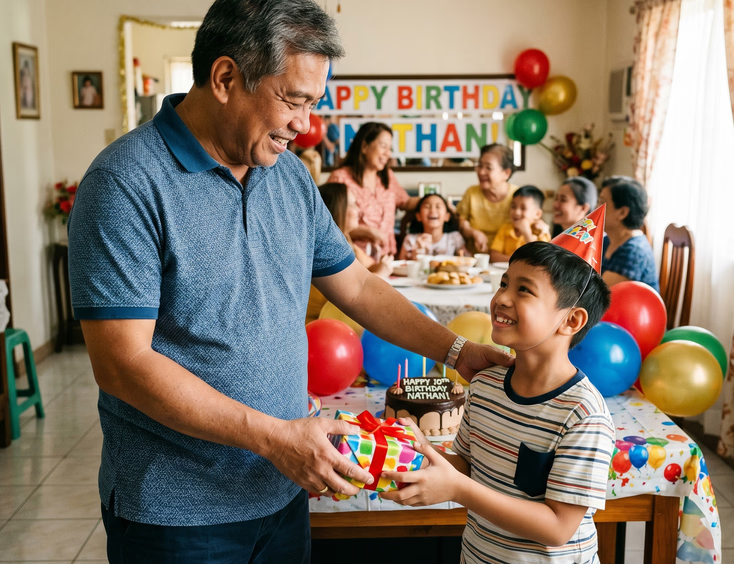
Remember birthdays and milestones. A ninong or ninang who forgets the godchild's birthday gets noticed. A simple greeting or small gift each year keeps the relationship alive.
Show up for major life events. Graduations, debuts, weddings. Filipino families expect godparents to attend. Many godparents also give gifts during these milestones, with the size of the gift reflecting the closeness of the relationship.
Give Christmas pamasko. The annual Christmas gift, usually cash, is a long-standing Filipino tradition. The amount grows with the child's age. A toddler might receive a small bill in a red envelope. A teenager might receive a more meaningful amount.
Be a backup adult. Filipino godparents often serve as emotional anchors for the child. As the child grows, they may turn to a ninong or ninang for advice they cannot ask their own parents.
Support the family when needed. In Filipino families, godparents sometimes help with school sponsorship, medical emergencies, or other crisis moments. The expectation is not financial obligation. The expectation is genuine presence.
What Pakimkim Actually Covers
Pakimkim refers to the gift given by the godparent on the baptism day. Most Filipino godparents give cash, often slipped into a small envelope and handed to the baby or the parent.
Pakimkim ranges from five hundred pesos for distant or younger godparents to several thousand pesos for closer family or older sponsors. Some godparents give jewelry, savings bonds, or trust account contributions instead of cash.
The pakimkim is symbolic, not a transaction. It is a first material gift from the godparent to the child, marking the start of their lifelong gift-giving relationship.
For the full breakdown of typical amounts and gift formats, read pakimkim guide: how much should godparents give at a baptism.
How to Stay Present as the Years Pass
The hardest part of being a godparent is consistency. Many ninongs and ninangs show up for the baptism, send a Christmas gift for a few years, and then drift out of the child's life as work and family responsibilities pile up.
A few small habits keep the relationship alive.
Set a calendar reminder for the godchild's birthday. A simple greeting goes a long way.
Send a message after every major sacrament. Even if you cannot attend, a note acknowledging the milestone matters.
Visit when you can. A short visit during family events or holidays keeps the connection physical, not just digital.
Save photos from the baptism. Many godchildren grow up curious about their baptism and the people who stood up for them. A photo or short message from years earlier becomes meaningful later.
Stay in touch with the parents. The parent relationship anchors the godparent relationship. If you lose contact with the parents, you lose access to the child.
When You Cannot Fulfill the Role
Sometimes life makes the full ninong or ninang role hard to sustain. A move abroad, a major career shift, a health issue, a family crisis. The Catholic Church does not punish godparents who cannot maintain consistent contact. The parents do not, either.
What matters is honesty. If you know you cannot take on the full responsibility, tell the parents before accepting. If circumstances change after the baptism, communicate. Filipino families adapt as long as the godparent does not disappear without explanation.
Pakimkim, Christmas pamasko, and milestone gifts can scale to your situation. A heartfelt presence outweighs a generous absence.
When a Godparent Lives Abroad
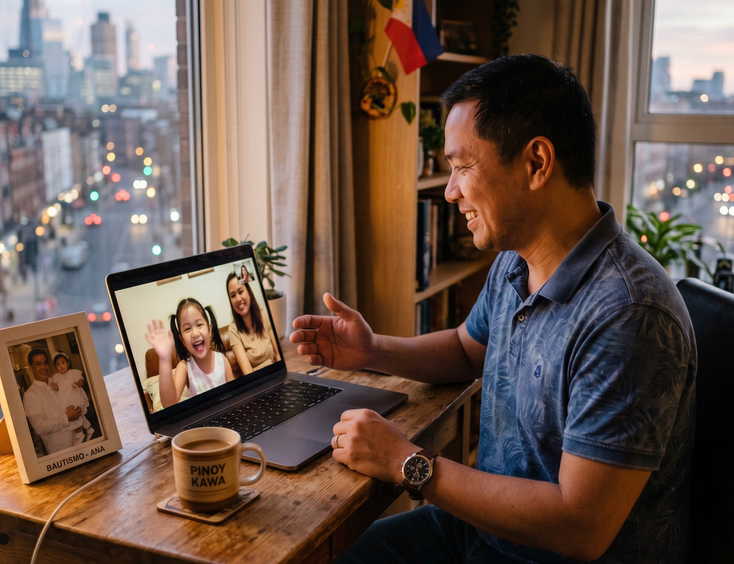
Many Filipino godparents live overseas. Distance does not erase the role.
A few ways to stay connected:
Schedule video calls during birthdays and milestones. A video greeting feels more personal than a message.
Send small care packages when you can. Filipinos appreciate the gesture of a balikbayan box that includes something for the godchild.
Coordinate with the parents during your home leaves. A short visit during a Philippine trip carries weight.
Use digital tools to maintain a steady relationship. A monthly check-in message, a shared photo album, a small online savings contribution for the child's future.
The role transcends geography. What matters is the consistency of presence.
When the Child Becomes an Adult
The godparent role does not end when the child turns eighteen. Filipino families continue to recognize ninongs and ninangs through the godchild's wedding, the birth of grandchildren, and the godparent's own old age.
Some adult godchildren return the relationship by checking in on aging ninongs and ninangs. The role becomes mutual. The spiritual sponsorship that began at the baptismal font becomes a lifelong friendship across generations.
For the wider view of where godparents fit in Filipino family life, read how to choose ninong and ninang: a Filipino parent's guide.
For the full Filipino baptism overview, read the complete Filipino baptism guide: everything parents need to know for a meaningful celebration.
You said yes to being a godparent. The baptism day will be over in an afternoon. The role will last decades. Show up. Stay in touch. Remember the birthdays. The rest follows.
Still Searching for a Right Match?
Find Your Perfect Wedding Supplier Today!
Discover trusted wedding suppliers across the Philippines in our complete directory. Compare services and connect with the ones that fit your dream celebration.
Browse Wedding SuppliersFeatured Blog Posts




Filipino Wedding Entourage - Roles, Order of March, and Modern Etiquette
6 mins readCivil Weddings in the Philippines - Requirements, Costs, and Step-by-Step Process
9 mins readCivil Wedding Requirements in the Philippines - Complete Checklist
6 mins readCost of Wedding in the Philippines - 5 Essential Things You Need to Know
7 mins readPrincipal Sponsors (Ninong/Ninang) - How Many, How to Ask, What They Really Do
4 mins readVeil, Cord, Candle & Coins - Roles, Options, and When They Happen
4 mins readEntourage for a Traditional Pinoy Wedding - Complete Roles and Guide
6 mins readComplete List of Civil Wedding Requirements in the Philippines
8 mins readHow to Choose Wedding Ninongs and Ninangs - Ask Yourself These 3 Important Questions
5 mins read