


Baptism Timeline: When Is the Best Age to Have Your Baby Baptized
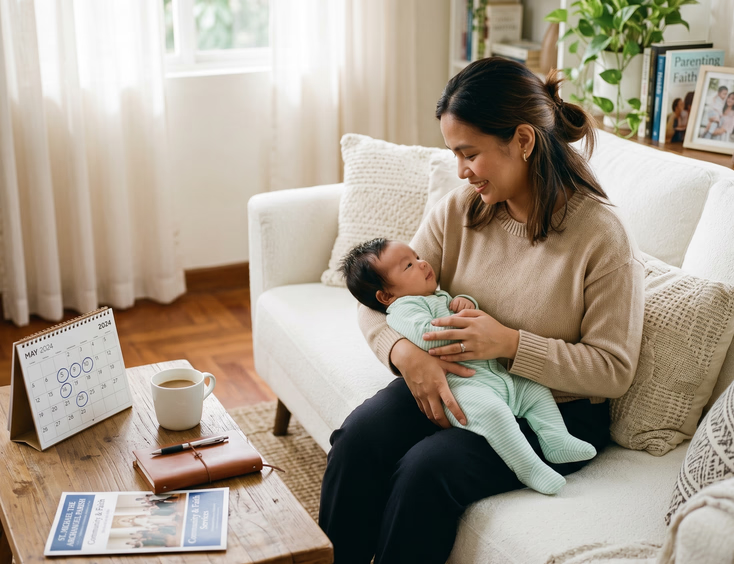
Your baby is six weeks old. Your mother already asked twice. Your mother-in-law asked once but with more emphasis. A cousin sent you a photo of her own baby's baptism, captioned "ang bilis ng panahon." You start to wonder if you are running late.
You are not. Filipino families baptize their babies anywhere from a few weeks old to past a year. The right age depends on a handful of practical and spiritual factors. This guide walks you through them so you can pick a date that fits your baby, your family, and your faith.
What the Catholic Church Actually Says
The Code of Canon Law asks parents to baptize their child within the first few weeks after birth. The phrasing is gentle, not strict. Most Filipino parishes interpret this as the first six months, though no priest will turn you away for waiting longer.
The Church frames early baptism as a way to welcome the child into the faith without delay. It also frames the baptism as the start of the child's Christian life, which carries spiritual weight Catholic parents take seriously.
The Church sets no hard upper age limit for infant baptism. Babies, toddlers, and young children all qualify. Older children past the age of reason, usually seven, follow a different process that involves catechesis before the baptism.
For a full breakdown of what the Church asks of parents, read Catholic baptism requirements in the Philippines: documents, fees, and church policies.
The Most Common Filipino Baptism Window
Most Filipino babies get baptized between three and six months. This window works for a few reasons.
Your baby has settled into a more predictable feeding and sleep pattern. The newborn fog has lifted enough for the parents to plan an event. Family schedules have had time to align. The baby can sit upright for photos, smile on cue, and tolerate being held by strangers without melting down.
Some families baptize earlier, usually within the first two months. Older relatives often push for this, tied to the tradition of baptizing infants as soon as possible.
Some families wait longer, sometimes until eight to ten months, often to align with a major family gathering or a visiting relative from abroad.
Both early and later baptisms are common. Neither is wrong.
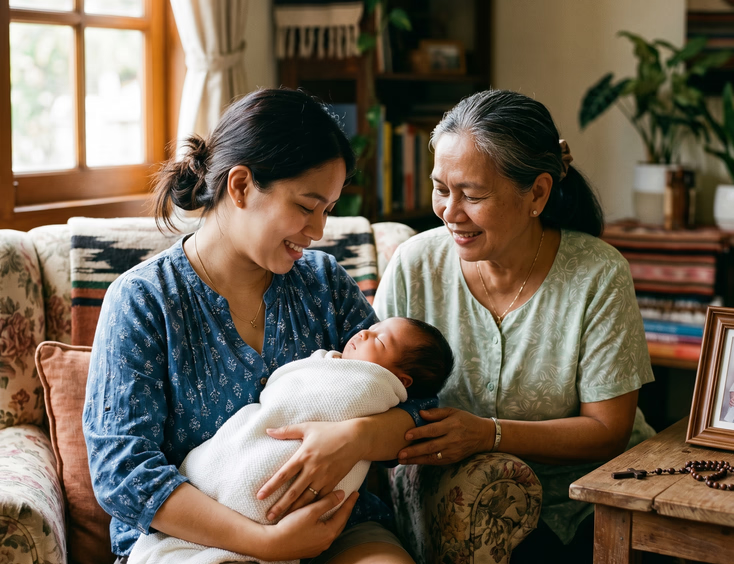
Reasons Parents Baptize Early
Some parents choose to baptize within the first two months. Common reasons:
A strong family tradition of early baptism. Older relatives often see early baptism as a sign of spiritual care. Some Filipino families follow generations of baptizing within the first forty days.
Health concerns. Babies with medical conditions or premature deliveries sometimes get baptized early so the family can mark the sacrament without delay. Catholic hospitals offer emergency baptism in critical cases. A parish baptism follows once the baby is stable.
A grandparent or family member with limited time. Some families schedule early to allow an elderly grandparent or a sick relative to be present.
A simpler celebration. Younger babies sleep through more of the ceremony and reception, which keeps the day shorter and lower-effort.
Reasons Parents Wait Longer
Some families baptize between six and twelve months. Common reasons:
A family member from abroad. Many Filipino families wait for an OFW relative or an overseas godparent to fly home.
A milestone celebration. Some families combine the baptism with another event, such as a birthday party or a family reunion.
The parents need more recovery time. First-time mothers sometimes want a longer postpartum window before planning a full celebration.
Budget preparation. A bigger reception takes time to fund. Waiting a few months gives families time to save for the venue, catering, and styling. For a full budget view, read how much does a baptism cost in the Philippines: a realistic budget breakdown.
A travel-friendly age. Babies over six months handle car rides and longer days better, which matters for families planning a destination or provincial baptism.
Considerations That Affect Your Timing
A few practical factors shape the best date for your family.
Your baby's health. A baby recovering from jaundice, colic, reflux, or any other early condition should heal first. Talk to your pediatrician before locking a date.
Your postpartum recovery. A mother recovering from a difficult delivery should not rush into hosting an event. Six to eight weeks is a low bar. Three to four months gives most mothers a real recovery window.
Vaccination schedule. Many parents avoid scheduling the baptism the same week as a major vaccination so the baby is not cranky or feverish on the day.
Weather. Filipino summers, especially March to May, can be brutal. Babies overheat fast in long christening gowns. Rainy season months, especially June to September, bring typhoon risks. Pick a season that suits your venue and your baby's comfort.
Church availability. Popular parishes book up months ahead. Your ideal date might not be your available date. For the planning sequence, read how to plan a baptism in the Philippines: a step by step checklist for first time parents.
Family schedules. Coordinate with the godparents you actually want present. If both ninongs work overseas, plan around their leave dates.
The Forty-Day Tradition
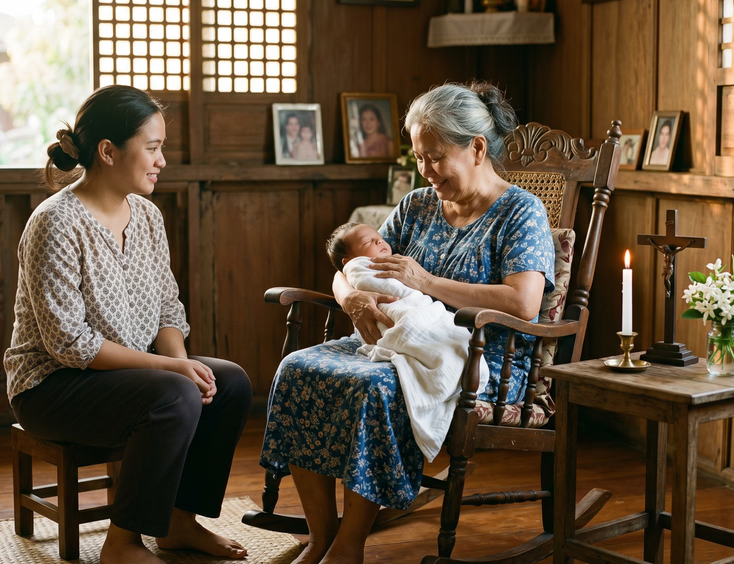
Some Filipino Catholic families follow the older tradition of baptizing the baby around forty days after birth. The number traces back to the biblical presentation of the infant Jesus at the temple, forty days after his birth.
Few modern Filipino families follow this strictly. The number now serves more as a cultural reference than a rule. If your grandmother brings it up, take it as a tradition worth knowing, not a deadline.
For more context on traditions that shape Filipino baptisms, read Filipino baptism traditions every parent should know.
What to Avoid When Picking a Date
A few timing mistakes catch parents off guard.
Booking during Lent or Holy Week. Some parishes restrict baptisms during this period. Confirm with your parish before printing invitations.
Booking the same week as a major family event. A baptism the week after a wedding, a birthday, or a holiday stretches both your guests and your wallet.
Picking peak summer or peak rainy months without a venue check. An outdoor reception in May can hit thirty-five degrees. A garden venue in August can flood.
Locking a date before confirming godparents. A few godparents work overseas and need months of notice. Send a soft date hold before booking the parish.
Picking a date without considering nap schedules. A two o'clock ceremony lines up with most babies' afternoon nap. A morning slot often works better for babies under six months.
How Older Children Get Baptized
Children past the age of reason follow a different path. The Catholic Church considers a child capable of making conscious faith decisions starting at about seven years old.
For these children, the parish requires catechesis before the baptism. The child attends weekly classes for several weeks or months, depending on the parish. The classes cover the basics of the Catholic faith, the meaning of baptism, and the responsibilities of a baptized Christian.
The baptism itself follows a slightly different liturgy. The child may answer the baptismal promises directly instead of through godparents.
For families baptizing older children, talk to your parish early. The process takes longer and requires more coordination.
Choosing the Day of the Week
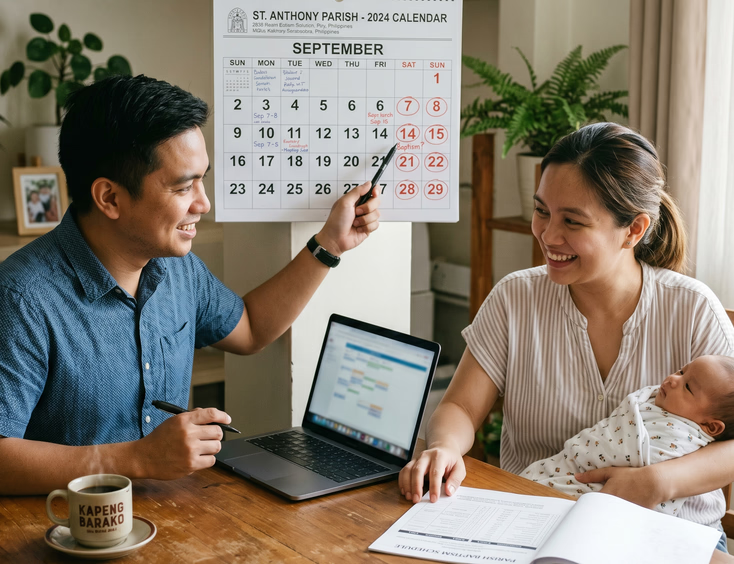
Most Filipino parishes hold baptisms on Saturdays and Sundays. A few offer weekday slots.
Saturday afternoons are the most popular. Expect higher church donation rates and tighter booking windows. Sunday morning batch baptisms are common in busy parishes. The schedule runs quickly but works for families who want to combine the baptism with Sunday Mass.
Weekday baptisms are quieter, cheaper, and easier to book, but harder for working godparents to attend.
Pick a day that works for the people you most want present.
A Final Reality Check
You will probably feel pressure from someone in your family to baptize sooner. You will also probably feel pressure from your own schedule to baptize later. Sit with both pressures for a moment and then pick the window that fits your baby and your family.
A baby baptized at two months is no more Catholic than a baby baptized at nine months. The sacrament holds the same weight on day one and day three hundred. What changes is the experience around it, the comfort of your baby on the day, and the calmness of the parents planning it.
For the wider view of how the baptism fits into Filipino family life, read the complete Filipino baptism guide: everything parents need to know for a meaningful celebration.
Pick the date. Tell your mother. Start the planning. Your baby will sleep through most of it anyway.
Still Searching for a Right Match?
Find Your Perfect Wedding Supplier Today!
Discover trusted wedding suppliers across the Philippines in our complete directory. Compare services and connect with the ones that fit your dream celebration.
Browse Wedding SuppliersFeatured Blog Posts


Filipino Wedding Entourage - Roles, Order of March, and Modern Etiquette
6 mins readCivil Weddings in the Philippines - Requirements, Costs, and Step-by-Step Process
9 mins readCivil Wedding Requirements in the Philippines - Complete Checklist
6 mins readCost of Wedding in the Philippines - 5 Essential Things You Need to Know
7 mins readPrincipal Sponsors (Ninong/Ninang) - How Many, How to Ask, What They Really Do
4 mins readVeil, Cord, Candle & Coins - Roles, Options, and When They Happen
4 mins readEntourage for a Traditional Pinoy Wedding - Complete Roles and Guide
6 mins readComplete List of Civil Wedding Requirements in the Philippines
8 mins readHow to Choose Wedding Ninongs and Ninangs - Ask Yourself These 3 Important Questions
5 mins read