


Baptism Cake Designs and Where to Order in the Philippines
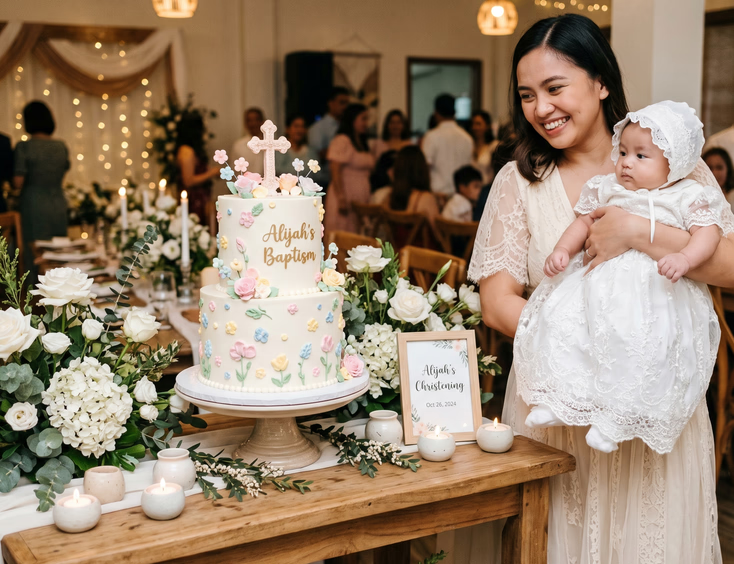
You opened a baker's Instagram and the cakes blurred together. Pastel buttercream. Fondant clouds. Tiny crosses on top. A gold leaf accent here, a sugar flower there. Every cake looked beautiful. None of them helped you decide what to order for your own baby's baptism.
A baptism cake anchors the dessert table and often serves as the styled centerpiece of the reception. The right cake fits your theme, your guest count, your budget, and the practical realities of getting it to the venue in one piece. This guide walks you through current design directions, where to order in the Philippines, and how to brief your baker so the cake arrives the way you imagined.
What a Baptism Cake Needs to Do
A baptism cake carries three jobs.
It feeds your guests. Most baptisms include the cake as part of the dessert spread, though a few families bring it purely as a styled centerpiece and serve a separate dessert.
It anchors the styling. The cake table usually becomes the photo backdrop for the family portraits at the reception. The cake design sets the tone.
It marks the moment. The cake cutting is one of the few photographable rituals at the reception, second only to the toasts.
Build the cake decision around these three jobs. Looks matter, but a cake that cannot feed your guest count or survive the heat in the car ride to the venue creates a different kind of memory.
How Many Tiers You Actually Need
Tier count depends on guest count and budget, not on style.
A single-tier cake serves twenty to thirty guests. Best for small intimate baptisms or families that pair the cake with a fuller dessert spread.
A two-tier cake serves forty to seventy guests. The most popular choice for Filipino baptisms.
A three-tier cake serves eighty to one hundred fifty guests. Suited to larger receptions and ballroom-style venues.
A four-tier or taller cake serves one hundred fifty guests and up. Often dummy tiers, with only one or two tiers actually edible.
Most bakers list serving sizes in their packages. Confirm before booking. A two-tier cake from one baker may serve fifty guests while another bakes the same tier size to feed seventy.
For the wider budget picture across all baptism line items, read how much does a baptism cost in the Philippines: a realistic budget breakdown.
Realistic Pricing for Filipino Baptism Cakes
Cake prices vary by size, complexity, and baker reputation.
A single-tier custom cake for twenty guests usually costs three thousand to six thousand pesos. Simple designs cost less. Detailed fondant work pushes the higher end.
A two-tier custom cake for forty to sixty guests typically runs six thousand to twelve thousand pesos. The most common range for Filipino baptisms.
A three-tier cake with detailed work, sugar flowers, or custom toppers costs ten thousand to twenty thousand pesos. Premium bakers charge more.
A premium designer cake from a high-profile baker can pass twenty-five thousand pesos. These cakes often serve as the styling centerpiece, with the actual eating cake provided as separate slabs or sheet cakes.
Add-ons that affect price:
Sugar flowers and detailed piping. Each adds incremental cost.
Hand-painted designs. Time-intensive work that often adds two thousand to five thousand pesos.
Custom figurines. Edible figures of the baby, parents, or theme elements add one thousand to five thousand pesos depending on complexity.
Cupcakes, cake pops, or dessert table extensions. Add three thousand to ten thousand pesos depending on quantity and styling.
Delivery and setup. Most bakers charge five hundred to two thousand pesos for delivery within Metro Manila. Provincial delivery costs more.
Design Directions for Filipino Baptisms
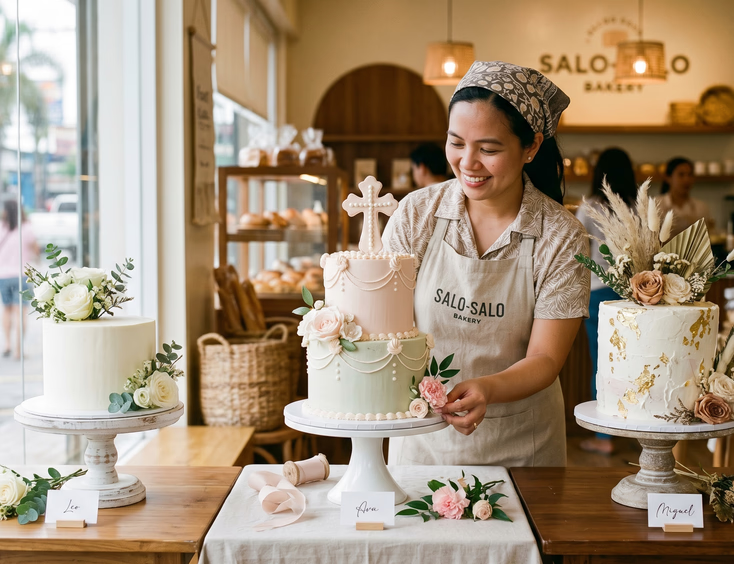
A few design directions consistently work for baptism cakes.
Minimalist white and pastel. A clean, single-color cake in soft buttercream. Often accented with a simple cross, a fresh flower, or a delicate gold accent. Works for modern parents who prefer understated styling.
Classic religious motifs. White cakes featuring crosses, doves, angels, or open Bibles. The traditional choice that aligns naturally with the sacrament.
Themed character or theme-based designs. Cakes built around the baptism theme. Little prince crowns. Woodland animals. Sleeping bears. Pastel rainbows. Works for parents committed to a specific theme.
Watercolor and floral. Soft hand-painted designs with edible flowers. Photographs beautifully against neutral cake table styling.
Geometric and modern. Hexagonal cakes, asymmetric tiers, marble effects, gold leaf accents. The newest direction for modern Manila baptisms.
Textured buttercream. Ruffles, palette knife strokes, semi-naked finishes. A more organic, less polished look that suits garden and rustic-themed celebrations.
Boho and dried floral. Cakes accented with pampas grass, dried palm, or dried floral toppers. Works for outdoor or rustic styling.
For theme alignment direction, read popular baptism themes for Filipino babies: boys and girls edition. For pared-back styling that suits minimalist cakes, read minimalist baptism styling ideas for modern Filipino parents.
Choosing Between Fondant and Buttercream
Two main exterior finishes dominate Filipino baptism cakes.
Fondant. A smooth sugar paste rolled over the cake. Holds detailed designs, sharp edges, and intricate decorations. Withstands heat better than buttercream, which matters in Filipino weather. Most guests find fondant less pleasant to eat, though it can be peeled off easily before serving.
Buttercream. A softer, creamier frosting made from butter and sugar. Tastes better than fondant. Holds piping, ruffles, and textured finishes well. Softens in heat, which matters for outdoor venues and long transport.
A practical compromise: fondant accents on a buttercream base. The base eats well. The decorative elements hold their shape.
Confirm the finish with your baker. Pricing usually does not change much between the two, but the design options shift.
Where to Order Baptism Cakes in the Philippines
The Filipino baker scene spans hobbyists, home-based studios, established custom bakers, and large bakery chains. Each tier comes with tradeoffs.
Home-based custom bakers. Often the most accessible option for personalized cakes. Most work via Instagram, Facebook, or referrals. Prices usually run between three thousand and twelve thousand pesos. Quality varies wildly. Look for bakers with at least twenty visible baptism cakes in their portfolio and consistent client reviews.
Established custom cake studios. Bakers with physical commissaries, multiple staff, and full vendor relationships. Higher prices, usually between six thousand and twenty-five thousand pesos. More reliable on delivery, design accuracy, and consistency.
Premium designer bakers. The well-known cake artists in Manila and Cebu. Cakes start at fifteen thousand pesos and often pass thirty thousand. Booked months ahead. Best for parents committed to a specific designer look.
Bakery chains and supermarket bakers. The most affordable option for simple cakes. Prices often run between one thousand five hundred and six thousand pesos. Customization is usually limited to color, simple toppers, and basic piping.
Hotel pastry teams. Five-star hotels and some larger event venues offer in-house pastry teams. Best when bundled with hotel function packages. Quality and pricing are consistent, but design flexibility may be limited.
For the wider supplier coordination view, read how to plan a baptism in the Philippines: a step by step checklist for first time parents.
How to Vet a Baptism Cake Baker
A few practical signs separate strong bakers from weak ones.
A consistent portfolio. Look at the baker's last twenty cakes. Strong bakers show consistent finishes, clean piping, and even color blends across their work.
Clear pricing. Strong bakers send a written quote breaking down the cake, design elements, delivery, and any add-ons.
Realistic timelines. A baker who accepts a custom three-tier cake order with only two weeks of lead time should be questioned. Strong bakers usually book four to eight weeks in advance.
Strong client communication. Bakers who respond clearly, ask the right design questions, and share progress updates usually deliver smoother experiences.
Delivery experience. Custom cakes need careful transport. A strong baker has handled dozens of deliveries to venues. A new baker may not. Ask about their delivery setup.
Backup plans. Ask what happens if something goes wrong on the day. A reputable baker has fallback options.
Questions to Ask Before Booking a Baker
A direct list to bring into your consultation.
How many baptism cakes have you made?
Can I see your full baptism portfolio, not just highlights?
What flavors do you offer? What are your most popular fillings?
What does the price include? Delivery, setup, and stand rental should all be confirmed.
How many days before the event do you need design approval?
What is your payment schedule and cancellation policy?
What happens if the cake gets damaged in transit?
Can the cake handle outdoor or non-air-conditioned venues?
Do you provide a cake stand or do I need to bring one?
When and how will the cake be delivered? Confirm the time window.
Do you offer cupcakes, cake pops, or dessert table extensions if I want them?
Can you replicate a specific inspiration cake? Some bakers do, others refuse for ethical reasons.
For coordinating cake delivery with restaurant venues, read restaurant baptism packages in the Philippines: what to look for.
Briefing a Baker With Inspiration Images
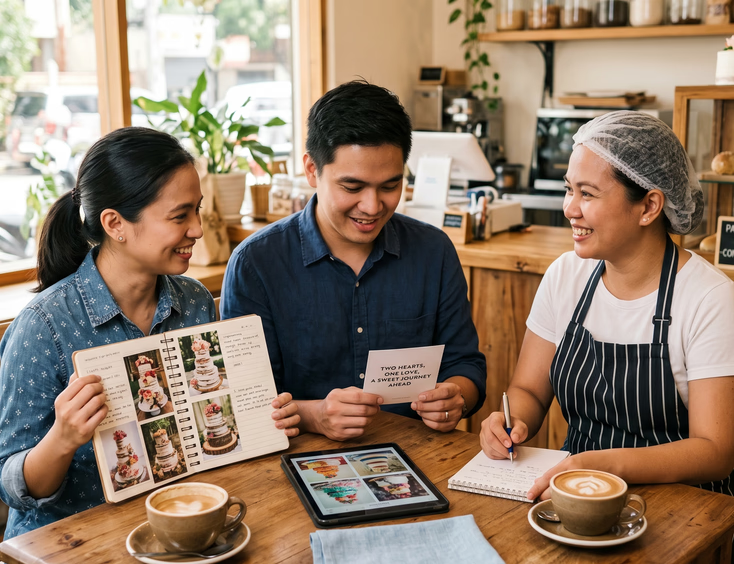
Most bakers ask for inspiration images during the design consultation. A few tips help you brief them well.
Send three to five inspiration images, not twenty. Too many references confuse the design direction.
Note what you like about each image. The color palette. The texture. A specific accent. Specificity helps the baker understand which elements to lift.
Share the baptism theme and color palette. If your theme is sage and white with greenery accents, say so.
Send a photo of the cake table styling if you have one. The cake should complement the table, not fight it.
Confirm the baby's name or initial if you want it on the cake. Many baptism cakes include monogrammed accents.
Avoid asking for direct copies. Most reputable bakers will decline. Ask instead for a design inspired by the references.
Practical Considerations for Delivery and Setup
A few realities catch parents off guard on the day.
Filipino weather is hard on cakes. Heat softens buttercream. Humidity affects fondant. Outdoor venues are riskier than indoor ones. Confirm with your baker which finish handles your venue best.
Transport conditions matter. A two-hour drive to a Tagaytay venue requires a different transport setup than a fifteen-minute drive to a BGC restaurant.
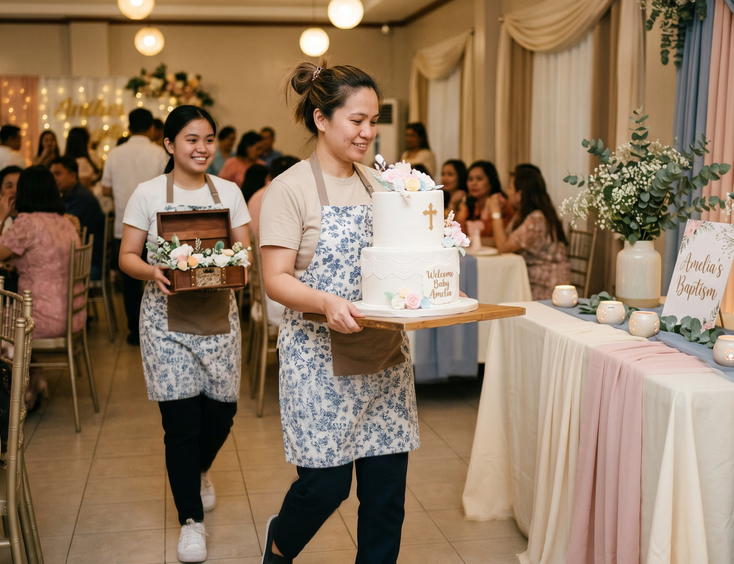
Cake table setup needs to be ready when the cake arrives. Most bakers deliver directly to the cake table and place the cake themselves. The table should be prepped beforehand.
A backup cake or sheet cake matters for larger events. Most premium bakers offer plain sheet cakes to supplement the main centerpiece for serving. A three-tier centerpiece often does not fully serve a one-hundred-guest reception.
Cake cutting tools should be on-site. Most bakers provide a small ribbon-wrapped knife. Confirm in advance.
Adding a Dessert Table to the Cake
Many Filipino baptisms extend the main cake into a small dessert table.
Common dessert table extensions:
Cupcakes that match the main cake design. Usually thirty to one hundred pieces, costing thirty to ninety pesos each.
Cake pops, macarons, or sugar cookies. Sweet, themed, and easy to grab. Usually fifty to one hundred fifty pesos per piece.
Mini tarts, brownies, or chocolate truffles. Stronger flavors that balance the lighter main cake.
A small candy section. Personalized candy jars or small candy bags as part of the dessert table.
Themed dessert tables run from five thousand to thirty thousand pesos depending on volume and styling.
For matching this dessert table with broader theme styling, read popular baptism themes for Filipino babies: boys and girls edition.
A Practical Cake Timeline
When to handle each cake decision.
Three months before the baptism, shortlist bakers and review portfolios.
Two months before, send inspiration images and request quotes.
Six weeks before, finalize the design and pay the reservation fee.
Three weeks before, confirm final design details, delivery time, and venue access.
One week before, confirm cake flavors, delivery time, and contact details for the day-of point person.
The day before, confirm the baker has all the address details and contact numbers.
The day of, designate a family member to receive the cake and check the design against the agreed plan before the photographer starts shooting.
For full planning sequence, read how to plan a baptism in the Philippines: a step by step checklist for first time parents.
The Real Job of the Cake
The cake will be the most photographed object at the reception, after your baby. It will sit at the center of the styled table, hold space for the toasts, and serve as the backdrop for the cake cutting.
Pick a cake that tells a small piece of your family's story. The colors of your nursery. The flowers your grandmother grew. The animal your baby first laughed at. A meaningful cake outshines a more expensive one that feels generic.
For the wider supplier picture, read the complete Filipino baptism guide: everything parents need to know for a meaningful celebration.
For coordinating the cake with other reception decor and themed setups, read minimalist baptism styling ideas for modern Filipino parents and popular baptism themes for Filipino babies: boys and girls edition.
Pick the baker who returns your messages, sends you a clear quote, and shows you a portfolio you trust. Order the cake. Pay the reservation fee. Then move on to the next decision while the baker handles the rest.
Still Searching for a Right Match?
Find Your Perfect Wedding Supplier Today!
Discover trusted wedding suppliers across the Philippines in our complete directory. Compare services and connect with the ones that fit your dream celebration.
Browse Wedding SuppliersFeatured Blog Posts

Filipino Wedding Entourage - Roles, Order of March, and Modern Etiquette
6 mins readCivil Weddings in the Philippines - Requirements, Costs, and Step-by-Step Process
9 mins readCivil Wedding Requirements in the Philippines - Complete Checklist
6 mins readCost of Wedding in the Philippines - 5 Essential Things You Need to Know
7 mins readPrincipal Sponsors (Ninong/Ninang) - How Many, How to Ask, What They Really Do
4 mins readVeil, Cord, Candle & Coins - Roles, Options, and When They Happen
4 mins readEntourage for a Traditional Pinoy Wedding - Complete Roles and Guide
6 mins readComplete List of Civil Wedding Requirements in the Philippines
8 mins readHow to Choose Wedding Ninongs and Ninangs - Ask Yourself These 3 Important Questions
5 mins read