

Where to Buy or Rent Baptism Gowns and Suits in the Philippines
You shortlisted three baby boutiques on Instagram, two Shopee suppliers, and one tita who knows a seamstress in Quiapo. The price ranges spanned five thousand pesos. The lead times spanned six weeks. The fabrics looked similar in photos but you could not tell which would actually feel soft on your baby's skin. You started wondering if you should just rent.
Sourcing a Filipino baptism outfit involves more options than most first-time parents expect. Buy, rent, custom-order, or borrow. Each path comes with tradeoffs in cost, lead time, and personalization. This guide walks you through where to look across the Philippines, how to vet a supplier, and how to make the right call without burning weeks of planning time.
What Sourcing Path Fits Your Situation
Three main sourcing paths cover most Filipino families.
Buy. You own the outfit. Useful as a keepsake for the family. Higher upfront cost. Suited to families who plan to preserve the outfit or pass it down.
Rent. You use the outfit for the day and return it. Lower cost. Less commitment. Suited to families on tighter budgets or those who do not plan to keep the outfit.
Custom-order. You commission a maker to design a piece. Higher cost. Longer lead time. Suited to families with a specific vision or heirloom-style preferences.
A fourth path, borrowing, works when family members have outfits from previous baptisms. Inexpensive and emotionally meaningful. Carries some risk around fit and condition.
For the wider outfit direction that anchors this sourcing decision, read baptism outfit ideas for baby boys and baby girls in the Philippines.
Realistic Pricing Across Sourcing Paths
Pricing varies based on the path and the supplier tier.
Budget cotton or simple satin outfits cost between one thousand and three thousand pesos. Suitable for casual baptisms or families on tight budgets.
Mid-range traditional christening gowns or barong sets cost between three thousand and seven thousand pesos. The most common range.
Premium custom-made christening gowns, barong suits, or heirloom-style pieces cost between eight thousand and twenty thousand pesos. Suited to families investing in a keepsake outfit.
Designer-made outfits can pass twenty-five thousand pesos. Best for families committed to a specific designer.
Rentals usually cost between one thousand and four thousand pesos, including basic fitting. Some rental shops include accessories like bonnets and booties.
For the full budget picture across all baptism line items, read how much does a baptism cost in the Philippines: a realistic budget breakdown.
Where to Buy Baptism Outfits
The Filipino baby outfit market spans multiple supplier tiers. Each tier comes with tradeoffs.
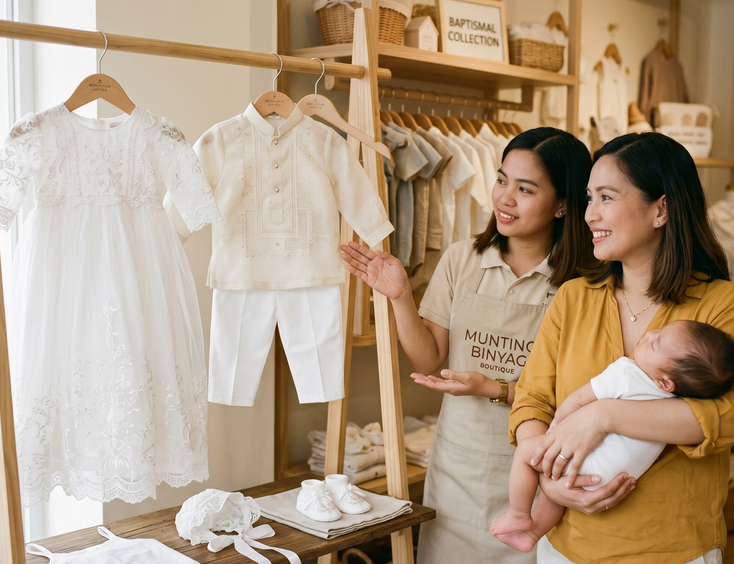
Specialty baby boutiques. Mid-range to premium shops that focus on christening gowns, barong sets, and formal infant wear. Often located in Metro Manila malls and online. Prices usually run between three thousand and ten thousand pesos. Quality is consistent and styles range from traditional to modern.
Department store baby sections. Major Filipino department stores carry baby formal wear, including christening outfits. Prices usually run between one thousand and four thousand pesos. Selection is limited but reliable.
Online baby shops. Instagram and Facebook baby shops offer a wide selection of christening outfits at varying price points. Prices range widely, from eight hundred pesos for simple cotton sets to fifteen thousand pesos for designer pieces. Quality varies. Always check reviews and confirm fabric and finishing details before ordering.
Shopee, Lazada, and other marketplaces. The widest selection at the lowest prices. Christening outfits sit between five hundred and three thousand pesos. Quality is inconsistent. Order at least a month early to allow for fit issues and replacements.
Custom makers. Independent designers, seamstresses, and small ateliers across Metro Manila and the provinces craft custom christening gowns and barong sets. Prices usually run between five thousand and twenty-five thousand pesos. Quality varies by maker, but a strong custom maker delivers the best fit and material control.
Heirloom and antique shops. A few specialty shops carry restored or vintage christening gowns. Best for families seeking a traditional or antique aesthetic.
Bridal and formal wear shops. Some bridal and formal wear shops also carry baby christening outfits, especially around peak baptism months.
For coordinating the outfit with the broader styling, read popular baptism themes for Filipino babies: boys and girls edition and minimalist baptism styling ideas for modern Filipino parents.
Where to Rent Baptism Outfits
Rental options are more available in the Philippines than most parents realize. A few categories.
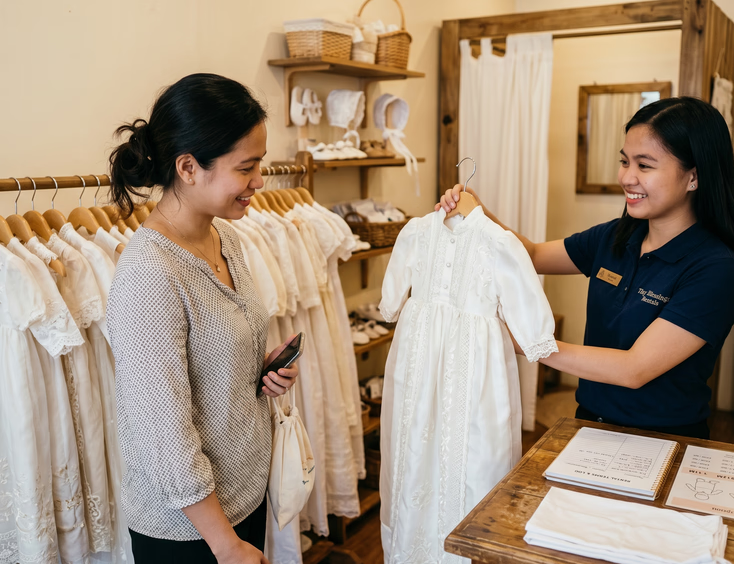
Specialty rental shops. Mid-range to premium shops that specialize in renting formal baby wear. Prices usually run between one thousand and four thousand pesos for a one-day rental. Selection includes both traditional gowns and modern outfits. Many offer accessory bundles.
Online rental platforms. Instagram and Facebook rental shops offer baptism outfits delivered and returned via courier. Prices similar to specialty shops but with broader selection. Confirm policies around damage, late returns, and cleaning fees.
Bridal and formal wear rental shops. Some shops that primarily serve weddings also offer formal baby and child wear for milestone events.
Boutique designer rentals. A few designer makers offer rentals of premium christening outfits at a fraction of the buy price. Best for families who want a designer look without committing to the cost.
Rentals work well for families on tighter budgets or those who view the baptism outfit as a single-use item. They also work for families who want a higher-end aesthetic at a lower price point.
For the wider planning sequence around outfit timing, read how to plan a baptism in the Philippines: a step by step checklist for first time parents.
How to Vet a Baptism Outfit Seller or Renter
A few practical signs separate strong sellers and renters from weak ones.
A consistent portfolio. Look for sellers with multiple visible photos of finished outfits worn by actual babies, not just product flat lays. Renters should show worn examples of their inventory.
Clear fabric and material descriptions. Strong sellers list the fabrics used in each outfit. Vague descriptions like premium fabric or imported material are red flags.
Sizing accuracy. Strong sellers offer detailed sizing charts. Newborn, three-month, six-month, and nine-month sizes vary significantly across brands.
Clear return and exchange policies. Buying baby clothes online carries risk. Confirm the policy before ordering, especially for sizing issues.
Honest lead times. Custom orders usually need four to six weeks. Off-the-rack purchases can ship within one to two weeks. Suppliers offering shorter timelines without explanation may compromise quality.
Strong client communication. Sellers who respond quickly, ask the right questions, and send clear updates usually deliver smoother experiences.
Replacement policies for damage or defects. Reputable sellers replace damaged or defective pieces at no extra charge.
For rental shops, confirm cleaning policies, damage fees, and return windows in writing.
Questions to Ask Before Buying or Renting
A direct list to bring into your supplier conversation.
What fabrics are used in this outfit?
What size fits a three-month, six-month, or nine-month baby?
What is the lead time from order confirmation to delivery?
Can I see photos of past clients in this outfit?
What is your return or exchange policy?
What does the price include? Accessories, bonnet, booties, slip.
What is your payment schedule?
What is your replacement policy for defects?
For rentals, what is the rental period, the cleaning fee, and the damage policy?
For custom orders, what is the fitting process?
For custom orders, how many revisions are included in the design?
How is the outfit packaged and delivered?
What to Look For at the Fitting
A fitting often gets skipped for ready-made outfits. For custom orders and rentals, the fitting is essential.
A few things to check during a fitting.
The fit around the chest and neck. Babies should not feel constricted. The neck should not press against the throat.
The length of the gown or barong. Babies move in unpredictable ways. Excessively long gowns become a tripping risk for parents carrying the baby.
The fastener placement. Buttons and zippers in the back create discomfort when the baby lies down for photos.
The fabric feel against the baby's skin. Run the lining over the baby's wrist. If it scratches or causes redness, ask for a softer lining.
The breathability. A baby in a heavy gown will overheat. Test by holding the baby in the outfit for ten minutes. Watch for sweating or fussiness.
Accessory fit. Bonnets, booties, and slips should fit snugly without leaving marks.
If issues come up, ask the maker to address them before the day.
Heirloom Outfits and Family Pieces
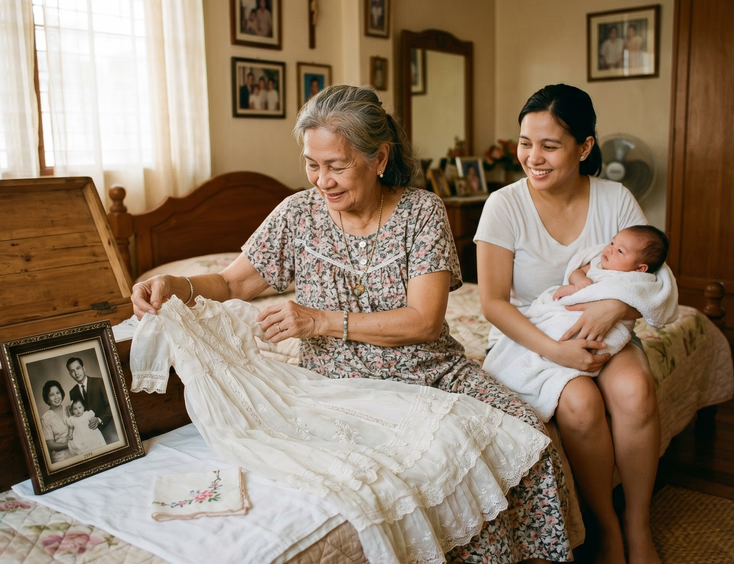
A few Filipino families pass christening outfits across generations. Heirloom outfits carry strong emotional weight but come with practical challenges.
A few considerations.
Confirm the outfit fits the modern baby. Older gowns were often made for smaller infants. Alterations may be needed.
Check the fabric for signs of aging. Yellowed lace, brittle satin, or weakened seams may not survive a full day of use.
Confirm whether the outfit can still be cleaned. Some vintage outfits are too delicate for regular washing.
Consider professional restoration. Some seamstresses specialize in restoring heirloom christening gowns. The investment preserves the piece for future generations.
If the heirloom outfit is too fragile to wear, consider using it as a styling piece. Display the gown at the reception with a small framed photo of the family member who wore it.
Where to Source Bonnets, Booties, and Accessories
A few smaller suppliers focus specifically on baby baptism accessories.
Specialty baby accessory shops. Often paired with christening boutiques. Sell coordinated bonnet, booties, and sash sets.
Online accessory makers. Many Filipino home-based artisans craft personalized bonnets and booties with embroidered initials or names.
Custom seamstresses. For families with strong style preferences, a seamstress can craft matching accessories to the main outfit.
Heirloom shops. Vintage and antique shops occasionally carry christening accessories.
Coordinated accessories sit between three hundred and two thousand pesos depending on quality and personalization.
For matching the outfit with the broader styling, read minimalist baptism styling ideas for modern Filipino parents.
How to Source Family and Godparent Outfits
The family dress code shapes the photos significantly. A few practical sourcing notes.
Filipino bridal shops sell barong tagalog options for fathers and male godparents. Prices range from two thousand pesos for ready-made barong to ten thousand pesos for custom-tailored pieces.
Mall department stores carry off-the-rack barong, polo barong, and formal Filipiniana attire. Prices range from one thousand to five thousand pesos.
Specialty Filipiniana shops sell modern and traditional women's Filipino formal wear. Prices range from three thousand to fifteen thousand pesos.
Online ready-to-wear boutiques carry coordinated family outfits in neutral palettes. Prices vary widely.
For matching outfits to themes and dress codes, read popular baptism themes for Filipino babies: boys and girls edition.
Brief the family and godparents on the dress code early. Most appreciate clear guidance.
For coordinating godparents, read how to choose ninong and ninang: a Filipino parent's guide.
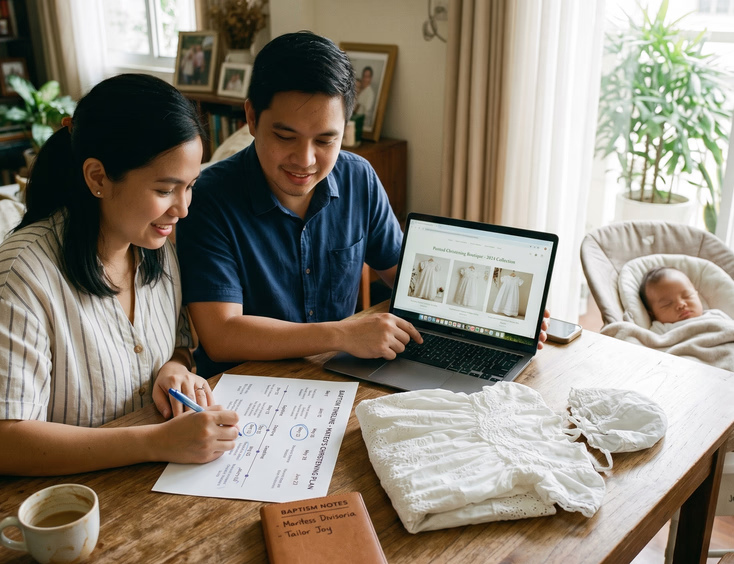
A Practical Sourcing Timeline
When to handle each outfit sourcing decision.
Three months before the baptism, finalize the outfit direction.
Two and a half months before, shortlist sellers or renters.
Two months before, place orders for custom outfits. Reserve rental outfits.
Six weeks before, schedule a fitting for custom or rental outfits.
One month before, confirm delivery or pickup details.
Three weeks before, complete the fitting. Make alterations as needed.
Two weeks before, do a trial run. Dress the baby in the full outfit for thirty minutes to test comfort.
One week before, wash the outfit gently if needed. Press.
The day of, dress the baby thirty to forty-five minutes before leaving for the church.
For the full week-by-week planning sequence, read how to plan a baptism in the Philippines: a step by step checklist for first time parents.
Returning a Rental or Caring for a Purchase
For rentals, return the outfit promptly to avoid late fees. Most rental shops require returns within one to three days after the event.
For purchases, careful post-event handling extends the life of the outfit.
Wash by hand or use a delicate cycle with mild detergent. Cold water only.
Air-dry the outfit. Avoid the dryer.
Store the outfit in a breathable cotton bag or wrap in acid-free tissue paper.
If you plan to preserve the outfit long-term, consider professional preservation. Wedding-style preservation services can box and seal the outfit for archival storage.
If you plan to pass the outfit to a sibling or future generation, store it in a dry, cool place away from direct sunlight.
The Real Job of the Outfit Decision
The outfit decision is one of the easier baptism decisions, once you know your direction. Pick the path. Pick the supplier. Confirm the fit. Move on.
A beautiful outfit on a comfortable baby photographs better than an elaborate outfit on a fussy one. Lean toward comfort. Lean toward breathable fabrics. Lean toward simple silhouettes if you are unsure. The outfit will hold up across the day and across the decades that follow.
For the wider supplier picture, read the complete Filipino baptism guide: everything parents need to know for a meaningful celebration.
For outfit ideas and style direction across baby boys and girls, read baptism outfit ideas for baby boys and baby girls in the Philippines.
Pick the supplier whose photos match your taste and whose communication earns your trust. Confirm the order. Schedule the fitting. Then trust the outfit to play its small part of the day while your family carries the rest.
Still Searching for a Right Match?
Find Your Perfect Wedding Supplier Today!
Discover trusted wedding suppliers across the Philippines in our complete directory. Compare services and connect with the ones that fit your dream celebration.
Browse Wedding SuppliersFeatured Blog Posts

Filipino Wedding Entourage - Roles, Order of March, and Modern Etiquette
6 mins readCivil Weddings in the Philippines - Requirements, Costs, and Step-by-Step Process
9 mins readCivil Wedding Requirements in the Philippines - Complete Checklist
6 mins readCost of Wedding in the Philippines - 5 Essential Things You Need to Know
7 mins readPrincipal Sponsors (Ninong/Ninang) - How Many, How to Ask, What They Really Do
4 mins readVeil, Cord, Candle & Coins - Roles, Options, and When They Happen
4 mins readEntourage for a Traditional Pinoy Wedding - Complete Roles and Guide
6 mins readComplete List of Civil Wedding Requirements in the Philippines
8 mins readHow to Choose Wedding Ninongs and Ninangs - Ask Yourself These 3 Important Questions
5 mins read