


Catering for Filipino Baptism: Menu Ideas and Package Inclusions
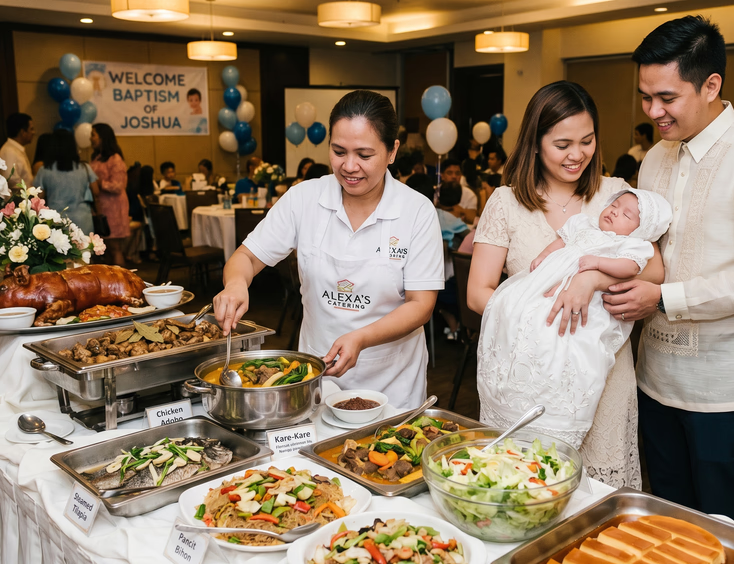
You called three caterers and the quotes came back wildly different. One charged six hundred pesos per head and included nothing but the food. Another charged one thousand two hundred pesos per head with full styling, service staff, and a dessert station. A third sent a quote in a format you could not decode. You started wondering if you were comparing the same thing.
You probably were not. Filipino catering packages range across what they include, how they serve, and how they price. The same menu can cost six hundred pesos per head or two thousand depending on who is cooking it and what comes with it. This guide breaks down what a baptism catering package actually covers, what menu mix works for Filipino guests, and how to vet a caterer before signing.
What Catering Actually Covers at a Filipino Baptism
A Filipino catering package can stretch from food-only to full event execution. Most fall into one of three coverage tiers.
Food-only. The caterer prepares and delivers the food. You handle the venue, equipment, service staff, and cleanup. Cheapest option. Best for home receptions where you already have help.
Food plus basic service. The caterer brings the food, the serving equipment, and a small staff team to set up and serve. You still handle the venue setup, styling, and post-event cleanup of non-catering items.
Full-service catering. The caterer handles food, service staff, basic styling, table setup, and cleanup. Closest to a turnkey reception experience. Best for parents who want minimal coordination on the day.
Each tier carries different pricing. Confirm what you are buying before comparing quotes.
For the wider planning sequence around catering decisions, read how to plan a baptism in the Philippines: a step by step checklist for first time parents.
Realistic Per-Head Pricing for Filipino Baptism Catering
Catering rates fall into clear ranges based on coverage and quality.
Three hundred to six hundred pesos per head. Budget caterers, packed-tray providers, and small home-based teams. Usually food-only or food with limited service. Menus simpler. Service flow basic.
Six hundred to one thousand pesos per head. Mid-tier caterers serving most Filipino baptism budgets. Includes food, service staff, basic table setup, and standard buffet equipment. Most family events sit here.
One thousand to one thousand five hundred pesos per head. Premium caterers with stronger menus, refined service, and added styling inclusions. Often includes a styled buffet, dessert station, and uniformed staff.
One thousand five hundred to three thousand pesos per head. Hotel catering teams and luxury event caterers. Plated menus, polished service, and curated styling. Common for hotel function rooms and larger styled receptions.
For the full budget picture across all baptism line items, read how much does a baptism cost in the Philippines: a realistic budget breakdown.
What Most Catering Packages Include
A standard Filipino baptism catering package usually covers a consistent core.
The food. Set menu or buffet, scaled to the guest count. Most packages include three to five mains, a soup or appetizer, rice, pasta or noodles, vegetables, and a dessert.
Service staff. Waiters, busboys, a chef on-site, and a function coordinator. Most packages include one waiter per ten to twelve guests.
Basic tableware. Plates, glasses, utensils, and napkins. Standard caterers use plastic-ware. Premium caterers use real plates, stainless utensils, and proper glassware.
Buffet equipment. Chafing dishes, serving spoons, drink dispensers, and a buffet table setup.
Buffet styling. Most caterers provide basic linens for the buffet table. Premium caterers add styled signage, decorative pieces, and themed accents.
Free flowing drinks. Most packages include iced tea, juice, or basic soft drinks.
Standard ingress and egress. The caterer arrives, sets up, serves, and cleans the food-related portion. Usually two hours of setup, three to four hours of service, and one hour of egress.

What Catering Packages Often Leave Out
A few common omissions trip up first-time parents.
Tables and chairs. Most caterers do not provide guest tables and chairs. You rent these separately or use what the venue provides.
Venue styling beyond the buffet. Centerpieces, themed decor, signage, and full event styling are usually separate.
The cake. Baptism cakes come from a separate baker. Some caterers offer a cake as an add-on, but the design quality is usually limited.
Souvenirs and giveaways. Always sourced separately.
A coordinator beyond the catering function head. The caterer handles food flow. A full event coordinator handles the entire program.
Specialty drinks. Beer, wine, or cocktails are often add-ons. Some venues prohibit outside alcohol.
Kiddie meal options. Some caterers include kiddie portions automatically. Others charge per kiddie meal.
Allergen-friendly substitutions. Vegetarian, gluten-free, or low-sodium options are usually special requests.
VAT and service charge. Some quoted rates exclude these. Add up to twenty-two percent for the full picture.
Menu Mix That Works for Filipino Baptism Crowds
Filipino guest lists span three to four generations. The menu should hold up across that range.
A practical baptism menu structure.
A soup or appetizer. Light cream of corn, sinigang, miso soup, or a small salad. Warms up the meal without overwhelming kids.
A pork main. Lechon, kare-kare, or slow-roasted pork loin. Older guests expect a traditional Filipino main.
A chicken main. Adobo, roasted chicken, or chicken galantina. Always safe.
A seafood main. Steamed fish, baked salmon, shrimp dish, or fish fillet. Lighter alternative for older relatives and kids.
A pasta or noodle dish. Spaghetti, pancit, or carbonara. Filipino guests expect a carb-heavy option beyond rice.
A vegetable dish. Chopsuey, pinakbet, or a green salad. Provides balance.
Rice. Steamed white rice, garlic rice, or both.
A dessert. Buko salad, leche flan, fruit salad, or assorted Filipino desserts. The main baptism cake stands separately as the centerpiece.
A drink station. Iced tea, juice, or assorted soft drinks. Many families add coffee for older guests.
For pairing the catering menu with a strong baptism cake, read baptism cake designs and where to order in the Philippines.
Theme-Based Menu Adjustments
A few practical menu adjustments make a baptism feel more curated.
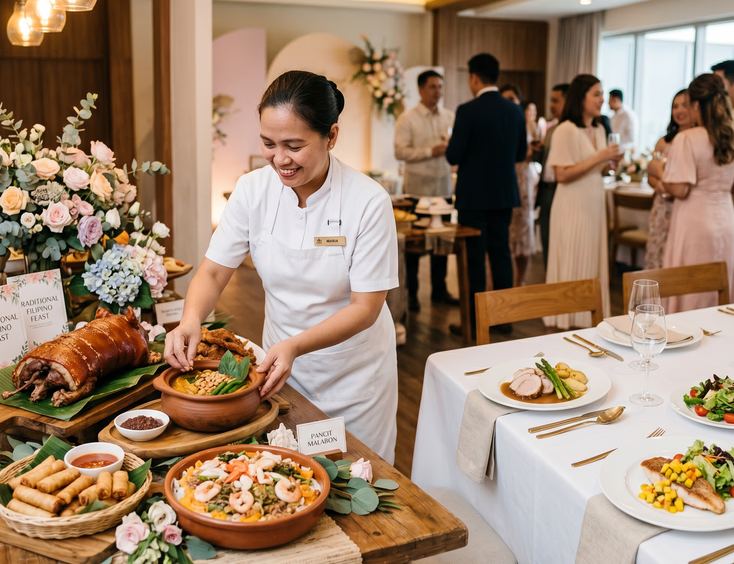
For a Filipino traditional theme. Lean on lechon, kare-kare, lumpiang shanghai, pancit malabon, and traditional desserts like bibingka or puto.
For a modern minimalist theme. Lean on clean plated menus. Roast pork loin. Lemon herb chicken. Grilled fish. A simple pasta. A fresh salad. Cleaner presentation across the buffet.
For a kid-friendly theme. Add a kiddie corner with hotdogs, French fries, mac and cheese, fish nuggets, and small cupcakes. Most caterers offer kiddie corners as an add-on.
For a daytime garden reception. Lean on lighter dishes. Grilled meats, fresh salads, light pasta, and chilled desserts hold up better in heat.
For an evening hotel reception. Plated multi-course menus work. Soup, salad, main, dessert.
For more theme alignment, read popular baptism themes for Filipino babies: boys and girls edition.
Buffet, Plated, or Family-Style Service
Three service formats dominate Filipino baptism catering. Each carries tradeoffs.
Buffet service. Guests serve themselves from a styled buffet table. The most common format for Filipino baptisms. Allows for more dish variety. Lower per-head cost. Risk of bottlenecks during peak serving moments. Most caterers handle the buffet flow well for under one hundred guests.
Plated service. Servers bring each dish to seated guests. More refined. Better suited to formal venues. Higher per-head cost. Slower service for larger groups. Best for hotel function rooms and fine dining setups.
Family-style service. Large serving dishes placed at each table. Guests pass food among themselves. Warmer, more intimate feel. Works for smaller baptisms or themed receptions with traditional Filipino flair. Less common but rising in popularity.
A few caterers offer hybrid setups. A plated soup or appetizer followed by a buffet main. A family-style starter followed by a plated main. Discuss options during your consultation.
Stations and Buffet Extensions
Beyond the standard buffet, many caterers offer specialty stations.
A lechon station. A whole lechon carved on-site by a uniformed chef. Adds drama to the buffet and often becomes a photo backdrop.
A pasta station. Pasta cooked to order with sauce options selected by each guest. Adds interactivity to the meal.
A noodle station. Pancit, ramen, or laksa stations served hot. Popular with kids and older guests.
A dessert station. A separate dessert area beyond the main cake. Includes leche flan, fruits, mini cakes, and pastries.
A coffee and tea station. Especially appreciated by older guests during longer receptions.
A drink station with mocktails. Adds a festive touch without adding alcohol costs.
Each station adds between three thousand and fifteen thousand pesos depending on the caterer and the inclusions.
How to Vet a Filipino Baptism Caterer
A few practical signs separate strong caterers from weak ones.
Consistent food quality across past events. Look for caterers with multiple visible reviews, photos of actual served events, and clear menu samples.
Strong logistical reliability. Filipino baptism catering depends heavily on on-time delivery and setup. A caterer who has handled fifty similar events handles your day with less risk.
Clean food handling and presentation. Buffet tables should look polished. Equipment should be clean. Servers should be in proper uniform.
Strong client communication. Caterers who respond clearly, ask the right questions about your event, and send full inclusions lists usually deliver smoother experiences.
Realistic capacity. Avoid caterers who book multiple large events on the same day. A divided team often shows up underprepared.
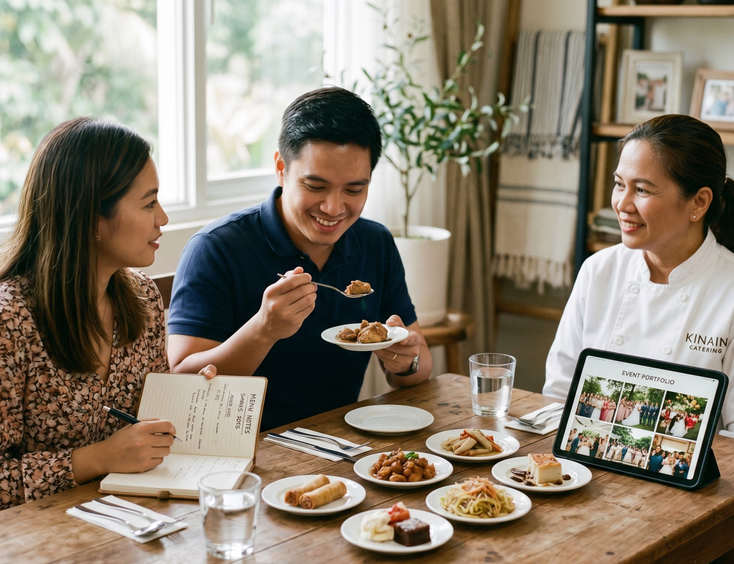
Tasting sessions. Premium caterers offer free or low-cost tastings for clients before signing. Worth attending if the option exists.
Documented allergen and dietary handling. A strong caterer can confidently handle vegetarian, gluten-free, or other dietary requirements without confusion.
For coordination across all your event vendors, read how to plan a baptism in the Philippines: a step by step checklist for first time parents.
Questions to Ask Before Signing a Catering Contract
A direct list to bring into your consultation.
How many baptism events have you catered?
Can I see photos and menus from recent events?
What does the per-head rate include? Get a written list.
How many waiters are assigned per guest count?
Do you provide tables, chairs, and table linens for guest seating? Most caterers do not, but some do for an extra fee.
What is the minimum spend or minimum guest count guarantee?
What add-ons are available? Stations, kiddie meals, drinks, dessert tables.
What is the corkage fee for outside alcohol?
How many hours of service are included? What is the overtime rate?
What is your ingress and egress timeline?
What is your payment schedule and cancellation policy?
What happens if a key staff member cannot show up?
Do you carry food safety and event liability insurance?
What is your backup plan for last-minute equipment or food issues?
Do you offer free tastings? When can I schedule one?
How far in advance do you need the final headcount and menu lock-in?
Coordinating With the Venue
Some venues restrict outside caterers. Hotels, restaurants, and some events spaces require in-house catering or charge corkage fees for outside food. Confirm before signing both the venue and the caterer.
If your venue allows outside catering, confirm the following with the venue:
Available kitchen access for the caterer.
Power outlets for warming stations or coffee equipment.
Water access for cleaning and food prep.
Loading and ingress areas for catering trucks.
Timing windows for caterer setup and cleanup.
Restrictions on smoke, fire, or open-flame stations.
For full venue coordination, read best baptism reception venues in Metro Manila for intimate celebrations and affordable baptism venues in the Philippines for budget conscious families.
If you are booking a restaurant package, catering is usually bundled. For details, read restaurant baptism packages in the Philippines: what to look for.
Handling the Headcount
Filipino baptism guest counts shift more than parents expect. A few practical tips.
Order food for ten percent more guests than confirmed. Filipino RSVPs are often loose, and surprise guests are common.
Lock the final headcount with the caterer one to two weeks before the event.
Confirm whether the caterer charges based on guaranteed minimum or actual headcount. Most caterers bill on the minimum, regardless of who actually attends.
Pack-away protocols matter. Strong caterers neatly pack remaining food for the family at the end of the event. Filipino tradition expects baon for guests to bring home.
A Practical Catering Timeline
When to handle each catering decision.
Three months before the baptism, shortlist caterers and request quotes.
Two months before, attend tastings and finalize the menu.
Six weeks before, sign the contract and pay the reservation fee.
Three weeks before, confirm final menu, headcount, and additional stations.
One week before, confirm final headcount, delivery time, and contact details for the day-of point person.
The day of, designate a family member or coordinator to greet the caterer at ingress and confirm setup.
The Real Job of the Caterer
The caterer holds the longest stretch of your reception. The food keeps your guests at the venue. Strong service keeps the flow smooth. A caterer who fails creates ripple effects across the rest of the day.
Pick a caterer with a strong track record, clear communication, and a menu that fits your guests. Pay the reservation fee. Confirm the details. Then trust them to handle the part of the day that everyone will judge with the simplest question. Did the food taste good?
For the wider supplier picture, read the complete Filipino baptism guide: everything parents need to know for a meaningful celebration.
For coordinating catering with cake, dessert tables, and styled buffet areas, read baptism cake designs and where to order in the Philippines and minimalist baptism styling ideas for modern Filipino parents.
Filipinos love to eat. Make sure they leave full.
Still Searching for a Right Match?
Find Your Perfect Wedding Supplier Today!
Discover trusted wedding suppliers across the Philippines in our complete directory. Compare services and connect with the ones that fit your dream celebration.
Browse Wedding SuppliersFeatured Blog Posts

Filipino Wedding Entourage - Roles, Order of March, and Modern Etiquette
6 mins readCivil Weddings in the Philippines - Requirements, Costs, and Step-by-Step Process
9 mins readCivil Wedding Requirements in the Philippines - Complete Checklist
6 mins readCost of Wedding in the Philippines - 5 Essential Things You Need to Know
7 mins readPrincipal Sponsors (Ninong/Ninang) - How Many, How to Ask, What They Really Do
4 mins readVeil, Cord, Candle & Coins - Roles, Options, and When They Happen
4 mins readEntourage for a Traditional Pinoy Wedding - Complete Roles and Guide
6 mins readComplete List of Civil Wedding Requirements in the Philippines
8 mins readHow to Choose Wedding Ninongs and Ninangs - Ask Yourself These 3 Important Questions
5 mins read