


Baptism Outfit Ideas for Baby Boys and Baby Girls in the Philippines
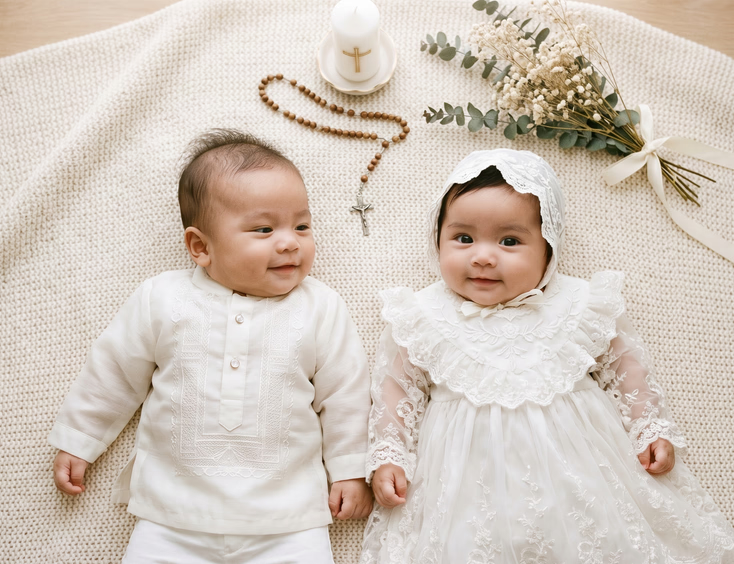
You opened a baby boutique website and the gowns blurred together. Lace. Satin. Embroidered cotton. Layered tulle. Heirloom-style christening dresses. Modern barong sets. Some looked beautiful in photos but felt impractical for a humid afternoon in a Manila church. Others looked simple online and arrived stiff and itchy. You started wondering what your baby would actually wear without crying through the ceremony.
A baptism outfit needs to do two things. Look beautiful in the photos. Keep your baby comfortable during a thirty-minute ceremony and a long reception. This guide walks you through outfit directions for baby boys and baby girls, fabric considerations for Filipino weather, sizing realities for infants, and how to choose pieces that survive the actual day without falling apart.
What a Baptism Outfit Actually Needs to Do
A baptism outfit carries three jobs.
It honors the sacrament. Tradition leans white. The white garment in Catholic baptism symbolizes the new life the child enters at baptism. Most parishes expect it, though few will refuse a baby in soft pastel.
It photographs well. The outfit shows up in family portraits for decades. Quality fabric, clean tailoring, and a flattering fit matter more than elaborate detail.
It keeps the baby comfortable. Babies do not tolerate hot, scratchy, or restrictive clothing. A beautiful outfit that triggers a meltdown halfway through the ceremony is the wrong outfit.
Build the outfit decision around these three jobs in that order, then add personal preferences after.
For the wider planning context, read how to plan a baptism in the Philippines: a step by step checklist for first time parents.
Fabric Considerations for Filipino Weather
Filipino churches get warm. Some have air conditioning. Many do not. Outdoor receptions during summer or rainy season add heat or humidity. The fabric matters more than the design.
A few practical fabric choices.
Cotton. The most breathable option. Soft cotton blends work for both baby boys and girls. Easy to wash. Holds up across a long day.
Linen. Breathable and slightly textured. Photographs beautifully. Wrinkles easily, which can read as either casual or sloppy depending on the cut.
Silk and silk blends. Smooth, lightweight, and luxurious. Best for short ceremonies and air-conditioned venues. Less forgiving on the baby's skin.
Satin. Common in traditional christening gowns. Smooth and elegant in photos. Can feel warm in non-air-conditioned settings.
Tulle and organza. Used as overlays on christening gowns. Light and airy in appearance. Can be scratchy without a cotton lining.
Lace. Used as detailing on christening gowns. Beautiful but often layered over other fabrics that affect breathability.
Polyester blends. Avoid as the primary fabric. Holds heat and can irritate sensitive skin.
A practical rule. The closer the fabric sits to the baby's skin, the more breathable it should be. Cotton or silk linings save the day for outfits with heavier outer fabrics.
Outfit Ideas for Baby Boys
A few directions consistently work for baby boy baptisms.
The classic barong tagalog set. A miniature barong tagalog paired with white pants. Often made of soft pineapple-fiber blends or cotton-blend fabrics suited for infants. The traditional Filipino choice. Pairs naturally with a baptism celebration anchored in cultural identity.
White suit with shorts. A small white blazer or vest paired with white shorts and a button-down shirt. A clean, modern alternative to the barong. Works well for daytime garden receptions.
White christening gown for baby boys. Some Filipino families use gowns for both boys and girls during the church ceremony, then change the baby boy into a barong or suit for the reception. The two-outfit approach honors tradition while allowing flexibility.
Soft white cotton romper. A simple, breathable choice for parents leaning toward minimalism. Pairs well with minimalist styling. Comfortable for the baby.
White vest and pants set. A small white vest worn over a cotton button-down with matching pants. A middle ground between formal and casual.
Heirloom-style christening outfit. Often a long white gown or formal suit passed down through the family. Carries strong tradition and emotional weight.
Modern off-white linen set. Soft linen romper, trousers, or short suit in cream or ivory. Photographs naturally and feels relaxed.
For matching outfits to your broader theme, read popular baptism themes for Filipino babies: boys and girls edition.
Outfit Ideas for Baby Girls
A few directions consistently work for baby girl baptisms.
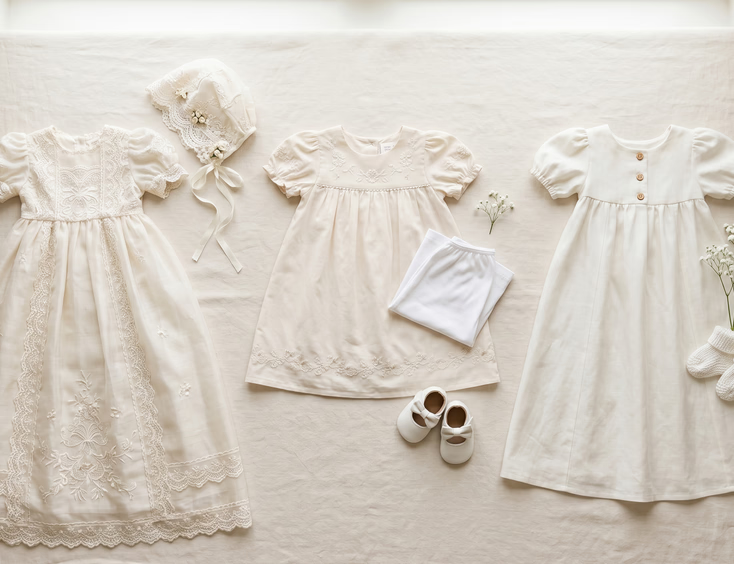
The classic christening gown. Long white gown often layered with lace, embroidery, or tulle. The traditional choice. Pairs with a matching bonnet and small white booties.
Short christening dress. A shorter version of the traditional gown. Easier for the baby to move in. Works well for warmer venues and modern parents.
Lace and tulle dress. Detailed lace bodice with a soft tulle skirt. Photographs beautifully. Best for short ceremonies due to heat retention.
Heirloom-style gown. Often passed down across generations. Carries cultural and emotional weight. May require alterations to fit a modern baby comfortably.
Soft cotton dress with embroidered detailing. A breathable alternative to satin or tulle. Works for daytime baptisms in warm venues.
Modern minimalist gown. A simple white dress in cotton or linen. No layered tulle, no heavy lace. Pairs well with minimalist styling.
Pastel gown. Pale blush, ivory, or soft cream. Some Filipino families use a soft pastel as a subtle break from pure white, especially when matched to the broader baptism theme.
Two-piece outfit. A small top paired with a soft skirt. Works for older babies who may prefer freedom of movement over a long gown.
What Babies Should Wear Underneath
The undergarments matter as much as the outer outfit.
Soft cotton onesie or undershirt. Provides a comfortable base layer. Prevents itching from lace, tulle, or satin overlays.
Comfortable diaper with a slight buffer. Babies often go through a long ceremony and reception. Choose a diaper with good absorption.
Soft cotton socks or booties. Easy to slip on and off. Avoid tight elastic.
For christening gowns, consider a soft cotton slip lining underneath. Some heirloom gowns lack lining and feel scratchy against the baby's skin.
Bonnets, Booties, and Small Accessories
Small accessories complete the outfit without overwhelming it.
A simple white bonnet. Traditional for both boys and girls. Adds a soft frame around the baby's face in photos. Useful for cooler church interiors.
A small christening cap. Often included with traditional christening gowns. More fitted than a loose bonnet.
White booties or soft baby shoes. Skip hard-soled shoes. Babies do not need them at this age.
A small white sash or ribbon. Adds a soft accent. Common in girl gowns.
A small cross or rosary. Often kept nearby as a meaningful prop in family photos.
A baptismal candle ribbon. The white ribbon or fabric that wraps the baptismal candle. Often coordinated with the outfit.
Avoid heavy headpieces, oversized bows, or decorative pieces that block the baby's face in photos.
Sizing and Fit for Infants
A few sizing realities catch first-time parents off guard.
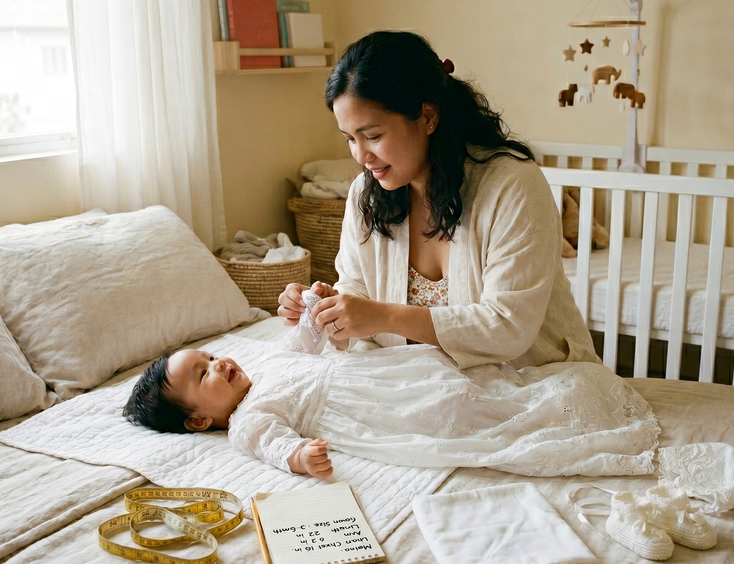
Buy or rent the outfit closer to the baptism date. Babies grow fast. An outfit purchased months ahead may not fit on the day.
Size up if in doubt. A slightly loose outfit photographs better than one that is tight or restrictive.
Try the outfit on the baby at least one week before the baptism. Some babies tolerate it well. Some scream the moment it touches them. The trial run gives you time to make changes.
Check for fasteners and closures. Buttons in the back, snap closures, and zippers should be smooth and easy. A complicated outfit becomes a problem when the baby needs a quick diaper change at the church.
Account for layering. Bonnets, undershirts, and slips add bulk. Try the full outfit together, not just the outer piece.
Confirm the fit allows for natural movement. Babies kick, stretch, and squirm. A rigid outfit limits photo opportunities.
For sourcing direction, read where to buy or rent baptism gowns and suits in the Philippines.
Parent and Family Coordination
The parents' outfits and the immediate family's coordination shape the family portrait significantly.
A few practical approaches.
Coordinated neutrals. The mother in soft cream or beige. The father in a barong or ivory polo. The baby in white. Soft, modern, and photo-friendly.
Color story coordination. The whole family in pastels with each member in a slightly different shade. Adds warmth without forcing identical outfits.
Classic mother-and-father formal. The mother in a structured dress. The father in a barong tagalog or white suit. The baby in a traditional white outfit.
For parents leaning modern, the dress code often pairs minimalism with the baby's outfit. For parents leaning traditional, formal wear and matching colors complete the family photo set.
For matching styling and dress code, read minimalist baptism styling ideas for modern Filipino parents.
What Godparents Should Wear
Godparents should dress to coordinate with the family without overshadowing them. A few guidelines.
Avoid pure white. White is reserved for the baby. Godparents in white can compete with the photos.
Lean toward soft neutrals. Cream, beige, sage, ivory, or pastel tones photograph well.
Avoid bright statement colors and busy prints. They distract from the baby in group photos.
Match the venue's formality. A hotel reception calls for slightly more formal dress. A garden reception allows for lighter, breezier choices.
For godfather sponsors, a barong tagalog, a long-sleeved button-down, or a clean polo with slacks works.
For godmother sponsors, a modest dress in soft tones, a coordinated blouse and skirt, or a Filipiniana with neutral palette work.
Brief the godparents early. Most Filipino godparents appreciate a clear dress code message a few weeks before the baptism. Pair it with the broader family dress code direction.
For coordinating the godparents' broader role, read ninong and ninang duties: responsibilities beyond the baptism day and how to choose ninong and ninang: a Filipino parent's guide.
Outfits That Survive the Whole Day
A baptism day stretches long. The baby wears the outfit through the ceremony, the family photos, the reception, and often parts of the long ride home. A few practical tips help.
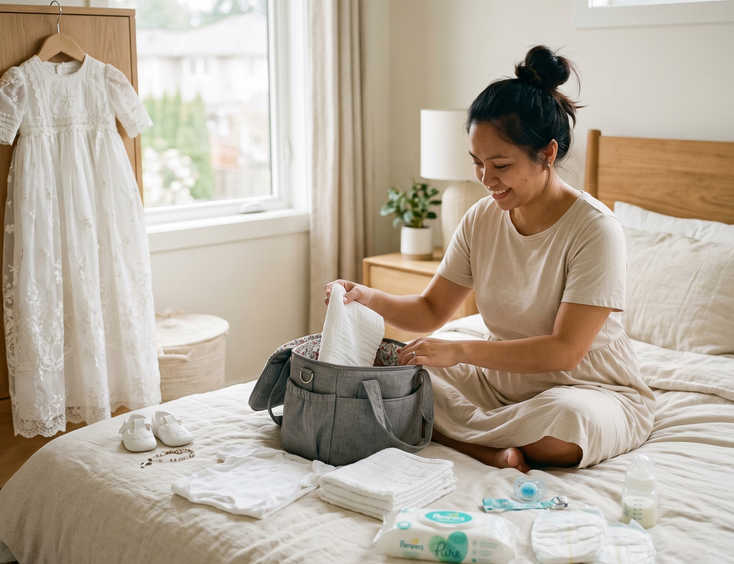
Bring a backup outfit. A clean white onesie or change of clothes saves you when the baby gets spit-up, milk, or a diaper accident on the main outfit.
Bring a soft burp cloth that matches the outfit's color palette. Discreet and useful for photos.
Pack a small bag of essentials. Wipes, a small towel, a backup diaper, and a pacifier.
Plan for an outfit change. Many Filipino families dress the baby in the formal christening gown or barong for the church ceremony and family photos, then change into a more comfortable matching outfit for the reception.
Avoid synthetic stain treatments. Many treatments irritate sensitive skin.
How Much Baptism Outfits Cost in the Philippines
Pricing ranges widely based on quality and customization.
A budget cotton or simple satin baby outfit costs between one thousand and three thousand pesos. Suitable for casual baptisms or families on tight budgets.
A mid-range traditional christening gown or barong set costs between three thousand and seven thousand pesos. The most common range for Filipino families.
A premium custom-made christening gown, barong suit, or heirloom-style piece costs between eight thousand and twenty thousand pesos. Suited to families investing in a keepsake outfit.
A designer-made outfit can pass twenty-five thousand pesos. Best for families committed to a specific designer or working with custom pieces.
Rental options usually cost between one thousand and four thousand pesos, including a custom fitting in some cases.
For the full budget picture, read how much does a baptism cost in the Philippines: a realistic budget breakdown.
How to Care for the Outfit After
The baptism outfit often becomes a keepsake. A few care tips help preserve it.
Wash by hand or use a delicate machine cycle with cold water.
Use mild detergent without harsh chemicals or bleach.
Air-dry the outfit. Avoid the dryer.
Store the outfit in a breathable cotton bag or wrap in acid-free tissue paper. Skip plastic storage.
Some Filipino families preserve the outfit professionally. Wedding-style preservation services can box, fold, and seal the outfit for long-term storage.
Heirloom outfits often go through generations. If you plan to pass the outfit down, professional preservation is worth the cost.
A Practical Outfit Timeline
When to handle each outfit decision.
Two and a half months before the baptism, finalize the outfit direction.
Two months before, shop, custom-order, or arrange a rental.
Six weeks before, schedule a fitting. Sizing adjustments may be needed.
Three weeks before, do a trial run. Dress the baby in the full outfit and watch for fit, comfort, or fastener issues.
One week before, wash the outfit gently. Press if needed.
The day of, dress the baby thirty to forty-five minutes before leaving for the church. Account for diaper changes and feeding.
For the full planning sequence, read how to plan a baptism in the Philippines: a step by step checklist for first time parents.
The Real Job of the Outfit
The outfit will be in every photo of the day. Decades later, your child will see the outfit and trace the lines of the lace, the cut of the barong, the softness of the cotton. The outfit will mean something to them.
Pick a piece that fits your baby, your venue, and your family's taste. Lean toward comfort. Lean toward fabric that breathes. Lean toward simplicity if you are unsure. The day will hold its meaning whether the outfit is a five-thousand-peso barong from a Manila boutique or an heirloom gown passed down from a great-grandmother.
For the wider supplier picture across all baptism vendors, read the complete Filipino baptism guide: everything parents need to know for a meaningful celebration.
For shopping and rental sourcing across the Philippines, read where to buy or rent baptism gowns and suits in the Philippines.
Pick the outfit. Try it on the baby. Make sure it fits. Then trust it to do its small part of the day while your family does the rest.
Still Searching for a Right Match?
Find Your Perfect Wedding Supplier Today!
Discover trusted wedding suppliers across the Philippines in our complete directory. Compare services and connect with the ones that fit your dream celebration.
Browse Wedding SuppliersFeatured Blog Posts


Filipino Wedding Entourage - Roles, Order of March, and Modern Etiquette
6 mins readCivil Weddings in the Philippines - Requirements, Costs, and Step-by-Step Process
9 mins readCivil Wedding Requirements in the Philippines - Complete Checklist
6 mins readCost of Wedding in the Philippines - 5 Essential Things You Need to Know
7 mins readPrincipal Sponsors (Ninong/Ninang) - How Many, How to Ask, What They Really Do
4 mins readVeil, Cord, Candle & Coins - Roles, Options, and When They Happen
4 mins readEntourage for a Traditional Pinoy Wedding - Complete Roles and Guide
6 mins readComplete List of Civil Wedding Requirements in the Philippines
8 mins readHow to Choose Wedding Ninongs and Ninangs - Ask Yourself These 3 Important Questions
5 mins read