


Baptism Invitation Designs: Trends and Where to Order in the Philippines
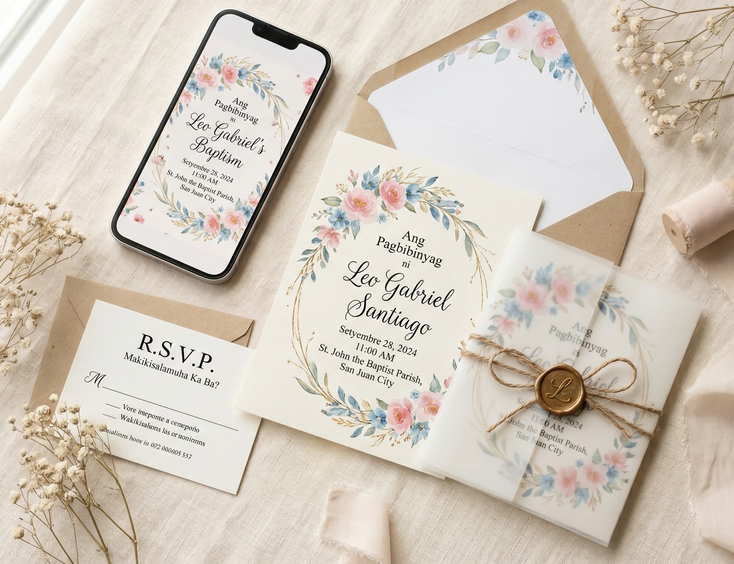
You opened a designer's portfolio and the invitations looked beautiful, but you could not tell which style fit your baby. Watercolor florals. Minimalist sans-serif. Religious crests. Animated digital cards. Each one felt right for a different family. None of them felt obviously yours.
A baptism invitation is the first thing guests see. It sets the tone for the celebration, signals the level of formality, and tells your guests what kind of event to expect. The right invitation matches your theme, your guest list, and your distribution plan. This guide walks you through current design directions, realistic pricing, where to order in the Philippines, and how to brief a designer without making the process harder than it needs to be.
What a Baptism Invitation Actually Does
An invitation carries three jobs.
It informs your guests. The date, the time, the church, the reception venue, and the RSVP details.
It sets the visual tone. The design tells guests whether to expect a formal hotel reception or a casual garden gathering.
It serves as the first keepsake. Some guests keep the invitation long after the baptism, especially grandparents and godparents.
The cost and effort you put into the invitation should match how much the second and third jobs matter to you. A simple digital invitation handles the first job at a fraction of the cost.
Digital, Printed, or Mixed
Three main invitation formats dominate Filipino baptisms.
Digital invitations. Sent via Viber, Messenger, Facebook, or email. Lower cost. Faster turnaround. Easier to update if details change. Most modern Filipino families use digital as their primary format. Static images or animated video designs both work.
Printed invitations. Physical cards delivered by hand or post. More traditional. Carry weight as a keepsake. Better for older relatives who appreciate physical cards. Higher cost and longer lead time.
Mixed format. Digital for younger relatives and friends. Printed cards for grandparents, godparents, and immediate family. The most practical approach for many Filipino families. Saves cost while honoring traditional expectations.
The right format depends on your guest list and your budget. A small intimate baptism may not need printed invitations at all. A larger celebration with three generations of family often benefits from a mixed format.
For the wider planning view that anchors invitation timing, read how to plan a baptism in the Philippines: a step by step checklist for first time parents.
Realistic Pricing for Filipino Baptism Invitations
Pricing varies by format and customization level.
Digital invitations. Static designs cost between five hundred and three thousand pesos for a custom design. Animated digital invitations with motion graphics, music, and short video clips cost between two thousand and seven thousand pesos.
Printed invitations. Per-piece pricing usually runs between forty and one hundred fifty pesos for standard designs. Premium printed invitations with foiling, embossing, custom envelopes, or specialty paper can pass two hundred fifty pesos per piece.
Designer printed invitations. High-end studios charge between three hundred and eight hundred pesos per piece, often with full suite packages including envelopes, liners, RSVP cards, and belly bands.
Most Filipino families order ten to twenty percent more printed invitations than the guest count to cover surprise additions and physical keepsakes for the parents.
For the full budget breakdown, read how much does a baptism cost in the Philippines: a realistic budget breakdown.
Design Directions That Work for Filipino Baptisms
A few design directions consistently work for baptism invitations.
Minimalist typography. Clean fonts, neutral backgrounds, and a single accent color. Often paired with a small religious motif like a cross, a dove, or a sprig of greenery. Works for modern parents who prefer understated styling.
Watercolor florals. Soft hand-painted florals layered over neutral backgrounds. Romantic, organic, and warm. The most popular direction for Filipino baptism invitations over the past several years.
Religious motifs. Crosses, angels, doves, open Bibles, and rosaries integrated into the design. The traditional direction that aligns naturally with the sacrament. Works for families anchoring the celebration in faith.
Boho and dried floral. Pampas grass, dried palms, and earthy tones. Best for outdoor and rustic-themed celebrations.
Botanical greenery. Eucalyptus, olive branches, ferns, or palm leaves. Clean, natural, and gender-neutral.
Pastel watercolor washes. Soft color washes paired with simple typography. Calming and neutral.
Custom illustrated designs. Custom watercolor portraits of the baby, family, or theme elements. Highest cost but most personal.
Geometric and modern. Hexagonal cards, asymmetric layouts, marble textures, gold foil accents. The newest direction for modern Manila baptisms.
Themed designs. Invitations built around the baptism theme. Little prince crowns. Woodland animals. Sleeping bears. Cloud and angel motifs. Works for parents committed to a specific theme.
For matching invitations to your overall theme, read popular baptism themes for Filipino babies: boys and girls edition. For pared-back styling that pairs with minimalist invitations, read minimalist baptism styling ideas for modern Filipino parents.
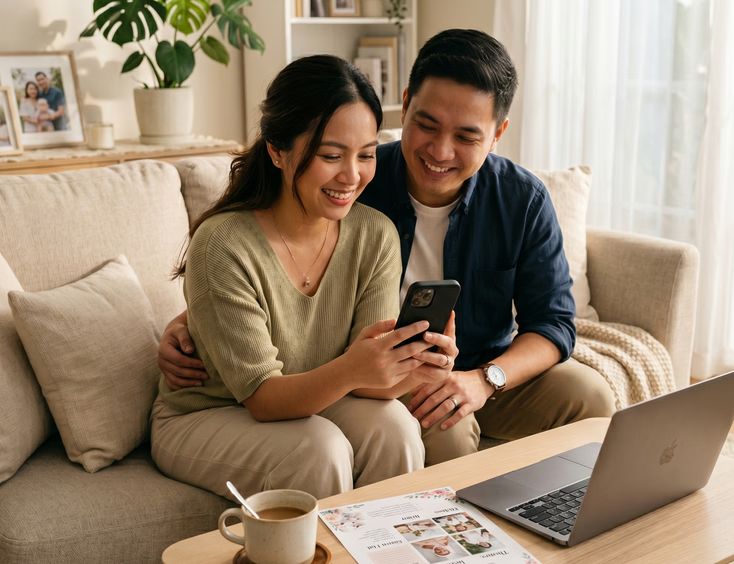
Animated Digital Invitations
Animated digital invitations have grown popular among Filipino families. Most include a thirty-second to one-minute video with motion graphics, music, and animated text.
A few formats work well.
Photo-based animated cards. The designer uses your photos of the baby and family, layering them with text and motion graphics. Personal and warm.
Illustrated animated cards. Hand-drawn illustrations animated with simple motion. Often paired with a custom musical track.
Save-the-date video clips. Short cinematic clips, sometimes shot specifically for the invitation, paired with text overlays. Closer to a wedding-style save-the-date.
Mixed media cards. Photos, illustrations, and motion text combined into a stylized short video.
Animated invitations cost more than static ones but distribute the same way. Most designers send the file as an MP4 or MOV that you can forward through any messaging app.
Printed Invitation Specifications
A few practical specifications shape how a printed invitation feels.
Paper stock. Standard cardstock costs less. Specialty papers like cotton, textured, or pearl finishes add to the price. The paper carries more weight in the keepsake feeling than the design itself.
Printing technique. Digital printing is the standard and most affordable. Letterpress, foiling, embossing, and thermography add cost but elevate the perceived quality.
Size and shape. Standard invitations measure four by six inches or five by seven inches. Custom sizes, die-cut shapes, or square formats cost more.
Envelope styling. Plain envelopes come standard. Belly bands, custom envelope liners, vellum overlays, and wax seals add layers and cost.
RSVP details. Some families include an RSVP card. Most modern Filipino families use a digital RSVP link via QR code or Viber group instead.
For coordinating invitations with souvenir styling and broader event decor, read baptism souvenirs and giveaways: trendy and meaningful ideas.
What to Include on a Baptism Invitation
A standard Filipino baptism invitation carries a consistent set of details.
The baby's full name.
The names of the parents.
The date of the baptism.
The time of the ceremony.
The church name and address.
The reception venue name and address.
The reception time, often noted as starting after the ceremony.
The names of the principal godparents or all godparents, depending on family preference.
RSVP details. A name, a phone number, a Viber link, a QR code, or an email.
A short prayer, Bible verse, or family message. Optional but common.
A dress code, if you have one.
Theme cues. Some invitations include subtle theme cues so guests know what to expect.
Photos of the baby. Optional. More common in digital invitations than printed ones.
Keep the design focused. Too much text crowds the layout. The cleanest invitations carry only what guests need.
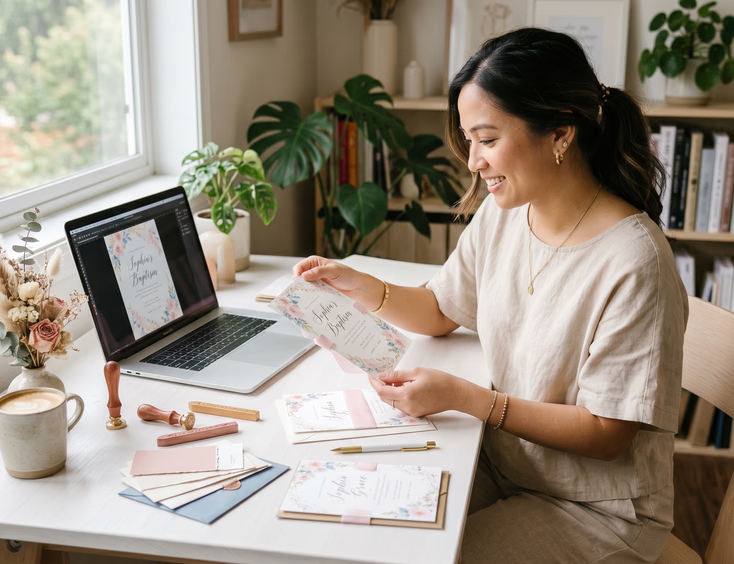
Where to Order Filipino Baptism Invitations
The Filipino invitation supplier scene spans freelance designers, established studios, and large print suppliers. Each tier comes with tradeoffs.
Freelance designers. Often the most personalized option for custom designs. Many work through Instagram, Facebook, or referrals. Pricing usually runs between five hundred and three thousand pesos for digital designs. Strong freelancers show consistent portfolios and respond quickly to messages.
Established invitation studios. Mid-size studios with full design and print capabilities. Higher prices, usually between three thousand and ten thousand pesos for full suite designs. More reliable on bulk printing, customization, and delivery.
Premium designers. High-profile invitation designers and wedding stationery brands. Prices often pass eight thousand pesos for full suites. Best for parents committed to a specific designer aesthetic.
Online template suppliers. Sites like Canva, Etsy, and various Shopee shops offer affordable invitation templates that you can personalize yourself. Lowest cost. Limited customization. Best for parents comfortable with basic design tools.
Mass print shops. Local print shops can produce printed invitations from your provided design. Best for parents who already have a designer or template and only need printing. Pricing usually runs between ten and seventy pesos per piece depending on paper and finish.
For coordinating with other event suppliers, read how to plan a baptism in the Philippines: a step by step checklist for first time parents.
How to Vet an Invitation Designer
A few practical signs separate strong designers from weak ones.
A consistent portfolio. Look at the designer's last twenty designs, not just curated highlights. Strong designers show consistent typography, layout, and finishing across their work.
Clear pricing. Strong designers send a written quote breaking down the design, customization, printing, and delivery costs.
Realistic lead times. Most designers need two to four weeks for custom digital designs and four to six weeks for printed invitations. Designers offering rushed timelines without explanation often deliver weaker quality.
Strong client communication. Designers who respond clearly, ask the right questions about your event, and share progress proofs usually deliver smoother experiences.
Sample availability. Strong studios offer printed samples for a small fee. Worth ordering before bulk printing.
A clear revision policy. Most designers include two to three rounds of revisions. Additional revisions usually cost extra. Confirm the policy before booking.
Print quality control. Ask how the designer handles misprints, color issues, or damaged invitations. Reputable suppliers replace defective pieces at no extra charge.
Questions to Ask Before Booking a Designer
A direct list to bring into your designer conversation.
How many baptism invitations have you designed?
Can I see your full portfolio?
What does the price include? Design, printing, envelopes, delivery.
How many revisions are included?
What is the lead time from order confirmation to delivery?
Do you offer animated digital invitations? What is the typical length and format?
Can I see a printed sample before bulk printing?
What is the minimum order quantity for printed invitations?
What is your payment schedule and cancellation policy?
What happens if there is a misprint or color issue?
Do you handle delivery, or do I arrange pickup?
How do you accept design briefs and inspiration images?
For matching the invitation to your photographer's style and broader documentation, read baptism photographer and videographer guide: what to book and what to ask.
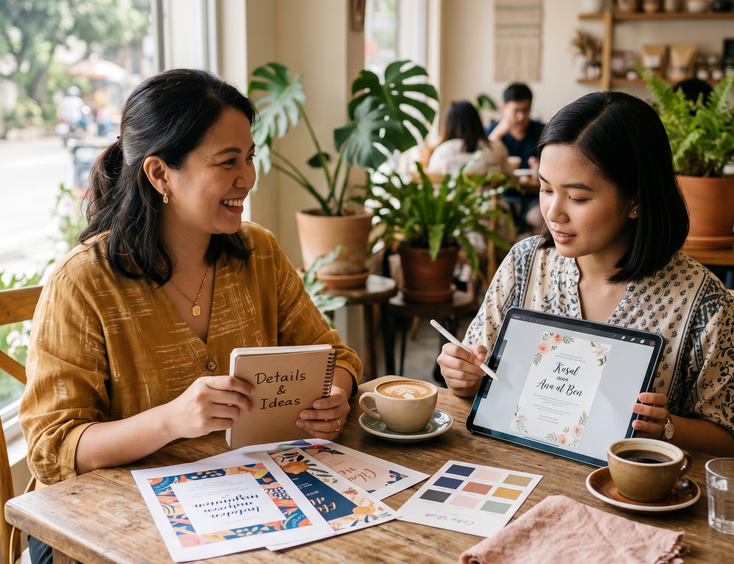
Briefing a Designer With Inspiration
A clean brief makes the difference between an invitation that matches your vision and one that misses.
Send three to five inspiration designs. Too many references confuse the design direction.
Note what you like about each. The color palette. The typography. A specific layout. Specificity helps the designer understand which elements to lift.
Share the baptism theme and color palette. If your theme is sage and white with greenery accents, say so.
Confirm the details to include. The baby's name, the parents' names, the date, the venues, the godparents' names if you want them. Send the exact spelling in writing to avoid errors.
Share photos of the baby if the design includes photography. Provide high-resolution images.
Confirm the format. Digital, printed, or both. If both, confirm whether the design should be slightly different for each format.
Confirm the typography. Send a sample font if you have a preference.
Confirm the quantity for printed invitations. Include a buffer for extras.
Distribution Strategy
A few practical details for sending invitations.
Send digital invitations six to eight weeks before the baptism. Earlier for guests who need to travel or arrange leave.
Send printed invitations four to six weeks before. Hand-deliver to immediate family and godparents when possible. Mail or courier the rest.
Include a clear RSVP method. A phone number, a Viber group, a QR code, or a Google Form. Make it easy.
Follow up with guests who do not RSVP. A short reminder one to two weeks before usually closes the gap.
Send a reminder closer to the date. A short message a few days before with the church address, the reception venue, and the call time helps guests prepare.
A Practical Invitation Timeline
When to handle each invitation decision.
Three months before the baptism, shortlist designers and review portfolios.
Two and a half months before, send your brief and request a design proposal.
Two months before, finalize the design and pay the reservation fee.
Six weeks before, approve the final design proof and begin printing if applicable.
Five to six weeks before, send digital invitations.
Four to five weeks before, distribute printed invitations.
Two weeks before, follow up on pending RSVPs.
One week before, send a reminder message with venue addresses and call times.
For the full week-by-week planning sequence, read how to plan a baptism in the Philippines: a step by step checklist for first time parents.
The Real Job of the Invitation
The invitation will be deleted from most phones within a week. A few guests will save it. Two or three will print it. Your parents and your child will keep it for life.
Pick a design that fits your family and works for the people you want to remember the day. The right invitation feels personal, holds up as a keepsake for the closest few, and sets the tone for everyone else.
For the wider supplier picture across your baptism vendors, read the complete Filipino baptism guide: everything parents need to know for a meaningful celebration.
Pick the designer who returns your messages, shows you a portfolio you trust, and gives you a quote you can read. Approve the design. Send the invitations. Then turn your attention to the rest of the planning while your guests start counting down to the day.
Still Searching for a Right Match?
Find Your Perfect Wedding Supplier Today!
Discover trusted wedding suppliers across the Philippines in our complete directory. Compare services and connect with the ones that fit your dream celebration.
Browse Wedding SuppliersFeatured Blog Posts

Filipino Wedding Entourage - Roles, Order of March, and Modern Etiquette
6 mins readCivil Weddings in the Philippines - Requirements, Costs, and Step-by-Step Process
9 mins readCivil Wedding Requirements in the Philippines - Complete Checklist
6 mins readCost of Wedding in the Philippines - 5 Essential Things You Need to Know
7 mins readPrincipal Sponsors (Ninong/Ninang) - How Many, How to Ask, What They Really Do
4 mins readVeil, Cord, Candle & Coins - Roles, Options, and When They Happen
4 mins readEntourage for a Traditional Pinoy Wedding - Complete Roles and Guide
6 mins readComplete List of Civil Wedding Requirements in the Philippines
8 mins readHow to Choose Wedding Ninongs and Ninangs - Ask Yourself These 3 Important Questions
5 mins read