


Non Religious Vow Renewal Ceremony Ideas in the Philippines
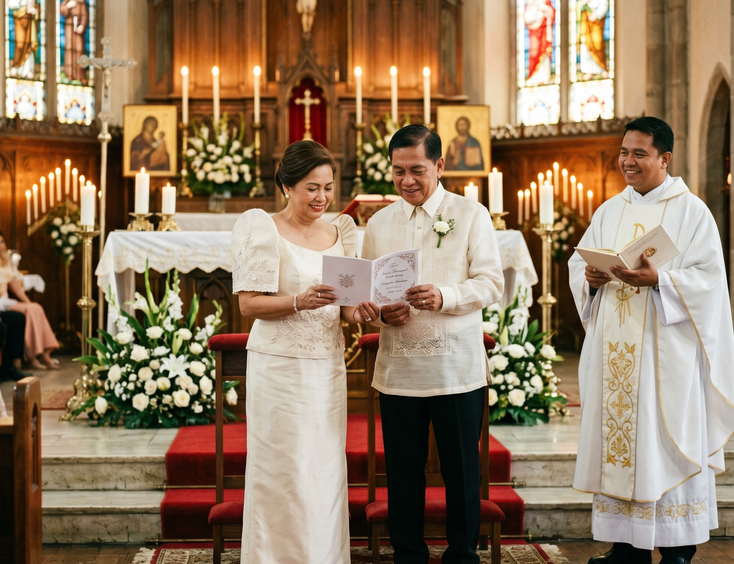
Not every Filipino couple wants a priest officiating their vow renewal. Some couples come from interfaith marriages where one partner is Catholic and the other is not. Others have moved away from organized religion over the years. Some simply want a ceremony that centers on the couple's relationship and family rather than a liturgical structure.
Non-religious vow renewals work in the Philippines. The ceremonies skip the Mass, the readings from scripture, and the priestly blessings. What replaces those elements depends on what the couple values and what story they want to tell.
This guide covers non-religious ceremony ideas, structures, and elements Filipino couples can use to build a renewal that fits their relationship without the religious framework.
Why Couples Choose a Non-Religious Renewal
A few reasons come up regularly in conversations with Filipino couples planning non-religious renewals.
The couple originally had a Catholic wedding to satisfy family expectations, and they want the renewal to reflect who they have become since then. The renewal becomes the ceremony they would have chosen the first time around.
Interfaith couples want a ceremony that honors both partners equally without privileging one tradition. A Catholic and a Protestant, a Filipino and a foreign spouse from a different religious background, or a couple where one partner identifies as agnostic.
The original wedding happened decades ago, and the couple feels distance from the church. The renewal lets them mark the marriage without returning to a religious framework that no longer fits.
The couple wants creative freedom. Non-religious ceremonies allow personal vows, unconventional music, family-led blessings, and a structure that fits the specific marriage rather than a standard rite.
For the broader picture of how vow renewals work across different formats, the complete Filipino couple's guide to renewing your I do covers the planning arc.
Picking an Officiant
Non-religious ceremonies need someone to lead the program. Filipino couples have a few options.
A civil officiant. Licensed civil officiants handle weddings and vow renewals outside religious settings. They follow a flexible format and adapt to the couple's preferences. The hiring an officiant for a non religious vow renewal in the Philippines covers how to find and brief one.
A close family member. Some Filipino couples ask a parent, a sibling, or a close cousin to officiate. The family role adds personal weight to the ceremony. Family officiants do not need legal authority for a vow renewal since the marriage already exists legally.
A close friend. Friends who walked with the couple through the years often make strong officiants. They know the couple's story and can speak with authenticity.
The couple themselves. Some couples skip the officiant entirely and lead the ceremony together. They share their reflection, exchange vows, and conclude the program on their own. The format suits intimate gatherings of under twenty guests.
A wedding coordinator or planner. Some Filipino wedding coordinators offer officiating services as part of their packages. The wedding coordinators in the Philippines who specialize in anniversary celebrations lists planners who handle vow renewals.
Sample Structure for a Non-Religious Ceremony
A non-religious renewal ceremony typically runs thirty to forty-five minutes. The structure stays flexible, with the couple shaping the order to fit their own preferences.
Welcome and opening. The officiant greets guests and opens the ceremony. The opening usually includes a brief story about the couple, how they met, and what the years have looked like.
Reading or reflection. A family member or close friend reads a poem, a song lyric, a passage from a book that matters to the couple, or a personal letter. Common choices include:
Pablo Neruda's love poems.
Maya Angelou's poems on long love.
Kahlil Gibran's "On Marriage" from The Prophet.
A passage from a Filipino author the couple admires.
A song lyric from a meaningful song.
A letter the couple's child wrote for the occasion.
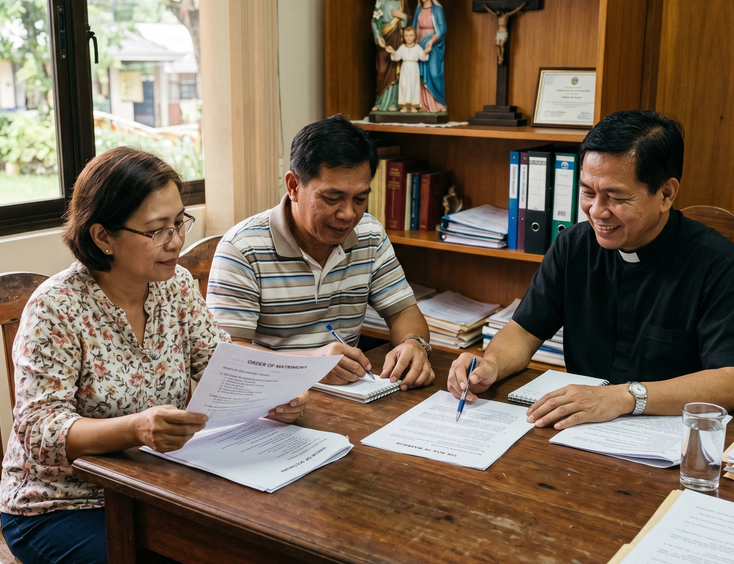
Reflection from the officiant. The officiant speaks for five to ten minutes about the couple's journey. The reflection draws from conversations the officiant had with the couple before the ceremony.
Couple's shared message to guests. The couple addresses the gathered family and friends together. They thank the people who stood with them through the years and share what they want guests to take away from the ceremony.
Exchange of renewed vows. The couple faces each other and exchanges vows. The how to write wedding vow renewal vows that capture years of marriage covers how to draft them.
Symbolic gesture. A ritual replaces the religious blessing. Options include lighting a unity candle, planting a tree together, exchanging new rings, or a sand-blending ceremony where the couple pours sand from two separate vessels into one.
Family blessing or words from a parent. The eldest living parent or grandparent offers a blessing or shares words for the couple. If no parents are present, a sibling, child, or close friend steps into the role.
Closing words from the officiant. The officiant pronounces the renewal and invites guests to the reception or the meal.
Recessional. Music plays as the couple exits.
For a more detailed breakdown of program timing, the wedding vow renewal order of ceremony covers sample programs across different ceremony formats.
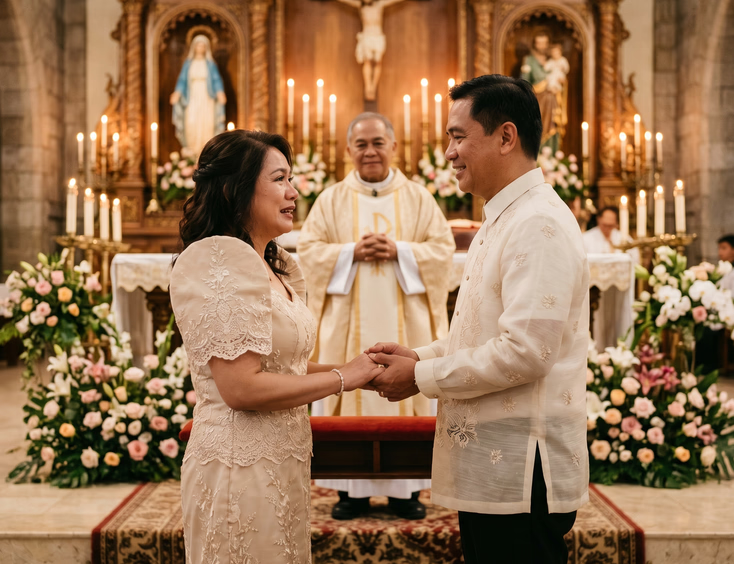
Symbolic Gestures That Replace Religious Rituals
Non-religious ceremonies often include a symbolic act that gives the ceremony a focal point. Filipino couples use different gestures depending on what fits their marriage.
Unity candle. The couple lights a central candle together using two smaller candles, one held by each partner. Children, if present, hold additional candles that also light the central one.
Tree planting. The couple plants a sapling in a shared pot or, for home renewals, in the garden where the ceremony happens. The tree becomes a living marker of the renewal.
Sand or rice blending. The couple pours sand, rice, or another material from two separate vessels into one shared vessel. The mixed materials cannot be separated, marking the unity of the marriage.
Time capsule. The couple seals letters to each other inside a small box, along with photos or mementos from the years since the wedding. The capsule gets opened on a future anniversary.
Locking padlock. The couple locks a padlock together onto a railing or a custom display, signing it with their initials and the renewal date.
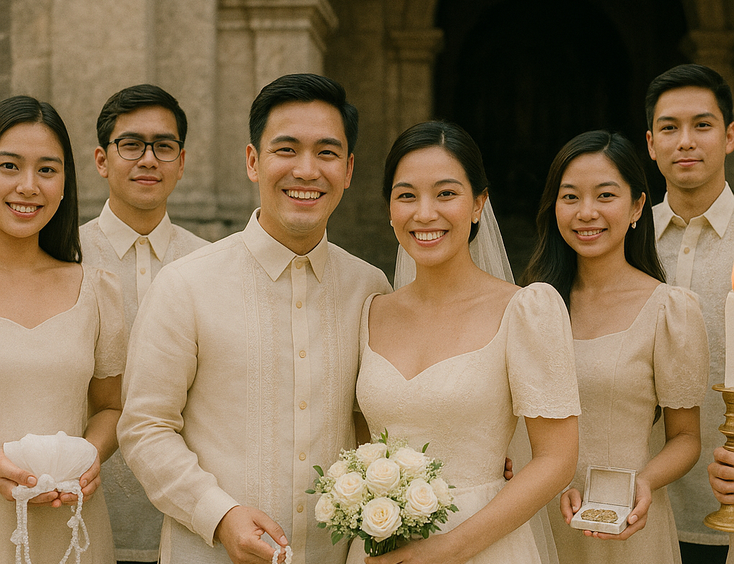
Cord and veil ceremony. Even non-religious ceremonies often include the Filipino cord and veil as a cultural rather than religious symbol. The how to incorporate the cord, veil, and coins into your vow renewal covers how to adapt these elements for non-Catholic settings.
Hand-fasting. The couple's hands get bound together with a ribbon or cord by a family member, signaling the bond between them. The ritual comes from Celtic tradition but adapts well to Filipino ceremonies.
Music for a Non-Religious Ceremony
Music sets the tone without religious framing. Filipino couples pull from a wider range of options than Catholic ceremonies allow.
Instrumental versions of meaningful songs. The song from the couple's first dance, the song that played during a key moment in their relationship, or a song one partner used to sing to the other.
OPM ballads. Songs from Filipino artists that capture love and long-term commitment. Specific choices vary by the couple's generation and taste.
Classical pieces. Pachelbel's Canon, Debussy's Clair de Lune, or other instrumental classical works.
Live acoustic performance. Hire a guitarist, a string trio, or a small ensemble. Live music carries weight that recorded tracks cannot match in intimate ceremonies.
Songs performed by family. A child, sibling, or close friend who sings or plays an instrument can perform a piece during the ceremony. The personal contribution often becomes one of the most memorable moments.
Venue Considerations for Non-Religious Ceremonies
Non-religious ceremonies open up venues that religious ceremonies cannot use. The couple is not tied to a church, so the location options widen.
Garden venues. The garden and hotel venues for an intimate vow renewal in Metro Manila covers garden options. Couples who want outdoor ceremonies often default to garden settings.
Beach venues. Tropical beach ceremonies fit non-religious renewals naturally. The Boracay vow renewal guide covers beach-specific logistics, and the romantic vow renewal spots in Cebu and Bohol covers options in those islands.
Home or ancestral house. Family settings fit non-religious renewals well, since the ceremony can flow into a family meal without the formality of a church service. The backyard and ancestral home vow renewal ideas for Filipino families covers the planning.
Restaurant private rooms. Smaller renewals work well in restaurant private rooms, where the ceremony and meal happen in the same space.
Heritage venues. Heritage houses, museums, and historic buildings often allow ceremonies. The setting carries weight without religious framing.
Tagaytay venues. The best vow renewal venues in Tagaytay for Filipino couples covers the popular options just outside Metro Manila.
Involving Family Without Religious Roles
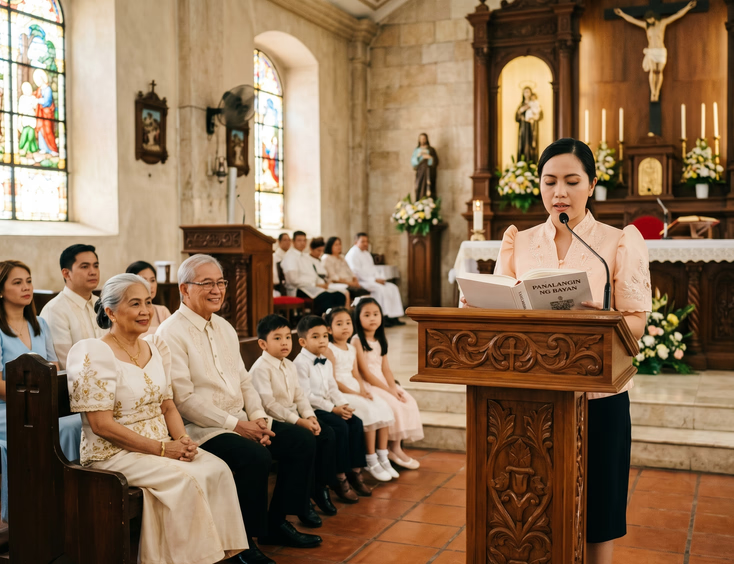
Catholic ceremonies assign family members to roles tied to the rite, like ninongs and ninangs draping the cord and veil. Non-religious ceremonies open the family roles to a broader range of contributions.
Children give a reading or share words about their parents.
Parents or grandparents offer a blessing or share advice from their own long marriages.
Siblings share a memory or a toast.
Close friends read a poem or letter.
Family members carry meaningful objects, such as the couple's original wedding photo, the rings, or the symbolic gesture items.
The involving your children and family in your vow renewal ceremony covers specific ideas for assigning meaningful family roles.
Cultural Elements That Stay Filipino
Non-religious does not mean stripping the ceremony of Filipino character. Many couples keep cultural elements while removing the religious ones.
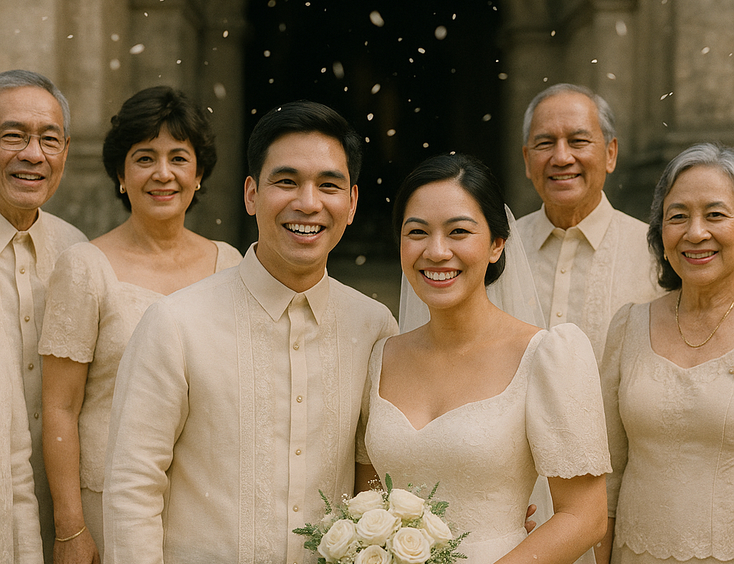
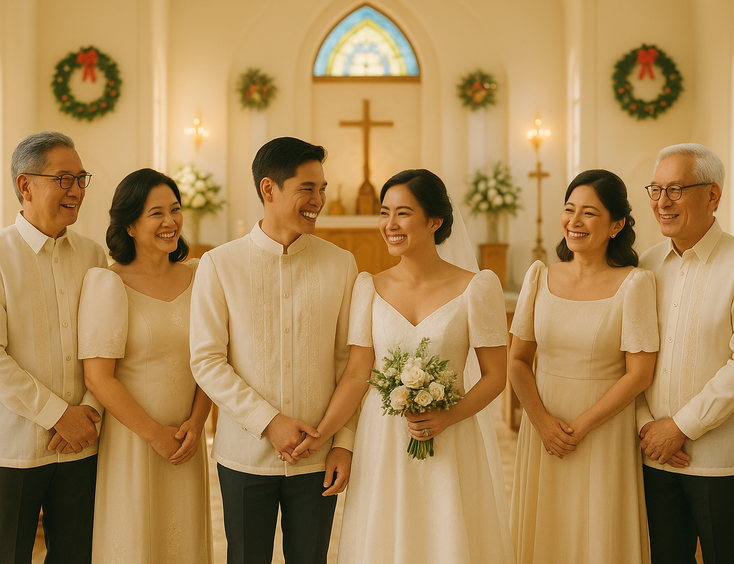
Filipiniana attire. The modern Filipiniana and Barong Tagalog ideas for vow renewal couples covers attire that grounds the ceremony in Filipino culture.
The cord and veil as cultural symbols. Couples use them without the Catholic blessing, presenting them as Filipino marriage traditions.
Tagalog vows or readings. The sample Tagalog vow renewal vows for Filipino husbands and wives covers vows in Tagalog. Speaking in Tagalog grounds the ceremony in Filipino identity regardless of religious framing.
Filipino food at the reception. The catering, cake, and salu salo ideas for a Filipino vow renewal covers menus that carry Filipino character into the meal after.
OPM music during the ceremony or reception.
A blessing from the eldest family member present, often replacing the priestly blessing.
What to Tell Family Who Expect a Religious Ceremony
Filipino families often default to expecting a Catholic vow renewal. Couples who choose a non-religious format sometimes face questions or concerns from family members who would have preferred a church ceremony.
The most useful approach is direct conversation before the ceremony. Tell family members what the renewal will look like, what elements you have chosen to include, and why. Family who understand the reasoning usually accept the format, even if they would have chosen differently themselves.
Some couples handle the tension by including a small religious element, such as a brief prayer led by a family member, while keeping the rest of the ceremony non-religious. The compromise often satisfies family while preserving the couple's preferences.
For couples weighing the broader question of religious versus secular, the renewal of vows vs convalidation in the Philippines covers the distinction between the two and which makes sense for different situations.
Building the Ceremony Around Your Marriage
The strongest non-religious ceremonies reflect the specific couple. Generic templates that get copied without adjustment produce ceremonies that feel hollow. Couples who build the program around their actual story, their family, and their preferences end up with a ceremony that lands.
Pick the symbolic gesture that means something to you. Choose readings that connect to your relationship. Brief your officiant on the moments that should get mentioned. Trust the personal elements over the generic script.
The vow renewal planning checklist for Filipino couples covers the broader planning timeline so the ceremony program fits into the larger schedule.
A non-religious renewal can carry the same weight as a Catholic one. The structure differs. The meaning does not.
Still Searching for a Right Match?
Find Your Perfect Wedding Supplier Today!
Discover trusted wedding suppliers across the Philippines in our complete directory. Compare services and connect with the ones that fit your dream celebration.
Browse Wedding SuppliersFeatured Blog Posts

Filipino Wedding Entourage - Roles, Order of March, and Modern Etiquette
6 mins readCivil Weddings in the Philippines - Requirements, Costs, and Step-by-Step Process
9 mins readCivil Wedding Requirements in the Philippines - Complete Checklist
6 mins readCost of Wedding in the Philippines - 5 Essential Things You Need to Know
7 mins readPrincipal Sponsors (Ninong/Ninang) - How Many, How to Ask, What They Really Do
4 mins readVeil, Cord, Candle & Coins - Roles, Options, and When They Happen
4 mins readEntourage for a Traditional Pinoy Wedding - Complete Roles and Guide
6 mins readComplete List of Civil Wedding Requirements in the Philippines
8 mins readHow to Choose Wedding Ninongs and Ninangs - Ask Yourself These 3 Important Questions
5 mins read