


Boracay Vow Renewal Guide: Beach Ceremonies Made Easy
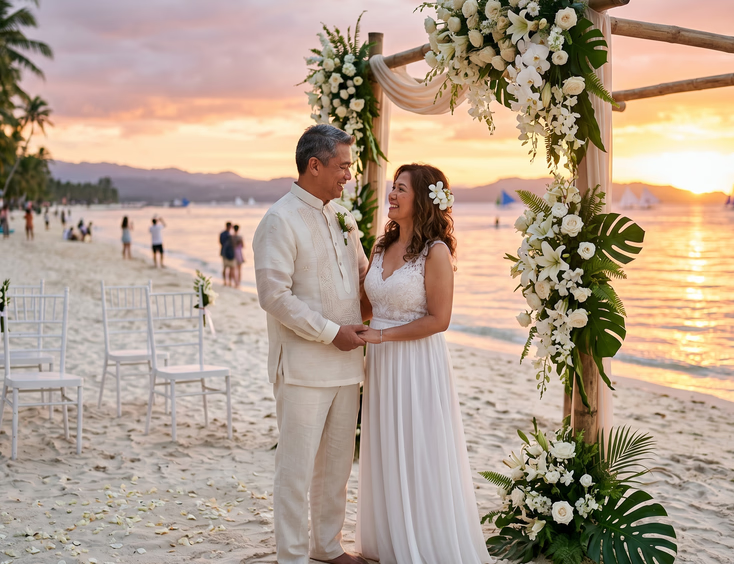
White sand under your bare feet. Your spouse in front of you. The water doing what water does, and the sky turning gold behind them.
Boracay knows how to host a beach vow renewal. The island has been doing weddings and renewals for decades, and the supplier ecosystem reflects it. You can land on a Friday, renew your vows on Saturday at sunset, and fly home Sunday with photos that will live in your living room for the rest of your life.
This guide walks you through how to plan one without getting blindsided by the logistics that catch first-time Boracay couples off guard.
Why Boracay Works for Vow Renewals
A few things make the island a natural fit.
The setting carries the styling. White Beach does the design work. A simple arch, a few floral arrangements, and the ocean behind you is enough. Couples save real money on decor because the island itself is the centerpiece.
The sunset is famous for a reason. Sunset ceremonies on the west-facing White Beach hit a window of soft light that flatters every photo. Time your vows for 5:00 to 5:30 PM most months of the year and the light does what no photographer can fully replicate.
The supplier network is mature. Photographers, coordinators, florists, officiants, and caterers in Boracay run hundreds of beach ceremonies a year. They know the tides, the wind, the permits, and the timing.
Flights are direct. Caticlan and Kalibo airports both serve Boracay. Most major Philippine cities and several international hubs offer direct or one-stop flights. Out-of-town family can join without a complicated journey.
Guests get a vacation. A Boracay renewal doubles as a family trip. Children swim, parents rest at the resort, and the celebration weekend feels like a real getaway, not just an event.
When to Go
The right season changes everything.
Peak season (November to May). Dry, sunny, calm waters. Sunset ceremonies almost guarantee good light. This is when most Filipino couples book. Prices climb across hotels, suppliers, and flights. Book 8 to 12 months out.
Shoulder season (June and October). Mixed weather. Some rain, some clear days, smaller crowds, lower prices. A risk worth taking for couples who can hold a flexible plan B.
Habagat season (July to September). Rougher seas, frequent rain, and the chance of typhoons. Some couples still book this window because of cheaper prices and the dramatic moody skies, but the rain plan has to be solid.
The closure window. Boracay has had government-mandated environmental closures and ongoing rehabilitation periods. Check current rules before you book any date. The island sometimes restricts access during specific months for cleanup or maintenance.
For most Filipino couples, December through April delivers the most reliable weather and the easiest planning.
Ceremony Location Options
Beach renewals on Boracay break into three main location types.
White Beach
The classic Boracay ceremony spot. West-facing, sunset views, soft white sand. Stations 1 and 2 are the most photographed sections, with calmer crowds and the most premium resort backdrops.
White Beach is public, which means your ceremony shares the sand with other tourists, vendors, and beachgoers. Most resorts that host renewals reserve a section of beach in front of their property and use stanchions or coordinators to keep the immediate ceremony space clear.
The light is the draw. The downside is the crowds. Couples who want a private feel should look at the other options.
Resort Beach Coves
Several premium Boracay resorts have private or semi-private coves accessible only to guests. These work for couples who want the beach setting without the public beach experience.
Punta Bunga, the area around Diniwid Beach, and the northern coves offer more private alternatives. The tradeoff is the sunset angle. Some of these coves face directions that miss the famous Boracay sunset.
Book a site visit before you commit. The cove that looks beautiful on the resort website may not face the right direction for the light you want.
Hotel and Resort Lawns and Terraces
Not every Boracay renewal happens on the sand. Many resorts host ceremonies on oceanfront lawns, infinity pool decks, or rooftop terraces overlooking the water.
These work well for elderly guests who struggle walking on sand, for couples who want a more structured setup with chairs and a defined aisle, and for rainy season bookings where a fully covered alternative is critical.
The view still includes the water. The footing stays steady. The setup transitions easily into a reception in the same space.
Permit and Paperwork Basics
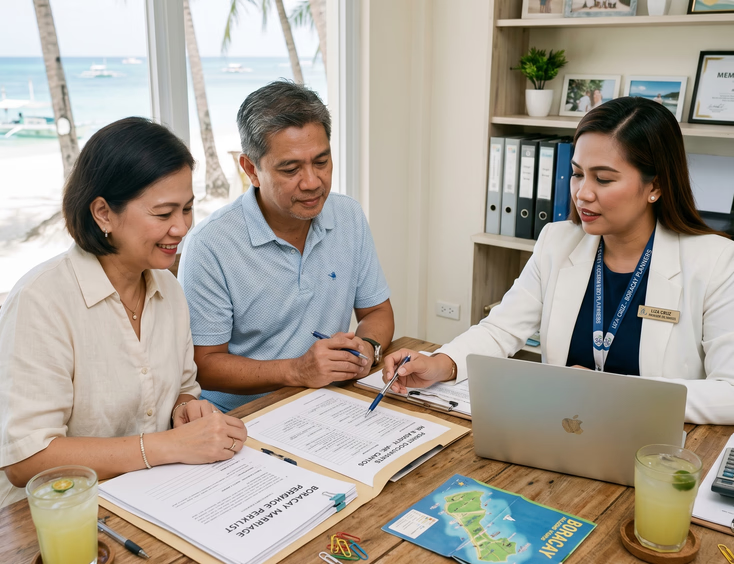
Beach ceremonies on White Beach require permits from the local government. Most coordinators handle this for you, but the fees and process are worth understanding.
You will typically need a beach use permit, an environmental fee, and sometimes a separate fee if you bring a non-accredited supplier onto the island. Costs vary year to year and depend on the size of your ceremony setup. Budget ₱5,000 to ₱20,000 for permits, payable through your coordinator.
If you are having a Catholic blessing as part of the ceremony, contact the local parish or arrange for a priest from Manila or Iloilo to travel in. Some Boracay resorts have accredited officiants on call. For more on Catholic renewal logistics, see our guide on whether you can renew vows in the Catholic Church in the Philippines.
Vow renewals carry no legal weight, so no marriage license or civil paperwork applies. For the broader picture on the legal side, see our guide on whether a vow renewal is legally binding in the Philippines.
What a Boracay Renewal Costs
The numbers vary by scale, season, and supplier tier.
Intimate beach ceremony, 10 to 20 guests, peak season. ₱180,000 to ₱400,000 for the ceremony portion. Includes a small arch setup, a simple floral arrangement, a solo photographer, a hired officiant, beach permits, and a private dinner at a beachfront restaurant. Excludes flights and accommodations.
Mid-sized resort renewal, 40 to 80 guests, peak season. ₱600,000 to ₱1.2 million for the ceremony and reception. Includes a fuller setup with an aisle, ceremony chairs, a photo and video team, a coordinator, floral styling, a reception dinner at a resort venue, and a small live music setup. Excludes flights and accommodations.
Grand resort renewal, 100 to 150 guests, peak season. ₱1.5 million to ₱3 million. Includes full styling, premium photo and video, a full-planning coordinator, a plated dinner reception at a premium resort, a live band, and the works.
Add 30 to 50 percent for premium resorts and peak holiday weeks. Subtract 15 to 25 percent for shoulder season bookings.
For a fuller picture of vow renewal budgets across the Philippines, see our breakdown on how much a vow renewal costs in the Philippines.
Picking Your Resort
The resort choice shapes everything else.
Family-friendly mid-range. Resorts in the ₱5,000 to ₱10,000 per night range work for renewals where many guests are paying their own way. Look for properties with multiple room types, pool access, and a restaurant guests can use without leaving the resort.
Premium oceanfront. Resorts in the ₱15,000 to ₱40,000 per night range offer private cove access, in-house wedding coordinators, and more polished service. Worth it for grand celebrations or for couples who want full-service planning.
Private villa rentals. For intimate renewals of 10 to 20 guests, renting an entire villa or small boutique resort can work better than a large hotel. The family stays together. The ceremony happens on your private patch of beach. Quieter, more personal, and often cheaper per head than booking 10 rooms at a premium resort.
Always confirm what the resort includes in a renewal package. Some bundle the ceremony setup, the dinner, photography, and a room block into one price. Others charge for each piece separately. Compare carefully.
Logistics That Catch Couples Off Guard
A few Boracay-specific issues come up after the booking is signed.
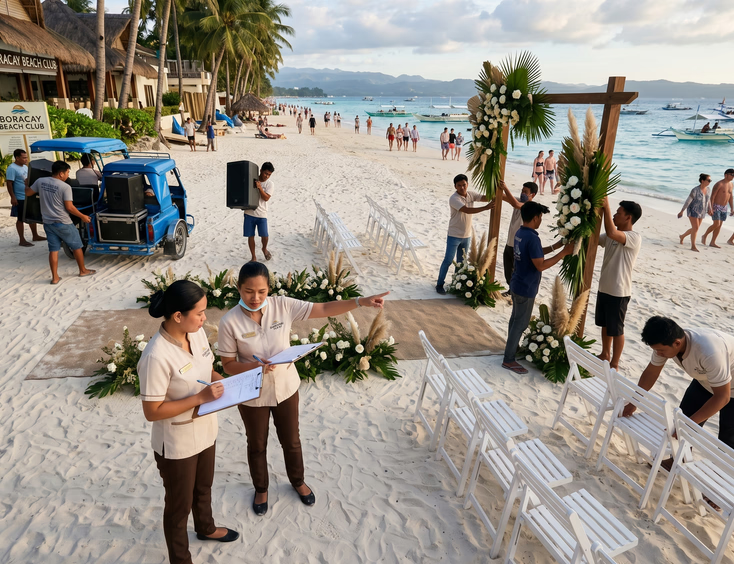
Getting suppliers and gear to the island. Anything you bring from Manila has to travel by air to Caticlan or Kalibo, then by boat to Boracay. Florists with imported blooms, sound equipment, and large styling pieces all need to factor in transport time and damage risk. Book island-based suppliers when possible.
The boat transfer. Guests arrive at Caticlan Airport, then take a tricycle or shuttle to the jetty port, then a boat to Boracay, then another tricycle to the resort. The full journey takes 60 to 90 minutes after landing. Elderly guests and small children find this exhausting. Build the transfer into the welcome plan.
The 6 PM sand curfew. Boracay restricts certain activities on the beach after sunset hours. Confirm with your coordinator what you can and cannot do on the sand after dark. Some setups have to move off the beach by a specific time.
Wind on the beach. Wind picks up in the late afternoon. Floral installations get blown around, candles get extinguished, and unsecured signage takes flight. Use weighted setups and brief your stylist.
Sand and heels do not mix. Tell your guests in advance. Most Boracay ceremonies are barefoot or sandal-friendly. Provide flat sandals as souvenirs or arrange for a basket of slip-ons near the ceremony entrance.
Sun and heat. A 5 PM ceremony in March can still hit 33 degrees. Hand out fans, water, and umbrellas if guests are seated in direct sun. Schedule the ceremony for after 4:30 PM during peak heat months.
Sound carries differently outdoors. A microphone setup that works in a ballroom often fails on the beach. Beach-experienced sound technicians know how to position speakers and adjust for the wind.
The Timeline of a Boracay Renewal Day
A typical schedule for a Saturday sunset ceremony:
Morning. Late breakfast with family at the resort. Hair and makeup starts around 1:00 PM.
Mid-afternoon. Photographer captures pre-ceremony portraits and family photos at 3:00 to 4:00 PM, before the heat eases. Guests gather at the resort for refreshments around 4:30 PM.
Sunset ceremony. Walk to the beach setup at 5:00 PM. Vow exchange between 5:15 and 5:30 PM. The sun sets behind you while you say your vows. Photos and family portraits run until 6:30 PM.
Reception. Move to dinner at the resort restaurant or a private venue. A relaxed dinner with toasts, slideshow, and dancing runs 7:00 PM to 11:00 PM.
The whole day moves at vacation pace. That is part of the appeal.
What to Wear
Beach renewals call for a different wardrobe than ballroom celebrations.
For the wife, lightweight fabrics are essential. A flowing modern Filipiniana, a beach-friendly gown in chiffon or organza, or a soft white dress that moves with the wind. Avoid heavy beadwork and long trains that drag on sand.
For the husband, a piña or jusi barong tagalog stays cool and photographs well against the beach. Linen trousers in white, cream, or beige work better than dark slacks.
Footwear should be flat. Bare feet, leather sandals, or beach-friendly heels with wedge bases. Stiletto heels sink into sand.
Tell guests the dress code clearly. Beach formal usually means flowing dresses or barongs and dress trousers, all in lightweight fabrics. For more on attire choices, see our guide on what to wear to your own vow renewal in the Philippines.
The Rain Plan
Tropical destinations need a real backup, not a hope.
Ask your venue and coordinator three specific questions:
Where exactly will the ceremony happen if it rains at 5 PM?
How quickly can the setup move?
Is the backup space included in the rental, or charged separately?
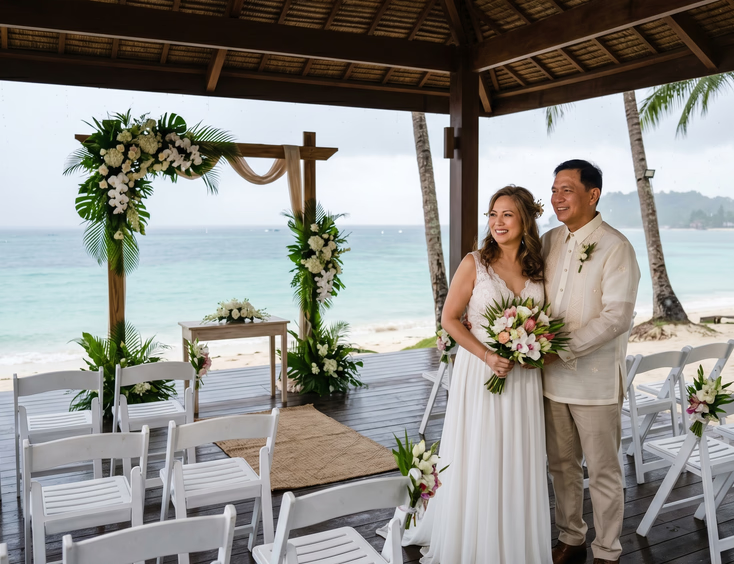
The best Boracay venues have a covered alternative already built into their event spaces, often a beachfront pavilion, a function room overlooking the water, or a covered terrace. If the resort cannot give you a specific answer, keep looking.
A Few Things Worth the Money
Three categories pay back what they cost on a Boracay renewal.
A coordinator who works the island regularly. Boracay logistics are different from Manila or Tagaytay. A coordinator who lives there or works there constantly knows the permits, the suppliers, the tides, and the sand.
Photo and video. The setting will never be more photogenic. Hire a team strong enough to capture it. This is not the place to cut the photography budget.
A small welcome dinner the night before. Most guests fly in Friday afternoon, are tired by Friday night, and have not seen each other yet. A relaxed welcome dinner at the resort restaurant lets everyone settle in before the ceremony day. The total cost is usually under ₱50,000 for an intimate group and pays back in mood.
After You Lock the Venue
Once the resort and the date are confirmed, the rest of the planning can move forward. The full timeline for the months leading up to the ceremony lives in our vow renewal planning checklist for Filipino couples. For the broader picture of everything that goes into renewing your vows in the Philippines, our pillar guide on wedding vow renewals in the Philippines covers it from start to finish.
Boracay rewards couples who book early, brief their suppliers carefully, and trust the setting to do most of the work. Show up, hold your spouse's hands, and let the island handle the rest.
Still Searching for a Right Match?
Find Your Perfect Wedding Supplier Today!
Discover trusted wedding suppliers across the Philippines in our complete directory. Compare services and connect with the ones that fit your dream celebration.
Browse Wedding SuppliersFeatured Blog Posts

Filipino Wedding Entourage - Roles, Order of March, and Modern Etiquette
6 mins readCivil Weddings in the Philippines - Requirements, Costs, and Step-by-Step Process
9 mins readCivil Wedding Requirements in the Philippines - Complete Checklist
6 mins readCost of Wedding in the Philippines - 5 Essential Things You Need to Know
7 mins readPrincipal Sponsors (Ninong/Ninang) - How Many, How to Ask, What They Really Do
4 mins readVeil, Cord, Candle & Coins - Roles, Options, and When They Happen
4 mins readEntourage for a Traditional Pinoy Wedding - Complete Roles and Guide
6 mins readComplete List of Civil Wedding Requirements in the Philippines
8 mins readHow to Choose Wedding Ninongs and Ninangs - Ask Yourself These 3 Important Questions
5 mins read