


Modern Filipiniana and Barong Tagalog Ideas for Vow Renewal Couples
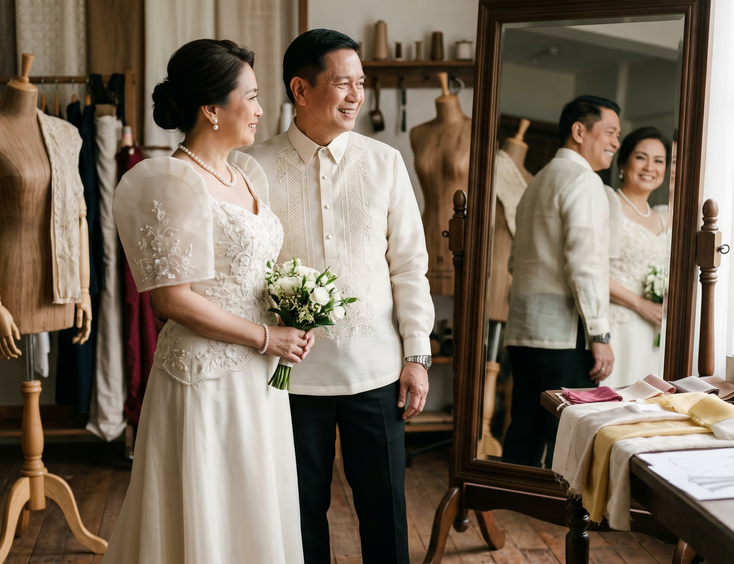
Your original wedding photos show the two of you in a stiff piña barong and a heavy terno. You remember how the dress weighed on your shoulders by the end of the night. He remembers sweating through the embroidery in the afternoon heat. You look at those photos now and see outfits from a different era, back when Filipiniana followed tighter rules and gave you fewer ways to wear it.
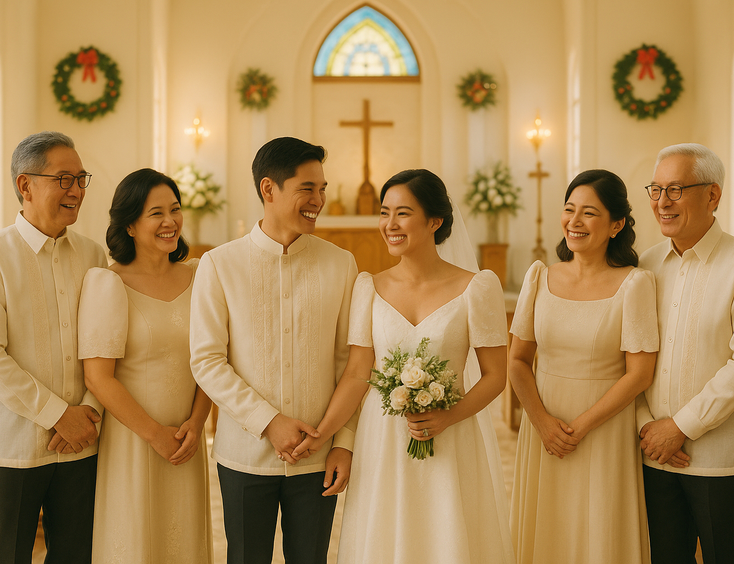
A renewal opens a different conversation. You have lived inside the marriage long enough to know what suits you now and how you want to stand in front of the family who watched the years pass. Modern Filipiniana and contemporary barong tagalog let you honor Filipino tradition and still wear something that fits who you became.
A vow renewal in the Philippines gives you that second chance at the outfit. This guide walks through silhouettes, fabrics, colors, and details that work across anniversary milestones and venue types, for the bride and the groom both.
What Modern Filipiniana Means
Modern Filipiniana takes the traditional terno, baro't saya, and Maria Clara as its starting point, then reworks the fabric, cut, and styling for the way you live now. The bones stay Filipino. The execution moves.
A few features set it apart from the older forms:
- Lighter, breathable fabrics like organza, chiffon, and silk in place of heavy structured weaves.
- Softer butterfly sleeves that suggest the shape without the rigid panels of a formal terno.
- A wider color range that reaches past pure white into soft, grounded tones.
- Cleaner embroidery that nods to tradition instead of covering the whole dress.
- Cuts that flatter the body of the woman wearing them rather than forcing one silhouette on everyone.
The style works for a renewal because it carries cultural weight and still fits a bride at any age or shape. You skip the false choice between honoring tradition and wearing something you feel good in. For the wider attire picture, the guide on what to wear to your own vow renewal in the Philippines sets the framework these choices sit inside.
Modern Filipiniana Silhouettes for the Bride
The silhouette sets the foundation, and your body, your venue, and the time of day all push toward different ones. Read them side by side before you commit:
| Silhouette | Shape | Best venue | Worth knowing |
|---|---|---|---|
| A-line | Fitted bodice, gentle flare from the waist | Garden, hotel, chapel | The versatile default; flatters most bodies, ages 30s through 70s |
| Mermaid / fit-and-flare | Fitted through bodice and hips, flares below the knee | Indoor formal | Dramatic, but hard to walk in on uneven ground |
| Empire waist | Fitted under the bust, loose to the floor | Garden, beach, outdoor | Forgiving and easy to move in; flows in natural light |
| Sheath / column | Straight from shoulder to floor, no flare | Modern hotel, intimate venues | Clean and minimalist; rewards confident posture |
| Tea-length | Hem between knee and ankle | Casual garden, beach, home | Easy to walk in; photographs well in daytime light |
Talk the choice through with your designer or seamstress against your own body and the venue you booked. The dress that looks striking on a hanger fails the moment you cannot climb a garden step in it.
Fabric Choices for Modern Filipiniana
Fabric decides how the dress moves, how it reads on camera, and whether you can sit through a two-hour Mass and a long reception without wanting it off you:
- Organza. Lightweight with a little stiffness, so it holds a structured shape and still moves. The common pick for modern Filipiniana, and it catches outdoor light well.
- Chiffon. Light and flowing, drapes soft against the body. Suits empire-waist, A-line, and tea-length cuts. It struggles to hold a structured bodice.
- Silk. Smooth and lustrous, heavier than the rest. Suits indoor formal ceremonies and milestone years that call for a richer look.
- Jusi. A traditional Filipino weave, lighter than silk with more body than chiffon. A strong choice when you want a traditional feel under modern styling, in cream, off-white, or pastels.
- Tulle. Light and slightly stiff, layered for volume without weight. Pairs with ballgown or A-line skirts and reads well under indoor lighting.
- Mestiza-inspired blends. Some designers build custom blends that fold a traditional weave into a contemporary base, so the dress reads grounded and current at once.
Skip heavy satin or velvet unless the ceremony runs short and the room stays cool. The heat in those fabrics shows on your face in every photo.
Ask for fabric swatches before you commit, then wear a bodice mock-up through a warm afternoon at home. Ten minutes in a fitting room tells you nothing about hour three of an outdoor reception in March.
Sleeve Variations for Modern Filipiniana
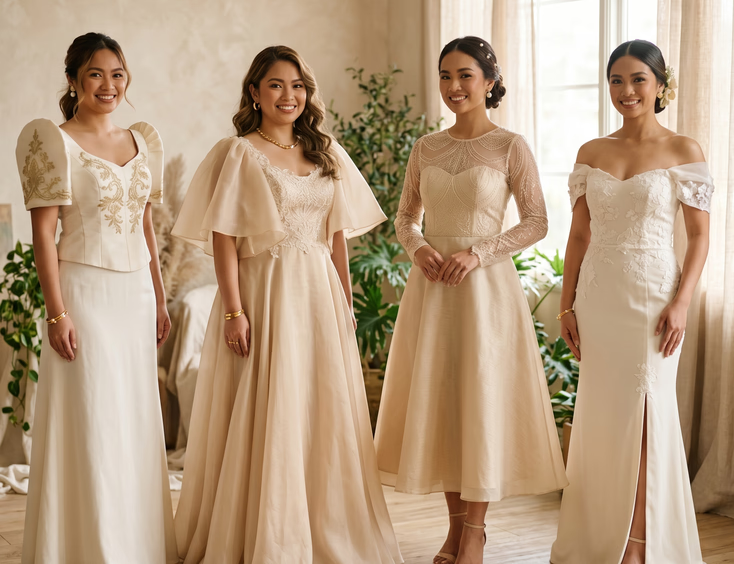
The butterfly sleeve marks the dress as Filipiniana, and the modern range stretches from a soft nod to a full reinvention:
- Traditional butterfly in lighter fabric. The classic panel sleeve, reinterpreted in organza or chiffon. It keeps the drama and loses the rigidity.
- Soft butterfly. The panel structure shrinks or disappears, so the sleeve hints at the shape without standing rigid off the shoulder.
- Cap sleeve. Short, covering the shoulder without reaching into a butterfly. A contemporary read that keeps shoulder coverage.
- Long sleeve. Sheer or embroidered to the wrist, often chosen for more coverage at milestone years. In a light fabric it adds elegance without weight.
- Three-quarter sleeve. Stops just below the elbow, balanced between coverage and openness, and forgiving across ages and body types.
- Off-shoulder. The neckline drops below the shoulders while the dress stays fitted. Modern and clean, with no butterfly at all.
Match the sleeve to the formality of the day and to how much shoulder you want shown. A traditional butterfly photographs with weight and ceremony. A cap or off-shoulder cut reads younger and more contemporary.
Color Palettes for Modern Filipiniana
Modern Filipiniana frees you from the white gown, and the color you pick can speak to the milestone you are marking:
- Ivory. The renewal favorite. It reads ceremonial without copying your first gown, photographs warm, and suits almost any venue.
- Champagne. A touch warmer than ivory, kind to gold-toned skin and warm-light rooms. A frequent pick for a fiftieth.
- Blush. Soft, low-saturation pink that photographs romantic in daytime garden light.
- Soft gold. Warm gold through metallic thread or beading over an ivory or champagne base, suited to milestone years indoors.
- Pearl or off-white. A hair grayer than pure white, clean on camera, and a natural fit for a thirtieth.
- Silver-toned. Cool metallic with a hint of gray, made for a twenty-fifth.
- Soft pastels. Mint, lavender, pale blue. Less common, but a distinctive look for an outdoor day.
- Jewel tones. Deep ruby, emerald, sapphire, used with restraint for a fortieth or for a couple chasing something non-traditional, and best indoors where the richness reads.
For the meaning behind each color and year, the Filipino wedding anniversary names and symbols by year lays out what every milestone traditionally stands for.
Embroidery and Detailing
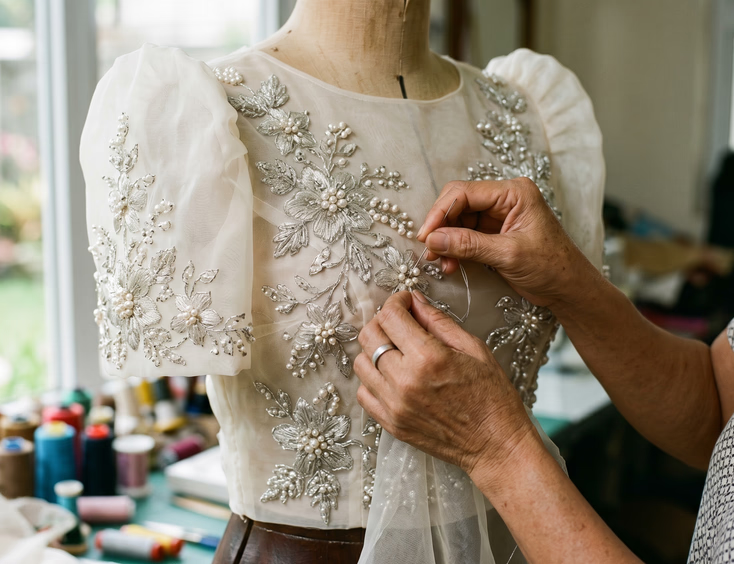
The embroidery sets the formality before anyone reads the cut. Cover the bodice and sleeves in metallic thread, beading, and sequins and the dress reads ceremonial, weighted, built for a hotel ballroom or a chapel. Pull the embroidery back to the bodice, the neckline, or the sleeve edges and you get the look most modern brides reach for: tradition present, dress not buried under it. Drop to a single embroidered detail at the neckline or hem and the dress turns clean and contemporary while still naming itself Filipiniana.
Beyond thread, you have options that add interest without the weight of full embroidery. Some designers hand-paint floral or abstract patterns onto the fabric for a piece that reads as art. Small pearls, crystals, or beads worked into the bodice catch the light through the ceremony. A lace overlay adds texture and softness on its own terms. For how detailing fits the wider question of formality, the guide on choosing between an intimate or grand vow renewal covers where attire sits in the scale of the whole day.
Modern Barong Tagalog for the Groom
The barong carries fewer variations than Filipiniana, and modern tailoring still gives him real choices:
- Traditional-cut piña barong. Loose, classic, heavy with embroidery on piña. The most formal option, suited to chapel and hotel ceremonies where he wants to lean into tradition.
- Slim-cut modern barong. Tailored closer to the body, made for a contemporary line, and a strong match when the rest of the look runs modern.
- Jusi barong. Lighter and more breathable than piña, a shade less formal. Many grooms pick it for comfort through a long, warm ceremony.
- Cocoon barong. The lightest weight, the most casual of the formal cuts, at home on a beach or at a resort.
- Embroidered or hand-painted barong. Custom thread or painted designs that hand a traditional garment some personality.
- Modern collar variations. The standard barong collar sits upright with a small opening. A shawl collar, mandarin collar, or notched lapel shifts the formality and the whole feel.
Most barong come in cream, off-white, or natural piña tones. Light gray, soft blue, and warmer beige open the range, and whichever he picks should answer the color of your dress.
Coordinating Bride and Groom Outfits
Coordination decides whether the photos read as one couple or two people who dressed in separate rooms. Handle it as a sequence, early, before either outfit is locked:
- Choose the bride's silhouette and color first, since it anchors everything else.
- Match the groom's barong to that color family. Ivory dress with a cream barong. Champagne dress with an off-white barong carrying subtle metallic accents. Pearl dress with a soft gray barong.
- Align the detailing level on both. Heavy embroidery on the dress calls for embroidered piña on him; minimal detailing on the dress calls for a plain jusi or a slim modern cut.
- Hold the style era steady. A traditional terno beside a slim modern barong reads as a mismatch, so go both traditional or both modern.
- Ask the designer about a shared embroidery pattern across the dress and the barong. A matched motif ties you together in every frame and suits a milestone year.
Bring both outfits to the same designer or seamstress where you can. Matching two finished pieces after the fact almost never works as well as building them in conversation.
Outfit Ideas by Anniversary Milestone
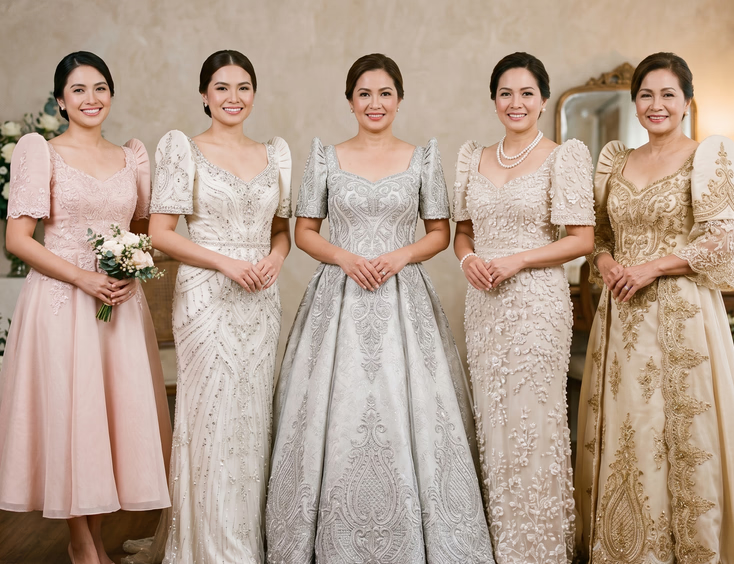
Some couples dress to the milestone itself, and the reference adds meaning the first wedding could not hold. A tenth, the tin year, sits early in the marriage, so the styling stays light: soft pastels or warm ivory, modern silhouettes, outfits that show who you are now rather than recreating the wedding. The tin anniversary vow renewal guide covers the tenth on its own terms. A fifteenth, crystal, leans elegant without going formal, with crystal beading and champagne or pearl tones. A twentieth, china, runs refined: ivory or pearl, subtle detailing.
The bigger milestones invite a bolder reference. For a twenty-fifth, silver thread, silver beading, or a silver-toned fabric, kept subtle or pushed dramatic to taste, and the guide on planning a silver wedding anniversary vow renewal in the Philippines covers the milestone in full. For a thirtieth, pearl beading or actual pearl detailing over soft pearl-toned fabric, with more in the pearl anniversary celebration guide. A fortieth, ruby, takes red or burgundy in small doses: a sash, accent embroidery, ruby-toned beading, or a full red gown for couples after drama. A fiftieth, golden, often goes all in, gold thread and gold beading on both bride and groom, and the golden wedding anniversary vow renewal ideas for Filipino couples take the look further.
Finding a Designer or Seamstress
Modern Filipiniana makers cluster in Metro Manila, Cebu, and a handful of other cities, and the right one comes down to your budget, your style, and your timeline. Established Filipino designers known for bridal and Filipiniana work tend to charge from around PHP 80,000 into the hundreds of thousands for a custom piece, scaled by the complexity of the design and the fabrics. Smaller studios and individual seamstresses with strong portfolios run lower, roughly PHP 25,000 to 80,000. A local seamstress can make custom Filipiniana for PHP 8,000 to 25,000, with results that ride on her skill and her experience with the form. Ready-to-wear shops carry pre-made modern Filipiniana for alteration in a similar lower range.
Give the work four to six months from first consultation to ceremony. Less time means rushing the fittings and risking a dress you settle for. A skilled stylist can pull the whole look together once the outfits exist, and the guide to florists and stylists for an intimate vow renewal ceremony covers how that role works. For where outfit costs land against everything else, the realistic budget breakdown for a vow renewal in the Philippines sets the full picture.
Honoring Tradition While Choosing Modern
Some couples worry that modern Filipiniana walks away from tradition. The worry tends to fade the moment you see how much Filipino weight the modern forms still carry. Modern Filipiniana descends from the traditional dress; it does not reject it. The butterfly sleeve, even softened, stays distinctly Filipino. The fabrics, even blended with contemporary materials, continue Filipino weaving. The colors, even past white, draw on a Filipino eye.
The same holds for the barong. Slim-cut, hand-painted, or restyled, it stays a barong, a garment that has changed across centuries and keeps changing now. You are standing in the next stage of that line, not stepping off it. For pairing the outfit with the older ceremony customs, the guide on how to incorporate the cord, veil, and coins into your vow renewal covers the Filipino elements that sit naturally beside modern attire.
What to Avoid
A few choices weaken the look no matter how good the fabric:
- A direct copy of the original gown. You are not the woman you were decades ago, and the old gown belongs to its era. A recreation reads as imitation rather than celebration.
- Anything you cannot wear in comfort. The day runs for hours. If you cannot breathe in the bodice or he is soaked through the barong, the outfit is wrong however it looked on the rack.
- Trends that will date. These photos sit in family albums for decades. Classic modern Filipiniana ages better than a sharply trendy cut.
- An outfit that fights the venue. A structured ballgown on a Boracay beach, a heavy embroidered barong in a garden at midday. Dress for where the ceremony will stand.
- Mismatched coordination. Plan the two outfits together. A pairing that clashes drains the photos that a matched pair would carry.
If your original dress still fits the spirit of the day, restyling it is a third path worth weighing, and the guide on reusing your original wedding dress for a vow renewal covers how to update it without recreating the wedding.
The Outfit Is Part of the Story
Your outfit becomes part of the family record. Children, grandchildren, and the generations after will see these photos and read something about the marriage from how the two of you stood. Modern Filipiniana and modern barong tagalog let you carry the culture and still show who you became across the years, with enough range that any couple finds the piece that fits both.
Take the time to choose well. Work with a maker who understands what the two of you want, then trust the choices and wear them with the ease of a couple who knows what it took to reach this day. For where outfit selection falls in the wider schedule, the vow renewal planning checklist for Filipino couples sets the timeline, and so your guests arrive dressed to match the tone, the Filipino dress code guide on vow renewal attire for guests tells them what to wear.
Still Searching for a Right Match?
Find Your Perfect Wedding Supplier Today!
Discover trusted wedding suppliers across the Philippines in our complete directory. Compare services and connect with the ones that fit your dream celebration.
Browse Wedding SuppliersFeatured Blog Posts

Filipino Wedding Entourage - Roles, Order of March, and Modern Etiquette
6 mins readCivil Weddings in the Philippines - Requirements, Costs, and Step-by-Step Process
9 mins readCivil Wedding Requirements in the Philippines - Complete Checklist
6 mins readCost of Wedding in the Philippines - 5 Essential Things You Need to Know
7 mins readPrincipal Sponsors (Ninong/Ninang) - How Many, How to Ask, What They Really Do
4 mins readVeil, Cord, Candle & Coins - Roles, Options, and When They Happen
4 mins readEntourage for a Traditional Pinoy Wedding - Complete Roles and Guide
6 mins readComplete List of Civil Wedding Requirements in the Philippines
8 mins readHow to Choose Wedding Ninongs and Ninangs - Ask Yourself These 3 Important Questions
5 mins read