


Hiring an Officiant for a Non Religious Vow Renewal in the Philippines
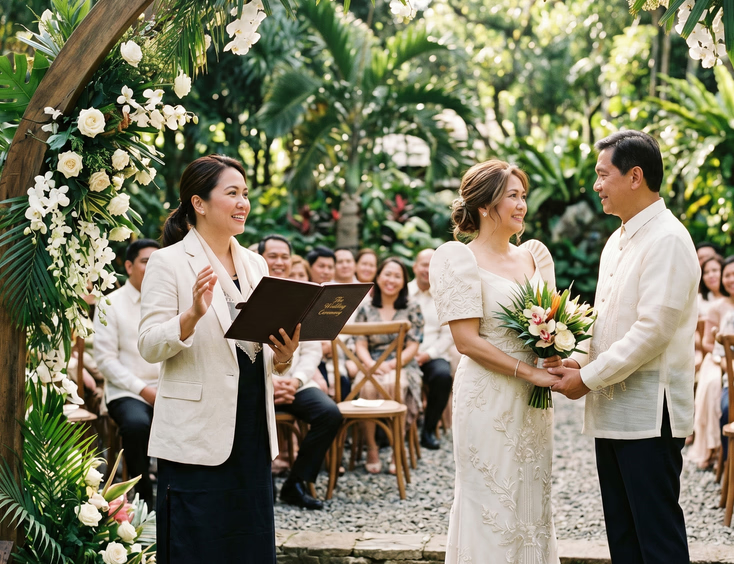
A non-religious vow renewal puts your officiant at the center of the ceremony. No priest, no liturgy, no fixed script to lean on. The person leading your renewal builds the whole experience from your story.
This guide covers who can officiate a non-religious renewal in the Philippines, what to look for, what to pay, and how to brief them so the ceremony feels like yours.
What an Officiant Actually Does at a Non-Religious Renewal
A vow renewal officiant runs the ceremony from start to finish.
They welcome guests and set the tone. They share your story, sometimes weaving in details from your years together. They guide you through the renewal of vows, the exchange of rings if you choose, and any rituals you want to include. They close the ceremony and send guests into the reception.
A skilled officiant makes a 20-minute ceremony feel like the emotional center of the day. A weak one makes it feel like a speech nobody asked for.
Because a vow renewal is not a legal marriage, your officiant doesn't need state authority to sign anything. For the legal context on this, our guide on whether a vow renewal is legally binding explains what officiants can and can't do.
Who Can Officiate a Non-Religious Vow Renewal
You have more options than you might think.
Professional non-religious officiants and celebrants. A small but growing group of Filipino officiants specialize in secular ceremonies. They write custom scripts, meet with couples beforehand, and bring trained delivery to the ceremony. Search Instagram for "Filipino wedding celebrant" or "secular officiant Philippines" to find them. Studios like The Vow Manila and independent celebrants in Metro Manila and Cebu lead this space.
Wedding hosts and emcees who officiate. Some Filipino wedding hosts double as officiants for non-religious renewals. They bring stage presence and crowd work, which translates well to lively renewals.
A family member or close friend. A sibling, child, best friend, or longtime ninong can officiate. This route adds personal weight but demands more from the person doing it. They need to be comfortable speaking in front of a crowd, willing to write or rehearse a script, and emotionally steady enough not to break down halfway through.
A retired judge, professor, or community leader. Some couples ask a person they respect from public life to lead the ceremony. This works when the person knows you well and brings gravity to the role.
Yourselves. Self-led renewals work for very intimate settings. You stand together, take turns reading your vows, and skip the officiant entirely. This fits couples renewing at home, on a quiet beach, or in front of immediate family only.
For different ceremony approaches based on style, see our guide on non-religious vow renewal ceremony ideas in the Philippines.
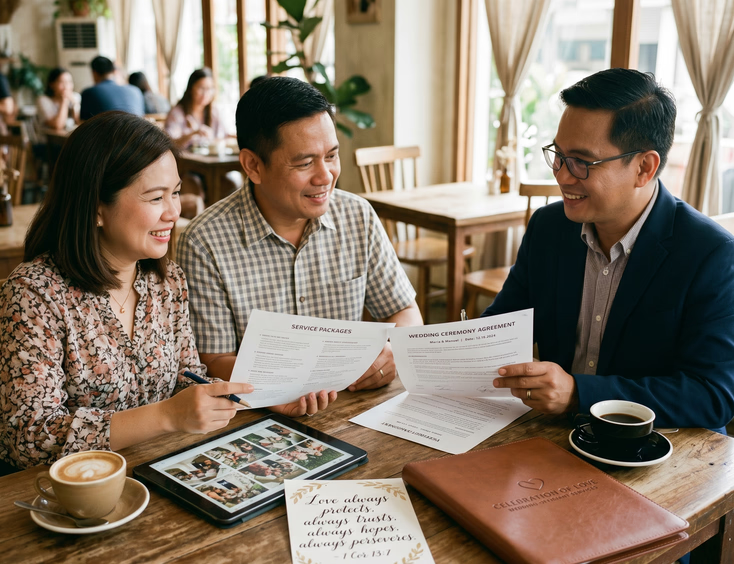
What to Pay a Professional Officiant
Rates vary by experience and scope of services.
Newer celebrants and emcees who officiate charge ₱8,000 to ₱20,000 for a vow renewal ceremony. This usually covers one planning meeting, script preparation, and the ceremony itself.
Established non-religious officiants charge ₱25,000 to ₱60,000. They typically include two to three planning meetings, deeper script customization, rehearsal attendance, and travel within Metro Manila.
Premium celebrants and well-known wedding hosts charge ₱70,000 and up. They bring brand recognition, polished delivery, and full ceremony design services.
Out-of-town renewals (Tagaytay, Batangas, Cebu, Boracay, Bohol) add travel and accommodation fees, usually ₱5,000 to ₱20,000 on top of the base rate.
If you're weighing this against other vendor costs, our realistic budget breakdown for vow renewals shows how officiant fees fit your total spend.
What to Look For in an Officiant
Three qualities separate good officiants from forgettable ones.
Strong listening skills. Your officiant should ask about your years together, your inside jokes, the moments that defined the marriage, the hard seasons you survived. If they don't ask deep questions in the first meeting, they won't write a deep script.
Clean delivery. A non-religious ceremony lives or dies on how the officiant speaks. Ask for video samples of past ceremonies. Watch how they pace their words, handle pauses, and recover when something unexpected happens. Filipino renewals often involve kids, pets, and unscripted moments. Your officiant needs to ride those waves.
Emotional steadiness. A vow renewal ceremony can crack the officiant emotionally, especially if they know you well or if your story is heavy. The right officiant feels the weight without losing the room.
Ask for references from at least two past couples. Call them. Ask what surprised them about working with this officiant, what they would change, and whether they'd hire them again.
When to Hire a Family Member or Friend Instead
Personal officiants work when three conditions line up.
The person knows your marriage well enough to speak about it with authority. A college friend who hasn't seen you in years can't pull this off. A sibling, child, or best friend who has watched the marriage up close can.
The person is comfortable in front of crowds. Public speaking shouldn't terrify them. If you're not sure, ask them to read a short passage at a family dinner first. Watch how they handle it.
The person is willing to do the work. Officiating well takes preparation. Writing a script. Practicing it. Coordinating with you. Showing up early to rehearse with the coordinator. If they treat it like a favor instead of a responsibility, the ceremony will show it.
Brief them carefully. Send them sample scripts. Walk them through the timing. Tell them what you want to say and what you want them to say. Don't assume they'll figure it out.
For ideas on involving family in the ceremony beyond officiating, read our guide on involving your children and family in your vow renewal ceremony.

Briefing Your Officiant
Whether you hire a professional or ask a friend, give your officiant these inputs.
The story of your marriage. How you met. How you decided to marry. The hard years. The years you'd live again. The things you still laugh about. The moments that made you choose each other again.
What you want guests to feel. Tearful and quiet? Loud and laughing? A mix? The officiant calibrates tone based on your answer.
What you don't want. No mention of an ex-spouse. No jokes about kids who passed away. No references to your business or career if you want the ceremony to feel personal. Be explicit about the off-limits material.
Your renewal vows. Send them in advance so the officiant can build the script around them. Our guide on how to write vow renewal vows that capture years of marriage helps you draft these. For Tagalog vows, see our sample Tagalog vow renewal vows.
Any rituals you want included. Cord, veil, coins, unity candle, sand ceremony, tree planting, anything cultural or personal. The officiant weaves these into the script. For Filipino ritual specifics, see our guide on incorporating the cord, veil, and coins into your vow renewal.
The ceremony length. Most non-religious renewals run 15 to 30 minutes. Longer than that and guests fidget. Shorter than 10 minutes feels rushed.
Sample Structure for a Non-Religious Ceremony
A clean non-religious ceremony moves through five beats.
The officiant opens by welcoming guests, acknowledging the significance of the moment, and introducing the couple.
The officiant shares your story, usually three to five minutes. The best ones make the room laugh and tear up in the same breath.
The couple reads their renewed vows. Some couples write fresh vows for the renewal. Others repeat their original vows with new meaning. Some do both.
The couple exchanges rings or includes a personal ritual. Not every renewal includes ring exchange. Some couples polish their original rings instead. Others choose a different symbolic act.
The officiant closes by affirming the renewed commitment, sometimes inviting guests to witness or pledge their continued support, and sends everyone into the reception.
For a fuller script template you can adapt, see our wedding vow renewal order of ceremony sample Filipino program.
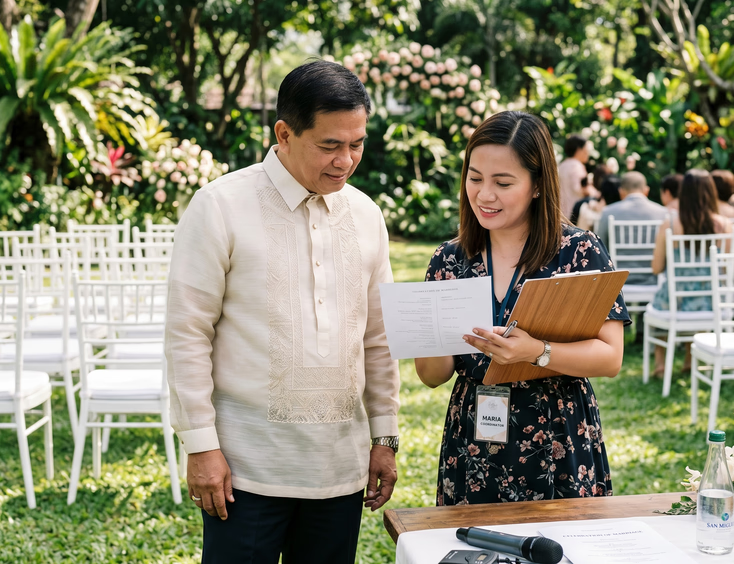
Logistics to Confirm Before the Ceremony
Two weeks before the renewal, confirm these details with your officiant.
The venue address, arrival time, and ceremony start time. Build in a 30-minute buffer for late guests.
The microphone setup. Most venues provide one, but confirm. A wired lavalier or handheld mic with backup batteries beats whatever the venue assumes you want.
The processional cue. Who walks in first, what music plays, when the officiant signals you to enter.
The exit cue. After the closing, where do you and your spouse go? Who follows? This avoids the awkward post-ceremony shuffle.
The script. Get the final version in writing. Read it. Mark anything that doesn't sound like you. Edit together with the officiant until it does.
Questions to Ask Before Hiring
Before you book a professional officiant, get answers to these.
How many vow renewals have you officiated, and how do they differ from weddings? Renewals carry different weight. You want someone who knows that.
Can I read the script before the ceremony? Yes is the only acceptable answer. You should never hear your own ceremony for the first time on the day.
What's your backup plan if you can't make it? Professional officiants should have a colleague on standby.
How do you handle the unexpected? Crying kids, sudden rain, technical glitches. Ask for stories of past saves.
What's the payment schedule and cancellation policy? Get it in writing.
Why This Vendor Matters More Than You Think
Most couples spend hours choosing a photographer, caterer, and florist. They book an officiant in 20 minutes and regret it later.
The officiant is the only vendor who speaks during the most emotional 20 minutes of the day. The photographer captures what already happened. The florist set the stage hours earlier. The caterer feeds people after. The officiant is the one shaping the moment in real time.
Spend the same care here that you'd spend on the venue. Better yet, spend more.
For the complete picture of how your officiant fits with the rest of your vendor team, our complete Filipino couple's guide to vow renewals walks through how every piece comes together.
The right officiant for your non-religious renewal will treat your marriage like the longform story it is. Find that person, brief them well, and let them carry the ceremony for you.
Still Searching for a Right Match?
Find Your Perfect Wedding Supplier Today!
Discover trusted wedding suppliers across the Philippines in our complete directory. Compare services and connect with the ones that fit your dream celebration.
Browse Wedding SuppliersFeatured Blog Posts

Filipino Wedding Entourage - Roles, Order of March, and Modern Etiquette
6 mins readCivil Weddings in the Philippines - Requirements, Costs, and Step-by-Step Process
9 mins readCivil Wedding Requirements in the Philippines - Complete Checklist
6 mins readCost of Wedding in the Philippines - 5 Essential Things You Need to Know
7 mins readPrincipal Sponsors (Ninong/Ninang) - How Many, How to Ask, What They Really Do
4 mins readVeil, Cord, Candle & Coins - Roles, Options, and When They Happen
4 mins readEntourage for a Traditional Pinoy Wedding - Complete Roles and Guide
6 mins readComplete List of Civil Wedding Requirements in the Philippines
8 mins readHow to Choose Wedding Ninongs and Ninangs - Ask Yourself These 3 Important Questions
5 mins read