


Wedding Vow Renewal Order of Ceremony: A Sample Filipino Program
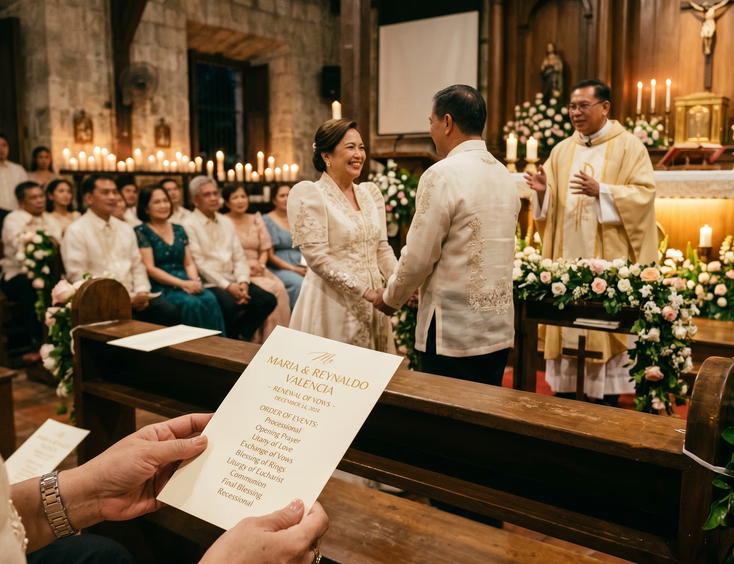
Filipino couples planning a vow renewal usually reach the same question once the venue and guest list lock in: what actually happens during the ceremony itself? The wedding day program from years ago might live in a folder somewhere, but a renewal does not follow the same structure. You skip the parts that only apply to a first marriage, keep the parts that still carry meaning, and add elements that mark the years between.
This guide lays out a sample order of ceremony Filipino couples can adapt for their own renewal, with timing estimates and notes on which parts to keep, cut, or adjust.
How Long a Renewal Ceremony Runs
Most Filipino vow renewal ceremonies run forty-five minutes to an hour and fifteen minutes. Catholic blessing services within a Mass can stretch to an hour and a half. Non-religious garden ceremonies often wrap in thirty to forty-five minutes.
The exact length depends on three factors: whether you include a full Mass or just a blessing service, how many readings or musical numbers you add, and how long the couple's personal vow exchange runs.
For a fuller view of how renewal services work within the Catholic context, the plain English guide to renewing vows in the Catholic Church in the Philippines covers what the church permits.
Sample Program for a Catholic Vow Renewal Inside Mass
Couples celebrating milestone anniversaries often arrange the renewal during a regular Sunday Mass at their home parish. The renewal moments fit into the Mass structure without replacing it.
Pre-ceremony seating and music. Guests arrive thirty minutes early. A musician plays soft instrumental music as people settle in. The couple waits in the side chapel or sacristy.
Processional. The couple walks in together rather than separately. Children, if grown, walk ahead of the parents. The procession runs three to five minutes with the entrance hymn playing.
Liturgy of the Word. The standard Sunday readings run as scheduled. The couple may serve as readers themselves, which adds personal weight to the moment.
Homily. The priest weaves in remarks about the couple's renewal and the meaning of long marriage.
Renewal of vows. After the homily, the couple stands before the altar. The priest invites them to renew the promises they made on their wedding day. They exchange renewed vows, either reading from the missal or speaking words they wrote themselves.
Blessing of the rings. The couple removes their wedding rings, the priest blesses them, and the rings go back on their fingers. Some couples buy new rings or upgraded bands for the renewal.
Cord, veil, and coins ceremony. Sponsors drape the veil and cord, and the couple exchanges the coins. The how to incorporate the cord, veil, and coins into your vow renewal covers the sequence in detail.
Sign of peace. The couple greets their family. Children come forward to embrace their parents.
Communion and remainder of Mass. The Mass proceeds normally.
Closing remarks. The priest offers a final blessing specific to the couple. The recessional plays as the couple exits, followed by family.
Total runtime: roughly one hour fifteen minutes to one hour thirty minutes.
Sample Program for a Catholic Blessing Service Outside Mass
Couples holding the ceremony at a hotel chapel, a venue chapel, or a garden often book a blessing service rather than a full Mass. The structure compresses to forty-five minutes to an hour.
Pre-ceremony seating and music. Guests arrive twenty minutes early. Soft instrumental music plays.
Processional. The couple walks in, with children ahead or alongside them. Runs three minutes.
Opening prayer. The officiant welcomes guests and opens with a brief prayer.
Scripture reading. One reading from a family member. Common choices include 1 Corinthians 13 or Ecclesiastes 4:9-12. Runs three to five minutes.
Homily or reflection. The officiant speaks for five to ten minutes about marriage and the couple's specific journey.
Renewal of vows. The couple exchanges renewed vows. If they wrote their own, the exchange takes five to ten minutes. Pre-written vows from a script run two to three minutes. The Catholic vow renewal ceremony script for Filipino couples provides traditional wording.
Ring blessing. Brief moment, runs two minutes.
Cord, veil, and coins. Eight to ten minutes including the brief moments of silence and music between each ritual.
Blessing of the couple. The officiant lays hands on the couple's shoulders and offers a final blessing.
Recessional. Music plays as the couple exits, followed by family and guests.
Total runtime: roughly forty-five minutes to one hour.
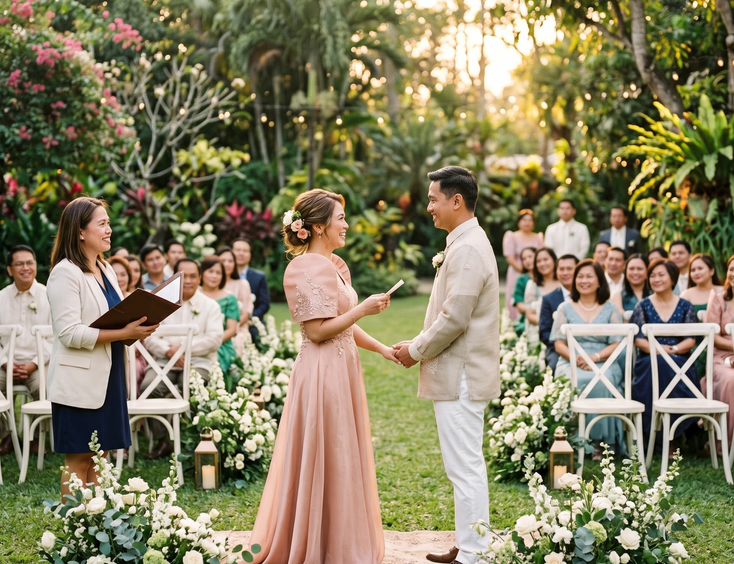
Sample Program for a Non-Religious Renewal Ceremony
Couples opting for a non-religious ceremony usually run a shorter, more conversational program. The structure stays flexible, with the couple shaping the order to fit their own story.
Welcome from the officiant. The officiant, who might be a civil officiant, a close friend, or a family member, opens the ceremony. The opening runs three to five minutes and often includes a brief story about the couple.
Reading or shared reflection. A family member or close friend reads a poem, a passage, or a personal message. The vow renewal toasts and speeches covers what works for non-religious settings.
Couple's reflection. The couple shares a few words to the gathered guests, talking about the years since the wedding. Runs three to five minutes total.
Exchange of renewed vows. The couple faces each other and exchanges vows. Personal vows usually run two to four minutes each. The how to write wedding vow renewal vows that capture years of marriage covers how to draft them.
Ring re-exchange or symbolic gesture. Couples might re-exchange rings, light a candle together, or do another symbolic act. Some Filipino couples include the cord and veil even in non-religious ceremonies. Runs three to five minutes.
Closing words. The officiant offers a final blessing or closing statement. The couple may invite guests to a toast or directly into the reception.
Recessional. Music plays as the couple exits.
Total runtime: roughly thirty to forty-five minutes.
For more on shaping a secular ceremony, the non religious vow renewal ceremony ideas in the Philippines covers ceremony elements specifically built for non-Catholic settings.
Sample Program for an Intimate Home Renewal
Home renewals or backyard ceremonies often condense the program into something closer to a structured family gathering. The full program rarely runs more than thirty minutes.
Family gathers in the ceremony space. No formal processional. The couple stands at the front with children or siblings beside them.
Opening words. The officiant, often a close family friend or a hired civil officiant, welcomes everyone and explains why the family came together.
Brief reflection or reading. A daughter, son, or sibling reads something short.
Couple exchanges vows. Personal vows run three to five minutes total.
Symbolic act. Some couples include a cord and veil moment, light a candle together, or share a brief blessing from the eldest parent or grandparent still present.
Closing. The officiant pronounces the renewal and invites guests to a meal.
Total runtime: twenty to thirty minutes.
The backyard and ancestral home vow renewal ideas for Filipino families covers the logistics around home ceremonies in more detail.
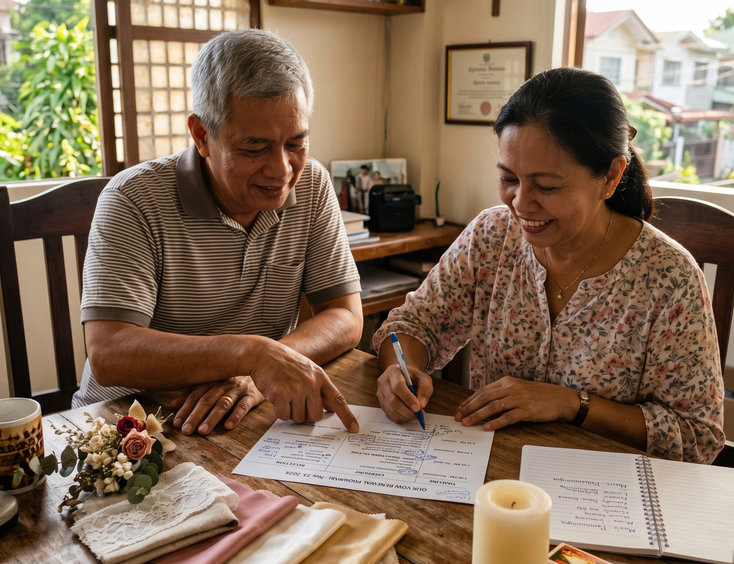
Building Your Own Program
Most couples mix and match elements from the samples above. A renewal at a garden venue might use the Catholic blessing structure but skip the ring blessing because the rings stayed on for the entire marriage. A home renewal might keep the cord, veil, and coins but cut the formal procession.
Walk through the elements you want to include and assign rough timings. The full program should clock in at the runtime you want. If the rough timing pushes past an hour fifteen and you wanted forty-five minutes, cut the readings or shorten the vows.
Pay attention to pacing. A ceremony that runs back-to-back rituals without pause feels rushed. Build in brief moments of silence after the vow exchange and during the cord and veil. Music between sections gives guests room to absorb what they just heard.
The Role of an Officiant
The officiant runs the program. They keep timing, cue family members for their parts, and handle transitions between rituals. A weak officiant can stretch a thirty-minute ceremony to an hour with awkward pauses. A strong one keeps the energy moving without rushing.
For Catholic ceremonies, the parish priest or a family priest handles the officiating. For non-religious ceremonies, couples hire a civil officiant or ask a close friend or family member to take the role. The hiring an officiant for a non religious vow renewal in the Philippines covers how to find and brief the right person.
Rehearsal and Briefing
Even short ceremonies benefit from a rehearsal the day before. Walk through the program with the officiant, the readers, the sponsors handling the cord and veil, and the family members in the processional. The rehearsal runs about thirty minutes and catches small issues before the actual ceremony.
Print the program for guests. A simple folded program lists the order, the names of family members participating, and the songs played. Guests appreciate knowing what comes next.
Coordinating with the Reception
The ceremony program affects the reception timing. A ceremony that wraps at 4 PM with a reception planned for 6 PM leaves a two-hour gap that strands guests. A ceremony that runs past the planned reception start time pushes everything else back.
Build the program with the full day in mind. If the ceremony runs ninety minutes and the reception starts immediately after, plan an hour of cocktails for guests to mingle while the couple takes photos. If the ceremony runs thirty minutes and the meal serves right after, no buffer needed.
For the wider planning context, the vow renewal planning checklist for Filipino couples covers the day-of timeline beyond just the ceremony.
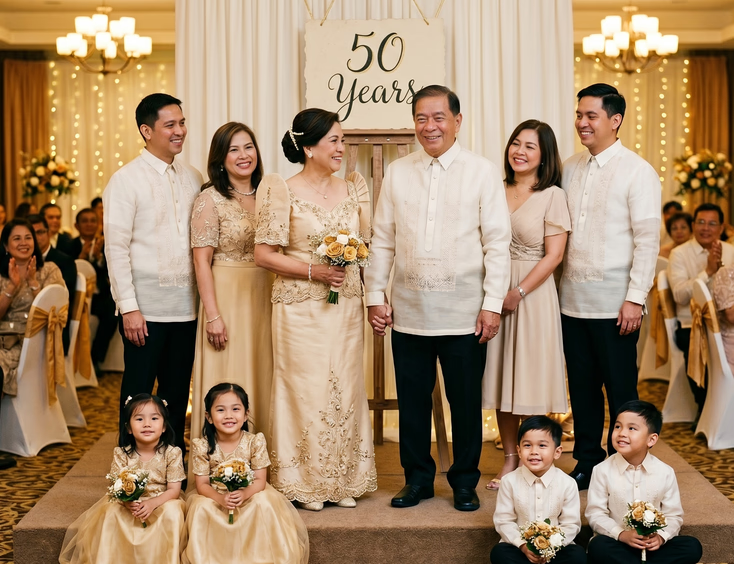
Adjusting for Your Anniversary Year
Couples celebrating different milestone anniversaries sometimes adjust the program to fit the year. A tenth anniversary renewal might keep the program light and short, since the couple is still relatively young. A fiftieth anniversary often runs longer, with more family members participating and more time given to reflections from grown children and grandchildren.
The Filipino wedding anniversary names and symbols by year gives the meaning behind each milestone, which couples sometimes work into the ceremony itself.
Final Notes on Program Pacing
The program exists to give shape to the ceremony, not to constrain it. Couples who try to pack too much into the program end up with a ceremony that feels like a checklist. Couples who keep the program tight and meaningful end up with something guests remember.
Pick three or four elements that matter most. Build the program around those. Cut everything that does not earn its place.
The complete Filipino couple's guide to renewing your I do covers how the program fits into the broader celebration so you can keep the day balanced from start to finish.
Still Searching for a Right Match?
Find Your Perfect Wedding Supplier Today!
Discover trusted wedding suppliers across the Philippines in our complete directory. Compare services and connect with the ones that fit your dream celebration.
Browse Wedding SuppliersFeatured Blog Posts

Filipino Wedding Entourage - Roles, Order of March, and Modern Etiquette
6 mins readCivil Weddings in the Philippines - Requirements, Costs, and Step-by-Step Process
9 mins readCivil Wedding Requirements in the Philippines - Complete Checklist
6 mins readCost of Wedding in the Philippines - 5 Essential Things You Need to Know
7 mins readPrincipal Sponsors (Ninong/Ninang) - How Many, How to Ask, What They Really Do
4 mins readVeil, Cord, Candle & Coins - Roles, Options, and When They Happen
4 mins readEntourage for a Traditional Pinoy Wedding - Complete Roles and Guide
6 mins readComplete List of Civil Wedding Requirements in the Philippines
8 mins readHow to Choose Wedding Ninongs and Ninangs - Ask Yourself These 3 Important Questions
5 mins read