


Backyard and Ancestral Home Vow Renewal Ideas for Filipino Families
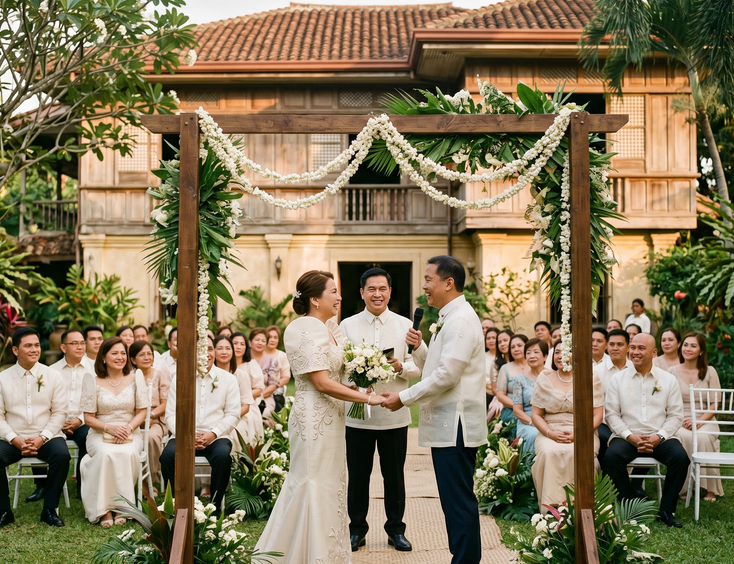
The house you grew up in already carries the meaning a hotel ballroom spends thousands of pesos trying to recreate. Lola's dining table where everyone still fights over the last piece of lechon. The garden where your tito hung the parol every December. The sala where your parents danced at their own anniversary twenty years ago.
Filipino couples renewing vows at home or in an ancestral house tap into something rented venues cannot match. The walls remember the family. The neighbors know to bring extra chairs without being asked. And the budget often shrinks to a fraction of what a destination ceremony would cost.
This guide covers how to plan a backyard or ancestral home vow renewal, what to prepare for, and how to make the day work logistically.
Why Home Venues Suit Vow Renewals
Vow renewals carry different weight than weddings. The pressure to impress drops because everyone already knows you. The guest list narrows to the people who actually matter. And the ceremony itself often runs simpler, without the procession of ninongs and ninangs or the full Catholic Mass.
A home setting matches this scaled-down energy. You skip the venue search, the corkage fees, and the seating chart politics. Your eight-year-old niece can run barefoot. Your eighty-year-old lola doesn't need to navigate hotel hallways.
For the bigger picture on planning a renewal end to end, the complete Filipino couple's guide to renewing your I do covers the full arc.
Choosing Between Backyard and Ancestral Home
Backyard renewals usually happen at your current home or a sibling's house. The location feels personal but also practical, since you already know the wiring, the parking situation, and which neighbors will complain about the noise.
Ancestral homes carry more weight. The house your grandparents built or your parents grew up in connects the ceremony to family lineage. Couples celebrating silver, pearl, or golden anniversaries often pick the ancestral house specifically because the location ties the milestone to multiple generations.
Both setups work. The choice depends on which space holds more meaning and which one fits your guest count.
Planning the Layout
A house was designed for daily living, not a ceremony of forty people. Walk through the space three months before the renewal and map out where each part happens.
The ceremony spot usually sits in the garden, the front lawn, or the largest indoor room cleared of furniture. The reception flows into the dining area, the lanai, or a tent set up on the driveway. The kitchen handles food prep but cannot also serve as the cocktail area without crowding.
Common layouts for Filipino homes:
The garden ceremony with the reception inside the sala and dining room. Works for thirty to fifty guests if the garden fits a small altar setup and rows of monobloc or rented chiavari chairs.
The indoor ceremony in the sala with the reception spilling into a tent on the driveway. Works for smaller groups under thirty and rainy season dates.
The ceremony on the second-floor balcony or terrace overlooking the garden, with guests seated below. Works when the house has a balcony positioned for it.
The lanai ceremony with the meal served family-style at long tables. Works for casual renewals where the food and the gathering matter more than the formal program.
Handling the Catering
Home renewals split into two catering approaches. Either the family cooks, or you hire outside catering.
The family-cooked route fits smaller gatherings under twenty-five guests. Aunts and cousins each bring a dish. Lechon comes from the usual lechonero in the neighborhood. Someone bakes the cake. The food carries the personality of the family rather than a generic catering menu.
The outside catering route makes sense once guest counts pass thirty. You skip the stress of cooking the day of the ceremony and the cleanup afterward. Look for caterers who handle home events specifically, since they bring their own chafing dishes, serving staff, and cleanup crew.
The catering, cake, and salu salo ideas for a Filipino vow renewal covers menu approaches that fit home settings.
Working with What the House Already Has
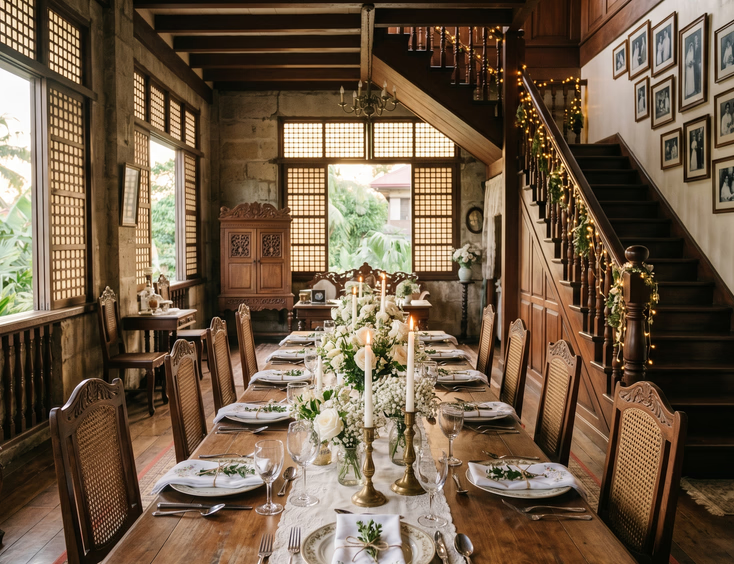
Ancestral homes often carry built-in styling that outside venues spend money trying to fake. The capiz windows, the antique narra furniture, the family santos in the corner, the framed wedding photos of parents and grandparents along the staircase wall.
Resist the urge to cover all of it with rented decor. The house's existing character does half the styling work. Add fresh flowers to existing vases. Drape soft fabric along the staircase railing. Hang string lights across the garden trees. Then stop.
The memory lane and photo display ideas for vow renewal receptions gives more on how to lean into family history without overdoing it.
What to Rent, What to Buy, What to Borrow
Home renewals need equipment the house does not own. Plan for the following:
Chairs for guests. Monobloc chairs work for casual setups. Rent chiavari or tiffany chairs for formal renewals. Plan for at least one chair per guest plus ten extras.
Tables and table linens. Borrow from neighbors and family if your group is small. Rent if you need more than four tables.
Sound system. A small home speaker will not carry across a garden ceremony. Rent a basic PA system with one or two microphones.
Lighting. Daytime ceremonies skip this. Evening ceremonies need string lights, lanterns, or rented uplighting for the garden and reception area.
Tent or canopy. Rainy season ceremonies need a tent over the ceremony or reception area. Even dry-season ceremonies benefit from a canopy for shade.
Portable restrooms. Once guest counts pass thirty, the house's one or two bathrooms cannot handle the load. Either rent portable restrooms or coordinate with a neighbor to use their bathroom as overflow.
Parking and Guest Flow
The single biggest logistical issue with home renewals: where do forty cars park?
Solutions Filipino families use:
Coordinate with neighbors a week ahead. Many neighbors agree to let guests park in their driveways or in front of their houses for a few hours.
Hire a parking attendant or two. A friend's high school son with a flashlight can direct cars into tight spots and keep the street organized.
Run a shuttle from a nearby parking area. If the house sits in a subdivision with a clubhouse or a nearby church, guests park there and shuttle in via two or three trips of a borrowed van.
Encourage carpooling in the invitation. Mention parking limitations directly and ask guests to ride together.
Weather and Backup Plans
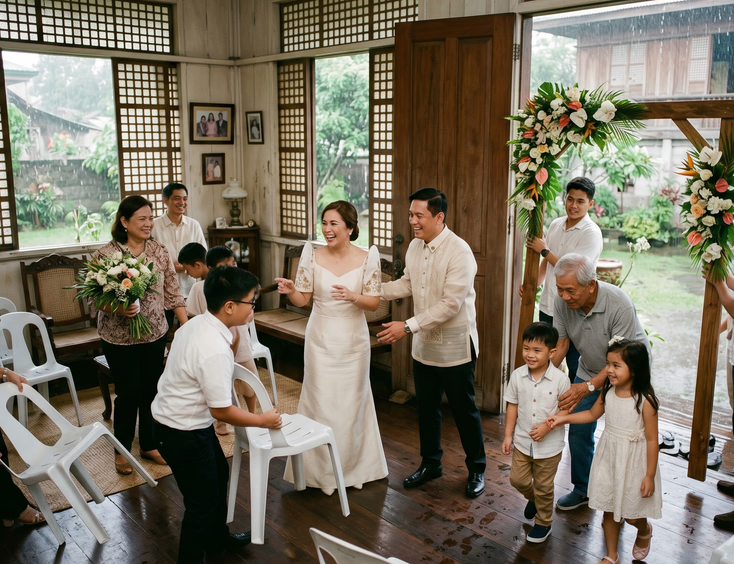
Outdoor home renewals carry weather risk. The garden ceremony you planned in March might get hit by an unexpected afternoon downpour.
Every outdoor home renewal needs an indoor backup. Walk through the sala, the dining room, and any covered terrace. Figure out which room can hold the ceremony if the garden floods. Have the chairs ready to move in fifteen minutes.
Couples often plan the ceremony for late afternoon to catch golden hour light, but rainy season afternoons run unpredictable. Morning ceremonies between 9 and 11 AM beat the typical afternoon rain pattern.
The Family Role
Home renewals lean heavily on family help, which doubles as part of the meaning. Aunts arrange flowers. Cousins handle the welcome table. Siblings emcee. The youngest grandchild rings the bell or carries the rings on a small pillow.
The involving your children and family in your vow renewal ceremony covers specific ways to give each family member a meaningful role.
Pay attention to who carries the workload on the day itself. Your siblings should not be running around setting up chairs while you stand at the altar. Hire a day-of coordinator or assign one cousin to manage logistics so family can actually attend the ceremony as guests.
Budgeting a Home Renewal
Home renewals run significantly cheaper than venue-based ones, but not free. Realistic budget ranges for a fifty-guest home renewal:
Venue cost: zero, since you own the location.
Rentals (chairs, tables, sound, lights, tent): PHP 30,000 to PHP 80,000.
Catering: PHP 40,000 to PHP 150,000 depending on whether you hire outside or family-cook.
Florals and styling: PHP 15,000 to PHP 50,000.
Photographer and videographer: PHP 40,000 to PHP 100,000.
Officiant honorarium: PHP 3,000 to PHP 10,000.
Total for a modest home renewal: roughly PHP 130,000 to PHP 400,000.
The realistic budget breakdown for a vow renewal in the Philippines gives line-item ranges for comparison with venue-based options.
Permits and Practical Considerations
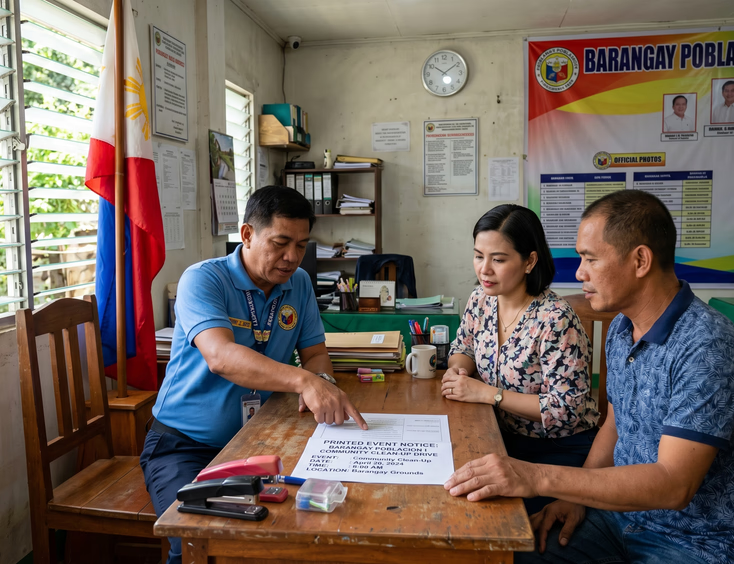
Most home renewals do not need barangay permits if the guest count stays under fifty and the ceremony wraps before 10 PM. Larger gatherings or those with amplified music past curfew might require a notice to the barangay. Check with your local barangay hall a month ahead if you expect more than fifty guests or plan to run music past 9 PM.
For ancestral homes shared among extended family, get written agreement from the other family members who hold rights to the property. The renewal day is not the time for a tito to complain about not being consulted.
Making the House Feel Like a Venue
The line between a home gathering and a proper renewal ceremony comes down to small touches. Print a program guests can hold. Set up a guest book on a console table. Reserve front-row seats for parents, children, and grandchildren with handwritten signs.
The setup does not need to look professional. It needs to feel intentional. Guests notice the difference between a casual lunch at lola's house and a renewal ceremony held at lola's house. The intentional touches mark the day.
The vow renewal planning checklist for Filipino couples covers the timing for each piece so the home setup happens in the right order.
When Home Beats a Venue
Couples sometimes default to booking a venue because that's what weddings do. Vow renewals don't carry that obligation. If your home or your family's ancestral house holds meaning, hosting the ceremony there often beats the polished hotel ballroom for one reason: the location itself is part of the vow you're renewing.
The house witnessed the years. The garden saw the kids grow up. The dining table held the meals where you worked out the hard seasons. Renewing vows in that space gives the ceremony a ground that no rented venue carries.
Pick the venue that matches the meaning. For many Filipino couples, that venue sits at home.
Still Searching for a Right Match?
Find Your Perfect Wedding Supplier Today!
Discover trusted wedding suppliers across the Philippines in our complete directory. Compare services and connect with the ones that fit your dream celebration.
Browse Wedding SuppliersFeatured Blog Posts





Filipino Wedding Entourage - Roles, Order of March, and Modern Etiquette
6 mins readCivil Weddings in the Philippines - Requirements, Costs, and Step-by-Step Process
9 mins readCivil Wedding Requirements in the Philippines - Complete Checklist
6 mins readCost of Wedding in the Philippines - 5 Essential Things You Need to Know
7 mins readPrincipal Sponsors (Ninong/Ninang) - How Many, How to Ask, What They Really Do
4 mins readVeil, Cord, Candle & Coins - Roles, Options, and When They Happen
4 mins readEntourage for a Traditional Pinoy Wedding - Complete Roles and Guide
6 mins readComplete List of Civil Wedding Requirements in the Philippines
8 mins readHow to Choose Wedding Ninongs and Ninangs - Ask Yourself These 3 Important Questions
5 mins read