


How to Get a Prenuptial Agreement: A Step-by-Step Guide

Getting a prenup follows a clear sequence. You talk it through, decide on terms, draft with a lawyer, sign, notarize, and register. Miss the order or skip a step and the agreement weakens or fails. Follow it and you walk into your marriage with the financial side settled.
Here's the full process, start to finish, so you know what each stage asks of you and what comes next.
Step one: talk it through with your partner
Everything starts with the conversation, and it's the step couples find hardest. Before any paperwork, you and your partner need to agree that a prenup makes sense and align on what it should cover.
Raise it early, frame it around the life you're building, and present it as protection for both of you rather than a demand. The approach in how to talk to your partner about a prenup keeps this from turning into a fight. The conversation also carries legal weight, since an agreement one partner felt forced into can be challenged later. Reach genuine agreement here before you move on.
Step two: take stock of your assets and goals
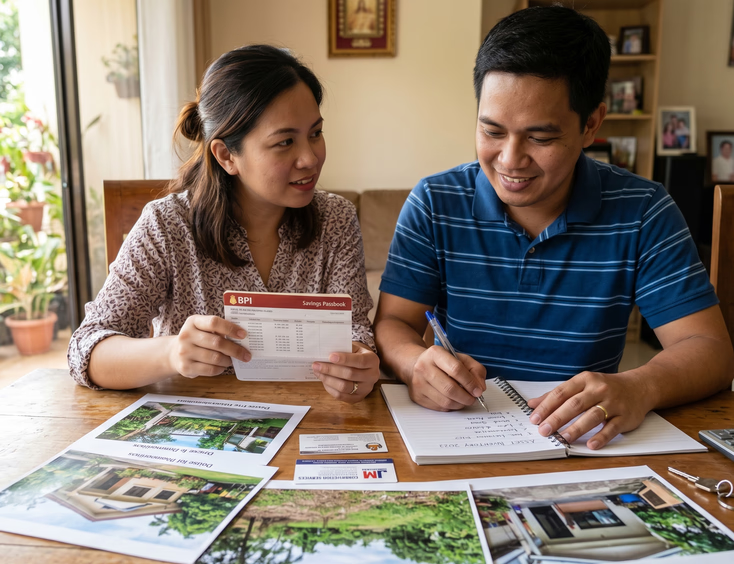
Once you both agree to proceed, list what you're bringing into the marriage and what you want to protect.
Write down your properties, savings, businesses, debts, and any inheritance you expect. Note what each of you owns separately and what you plan to share. This inventory shapes every later decision, and it tells you which property regime fits. Couples with a business or family land have more to map here, which protecting your inheritance and family business through a prenup addresses, and the signs a prenuptial agreement makes sense for your situation confirm whether your assets call for one.
Step three: choose your property regime
With your assets mapped, decide which arrangement governs them. The Family Code offers four routes: Absolute Community of Property, Conjugal Partnership of Gains, Complete Separation of Property, or a custom design within legal limits.
Each treats your house, salary, business, and debt differently, so the choice depends on the inventory you built in step two. The breakdown of the four property regimes walks through how each one works, so you pick the one that matches the life you're planning.

Step four: engage a lawyer to draft it
A prenup needs a lawyer. The terms have to stay within the law, and a clause that crosses a legal boundary can void the protection you're building.
Bring your asset inventory and chosen regime to a family law specialist, who turns your decisions into a properly drafted agreement. Many couples engage separate lawyers so each gets independent advice, which strengthens the agreement against a later claim that one partner didn't understand it. The guide to choosing the right lawyer for your prenuptial agreement covers what to look for, and the fees for this stage appear in the cost of a prenuptial agreement in the Philippines.
Step five: review and sign before the wedding
Read the draft carefully, raise questions, and adjust the terms until both of you understand and accept every clause. Then sign, before the wedding.
This timing is absolute. An agreement signed after the ceremony carries no legal effect, so the signing has to happen while you're still engaged. Couples usually sign with witnesses present, adding proof that both parties agreed freely. The full set of formalities appears in the legal requirements for a valid prenuptial agreement.
Step six: have it notarized
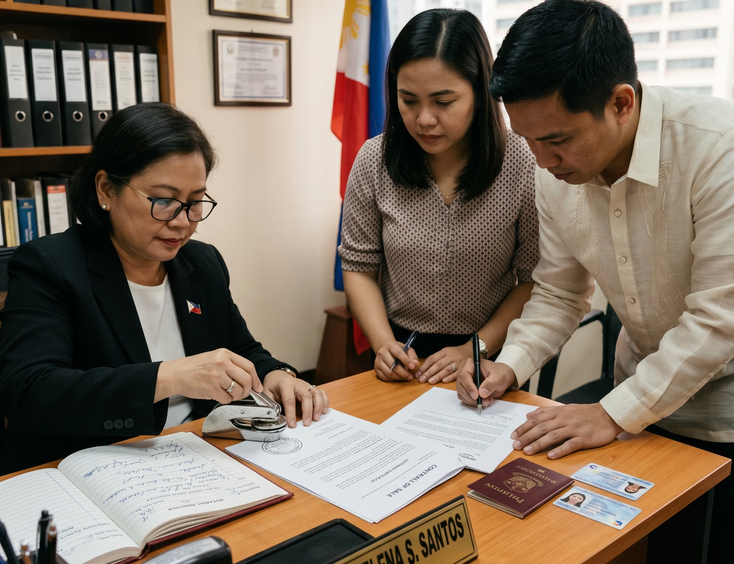
A signed agreement needs notarization to carry legal weight. You and your partner appear before a notary public, present valid identification, and sign.
Notarization turns your settlement into a public document, gives it evidentiary strength, and makes it eligible for the final step. It's a quick stage with a modest fee, and it's not optional.
Step seven: register the agreement
The last step is the one couples skip most, and it carries real consequences. Record the marriage settlement in the Local Civil Registry where your marriage is registered. If the agreement covers real property, also record it in the Registry of Deeds where that property sits.
Registration is what binds third parties like banks, creditors, and buyers. Without it, your agreement still governs you and your spouse, but outsiders can act as if it never existed. The stakes appear in full in why your prenup must be registered.
Keeping the sequence on schedule
The whole process has to finish before the wedding, and the conversation, drafting, and review take time you don't want to compress into the final weeks. Start early. The timeline for fitting a prenup into your wedding planning shows where each step belongs in your planning, and the pamamanhikan offers a natural moment to bring families into the discussion, which raising the prenup during the pamamanhikan covers.
For how a marriage settlement works start to finish, who it serves, and how to set one up, the complete guide to prenuptial agreements in the Philippines brings the full picture together.
This article gives general information, not legal advice. Talk with a licensed Philippine family lawyer before drafting or signing any agreement.
Still Searching for a Right Match?
Find Your Perfect Wedding Supplier Today!
Discover trusted wedding suppliers across the Philippines in our complete directory. Compare services and connect with the ones that fit your dream celebration.
Browse Wedding SuppliersFeatured Blog Posts





Filipino Wedding Entourage - Roles, Order of March, and Modern Etiquette
6 mins readCivil Weddings in the Philippines - Requirements, Costs, and Step-by-Step Process
9 mins readCivil Wedding Requirements in the Philippines - Complete Checklist
6 mins readCost of Wedding in the Philippines - 5 Essential Things You Need to Know
7 mins readPrincipal Sponsors (Ninong/Ninang) - How Many, How to Ask, What They Really Do
4 mins readVeil, Cord, Candle & Coins - Roles, Options, and When They Happen
4 mins readEntourage for a Traditional Pinoy Wedding - Complete Roles and Guide
6 mins readComplete List of Civil Wedding Requirements in the Philippines
8 mins readHow to Choose Wedding Ninongs and Ninangs - Ask Yourself These 3 Important Questions
5 mins read