


Bringing Up the Prenup at the Pamamanhikan: Blending Tradition and Practicality
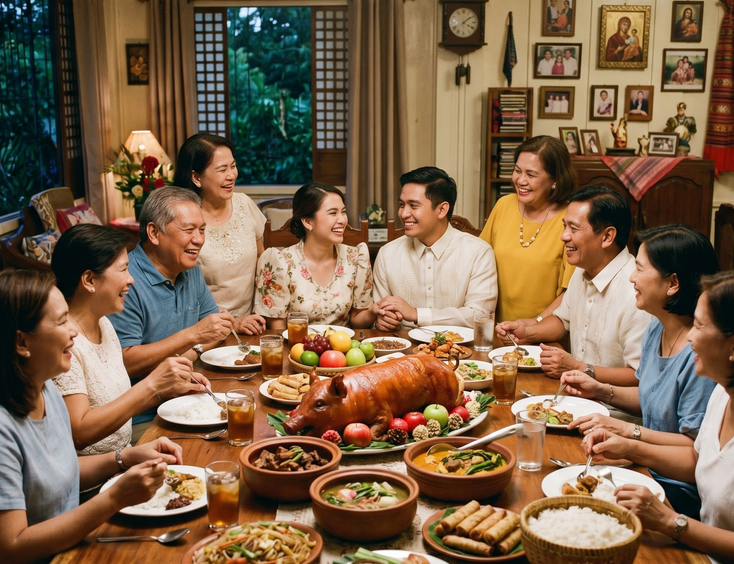
The pamamanhikan already does the work you need. Two families gather, share a meal, and settle the practical side of a wedding, who contributes what, how the celebration comes together, what each side expects. Money has always sat at that table. A prenup fits the same conversation more naturally than couples assume, because the gathering exists to handle exactly this kind of practical matter between families.
Here's how to raise the prenup during the pamamanhikan in a way that honors the tradition and gets the conversation you need.
Why the pamamanhikan suits this conversation
The pamamanhikan is the moment the groom's family formally visits the bride's family to ask for her hand and settle wedding plans. Historically it carried real negotiation, families discussing arrangements, contributions, and expectations face to face.
That history works in your favor. The gathering already holds money and family-property conversations as part of its purpose, so a prenup discussion doesn't intrude on it, it belongs to it. Raising the topic here frames it as a family planning matter rather than a private suspicion between partners, which softens the discomfort many families attach to the word. The fears that surface usually trace back to common misreadings, which the prenuptial agreement myths many Filipino couples still believe address.
Settle it with your partner first
Walk into the pamamanhikan aligned, never with the prenup as a surprise. You and your partner need to agree, beforehand, that a prenup makes sense and broadly what it covers.
Raising it for the first time in front of both families turns a sensitive topic into an ambush, and it puts your partner on the spot in front of their parents. Have the conversation privately first, reach genuine agreement, then bring a united front to the gathering. The approach in how to talk to your partner about a prenup helps you get there before the families meet.
Frame it around family, not just the couple
Families respond to a prenup differently when they see it protects more than one partner. Many Filipino families care deeply about keeping property within the bloodline, and a prenup can serve exactly that goal.
Present the agreement as something that protects both sides, including family property and inheritance the parents may want kept intact across generations. A family that hears "this keeps the land in the family" reacts differently than one that hears "one of them wants a prenup." This angle matters most when a business or inherited property is involved, which protecting your inheritance and family business through a prenup covers.
Read the room and choose your moment
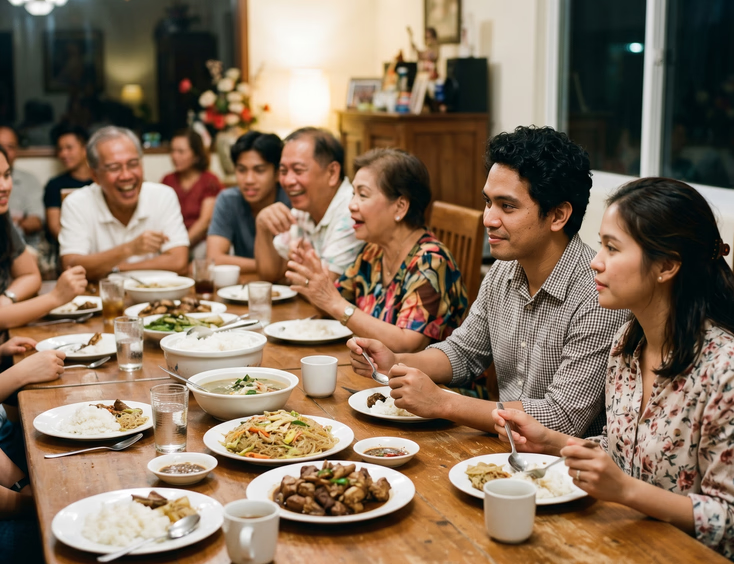
The pamamanhikan has a rhythm, the welcome, the meal, the easing into practical talk. Force the prenup in too early and it sours the gathering. Wait for the natural point where wedding logistics and contributions come up, and the prenup follows the flow of the conversation already underway.
Let the money topics arise as they traditionally do, then fold the prenup in as part of settling the practical side. Reading the moment matters more than rehearsing a speech. You want the families relaxed and already discussing arrangements when the topic surfaces.
Handle resistance with respect
Some families will push back, and meeting that with patience does more than arguing. Listen to the concern beneath the objection, often a fear that the prenup signals doubt about the marriage, and address it calmly.
Explain what the document does and doesn't do, that it protects both partners, that it settles property questions the law would otherwise decide by default. The elders at the table may need time, and a respectful exchange beats winning a point. If parents understand that the alternative is the default Absolute Community of Property regime applying automatically, the prenup looks less like distrust and more like planning, which the difference between signing a prenup and relying on the default lays out.
Fitting it into the wider timeline
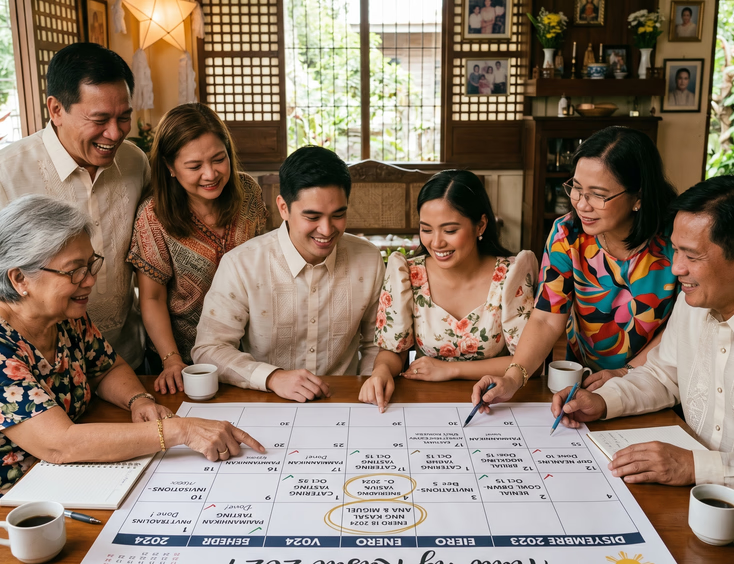
The pamamanhikan happens during the engagement, which places it well for raising a prenup that has to be signed before the wedding. Using the gathering to introduce the topic early gives everyone, the couple and both families, time to absorb it rather than reacting to a signed document weeks before the ceremony.
After the families have weighed in, the practical steps follow, drafting, signing, notarizing, registering. The timeline for fitting a prenup into your wedding planning shows where the pamamanhikan sits in the sequence, and the step-by-step guide to getting a prenuptial agreement covers what comes after the conversation.
Tradition and planning working together
The pamamanhikan survived because it does something useful: it brings two families together to handle the practical side of joining their lives. A prenup serves the same purpose with legal tools. Raised with respect, at the right moment, framed around the family rather than against the marriage, the prenup fits the tradition rather than fighting it.
For how a marriage settlement works start to finish, who it serves, and how to set one up, the complete guide to prenuptial agreements in the Philippines brings the full picture together.
This article gives general information, not legal advice. Talk with a licensed Philippine family lawyer before drafting or signing any agreement.
Still Searching for a Right Match?
Find Your Perfect Wedding Supplier Today!
Discover trusted wedding suppliers across the Philippines in our complete directory. Compare services and connect with the ones that fit your dream celebration.
Browse Wedding SuppliersFeatured Blog Posts

Filipino Wedding Entourage - Roles, Order of March, and Modern Etiquette
6 mins readCivil Weddings in the Philippines - Requirements, Costs, and Step-by-Step Process
9 mins readCivil Wedding Requirements in the Philippines - Complete Checklist
6 mins readCost of Wedding in the Philippines - 5 Essential Things You Need to Know
7 mins readPrincipal Sponsors (Ninong/Ninang) - How Many, How to Ask, What They Really Do
4 mins readVeil, Cord, Candle & Coins - Roles, Options, and When They Happen
4 mins readEntourage for a Traditional Pinoy Wedding - Complete Roles and Guide
6 mins readComplete List of Civil Wedding Requirements in the Philippines
8 mins readHow to Choose Wedding Ninongs and Ninangs - Ask Yourself These 3 Important Questions
5 mins read