


Corporate Event Planning Timeline and Checklist
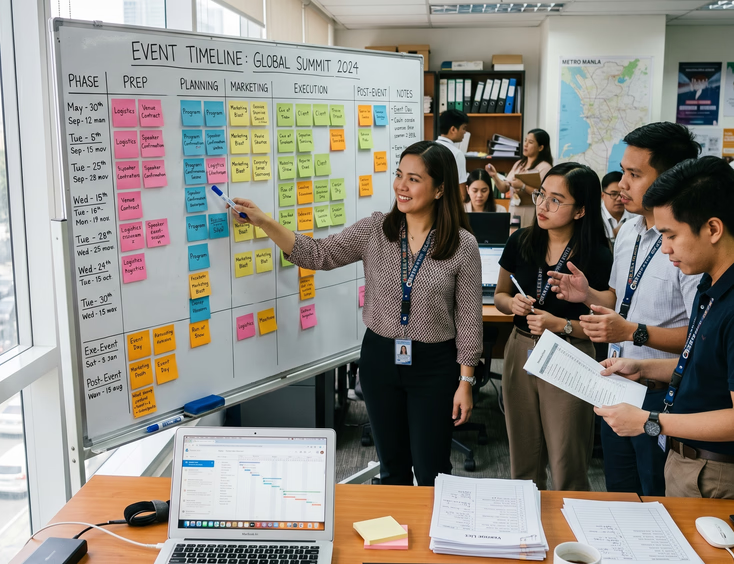
Corporate events fall apart when planning starts too late. A six-week timeline forces shortcuts. A three-month timeline gives you supplier options. A six-month timeline lets you negotiate venue rates and book the talent you actually want.
Here's a full corporate event planning timeline with checklists for each phase, from the initial briefing to the post-event reporting.
How Far Ahead to Start Planning
Different event sizes need different lead times. Starting too late costs you supplier options and negotiating leverage.
Small events (50 pax or less): 6 to 8 weeks lead time. Monthly team dinners, small product previews, intimate celebrations.
Mid-size events (100 to 300 pax): 3 to 4 months lead time. Company anniversaries, awards nights, quarterly events, mid-tier product launches.
Large events (300+ pax): 6 to 9 months lead time. Major anniversaries, grand product launches, awards galas, milestone celebrations.
High-profile or destination events: 9 to 12 months lead time. Top-tier celebrity talent, hotel ballroom bookings during peak season, multi-day offsites.
Peak season events (November and December for year-enders, March to May for graduations and milestone celebrations) need an extra month of lead time beyond the standard recommendations.
Phase One: Six to Nine Months Out
This phase locks in the major decisions that shape every other choice.
Define the event objective
- Confirm the business purpose. Recognition? Brand awareness? Team bonding? Client appreciation?
- Set measurable success metrics. See how to measure the success of a corporate event.
- Align with leadership on the event scope and tone.
Set the budget
- Get finance approval on the total budget envelope.
- Allocate percentages across major categories (venue, catering, AV, talent).
- Build a 10% to 15% contingency line. See sample corporate event budget breakdown.
Choose the date
- Check leadership calendars and major holidays.
- Avoid conflicts with industry events your guests might attend.
- Consider off-peak dates for better supplier rates.
Determine the guest list
- Confirm headcount range (minimum and maximum).
- Identify VIP guests requiring special accommodations.
- Draft initial invitation list for review.
Book the venue
- Site-visit shortlisted venues. See best corporate event venues in Metro Manila.
- Negotiate food and beverage minimums, ingress and egress times, and corkage policies.
- Sign the venue contract with downpayment.
Engage the event organizer
- Brief and shortlist event organizers. See how to choose the right event organizer for your company.
- Sign the coordination contract.
- Hand over venue details and event objectives.
Phase Two: Four to Six Months Out
Major suppliers and creative direction get locked in this phase.
Lock the theme and creative direction
- Choose the event theme. See trending corporate event themes for Filipino companies.
- Approve mood boards and design references.
- Confirm the brand or messaging direction.
Book key suppliers
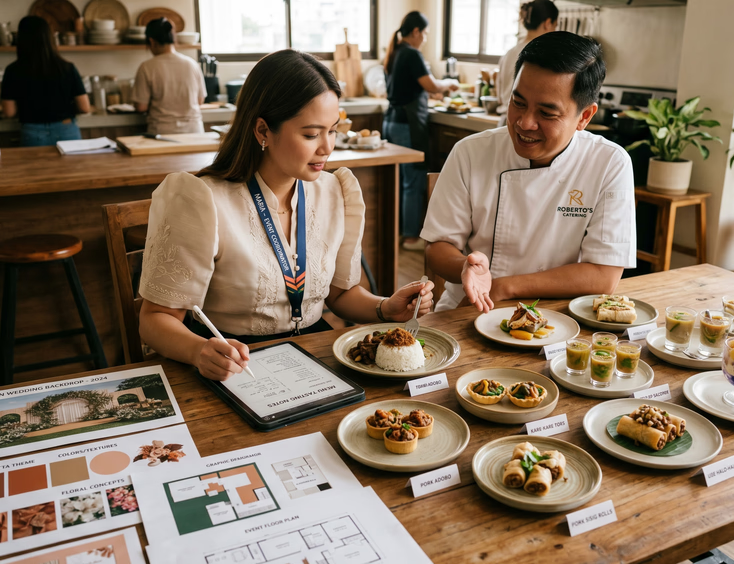
- Caterer: Confirm menu tasting dates. See best caterers for corporate events in the Philippines.
- Stylist and set designer: Finalize the creative brief. See corporate event stylists and set designers to know.
- AV supplier: Confirm equipment lists. See choosing AV, lights, and sound system suppliers.
- Photographer and videographer: Brief on deliverables. See guide to hiring corporate event photographers and videographers.
Secure entertainment and talent
- Book emcees, hosts, and performers. See hiring hosts, emcees, and performers for company events.
- Confirm talent contracts and technical requirements.
- Lock down music acts. See live band vs DJ for corporate parties.
Plan the program flow
- Draft the event run-down with rough timing.
- Identify program segments needing scripts or AV cues.
- Confirm leadership speaking roles.
Source giveaways and tokens
- Get quotations from multiple suppliers.
- Approve final giveaway design and quantities. See guide to sourcing corporate giveaways and tokens.
- Process supplier purchase orders.
Phase Three: Two to Three Months Out
The detailed work happens here. Every supplier needs final confirmation.
Finalize the menu
- Attend the catering food tasting.
- Confirm final menu selections and dietary accommodations.
- Approve the beverage package.
Approve all creative deliverables
- Sign off on backdrop designs, signage, and printed materials.
- Approve photo booth layouts and design.
- Confirm stage and styling renders.
Send save-the-date communications
- Distribute initial guest notifications.
- Open RSVP tracking. See managing RSVPs and guest lists for large events.
- Confirm VIP attendance.
Build the program script
- Draft the full emcee script.
- Confirm AV cues and music transitions.
- Schedule rehearsals for speakers and performers.
Plan the logistics
- Confirm parking arrangements at the venue.
- Arrange transportation for VIPs and talents.
- Plan ingress and egress flow for suppliers.
Process payments
- Pay supplier downpayments per contracted schedule.
- Track all approved invoices against budget.
Crisis and contingency planning
- Identify potential risks (weather, power outages, talent no-shows).
- Build backup plans for each major scenario. See crisis and contingency planning for corporate functions.
- Confirm venue backup options for outdoor events.
Phase Four: One Month Out
Detailed execution prep begins. Every loose end gets tied.
Send formal invitations
- Distribute final invites with all event details.
- Set RSVP deadlines (two weeks before event).
- Follow up on non-responders.
Finalize the guest list
- Confirm seating arrangements.
- Build the seating chart with table assignments.
- Print place cards if required.
Finalize all signage and print materials
- Approve final program booklets.
- Order signage with venue-specific dimensions.
- Print menu cards, place cards, and welcome signage.
Conduct the program rehearsal
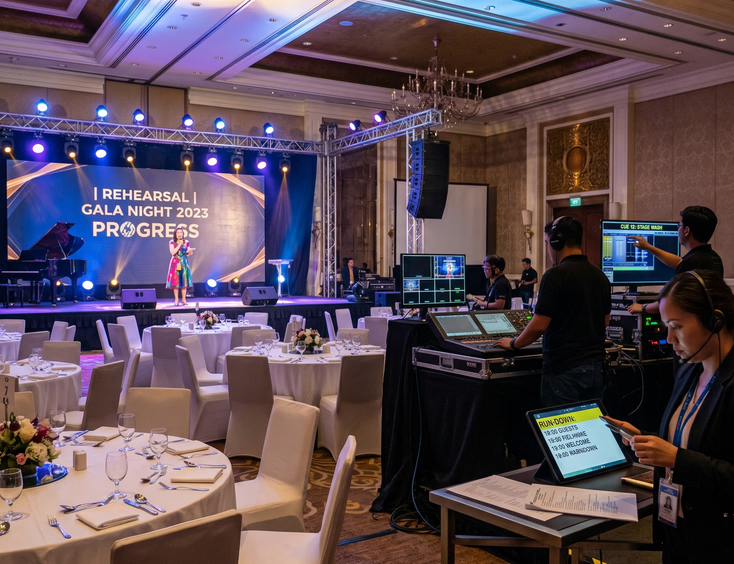
- Walk through the full program with emcee and key personnel.
- Practice transitions and AV cues.
- Time each segment realistically.
Brief the venue and suppliers
- Conduct site walkthrough with all key suppliers.
- Confirm ingress and egress schedules.
- Distribute supplier contact lists for coordination.
Confirm all supplier deliverables
- Verify equipment lists with AV team.
- Confirm catering headcount adjustments.
- Reconfirm talent arrival times.
Prepare emergency kit
- First aid supplies.
- Backup batteries and cables.
- Sewing kit for wardrobe emergencies.
- Stain remover and basic toiletries.
Phase Five: One Week Out
Tighten every detail. Reduce the number of decisions left for the event day.
Final headcount confirmation
- Lock guest headcount with caterer (most caterers require 72-hour confirmation).
- Adjust seating chart for last-minute changes.
- Confirm dietary accommodations.
Final supplier check-ins
- Reconfirm all supplier arrival times and contact persons.
- Verify ingress requirements with the venue.
- Confirm payment schedules for event day balances.
Distribute final run-down to the team
- Send detailed program flow to all internal stakeholders.
- Brief the on-day team on roles and responsibilities.
- Set up communication channels (group chat, walkie-talkies).
Test all AV and technical setups
- Run dress rehearsal at the venue if possible.
- Check microphones, projectors, LED walls, and lighting.
- Test backup equipment.
Prepare event day materials
- Print all collaterals (programs, place cards, signage).
- Pack giveaways and tokens for distribution.
- Organize supplier payment envelopes if cash payments are required.
Send guest reminders
- Email or SMS reminder with venue address, dress code, and program start time.
- Share parking and venue directions.
- Confirm any required guest information (RSVP, dietary needs).
Phase Six: Event Day
The execution phase. No new decisions, only execution of locked plans.
Morning preparation (6 to 10 hours before event)
- Arrive at the venue with the core team.
- Coordinate supplier ingress in scheduled order.
- Verify setup against approved layouts.
Afternoon setup (3 to 6 hours before event)
- Conduct AV checks with all microphones and projectors live.
- Run lighting cues with the AV team.
- Walk through the program with the emcee and key speakers.
Pre-event final checks (1 to 2 hours before event)
- Test food at the catering stations.
- Verify all signage is in place.
- Brief the registration team.
- Confirm VIP arrival arrangements.
During the event
- Manage program flow per the run-down.
- Coordinate supplier handoffs.
- Handle on-the-spot adjustments without disrupting guests.
- Document the event with photo and video teams.
Post-event wind-down
- Distribute supplier payments per contract.
- Coordinate egress and venue clearance.
- Collect signed delivery receipts from suppliers.
- Secure all company property and unused materials.

Phase Seven: Post-Event (One Week After)
The event isn't over until the reporting is done.
Process final payments
- Release final supplier payments.
- Process any approved overtime billing.
- Close the project budget with finance.
Collect deliverables
- Receive photo and video deliverables from documentation team.
- Approve final edited versions.
- Distribute internal communications using the content.
Send thank-you communications
- Email guests with event highlights and photos.
- Send appreciation notes to suppliers who exceeded expectations.
- Thank internal team members involved in execution.
Conduct the post-event review
- Schedule a debrief meeting with the core planning team.
- Document what worked and what didn't.
- Capture supplier performance feedback.
Measure success against objectives
- Track attendance vs. RSVP.
- Review guest feedback if surveys were distributed.
- Assess business outcomes (sales generated, retention impact, brand mentions).
- See how to measure the success of a corporate event.
File the event archive
- Save all event documents, contracts, and final invoices.
- Archive photos and videos in the company drive.
- Update the supplier list with notes for future reference.
Quick Reference Checklist
For planners who want a single-page version, here's the condensed timeline:
6 to 9 months out: Objective, budget, date, venue, organizer 4 to 6 months out: Theme, key suppliers, talent, program draft, giveaways 2 to 3 months out: Menu, creative approvals, save-the-dates, scripts, payments, contingency 1 month out: Invitations, guest list, signage, rehearsal, supplier briefings 1 week out: Final headcount, supplier reconfirmation, run-down distribution, tech checks Event day: Setup, AV checks, program execution, wind-down Post-event: Payments, deliverables, thank-yous, debrief, archive
Common Timeline Mistakes
Plans fall apart over recurring issues:
- Starting too late: Booking venues two months out for major events means accepting whatever's left. Start six months ahead.
- Skipping the rehearsal: Programs without rehearsals run long, lose momentum, and surface AV issues live.
- Loose payment schedules: Suppliers expect downpayments per contracted dates. Late payments slow their delivery.
- No site walkthrough: Briefing suppliers on the venue from photos misses critical details. Bring everyone on-site.
- Cramming the program: Back-to-back program segments without breaks exhaust guests and create delays.
- Last-minute scope changes: Adding LED walls or new entertainment two weeks out triggers premium pricing and supplier overload.
For broader pitfalls, see common mistakes to avoid when planning company events.
Putting It Together
A clean planning timeline saves weeks of supplier negotiations and finance back-and-forth. Start early enough to keep your supplier options open. Lock major decisions in the first phases so later work focuses on execution, not last-minute scope changes.
Adapt the timeline based on your event size. Build buffer time into every phase. Document each phase's deliverables and decisions. Track payments against the budget as you go.
For the broader planning framework, see the complete guide to corporate events in the Philippines.
Still Searching for a Right Match?
Find Your Perfect Wedding Supplier Today!
Discover trusted wedding suppliers across the Philippines in our complete directory. Compare services and connect with the ones that fit your dream celebration.
Browse Wedding SuppliersFeatured Blog Posts





Filipino Wedding Entourage - Roles, Order of March, and Modern Etiquette
6 mins readCivil Weddings in the Philippines - Requirements, Costs, and Step-by-Step Process
9 mins readCivil Wedding Requirements in the Philippines - Complete Checklist
6 mins readCost of Wedding in the Philippines - 5 Essential Things You Need to Know
7 mins readPrincipal Sponsors (Ninong/Ninang) - How Many, How to Ask, What They Really Do
4 mins readVeil, Cord, Candle & Coins - Roles, Options, and When They Happen
4 mins readEntourage for a Traditional Pinoy Wedding - Complete Roles and Guide
6 mins readComplete List of Civil Wedding Requirements in the Philippines
8 mins readHow to Choose Wedding Ninongs and Ninangs - Ask Yourself These 3 Important Questions
5 mins read