


Common Mistakes to Avoid When Planning Company Events
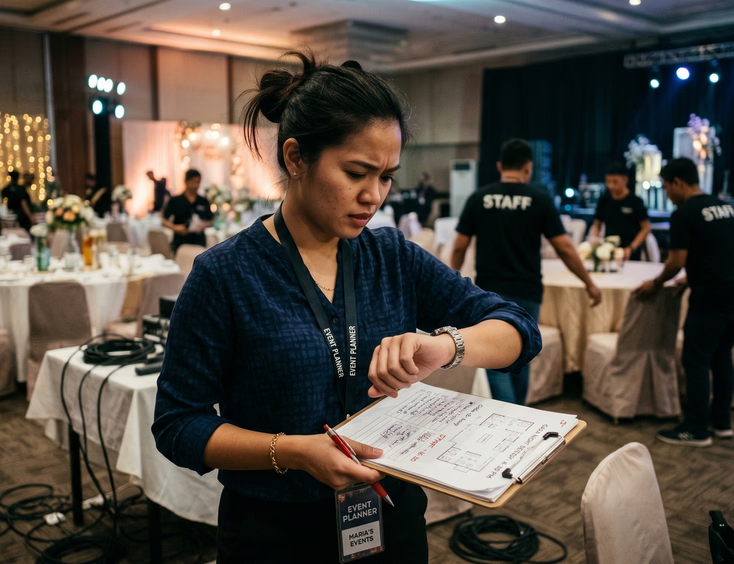
Every company event that goes wrong fails in a familiar way. The budget blows past its limit, the food runs out, the program drags, or a storm catches the planner with no backup. These mistakes repeat across events because the pressure of planning hides them until the day arrives. Knowing the common traps ahead of time lets you sidestep the ones that sink an otherwise good event.
Starting Too Late
The most damaging mistake happens before any planning begins: starting late. A planner who begins six weeks out for a major event scrambles through every decision, settles for whatever suppliers remain free, and pays rush fees that wreck the budget. The best venues, caterers, and entertainment book months ahead, especially in the busy season around the holidays.
Late starts compound at every step. A rushed venue search lands you with a poor fit; a rushed supplier search lands you with whoever is available, not whoever is good; a rushed timeline leaves no room when something slips. The pressure forces compromises that show up on event day.
Begin the moment the event gets approved. Early planning gives you the pick of suppliers, room to compare quotes, time to handle revisions, and a buffer when a supplier falls through. The corporate event planning timeline and checklist maps when each task should start, so nothing gets left until it is too late.
Underestimating the Budget
Budgets fail when planners count the obvious costs and miss the hidden ones. The venue, the food, and the entertainment get budgeted; the service charges, the corkage, the overtime, the transport, and the VAT do not, and they stack up fast. A planner who builds a budget on base rates alone watches the final bill run far past the number they promised leadership.
Spreading the budget too thin causes the other failure. A planner who tries to fund every nice-to-have ends up with a mediocre version of everything rather than a strong version of what matters. Guests notice thin food and cheap giveaways more than they notice a missing photo booth.
Build the budget on all-in figures and a clear sense of priorities. Get full quotes with every fee surfaced, hold a contingency of ten to fifteen percent for surprises, and spend on what guests actually experience. The sample corporate event budget breakdown shows where the money should go and which costs people forget.
Getting the Headcount Wrong
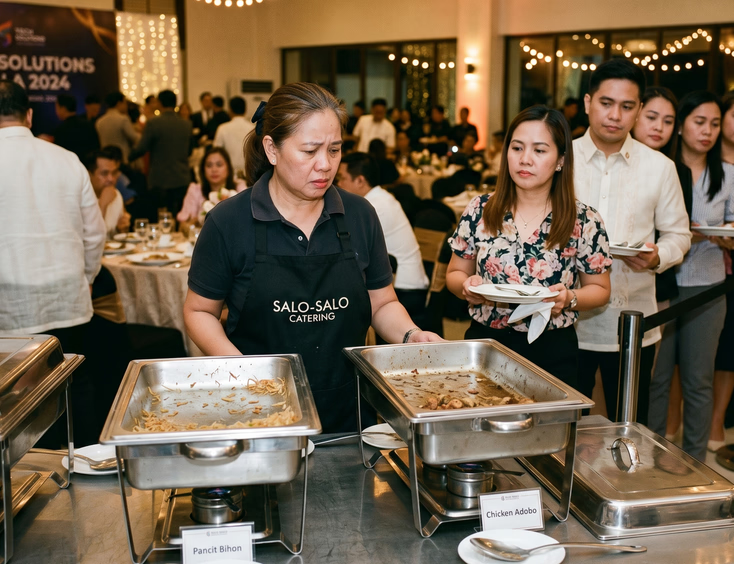
A wrong headcount throws off every other number. Underestimate it and the food runs out, the seats fall short, and guests leave hungry and annoyed. Overestimate it and you pay for empty chairs and wasted catering that drain the budget for nothing.
The mistake usually traces back to weak RSVP management. A planner who never chases the silent invitees, never accounts for no-shows, and never plans for walk-ins ends up guessing at the count and guessing wrong. Filipino corporate events see no-show rates of ten to twenty percent, and a planner who ignores that overcaters every time.
Track responses in real time, chase the non-responders, and apply a sensible no-show buffer to your working number. Brief the caterer on both the confirmed count and the realistic expected count. The managing RSVPs and guest lists for large events guide covers how to land on a number you can trust.
Skipping the Supplier Vetting
A planner who books suppliers on a website photo and a low quote gambles with the event. The caterer whose sample plate dazzled may serve a thin buffet to 300; the band that looked great on a demo reel may flatten the room live; the cart supplier may arrive late with half the stock. The day reveals what proper vetting would have caught.
Vetting feels like a delay when time is short, so rushed planners skip it. They sign without a tasting, book without references, and confirm without reading the contract. The savings in time cost them on the day when a supplier underdelivers and there is no recourse.
Insist on tastings, demos, and references before you sign anything. Check each supplier has handled events your size, read reviews, and get every detail in a written contract. A good event organizer for your company brings vetted suppliers they trust, which removes much of this risk.
Overloading the Program
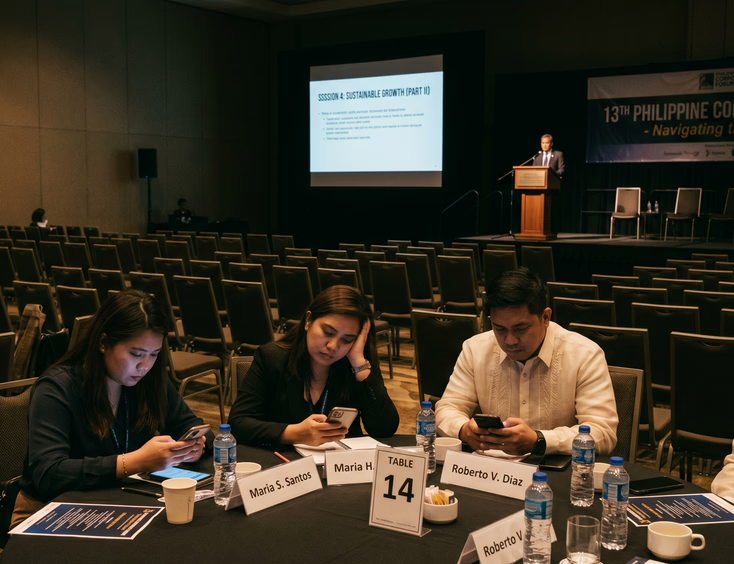
A program crammed with speeches, awards, performances, and segments exhausts a crowd. Planners pack in everything stakeholders request, and the night drags past the point where guests stay engaged. The energy that should peak at the celebration drains away during the fourth speech.
The fix runs against instinct. Cutting content makes a better event than adding it, since guests remember a tight, lively program far longer than a long, complete one. A two-hour program that moves beats a four-hour one that sprawls, no matter how much each segment seemed to matter beforehand.
Trim the program to what serves the guests, not every stakeholder's wish. Build in breaks, lighter moments, and time to eat and mingle, since the gaps between formal segments are where guests actually enjoy themselves. A skilled host keeps the pacing tight, so the hosts, emcees, and performers for company events you choose carry the flow.
Ignoring the Venue's Limits
A planner who falls for a beautiful venue without checking its practical limits sets up for trouble. The room that photographs well may have a tiny kitchen that handicaps the caterer, too few outlets for the AV and the carts, poor parking, or a capacity that crowds your guest count. These limits surface on the day, when nothing can be done.
The mismatch between vision and venue causes endless event-day chaos. A planner who books entertainment, catering, and staging without confirming the venue supports them watches the band crowd the dance floor, the carts hunt for power, and the buffet jam in a corner with no room to flow.
Confirm the venue's capacity, power, kitchen, parking, and rules before you build the event around it. Match the guest count to the real capacity, check the technical setup against your suppliers' needs, and read the contract for restrictions on outside vendors. Choosing well from the best corporate event venues in Metro Manila starts with knowing what to check.
Having No Backup Plan
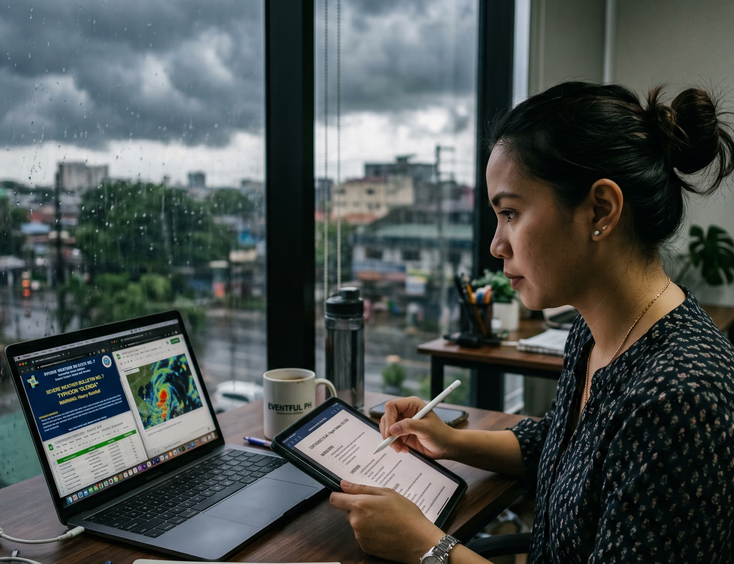
The planner who assumes everything goes right gets caught when something goes wrong. A supplier cancels, a storm hits, the power fails, a key speaker drops out, and the event with no contingency unravels. In a country where typhoons and traffic strike without much warning, no backup is a bet against the odds.
Overconfidence drives this mistake. A planner riding a smooth process forgets that one failure can cascade, and builds no margin for the supplier who flakes or the weather that turns. The day they need a plan B, they have none.
Build contingencies for the failures that actually happen: a weather backup for outdoor plans, a reserve supplier for critical services, a buffer in the timeline, and a clear chain of command when something breaks. The crisis and contingency planning for corporate functions covers how to prepare for the disruptions that catch unprepared planners.
The Mistake-Avoidance Checklist
Run through this as you plan:
- Planning started early, with suppliers booked well ahead
- Budget built on all-in figures with a contingency held
- Headcount tracked, with a no-show buffer applied
- Suppliers vetted through tastings, demos, and references
- Program trimmed to a tight, well-paced flow
- Venue limits confirmed against your guest count and suppliers
- Backup plans ready for weather, suppliers, and key failures
- Contracts signed with every detail in writing
Most event failures trace back to a handful of avoidable mistakes, and knowing them turns them from surprises into items on a checklist. Plan early, count carefully, vet thoroughly, and prepare for what can go wrong, and your company event lands as the success you set out to build.
For the full picture on running corporate functions in the Philippines, from venues to suppliers to themes, see the complete guide to corporate events in the Philippines.
Still Searching for a Right Match?
Find Your Perfect Wedding Supplier Today!
Discover trusted wedding suppliers across the Philippines in our complete directory. Compare services and connect with the ones that fit your dream celebration.
Browse Wedding SuppliersFeatured Blog Posts







Filipino Wedding Entourage - Roles, Order of March, and Modern Etiquette
6 mins readCivil Weddings in the Philippines - Requirements, Costs, and Step-by-Step Process
9 mins readCivil Wedding Requirements in the Philippines - Complete Checklist
6 mins readCost of Wedding in the Philippines - 5 Essential Things You Need to Know
7 mins readPrincipal Sponsors (Ninong/Ninang) - How Many, How to Ask, What They Really Do
4 mins readVeil, Cord, Candle & Coins - Roles, Options, and When They Happen
4 mins readEntourage for a Traditional Pinoy Wedding - Complete Roles and Guide
6 mins readComplete List of Civil Wedding Requirements in the Philippines
8 mins readHow to Choose Wedding Ninongs and Ninangs - Ask Yourself These 3 Important Questions
5 mins read