


Wedding Jewelry and Accessories for Filipino Brides
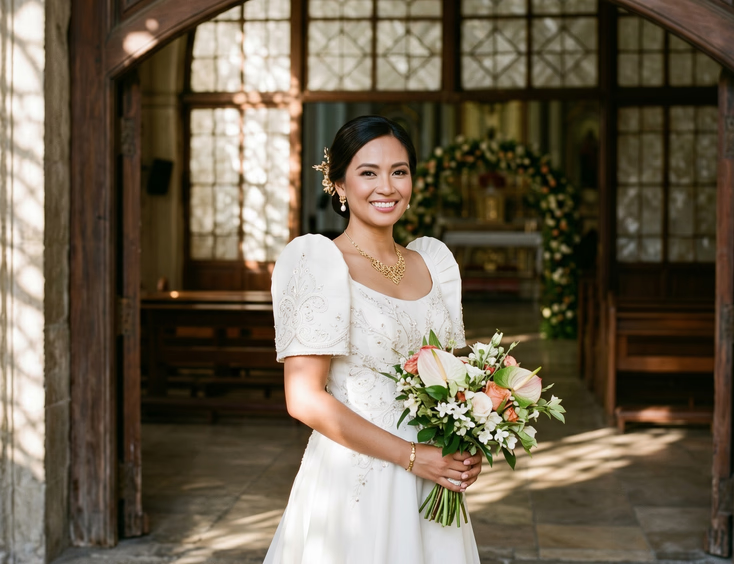
Filipino brides carry a jewelry tradition older than most countries. Gold was so abundant in the Philippines that foreign traders called the islands the "Islands of Gold." Beyond adornment, many pieces carried spiritual significance and were believed to possess talismanic properties, protecting the wearer from harm or bringing good fortune.
That heritage shows up on wedding days across the country. You see it in the gold filigree earrings your lola passed down, in the South Sea pearl studs your mother wore to her own ceremony, and in the sampaguita garlands draped over newlyweds after the vows. Filipino bridal jewelry tells a story. Your job is to pick the pieces that tell yours.
This guide covers the categories, traditions, and styling strategies you need to choose the right wedding jewelry and accessories for your celebration.
Necklaces: The Centerpiece of Your Bridal Look
A necklace draws the eye to your face and neckline. It sets the tone for your entire ensemble.
Filipino brides choose from several silhouettes. A choker sits tight against the throat and works with off-shoulder gowns and terno necklines. A pendant on a fine chain suits high necklines and sweetheart cuts. A layered strand adds visual depth to strapless dresses.
Your neckline determines your necklace. A Filipiniana terno with butterfly sleeves pairs with a statement gold collar. A modern sheath dress calls for a single pearl pendant. A ball gown with a plunging neckline needs a shorter, balanced piece that fills the open space without competing with the dress.
For a full breakdown of silhouettes and pairing strategies, read our guide to bridal necklaces for Filipino brides, from chokers to statement pieces.
Earrings: Framing Your Face on Camera and in Person
Earrings do more heavy lifting than most brides expect. They frame your face in photos, catch light during the ceremony, and stay visible even when your veil is on.
Studs keep things minimal. Drop earrings elongate a round face. Chandelier earrings bring drama to a simple updo. Hoops add a modern edge.
Your hairstyle matters as much as your gown here. If you plan to wear your hair down, studs or small huggies prevent tangling. An updo or a slicked-back bun opens room for longer, more elaborate drops.
Filipino couples in 2026 are gravitating toward fancy cuts and elongated silhouettes in their jewelry. These shapes make features look slimmer and more graceful. That extends to bridal earrings. Pear-shaped drops and marquise-cut stones photograph well and complement Filipina face shapes.
Match your earrings to the rest of your look with our guide on earring styles that complement every Filipino bridal look.
Bracelets and Bangles: Wrist Jewelry for the Ceremony and Reception
Your hands are on display during the ring exchange, the unity candle lighting, and the cord ceremony. Wrist jewelry frames those moments.
A single tennis bracelet adds sparkle without distraction. A gold bangle references Filipino goldsmithing traditions. Early Filipinos worked in mines containing gold, silver, copper, and iron. Jewels, gold ingots, chains, bangles, and earrings were handed down from ancestors and passed from generation to generation. A thin chain bracelet pairs with delicate rings for a layered, modern effect.
Keep proportion in mind. Long sleeves or lace cuffs mean you skip the bracelet or choose something flat that sits under the fabric. A sleeveless gown opens up the full wrist and forearm for bolder pieces.
Explore how to match your bracelet to your gown silhouette in our guide to bridal bracelets and bangles for Filipino brides.
Tiaras, Crowns, and Hair Jewelry: Making a Statement Above the Veil
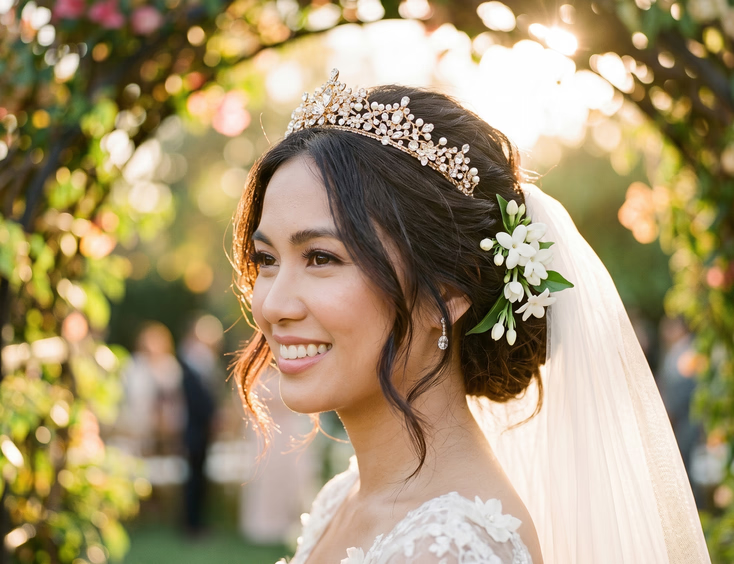
A tiara or crown turns heads the moment you walk down the aisle. Filipino brides have worn hair ornaments for centuries, from gold headbands depicted in the Boxer Codex to the floral crowns popular at garden weddings in Tagaytay.
A crystal tiara works for cathedral ceremonies. A minimalist gold headband suits a civil ceremony or intimate celebration. A floral crown made with fresh sampaguita or wax blooms fits outdoor and rustic themes.
Your hair jewelry needs to work with your veil. A tiara sits in front of the veil comb. A headband can replace the veil entirely for brides who want a different silhouette.
Get the full guide on tiaras, crowns, and headpieces for Filipino brides.
Pearls: A Filipino Bride's Heritage Gem
The Philippines has a complicated relationship with pearls at weddings. Pearls, according to Filipino folk belief, symbolize tears. A bride wearing pearls on her wedding day will encounter many sad moments in her married life. That superstition has kept many brides away from pearls for generations.
But the tide is shifting. Jose Rizal crowned the Philippines the "Pearl of the Orient Seas." The newly independent republic claimed this title in the first line of its national anthem. In 1996, President Fidel Ramos designated the pearl as the National Gem.
Golden South Sea pearls are found in the warm, tropical waters of the Philippines, valued for their size, luster, and rarity. More Filipino brides are reclaiming pearls as a symbol of heritage. A pair of golden South Sea pearl studs or a single baroque pearl pendant connects you to the Philippines' identity as a pearl-producing nation.
Read the full discussion in the Filipino bride's guide to wearing pearls on her wedding day.
Anklets and Body Jewelry: Bold Choices for Modern Celebrations
Filipino artisans created intricate pieces such as kalumbiga (gold armlets), necklaces, and anklets, which were worn by nobility to signify wealth, power, and status. Body jewelry is nothing new in Filipino culture.
Modern brides are bringing it back. A thin gold anklet peeks beneath a tea-length hem. A back chain adds an unexpected detail to a backless gown. A hand chain (hath panja) bridges the gap between bracelet and ring.
These pieces work best at beach weddings, resort receptions, and non-traditional celebrations where dress codes run looser. A formal cathedral ceremony calls for restraint.
Explore whether anklets and body jewelry fit your wedding style in our guide on anklets and body jewelry for Filipino weddings.
Veils: The Most Iconic Filipino Bridal Accessory
Filipino wedding traditions are a tapestry of cultural influences, woven together from Indigenous, Spanish, American, Chinese, and Islamic interaction. The veil sits at the intersection of those influences.
In the Filipino Catholic ceremony, sponsors drape a veil over the bride's head and the groom's shoulders. This yugal (veil ceremony) symbolizes unity. Your bridal veil, however, is a separate piece. It may be cathedral-length for a grand church wedding, fingertip-length for a more relaxed celebration, or a birdcage style for a civil ceremony.
Fabric matters. Tulle is lightweight and affordable. Lace adds texture and ties in with a Filipiniana dress. Silk organza gives structure and sheen.
Find the right match in our guide on how to choose the perfect bridal veil for a Filipino wedding.
The Maria Clara Look: Accessories That Honor Filipino Heritage
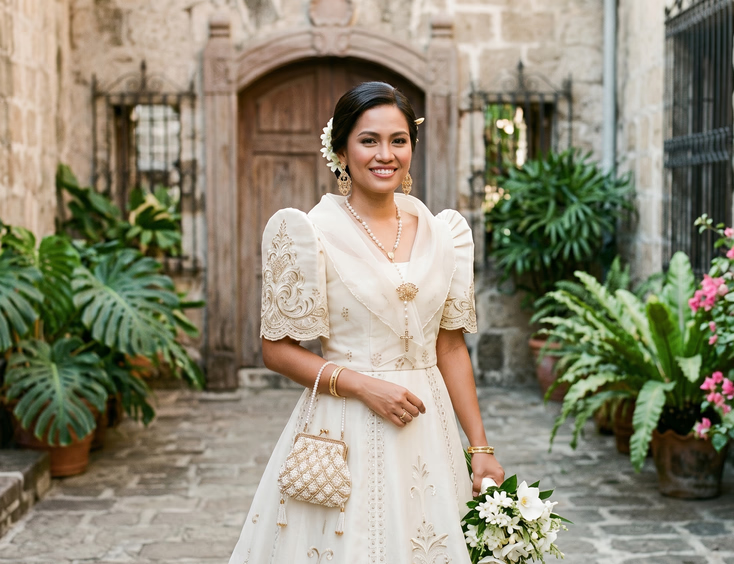
The Maria Clara consists of four separate pieces: the baro or the camisa, the saya, the panuelo, and the tapis. The design has evolved over centuries, originating from the baro't saya, a pre-colonial Filipino outfit that later incorporated Spanish influences during the colonial period.
Brides who choose a Maria Clara or terno-inspired gown need accessories that honor the aesthetic without making it look like a costume. Pieces handcrafted in gold filigree by Filipino plateros from Ilocos Sur showcase a pre-colonial technique of jewelry making that existed in the Philippines long before the arrival of the Spanish.
A panuelo (shawl) draped over the shoulders, gold filigree earrings, and a rosary-style necklace complete the look. Catholic and Aglipayan brides carry an ornate, heirloom rosary along with their bridal bouquet during nuptials.
See the full styling guide in the Maria Clara inspired bridal look and the accessories that complete the aesthetic.
Bridal Fans, Gloves, and Clutches: Classic Accessories Making a Comeback
Filipino weddings in the early 1900s featured pamaypay (fans), lace gloves, and beaded clutches as standard bridal accessories. These pieces faded from fashion for decades. They are returning.
A hand-painted silk fan serves double duty at outdoor ceremonies, keeping you cool during a hot Philippine summer wedding while adding a vintage touch to your photos. Lace gloves tie in with a Maria Clara gown. A beaded clutch holds your lipstick, phone, and emergency kit at the reception.
Discover which vintage pieces fit your wedding theme in our guide to bridal fans, gloves, and clutches for Filipino weddings.
Hair Accessories: Combs, Pins, Vines, and Florals
Your hair accessories anchor your veil and add detail to your hairstyle. They range from invisible (clear bobby pins, hidden combs) to statement-making (crystal vines, fresh flower crowns).
A jeweled comb holds a low chignon in place and catches light when you turn your head. Scattered pins create a constellation effect across a braided updo. A wire vine wraps through loose curls for a romantic, garden-wedding feel.
The sampaguita, the national flower of the Philippines, is a symbol of fidelity, purity, devotion, strength, and dedication. Fresh sampaguita woven into your hairstyle ties your look to Filipino tradition.
Browse styling options in our guide to hair accessories for Filipino brides, including combs, pins, vines, and florals.
Belts and Sashes: Defining Your Waistline
A belt or sash draws the eye to your waist and breaks up large stretches of fabric on a ball gown or A-line dress. A thin crystal belt adds sparkle at the narrowest point of your silhouette. A satin sash in blush or champagne introduces color. A jeweled belt turns a plain dress into a statement.
Placement is everything. Most brides wear the belt at the natural waist, but a belt at the empire line (under the bust) works for brides who want to elongate their lower body. Dropped waist placement (at the hip) suits 1920s-inspired sheaths.
Read more on styling in belts and sashes for brides adding elegance to your Filipino wedding gown.
Groom's Accessories: Cufflinks, Tie Pins, and Pocket Squares
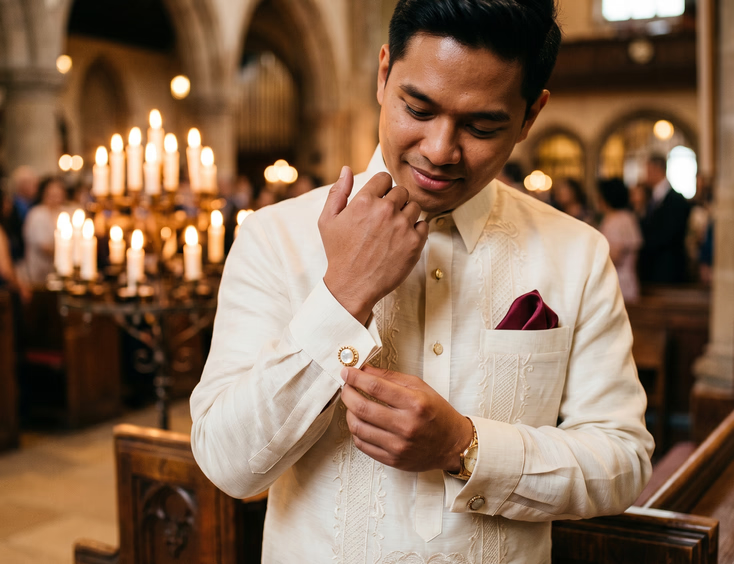
The bride is not the only one who gets to accessorize. The groom is clothed in the barong tagalog, the formal and traditional transparent, embroidered, button-up shirt made from jusi fabric. That barong needs the right finishing touches.
Cufflinks in gold, silver, or mother-of-pearl add polish to French cuffs. A tie pin keeps a slim tie in place against the barong's lightweight fabric. A pocket square folded into the barong's breast pocket adds a pop of color or pattern.
Couples who want to coordinate can match metals. If the bride wears gold jewelry, the groom wears gold cufflinks. If the bride wears silver or platinum, the groom follows.
Style the full ensemble with our guide on cufflinks, tie pins, and pocket squares for the Filipino groom.
How to Choose Your Wedding Jewelry: A Step-by-Step Process
You have the categories. Now you need a system for choosing the right pieces.
Start with the dress. Your gown's neckline, fabric, embellishment level, and silhouette narrow down your jewelry options before you look at a single piece. A beaded gown needs minimal jewelry. A clean, unembellished gown can handle bolder accessories.
Pick one focal point. If your necklace is the star, keep earrings small. If your earrings make the statement, skip the necklace. Two competing focal points split attention and look cluttered in photos.
Match metals to your skin tone. Yellow gold warms up morena and olive skin tones. Yellow gold is the frontrunner in 2026, complementing warm-toned features and carrying a classic Filipino jewelry tradition that feels fresh again. White gold and silver suit cooler undertones. Rose gold bridges the gap.
Consider the ceremony. The arras (ceremonial coins) are given by the groom to the bride to symbolize his commitment to providing for the family. Your accessories should not interfere with these ceremonial moments. A chunky bracelet catches on the arras pouch. A long necklace tangles with the cord ceremony. Plan for movement.
Think about photos. You will see your jewelry in hundreds of images. Choose pieces that photograph well under flash, natural light, and mixed venue lighting. Matte gold reads warm. Crystals throw light. Pearls glow softly.
Budgeting for Wedding Jewelry and Accessories
Filipino brides spend between ₱5,000 and ₱100,000 or more on wedding jewelry and accessories, depending on materials, designers, and whether pieces are heirloom, rented, or purchased new.
You can save money by borrowing heirloom pieces from family, renting statement items you will wear once, or mixing one high-quality focal piece with affordable supporting accessories.
You can also split your budget across the timeline. Engagement ring and wedding bands come first. Ceremony accessories (veil, jewelry set) come next. Reception accessories (clutch, second pair of earrings for the party) come last.
Where to Find Wedding Jewelry and Accessories in the Philippines
Filipino artisans are masters of pre-colonial techniques in jewelry making. Many have spent years, decades, and their whole lives perfecting a meticulous craft passed onto them by their forefathers. The Philippines has a robust network of jewelers, artisans, and accessory designers serving brides at every budget.
You can commission a custom gold filigree set from Ilocos Sur plateros, source South Sea pearls from Palawan, or find affordable crystal pieces from local bridal shops in Divisoria or online.
Browse our jewelry and accessories supplier directory to connect with trusted vendors across the Philippines. You will find jewelers, headpiece designers, veil makers, and accessory boutiques ready to help you complete your bridal look.
Your Jewelry Tells Your Story
Filigree work, a delicate technique of shaping fine metal threads into intricate patterns, became a hallmark of Filipino jewelry during the colonial era, blending traditional craftsmanship with European artistry. Interactions with Chinese, Indian, and Malay traders brought new materials such as jade, agate, and glass beads, and introduced advanced techniques like lost-wax casting.
Centuries of trade, colonization, independence, and cultural revival shaped the jewelry Filipino brides wear today. Your choices carry that weight, whether you know it or not. A gold filigree earring connects you to the plateros of Ilocos. A South Sea pearl pendant ties you to the pearl farms of Palawan. A crystal tiara from a local designer supports the Filipino bridal industry.
Choose pieces that honor your heritage, fit your gown, and make you feel like yourself on the day that matters most.
Ready to start shopping? Visit our wedding jewelry and accessories supplier directory to find verified Filipino vendors for every piece mentioned in this guide.
Still Searching for a Right Match?
Find Your Perfect Wedding Supplier Today!
Discover trusted wedding suppliers across the Philippines in our complete directory. Compare services and connect with the ones that fit your dream celebration.
Browse Wedding SuppliersFeatured Blog Posts


Filipino Wedding Entourage - Roles, Order of March, and Modern Etiquette
6 mins readCivil Weddings in the Philippines - Requirements, Costs, and Step-by-Step Process
9 mins readCivil Wedding Requirements in the Philippines - Complete Checklist
6 mins readCost of Wedding in the Philippines - 5 Essential Things You Need to Know
7 mins readPrincipal Sponsors (Ninong/Ninang) - How Many, How to Ask, What They Really Do
4 mins readVeil, Cord, Candle & Coins - Roles, Options, and When They Happen
4 mins readEntourage for a Traditional Pinoy Wedding - Complete Roles and Guide
6 mins readComplete List of Civil Wedding Requirements in the Philippines
8 mins readHow to Choose Wedding Ninongs and Ninangs - Ask Yourself These 3 Important Questions
5 mins read