


Bridal Bracelets and Bangles: How to Choose the Right Style for Your Gown
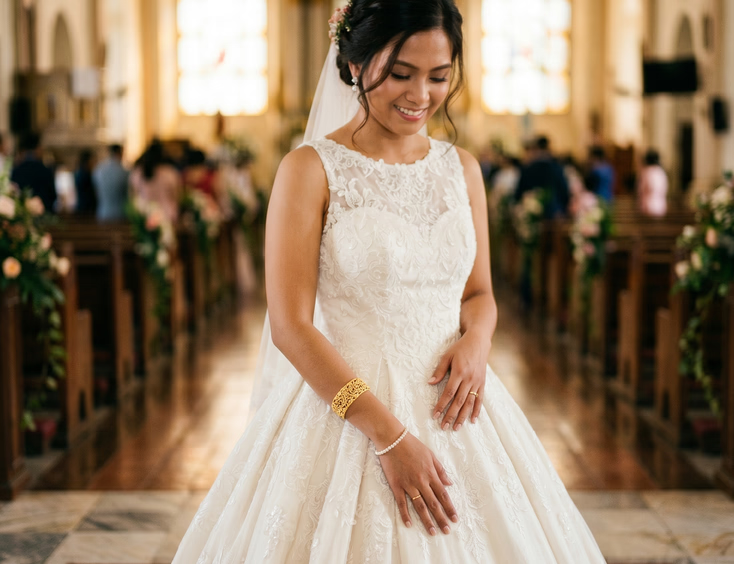
Your wrists are on camera more than you think. The ring exchange, the unity candle, the cord ceremony, the arras coins, the bouquet toss, the first dance. Every one of those moments puts your hands and wrists in the frame. A bracelet or bangle worn during those moments adds detail, sparkle, and intention to some of the most photographed seconds of your wedding day.
Filipino brides inherit a bracelet tradition that predates the Spanish colonial era. Pre-colonial Filipinas wore gold bangles called kalumbiga as markers of rank and wealth. Chiefs and their wives stacked bangles from wrist to forearm. Gold armlets, ankle bracelets, and chain-link wrist pieces were handed down through generations as family treasures. That goldsmithing heritage survives in the filigree bangles crafted by plateros in Ilocos Sur and the pearl-studded bracelets made with gems harvested from Philippine waters.
This guide walks you through every bracelet silhouette, matches each to your gown's sleeve and bodice style, and helps you pick wrist jewelry that complements your Filipino wedding.
Bracelet Silhouettes for Filipino Brides
Each bracelet type creates a different look on the wrist. Knowing the silhouettes saves you time at the jewelry counter.
Bangle. A rigid circular band that slides over the hand. Gold bangles range from thin, stackable rings to wide, statement cuffs. A single gold bangle references Filipino goldsmithing tradition. Two or three thin bangles stacked create a layered sound and visual rhythm when you move your hands.
Tennis bracelet. A continuous line of individually set stones (diamonds, crystals, or cubic zirconia) linked in a flexible chain. Tennis bracelets add a consistent sparkle around the full circumference of the wrist. They sit flat and move with your arm, catching light from every angle.
Chain bracelet. A simple metal chain in gold, silver, or rose gold. Chain bracelets range from delicate single strands to chunky cable links. A fine gold chain bracelet pairs with delicate rings for a layered, modern effect.
Cuff. An open-ended rigid band that wraps around the wrist without a clasp. Cuffs sit wider than bangles and make a bolder statement. A hammered gold cuff adds texture and a handcrafted Filipino feel. Cuffs work best on bare wrists with no competing jewelry.
Charm bracelet. A chain with dangling decorative pendants. Charm bracelets carry sentimental weight. A bride can attach charms representing milestones in the relationship, family heirlooms, or religious symbols. The trade-off is noise. Charms clink together during quiet ceremony moments.
Pearl strand bracelet. A string of pearls wrapped around the wrist, fastened with a clasp. Golden South Sea pearls from Palawan create a bracelet that connects you to the Philippines' pearl heritage. A single strand keeps it refined. A multi-strand pearl bracelet suits formal cathedral ceremonies.
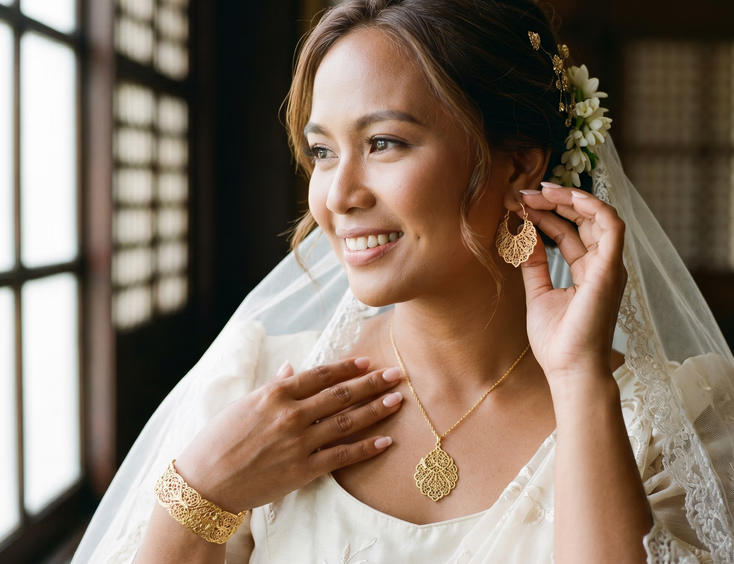
Filigree bracelet. Handcrafted by Filipino plateros using fine gold or silver threads shaped into intricate lace-like patterns. Filigree bracelets from Ilocos Sur carry the same craft tradition as filigree earrings and necklaces. A filigree bangle or chain bracelet ties your wrist jewelry into a full heritage accessory set.
Matching Your Bracelet to Your Gown's Sleeves
Your sleeves determine how visible your bracelet will be and whether it fits at all.
Sleeveless or strapless gown. Full wrist and forearm exposure. You can wear any bracelet silhouette and width. This is where a statement cuff, a stacked bangle set, or a wide pearl strand bracelet gets maximum visibility.
Cap sleeves. Fabric covers the shoulders but stops above the elbow. Your wrists remain exposed. Any bracelet style works. The cap sleeve's soft, rounded shape pairs with curved bracelet silhouettes like bangles and chain bracelets.
Three-quarter sleeves. Fabric ends at the forearm, a few inches above the wrist. A bracelet sits below the sleeve edge, creating a visible gap of skin between fabric and jewelry. Thin chain bracelets and single bangles work here. Bulky cuffs can bunch against the sleeve's hem.
Full-length sleeves. Fabric covers the wrist. A bracelet worn over the sleeve reads as costume jewelry unless the sleeve is sheer. With opaque long sleeves, skip the bracelet and let your rings carry the wrist-area detail. If your sleeves are illusion or lace with visible skin underneath, a flat chain bracelet can sit beneath the fabric without creating a bump.
Terno butterfly sleeves. The sculpted butterfly wings of a Filipiniana gown draw attention to the shoulders and upper arms. Your wrists remain bare. A gold filigree bangle or a pearl strand bracelet grounds the look at the wrist while the sleeves handle the drama above. See the full terno accessory approach in our guide to the Maria Clara inspired bridal look.
Bell sleeves. Wide, flowing sleeves that flare from the elbow. The sleeve's movement can hide a bracelet during rest and reveal it during gestures. A solid bangle works here because it stays in place. A chain bracelet slides under the sleeve and disappears.
Matching Your Bracelet to Your Gown's Embellishment Level
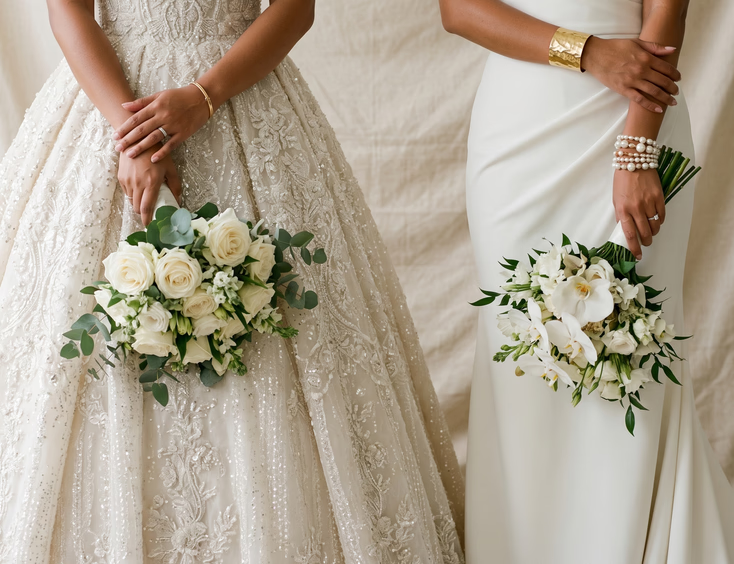
Your bracelet needs to match your gown's visual density. A beaded gown paired with a crystal tennis bracelet creates sparkle overload. A clean gown paired with a thin gold chain leaves the wrist looking bare in photos.
Heavily embellished gown (beading, crystals, lace appliqué). Scale down the bracelet. A thin gold bangle, a simple chain, or a single pearl strand complements without competing. The gown carries enough visual texture on its own.
Moderately embellished gown (subtle lace, minimal beading). A medium-weight bracelet works. A tennis bracelet, a filigree bangle, or a pearl strand with a decorative clasp adds detail that matches the gown's moderate level of ornamentation.
Minimalist gown (clean fabric, no beading, simple lines). The bracelet can be the star. A statement cuff, a multi-strand pearl bracelet, or a stacked set of gold bangles adds the visual interest the gown does not provide. Your wrist jewelry fills the gap.
How Your Bracelet Interacts with Filipino Wedding Ceremonies
Filipino Catholic wedding ceremonies involve several rituals that put your hands and wrists in focus. Your bracelet needs to work with each one.
The ring exchange. The priest, the groom, and the bride all handle the wedding rings. A bulky cuff or stacked bangles on your ring hand can interfere with sliding the ring onto your finger. Wear your bracelet on the opposite wrist, or choose a slim profile that does not block the ring's path.
The arras (13 coins). The groom pours thirteen coins into the bride's cupped hands. If you wear a bracelet on both wrists, the coins can catch on chains and clasps during the transfer. A smooth bangle or a flat tennis bracelet prevents snagging. A charm bracelet with dangling elements is the worst choice for this moment.
The unity candle. Both hands grip and tilt the candles. A loose chain bracelet can slide toward your fingers and dangle near the flame. A fitted bangle or tennis bracelet stays in place and keeps you safe.
The cord ceremony (yugal). Sponsors drape a cord in a figure-eight over the couple's shoulders. Your wrists are visible as you sit or kneel. The bracelet is on display during a sustained, quiet moment. Choose a piece that looks elegant at rest, not one that relies on movement to catch light.
The signing of the marriage contract. You hold a pen and sign. Close-up photos capture your hand, your rings, and your bracelet. A bracelet that photographs well in still, close-up shots (a tennis bracelet, a pearl strand, a filigree bangle) serves you better here than a piece that needs movement to shine.
Filipino Heritage Bracelet Styles
Filipino jewelry traditions offer bracelet options that carry craftsmanship and cultural meaning beyond what mass-market bridal shops stock.
Gold filigree bangles. Plateros in Ilocos Sur craft bangles from fine gold threads shaped into kalado patterns. A filigree bangle pairs with filigree earrings and a filigree necklace for a full heritage set. Each piece takes days to complete by hand. The price reflects the labor, but the result is a family heirloom you pass to the next generation.
Kalumbiga-inspired cuffs. The kalumbiga was a gold armlet worn by pre-colonial Filipina nobility. Modern Filipino jewelers create cuff bracelets inspired by the kalumbiga's wide, ornamental form. A kalumbiga-inspired cuff in hammered gold makes a bold wrist statement that connects you to pre-colonial Filipino adornment.
South Sea pearl bracelets. Philippine South Sea pearls from Palawan and the Sulu Sea are among the world's largest and most lustrous. A bracelet strung with golden or white South Sea pearls ties you to the country's pearl-producing heritage. Read more about incorporating pearls into your bridal look in the Filipino bride's guide to wearing pearls on her wedding day.
Rosary-inspired bracelets. Single-decade rosary bracelets (decenarios) are worn by Filipino brides who want to carry their Catholic faith on their wrist. Ten small beads, a cross charm, and a medal of a patron saint. A gold or pearl decenario serves as both devotional object and bridal accessory.
Coordinating Your Bracelet with Your Other Jewelry
Your bracelet is one piece in a full accessory set. It needs to work alongside your earrings, necklace, and hair accessories.
Metal matching. Yellow gold bracelet, yellow gold earrings, yellow gold necklace. Consistent metal creates a cohesive look in photos. If you mix metals, carry both metals through multiple pieces so the mix reads as intentional.
Weight matching. A delicate chain bracelet paired with heavy chandelier earrings creates an imbalance. Match the visual weight of your wrist jewelry to the visual weight of your other pieces. Substantial earrings call for a substantial bracelet. Subtle studs pair with a fine chain or thin bangle.
Heritage matching. If you wear gold filigree earrings that complement your Filipino bridal look, pair them with a filigree bracelet from the same craft tradition. Mixing filigree earrings with a modern crystal tennis bracelet splits the aesthetic.
The one focal point rule applies to the full body. If your necklace and earrings are the focal point, keep the bracelet minimal. If your wrist jewelry is the statement (a bold cuff, a stacked bangle set), scale down the pieces above. You want the viewer's eye to land on one zone, not bounce between three competing areas.
Bracelet Stacking: How to Layer Without Overdoing It
Stacking bracelets adds depth and personality. The key is controlled variety.
The two-piece stack. One bangle plus one chain bracelet. Two textures, two widths, one wrist. The bangle provides structure. The chain provides movement. Two pieces is intentional. Four or five pieces reads as cluttered in formal bridal photos.
Mix widths. A thin gold bangle paired with a wider filigree cuff creates contrast. Two bangles of the same width blur together and lose definition on camera.
Keep one wrist bare. Stack your bracelets on one wrist and leave the other open. This creates asymmetry that photographs well and keeps your ring hand uncluttered for the ring exchange.
Anchor with one heritage piece. Start with a gold filigree bangle or a pearl strand. Add one modern accent piece (a thin chain, a crystal tennis bracelet). The heritage piece grounds the stack. The modern piece updates it.
Bracelet Materials and How They Photograph
Your bracelet material affects durability, comfort over a long day, and how it reads in photos.
Yellow gold. Warm tone flatters morena and olive skin. Yellow gold glows under natural light and reads rich under flash. It warms up the skin in close-up hand shots. The most popular bridal bracelet metal in the Philippines.
White gold and platinum. Cool tone suits lighter and cooler skin undertones. White metals photograph with a sharp, clean brightness. They pair with pure white gowns and icy gemstone accents.
Rose gold. Bridges warm and cool tones. Rose gold reads romantic and soft on camera. A rose gold bangle suits sunset ceremonies and garden weddings where warm ambient light enhances the metal's pink undertone.
South Sea pearls. Glow with a soft, diffused luminosity under any light source. Golden South Sea pearls add warmth. White South Sea pearls add brightness. Pearls photograph without the harsh reflections that crystals throw under flash.
Crystals and rhinestones. Maximum sparkle under point-source lighting (flash, spotlights, candles). Crystals photograph as bright pinpoints of light. Under flat, overcast outdoor light, they lose their fire. Budget-friendly and effective for evening receptions.
Brass and copper. Warm, earthy tones that suit rustic and outdoor weddings. Filipino artisans in Mindanao craft brass bangles with tribal-inspired patterns. These pieces add a grounded, handcrafted feel. The trade-off is potential skin discoloration over a long day. Apply clear nail polish to the inner surface to create a barrier.
Budget Guide for Bridal Bracelets
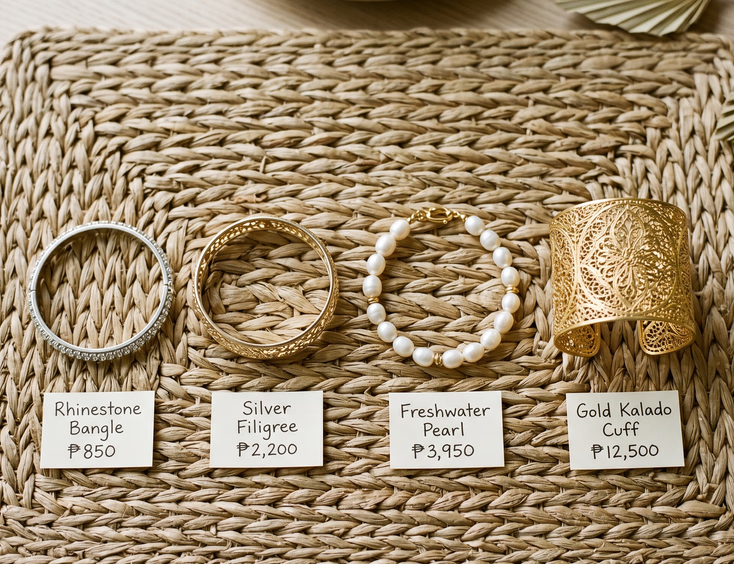
Filipino bridal bracelets range from ₱200 for a crystal bangle to ₱50,000 or more for a custom gold filigree piece or South Sea pearl strand.
Under ₱1,500. Crystal tennis bracelets, rhinestone bangles, brass cuffs from local bridal shops. These photograph well and serve a single-day purpose. Divisoria and online Filipino accessory shops carry a wide selection at this tier.
₱1,500 to ₱8,000. Silver filigree bangles, freshwater pearl strands, semi-precious stone chain bracelets. Better materials and longer lifespan. Several Filipino jewelers offer silver pieces coated in 24-karat gold, giving you the gold aesthetic with greater durability than standard plating.
₱8,000 to ₱25,000. Gold-filled bangles, South Sea pearl strands with smaller pearls, custom brass cuffs from Filipino artisan studios. This range gets you a piece you can wear beyond your wedding day.
₱25,000 and above. Custom gold filigree bangles from Ilocos Sur plateros, South Sea pearl bracelets with large graduated pearls, diamond tennis bracelets. Heirloom pieces. A gold filigree bangle commissioned from a master platero becomes a family treasure you hand down.
Save by pairing one investment piece with affordable supporting accessories. Invest in the filigree bangle. Pair it with a ₱500 crystal chain bracelet for the stack. The heritage piece anchors the look. The accent piece adds sparkle at minimal cost.
Care and Handling on Your Wedding Day
A bracelet endures more physical contact than any other piece of jewelry. Your wrist touches tables, fabrics, other people's hands, and ceremonial objects throughout the day.
Put the bracelet on last. Lotions, perfumes, and hand sanitizers coat metal surfaces and dull pearl luster. Get your hands fully prepped before you clasp the bracelet.
Check the clasp twice. A lobster clasp is more secure than a toggle or spring ring. If your bracelet has a toggle clasp, add a small safety chain as a backup. Losing a bracelet during the ceremony is avoidable.
Remove during messy reception moments. Take the bracelet off before the cake cutting, the bouquet toss, or any activity that risks impact or snagging. Assign your maid of honor or a bridesmaid to hold it during these moments.
Pack a polishing cloth. Gold and silver pick up oils and residue from skin contact over 8 to 12 hours. A quick wipe during the transition between ceremony and reception keeps the bracelet looking fresh for evening photos.
Store filigree pieces flat. Gold filigree bangles have delicate thread work that bends under pressure. Lay them flat in a padded pouch. Stacking a filigree bangle under other jewelry in a bag risks crushing the pattern.
Choosing Your Bridal Bracelet: A Decision Framework
- Check your sleeves. Full-length opaque sleeves mean no bracelet. Sleeveless gowns give you full range. Everything else falls in between.
- Assess your gown's embellishment. Heavy beading means a subtle bracelet. Clean fabric means you can go bolder.
- Plan for the ceremony. Consider the ring exchange, arras, unity candle, and cord ceremony. Pick a bracelet that will not interfere with any of these rituals.
- Pick your material. Gold for warmth and heritage. Pearls for soft glow. Crystals for sparkle on a budget.
- Set your budget. Decide if this is an heirloom investment or a single-day accessory.
- Try it on with the dress. Photograph your wrist from above, from the side, and in a close-up hand shot. Check those images against your other accessories.
Your bracelet is one piece in a larger wedding jewelry and accessories plan for your Filipino celebration. Choose it alongside your earrings, necklace, and hair accessories so every element works as a set.
Ready to find the right bracelet? Browse our jewelry and accessories supplier directory to connect with Filipino jewelers, plateros, and pearl dealers who specialize in bridal wrist jewelry.
Still Searching for a Right Match?
Find Your Perfect Wedding Supplier Today!
Discover trusted wedding suppliers across the Philippines in our complete directory. Compare services and connect with the ones that fit your dream celebration.
Browse Wedding SuppliersFeatured Blog Posts


Filipino Wedding Entourage - Roles, Order of March, and Modern Etiquette
6 mins readCivil Weddings in the Philippines - Requirements, Costs, and Step-by-Step Process
9 mins readCivil Wedding Requirements in the Philippines - Complete Checklist
6 mins readCost of Wedding in the Philippines - 5 Essential Things You Need to Know
7 mins readPrincipal Sponsors (Ninong/Ninang) - How Many, How to Ask, What They Really Do
4 mins readVeil, Cord, Candle & Coins - Roles, Options, and When They Happen
4 mins readEntourage for a Traditional Pinoy Wedding - Complete Roles and Guide
6 mins readComplete List of Civil Wedding Requirements in the Philippines
8 mins readHow to Choose Wedding Ninongs and Ninangs - Ask Yourself These 3 Important Questions
5 mins read