


Cufflinks, Tie Pins, and Pocket Squares: Styling the Filipino Groom's Ensemble
Your bride has spent months choosing every detail of her look. You deserve the same attention on your end. Cufflinks, tie pins, and pocket squares are the three accessories that separate a groom who dressed up from a groom who dressed with intention.
These small pieces do real work. Cufflinks fasten your French cuffs while adding a flash of metal at your wrists. A tie pin keeps your necktie anchored to your shirt and out of your soup during the reception. A pocket square fills the breast pocket of your suit or coat barong with color, texture, and personality.
This guide covers how to choose, size, place, and coordinate all three for a Filipino wedding, whether you wear a Western suit or a barong Tagalog.
Cufflinks: The Groom's Signature Detail
Cufflinks replace the buttons on a French-cuff shirt. You fold the cuff back on itself and push the cufflink through both layers, creating a clean, tailored closure at the wrist.
For the 2026 wedding season, cufflinks are seeing renewed attention. The broader menswear shift toward personalization and artisanal craftsmanship has brought grooms back to this classic accessory. Grooms want pieces with provenance, made by hand and carrying meaning beyond decoration.
Cufflink types and how they work:
- Bullet back cufflinks have a small toggle that flips perpendicular to the post. You push the post through both cuff holes, flip the toggle flat, and the cufflink stays in place. These are the easiest to put on and the most common for weddings.
- Whale back cufflinks use a flat backing that flips like a whale tail. They sit flatter against the cuff than bullet backs and look cleaner from the inside.
- Fixed back cufflinks have no moving parts. The decorative face and the backing are both visible, giving you a finished look from every angle. These take more effort to push through the cuff but offer a sleek profile.
- Chain link cufflinks connect two decorative faces with a short chain. These are the most traditional style and suit formal, black-tie Filipino weddings.
Materials and what they signal:
Sterling silver is the classic choice and develops a patina over time. Gold cufflinks suit warm-toned suits and barong Tagalog ensembles. Titanium offers a modern, lightweight alternative for grooms who prefer a contemporary feel. Onyx and mother-of-pearl faces add contrast against white or ivory cuffs.
Cufflinks with a barong Tagalog:
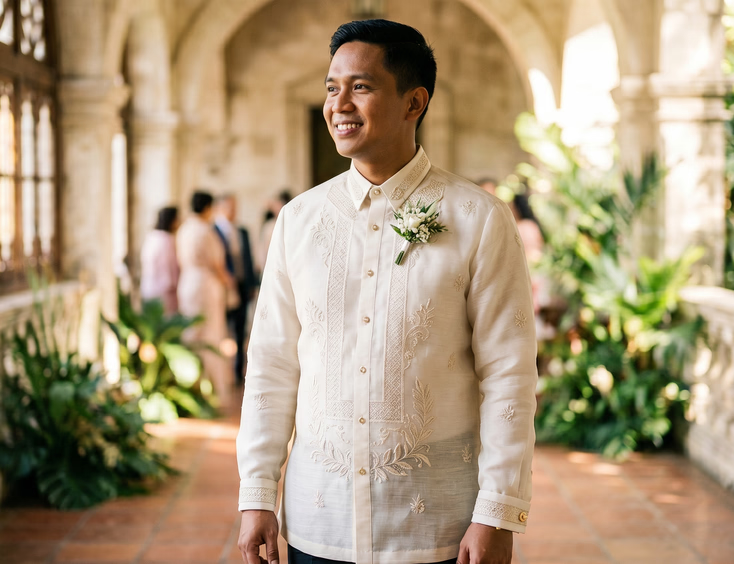
Filipino grooms who wear a barong Tagalog can pair it with pearl or onyx cufflinks and a gold collar pin to complete the ensemble. Classic barongs are made from sheer, translucent piña or piña silk fabric, so your cufflinks will be visible through the sleeves. Choose a style that complements the embroidery pattern on your barong rather than competing with it. Simpler cufflinks in silver or gold let the barong's handwork remain the focus.
Avoid wearing a boutonniere with a barong, as it can damage the delicate fabric. Your cufflinks become your primary personal accent.
Tie Pins and Tie Bars: Keeping Your Necktie in Place
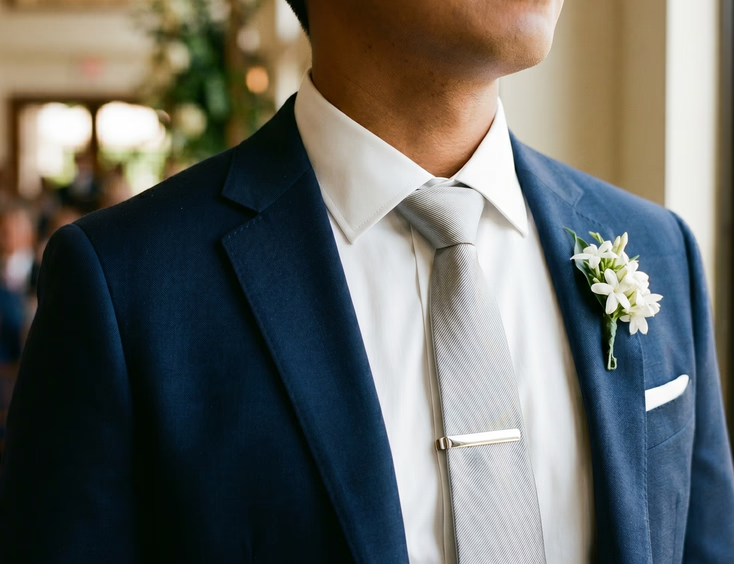
If you wear a suit with a necktie to your Filipino wedding, a tie pin or tie bar anchors the tie to your shirt and prevents it from swinging or dipping forward when you lean in for photos, bow during the ceremony, or reach across the table at the reception.
Tie bar vs. tie clip vs. tie pin:
A tie bar slides over the tie and shirt placket like a money clip. A tie clip opens on a spring hinge and clamps both layers together. A tie pin pierces through the tie fabric and attaches to the shirt with a chain and T-bar. Tie bars and clips hold your tie flat. Tie pins allow more movement and serve a decorative role.
For Filipino weddings, tie bars and clips work well with standard suits. Tie pins suit grooms going for a vintage or heritage look, and pair well with vests.
Sizing your tie bar:
Your tie bar should cover about three-quarters of your tie's width. A standard necktie needs a bar around 5.5 cm long. A skinny tie needs a shorter bar between 2.5 and 4 cm. A tie bar wider than your tie looks mismatched and draws attention for the wrong reason.
Placement:
Position your tie bar between the third and fourth buttons of your dress shirt. This puts it at your sternum, roughly one-quarter of the way down from the knot. The bar should secure both the front blade and the back tail of the tie to your shirt placket. If the bar sits too high, it crowds your collar. Too low, and your jacket hides it.
Metal coordination:
Match the metal of your tie bar to your cufflinks, watch, and wedding band. Silver tie bar with silver cufflinks. Gold tie bar with gold cufflinks. This creates a unified look in close-up photos where all three pieces appear in the same frame. Your bride has coordinated her wedding jewelry and accessories to match. You should do the same.
Pocket Squares: Color and Texture at the Chest
A pocket square fills the breast pocket of your suit jacket or coat barong with a folded piece of fabric. It adds color, breaks up the solid expanse of your jacket, and gives photographers a detail to capture in close-up shots.
Fabric choices:
Silk pocket squares drape well and hold soft, rounded folds. They suit formal church ceremonies and evening receptions. Linen and cotton pocket squares hold crisp, structured folds better than silk. They work well for daytime weddings and outdoor celebrations in Tagaytay, Batangas, or Cebu. Satin pocket squares add sheen and pair well with tuxedos for black-tie Filipino weddings.
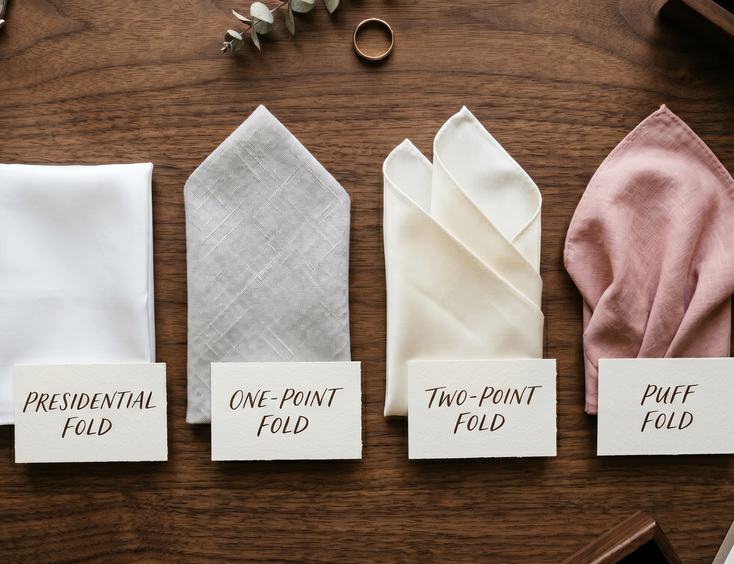
Four folds every groom should know:
- Presidential fold (flat fold): Fold the square into a compact rectangle and tuck it in with a clean, straight edge showing about half an inch above the pocket. This is the most conservative and safest option for formal ceremonies.
- One-point fold: Fold the square into a triangle and tuck the base into the pocket so a single point peaks above. This works for both formal and semi-formal settings.
- Two-point fold: Fold the triangle with an offset so two peaks show. This adds visual interest while staying structured. It suits cathedral weddings and grand receptions.
- Puff fold: Pinch the center of the square, gather the fabric into a soft mound, and tuck the gathered base into the pocket. This creates a rounded, organic shape that works for garden weddings and relaxed celebrations.
Color rules:
Your pocket square should coordinate with your outfit without matching your tie. A white pocket square in a presidential fold works with every suit and barong combination. For color, pull a secondary tone from the wedding palette. If the bridesmaids wear dusty rose, a pocket square with a rose accent ties you to the overall color story without duplicating the bridal party.
Avoid matching your pocket square to your tie in the same color and pattern. Coordination means complementary tones and textures, not identical twins.
Styling the Barong Tagalog Ensemble
The barong Tagalog is the traditional formal garment for Filipino men. Artisans in Lumban, Laguna, the embroidery capital of the Philippines, handcraft barongs from piña, jusi, and silk cocoon fabrics with intricate patterns passed down through generations.
A barong requires a specific approach to accessories because of its sheer, translucent fabric and embroidered detailing.
Undershirt: Wear a fitted, collarless camisa de chino underneath. Tank tops show through the fabric and create a casual impression. The camisa should match the barong's color and fit snug enough to avoid bunching.
Cufflinks: Pearl or onyx cufflinks in gold or silver complement the barong's embroidery. Keep the face small and refined. Oversized or novelty cufflinks distract from the barong's handwork.
Pocket square with a coat barong: A coat barong (barong suit) has a breast pocket that accepts a pocket square. Use a white linen square in a presidential fold for the cleanest look. A silk puff fold works for evening receptions where you want a softer edge.
No boutonniere: The barong's fabric is delicate. A pin-on boutonniere can snag or tear the weave. Let your cufflinks and pocket square carry the accent role instead.
Collar pin: A gold or silver collar pin at the neckline of your barong adds a refined touch and frames the face in photos. Match the metal to your cufflinks.
Coordinating Accessories with Your Bride
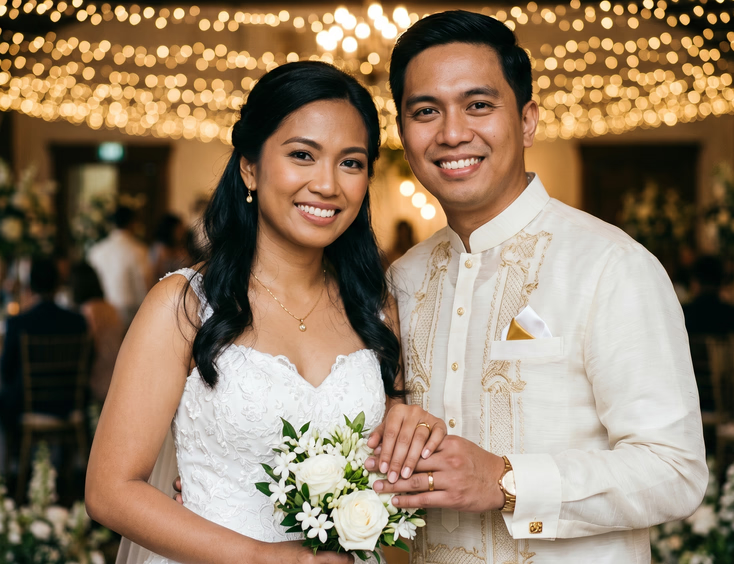
Your accessories should share a metal tone with your bride's bridal jewelry. If she wears gold earrings and a gold bridal necklace, your cufflinks, tie bar, and collar pin should follow in gold. If she wears silver or platinum, match with silver-toned pieces.
This coordination shows up in photos where the two of you stand side by side. Mismatched metals create visual dissonance. Matched metals tie you together as a pair.
One statement piece, supporting accents. If your bride wears bold crystal earrings and a statement headpiece, keep your accessories understated. If her look is minimal, you have room for a bolder pocket square or engraved cufflinks.
Personalizing Your Accessories
Personalized accessories add meaning to the occasion and give you keepsakes to wear for years after the wedding.
Engraved cufflinks with your initials or your wedding date turn a functional fastener into a sentimental piece. A monogrammed pocket square stitched in the corner carries your mark without anyone seeing it unless you choose to show it. A tie bar etched with a meaningful date or coordinate sits against your chest all day.
Filipino grooms can take personalization further with accessories made by local artisans. Cufflinks shaped from capiz shell, mother-of-pearl sourced from Philippine waters, or hand-engraved with sarimanok or baybayin script ground your look in Filipino identity.
Gifting Accessories to Your Groomsmen
Your groomsmen wear coordinated outfits, and their accessories should share a visual thread. Choose cufflinks in the same metal tone and scale for the entire party, but give each groomsman a distinct design. This keeps the wedding party cohesive in group photos while letting each man carry something personal.
A matched set of cufflinks and tie bar makes a practical groomsmen gift. The men wear them on the wedding day and keep them for future formal events. Pair the accessories in a simple box with a handwritten note for a gesture that costs less than a bottle of whiskey but lasts decades longer.
Practical Tips for Philippine Wedding Conditions
Buy early. Order personalized or handmade cufflinks at least eight weeks before the wedding. Custom engraving and artisan production take time, and shipping within the Philippines can add another week.
Test with your outfit. Bring your cufflinks, tie bar, and pocket square to your final fitting. Check that the cufflinks pass through the cuff holes smoothly, the tie bar sits at the right height, and the pocket square does not bulge or disappear in the breast pocket.
Pack a backup. Bring one extra pair of bullet back cufflinks in a neutral metal. Cufflinks are small and easy to misplace on a hectic wedding morning. A backup pair saves you from bare cuffs in photos.
Plan for humidity. Philippine humidity tarnishes metals faster. Wipe your cufflinks and tie bar with a soft cloth before wearing them. Store them in a lined box or pouch to prevent scratches and oxidation during transit to the venue.
Iron your pocket square. A wrinkled pocket square ruins a clean fold. Iron it the night before and store it flat between tissue paper. If you use a linen square, a light starch helps the fold hold through the ceremony and reception.
Coordinate with your best man. Ask your best man to hold your cufflinks and tie bar until you dress at the venue. This prevents losing them during travel and gives your photographer a detail shot of the accessories being handed over, a moment that makes for a strong getting-ready photo.
Where to Find Groom's Accessories in the Philippines
Filipino craftspeople create handmade cufflinks, collar pins, and tie bars using local materials like capiz shell, mother-of-pearl, and hand-forged metals. Shopping from Philippine-based artisans supports local craftsmanship and gives you accessories with cultural detail that mass-produced imports cannot replicate.
Browse trusted jewelry and accessories suppliers in the Philippines to find artisans and shops that specialize in groom's accessories for every wedding style and budget.
Still Searching for a Right Match?
Find Your Perfect Wedding Supplier Today!
Discover trusted wedding suppliers across the Philippines in our complete directory. Compare services and connect with the ones that fit your dream celebration.
Browse Wedding SuppliersFeatured Blog Posts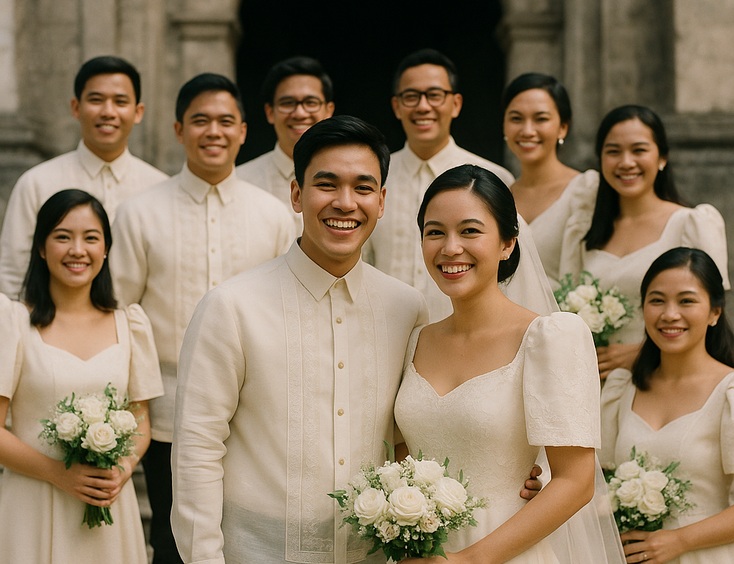

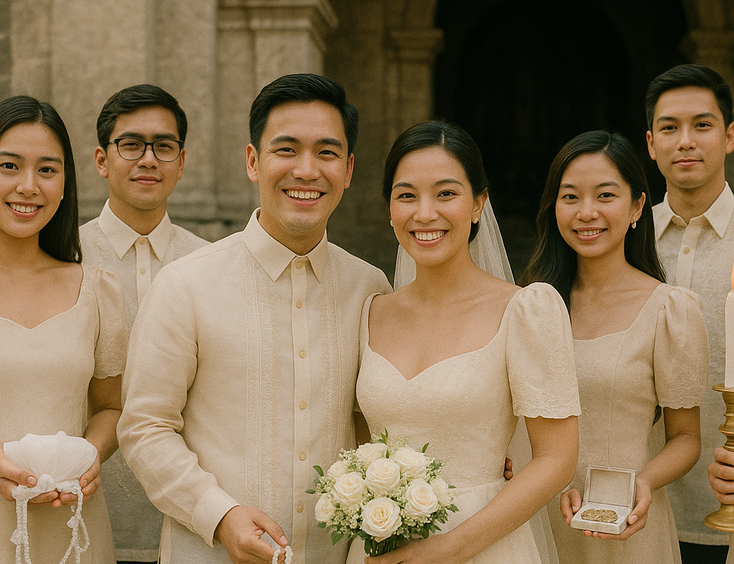

Filipino Wedding Entourage - Roles, Order of March, and Modern Etiquette
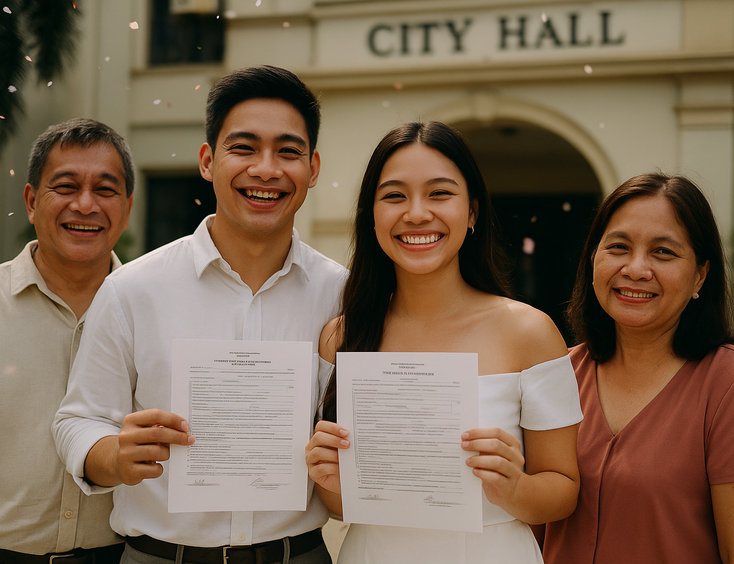
6 mins readCivil Weddings in the Philippines - Requirements, Costs, and Step-by-Step Process
9 mins readCivil Wedding Requirements in the Philippines - Complete Checklist
6 mins readCost of Wedding in the Philippines - 5 Essential Things You Need to Know
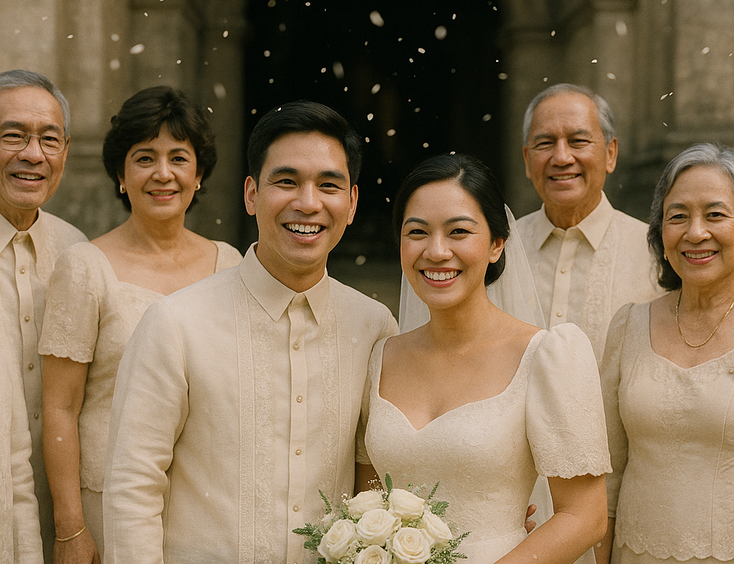
7 mins readPrincipal Sponsors (Ninong/Ninang) - How Many, How to Ask, What They Really Do
4 mins readVeil, Cord, Candle & Coins - Roles, Options, and When They Happen
4 mins readEntourage for a Traditional Pinoy Wedding - Complete Roles and Guide
6 mins readComplete List of Civil Wedding Requirements in the Philippines
8 mins readHow to Choose Wedding Ninongs and Ninangs - Ask Yourself These 3 Important Questions
5 mins read