


The Maria Clara Inspired Bridal Look: Accessories That Complete the Aesthetic
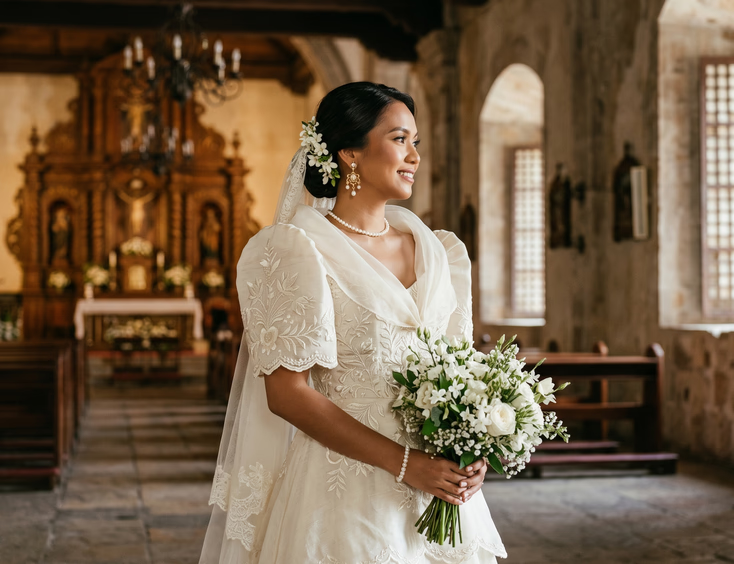
The Maria Clara look is rooted in a specific moment in Filipino history. José Rizal's 1887 novel Noli Me Tangere introduced Maria Clara as the embodiment of Filipino femininity, grace, and modesty. Her style reflected the formal dress of upper-class Filipina women during the Spanish colonial period: a camisa with butterfly sleeves, a pañuelo draped across the shoulders, a saya skirt, and a tapis overskirt. Filipino brides who choose this aesthetic are drawing from more than a character in a novel. They are honoring a cultural identity that has survived centuries of change.
Accessorizing a Maria Clara inspired bridal look requires restraint and intention. The gown carries so much history and structure that your accessories need to enhance the silhouette, not compete with it. This guide covers the specific pieces that complete the look, from jewelry to veils to handheld accessories.
For a broader overview of bridal accessories across all styles, start with our guide to wedding jewelry and accessories for Filipino brides.
Understanding the Maria Clara Silhouette
Before choosing accessories, understand the gown you are working with. The Maria Clara bridal gown borrows elements from the traditional Filipiniana dress and adapts them for a wedding context.
Terno sleeves. The butterfly or terno sleeves are the most recognizable feature. They extend outward from the shoulders in a wide, structured shape. Accessories near the shoulders, like shoulder chains or heavy necklaces, compete with those sleeves. Keep the neckline area clean.
Pañuelo or fichu. Many Maria Clara gowns include a sheer fabric panel that covers the chest and shoulders, tucked into the neckline. This panel limits the space for necklaces. A choker or a pendant on a short chain works within the visible area. A long necklace disappears under the fabric.
Piña or jusi fabric. Traditional Filipiniana gowns use piña (pineapple fiber) or jusi (a blend of silk and synthetic fiber). Both fabrics have a natural sheen and delicate hand-embroidered patterns. Accessories with a soft luster, like pearls and brushed gold, complement these textiles. Heavy rhinestones or high-shine crystals clash with the organic quality of the fabric.
Saya and tapis. The full-length skirt and overskirt create a structured lower half. Belts, sashes, and waist accessories can define the waistline if the gown does not already have a fitted bodice. If the bodice is structured and the tapis adds detail at the waist, skip the belt.
Pearl Jewelry: The Natural Pairing
Pearls and the Maria Clara look share the same DNA. Filipino women during the Spanish colonial era wore South Sea pearls as a mark of status, and pearl jewelry appears in portraits and photographs from that period. Choosing pearls for a Maria Clara bridal look is a historically grounded decision.
Pearl earrings. Pearl drop earrings or pearl studs are the safest and most effective choice. The terno sleeves draw the eye upward, and pearl earrings frame the face without adding visual weight to the neckline. If you wear your hair in an updo, pearl drops catch light as you move and photograph well from the side.
Pearl choker or short strand. A choker-length pearl strand (14 to 16 inches) sits above the pañuelo and adds warmth to the neckline. A princess-length strand (18 inches) works if your gown has no pañuelo and features an open neckline. Golden South Sea pearls complement the warm tones of piña fabric. White pearls pair well with jusi or organza.
Pearl bracelet. A single-strand pearl bracelet adds a finishing detail at the wrist, visible during the ring exchange and in close-up hand photos. Keep it simple. One strand, no dangling charms.
For a full breakdown of pearl types, lengths, and styling tips, read our guide on wearing pearls on your Filipino wedding day.
Gold Jewelry and the Filipiniana Tradition
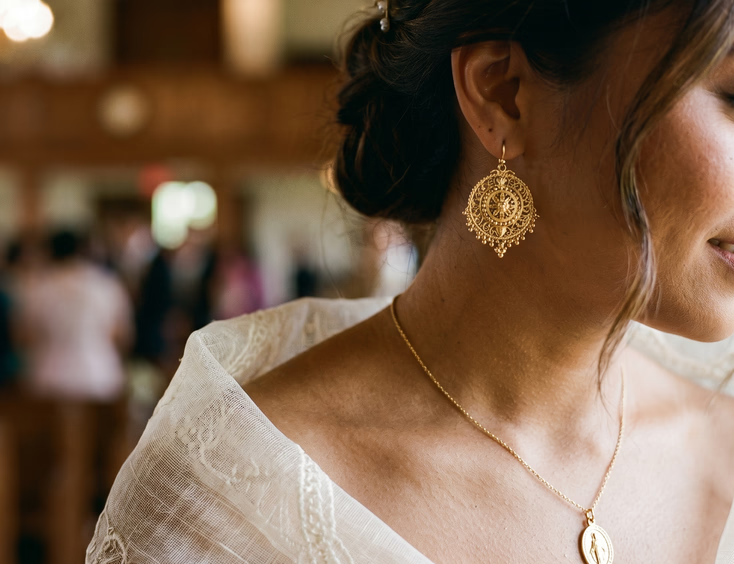
Gold has deep roots in Filipino culture. Pre-colonial Filipinos wore gold jewelry as markers of rank, and the tradition carried into the Spanish era. For a Maria Clara bridal look, gold jewelry connects you to both the pre-colonial and colonial layers of Filipino identity.
Tamburin earrings. Tamburin earrings are traditional Filipino gold earrings shaped like small tambourines or discs. They were worn by Filipina women in the 18th and 19th centuries and are experiencing a revival among brides who want culturally specific pieces. A pair of tamburin earrings gives your Maria Clara look a level of authenticity that generic gold hoops cannot match.
Gold filigree. Filipino gold filigree work features delicate wire twisted into floral or geometric patterns. A filigree brooch pinned to the pañuelo or a filigree hair comb tucked into an updo adds period-appropriate detail without bulk.
Gold rosary or religious medal. Many Filipino Catholic brides carry a rosary during the ceremony or wear a religious medal on a gold chain. For a Maria Clara look, a small Marian medal on a fine gold chain sits flat against the pañuelo and adds personal devotion to the aesthetic.
Mixing gold and pearls. Gold settings with pearl accents are the strongest combination for this look. A gold clasp on a pearl strand, gold posts on pearl drop earrings, or a gold filigree comb with pearl details unifies the two materials.
Veils for the Maria Clara Bride
The Maria Clara bridal look calls for a veil that echoes the Spanish Catholic roots of the aesthetic. Two styles stand out.
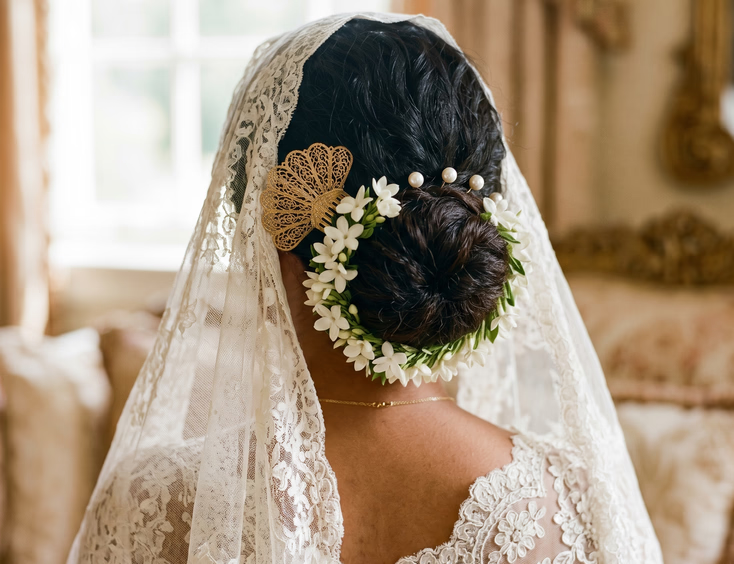
Mantilla veil. A mantilla is a lace veil worn over the head without a comb or tiara, draped over the hair and falling past the shoulders. The mantilla traces its origins to Spanish Catholic tradition, the same tradition that shaped the Maria Clara aesthetic. A Chantilly lace or Alencon lace mantilla in ivory complements piña fabric. A white lace mantilla pairs with jusi. The mantilla also coordinates well with the unity veil ceremony, as its soft drape does not interfere when sponsors pin the ceremonial veil.
Cathedral veil with lace trim. If you prefer a veil attached at the crown rather than draped over your head, a cathedral-length veil with a lace border creates a formal, traditional effect. The lace edge echoes the embroidery on your gown and ties the entire look together.
For detailed guidance on veil lengths, fabrics, and how to coordinate with the unity veil, read our guide on choosing the perfect bridal veil for a Filipino wedding.
Hair Accessories That Suit the Aesthetic
Your hairstyle for a Maria Clara look is part of the accessory plan. The classic pairing is a low bun or a chignon, sometimes adorned with fresh sampaguita flowers. Your hair accessories should support this structured, elegant foundation.
Sampaguita garland. Fresh sampaguita (Philippine jasmine) woven into a garland and wrapped around a low bun is one of the most culturally specific choices you can make. The white petals complement the gown, the scent fills the air around you, and the flower itself is the national flower of the Philippines. Order your sampaguita garland from a local florist the morning of the wedding. Fresh sampaguita wilts within hours, so timing matters.
Pearl hair pins. Small pearl pins scattered through an updo add subtle shine without competing with the terno sleeves. Three to five pins placed along the edges of a bun or chignon create enough sparkle for photos.
Gold filigree comb. A single gold filigree comb tucked into the side of a low bun serves as the attachment point for your veil and a decorative piece in its own right. After you remove the veil for the reception, the comb remains visible and keeps your hairstyle polished.
Peineta. A peineta is a tall decorative comb traditionally worn with a mantilla veil. It lifts the veil away from the head and creates a dramatic profile. If you choose a mantilla, a peineta in tortoiseshell, gold, or ivory adds height and formality to the look.
Avoid crystal-encrusted tiaras, modern metal headbands, or bohemian hair vines. These belong to different bridal aesthetics and break the visual coherence of the Maria Clara style.
The Pañuelo as an Accessory
The pañuelo is both a garment element and an accessory. It is the sheer fabric piece draped over the chest and shoulders, traditionally made of piña or organza. Some Maria Clara bridal gowns incorporate the pañuelo into the bodice design. Others treat it as a separate piece that you pin or tuck in.
If your pañuelo is separate, you have styling choices. Pin it with a small pearl brooch at the center of the chest for a clean, symmetrical look. Drape it loosely for a softer, more relaxed effect. Tuck the ends into the neckline for a tailored finish.
The pañuelo limits your necklace options but opens up opportunities for brooches and pins. A cameo brooch, a pearl cluster pin, or a small gold religious medal pinned to the pañuelo becomes the focal point of your chest area.
Handheld Accessories
Filipino brides during the Spanish era carried specific items that completed their formal look. Several of these are making a return in modern Maria Clara bridal styling.
Abanico (hand fan). A hand fan in ivory, lace, or painted wood is one of the most iconic Filipiniana accessories. Carrying an abanico during your photo session adds movement, texture, and cultural specificity. You can hold it open beside your face, rest it closed against your bouquet, or tuck it into your sash. For a warm outdoor ceremony, the fan serves a practical purpose too.
Lace gloves. Short lace gloves that stop at the wrist add a refined, period-appropriate touch. Full-length gloves extend to the elbow and create a more formal silhouette. White or ivory lace gloves pair with the delicate embroidery of piña and jusi.
Beaded clutch. A small beaded or embroidered clutch in gold, ivory, or champagne replaces a modern evening bag. Carry it during the reception when you no longer need your bouquet. A clutch with Filipino-made beadwork or shell inlay adds a local artisan element to your look.
For more on these accessories and how Filipino brides are reviving them, read our guide on bridal fans, gloves, and clutches for Filipino weddings.
Shoes for the Maria Clara Bride
Your shoes may be hidden under a full saya, but the moments when they show, stepping out of the car, walking up church steps, dancing at the reception, matter for photos and comfort.
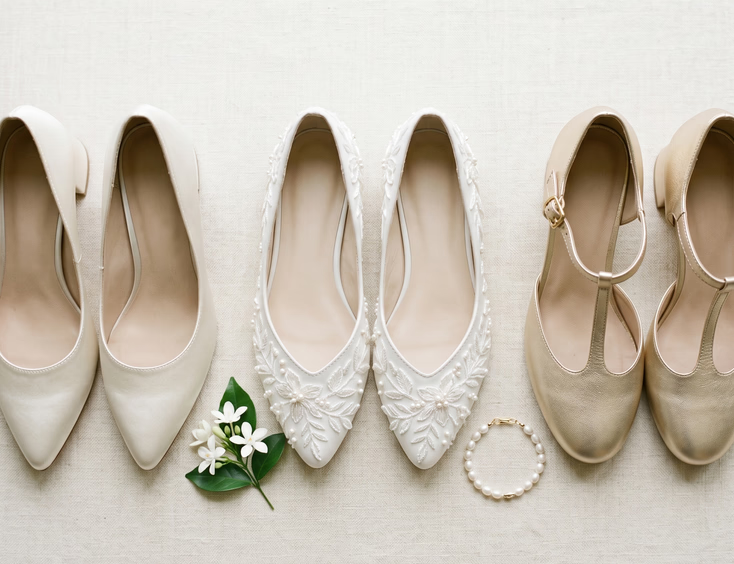
Pointed-toe heels in satin or silk. A closed-toe, pointed heel in white, ivory, or champagne satin matches the formality of the Maria Clara gown. The pointed toe elongates the leg and complements the structured silhouette.
Embroidered flats. If you prefer comfort or your ceremony involves kneeling on a hard church floor, embroidered flats in piña-inspired patterns give you a culturally aligned option. Several Filipino shoe designers produce flats with hand-embroidered details that echo Filipiniana textile patterns.
T-strap or Mary Jane heels. These vintage heel shapes match the period-inspired quality of the Maria Clara look. A low block heel in gold or champagne adds height without sacrificing stability on church marble floors.
Avoid chunky platform heels, modern stilettos with ankle straps, or casual sandals. These break the visual line of the gown and pull the eye away from the Filipiniana aesthetic.
Putting the Full Look Together
A Maria Clara bridal look succeeds when every piece shares the same visual language: warmth, restraint, cultural grounding.
| Category | Recommended Piece | Avoid |
|---|---|---|
| Earrings | Pearl drops, tamburin gold earrings | Chandelier earrings, statement hoops |
| Necklace | Pearl choker, gold chain with Marian medal | Layered chains, bib necklaces |
| Bracelet | Single pearl strand, gold bangle | Charm bracelets, stacked bangles |
| Veil | Mantilla, lace-trimmed cathedral veil | Birdcage veil, modern drop veils |
| Hair | Sampaguita garland, pearl pins, gold filigree comb | Crystal tiara, boho hair vine |
| Handheld | Abanico, lace gloves, beaded clutch | Oversized bouquet wraps, modern bags |
| Shoes | Satin pointed-toe heels, embroidered flats | Platforms, casual sandals |
Limit yourself to two focal accessories. If you wear a mantilla veil and tamburin earrings, keep your necklace minimal or skip it. If you carry an abanico and wear pearl drops, let those two pieces define the look.
Where Filipino Brides Source Maria Clara Accessories
Filipino artisans and heritage jewelry makers produce pieces designed for Filipiniana bridal looks. Local designers understand the proportions, materials, and cultural references that imported accessories cannot replicate. A tamburin earring from a Filipino goldsmith carries different weight than a generic gold disc earring from an international retailer.
Browse our jewelry and accessories supplier directory to connect with Philippine-based jewelers, veil makers, and accessory designers who specialize in Filipiniana bridal pieces. Many of these suppliers offer custom work, allowing you to commission pieces that match your specific gown fabric, color, and design.
Still Searching for a Right Match?
Find Your Perfect Wedding Supplier Today!
Discover trusted wedding suppliers across the Philippines in our complete directory. Compare services and connect with the ones that fit your dream celebration.
Browse Wedding SuppliersFeatured Blog Posts


Filipino Wedding Entourage - Roles, Order of March, and Modern Etiquette
6 mins readCivil Weddings in the Philippines - Requirements, Costs, and Step-by-Step Process
9 mins readCivil Wedding Requirements in the Philippines - Complete Checklist
6 mins readCost of Wedding in the Philippines - 5 Essential Things You Need to Know
7 mins readPrincipal Sponsors (Ninong/Ninang) - How Many, How to Ask, What They Really Do
4 mins readVeil, Cord, Candle & Coins - Roles, Options, and When They Happen
4 mins readEntourage for a Traditional Pinoy Wedding - Complete Roles and Guide
6 mins readComplete List of Civil Wedding Requirements in the Philippines
8 mins readHow to Choose Wedding Ninongs and Ninangs - Ask Yourself These 3 Important Questions
5 mins read