


The Filipino Bride's Guide to Wearing Pearls on Her Wedding Day
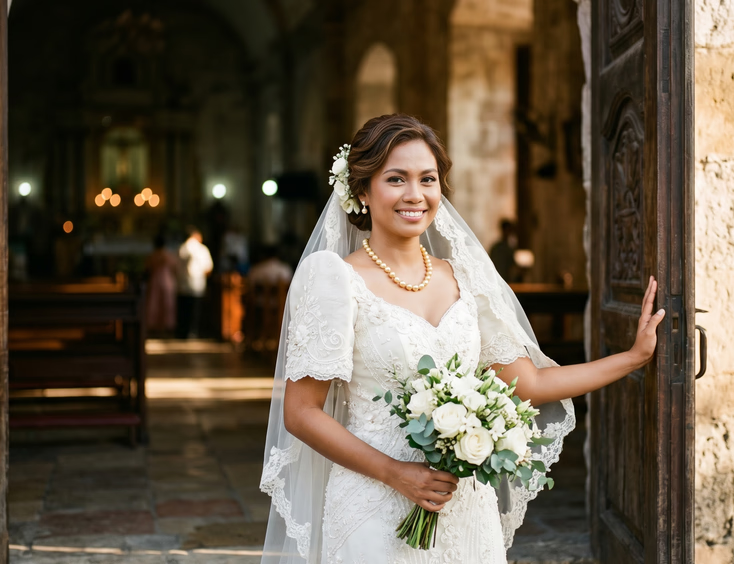
Pearls hold a singular place in Filipino culture. Filipinos sing about the "perlas ng silanganan" in the national anthem. In 1996, President Fidel Ramos designated the pearl as the National Gem, and the pinctada maxima oyster graces the 1,000-peso bill. Wearing pearls on your wedding day connects you to that heritage in a way few other accessories can.
If you are planning your full bridal jewelry look, our guide to wedding jewelry and accessories for Filipino brides covers all the categories. This post focuses on pearls alone and helps you choose the right type, length, and style for your gown, your venue, and your budget.
Why Filipino Brides Choose Pearls
Pearls have long been associated with purity and innocence, making them a popular choice for bridal jewelry and special occasions. In Filipino weddings, that symbolism runs deeper. Your lola may have worn a strand of South Sea pearls from Palawan on her own wedding day. Your mother may still keep a pair of pearl studs in a velvet pouch passed down through the family. Pearls carry memory.
Although some believe pearls symbolize tears, the original tradition says the opposite: brides wore pearls so they would have a tear-free marriage. Most cultures also associate pearls with purity, much like the white dress worn by brides. That double meaning makes them ideal for a Filipino wedding, where family tradition and faith shape each detail of the ceremony.
Philippine Pearl Types You Should Know
The Philippine Islands are a world leader in pearl culture, and local pearl farms produce South Sea pearls from the pinctada maxima oyster. Filipino jewelry makers have also favored local freshwater pearls for their designs. Knowing the difference helps you pick the right pearl for your look and your price range.
South Sea Pearls
Golden South Sea pearls are renowned for their unique golden hue and are produced by the Pinctada maxima oyster, the largest pearl-producing oyster in the world, found in the warm tropical waters of the Philippines and Indonesia. They are the largest of all cultured pearls, with an average size ranging from 9mm to 16mm, and some can reach up to 20mm.
Philippine South Sea pearl suppliers source pearls from the pristine waters of Palawan and the Sulu Sea. South Sea pearls are larger with a soft golden or white glow. That warmth pairs well with ivory and champagne gowns popular in Filipino weddings.
Freshwater Pearls
Freshwater pearl jewelry is more affordable, more plentiful, and has a silk-like luster. Freshwater pearls found in the waters of Halu Island are among the charming options sourced from the Philippines. If you want a layered pearl look or need pieces for your entourage without overspending, freshwater pearls give you that flexibility.
Baroque Pearls
Golden South Sea pearls come in a variety of shapes, including round, near-round, oval, button, drop, baroque, and circled. While round pearls are the most valuable, other shapes offer unique options for jewelry designs. Baroque pearls bring an organic, modern quality to a bridal look. If you are going for a boho beach wedding in Boracay or Siargao, a single baroque pearl pendant can carry your whole look.
Matching Pearls to Your Gown's Neckline
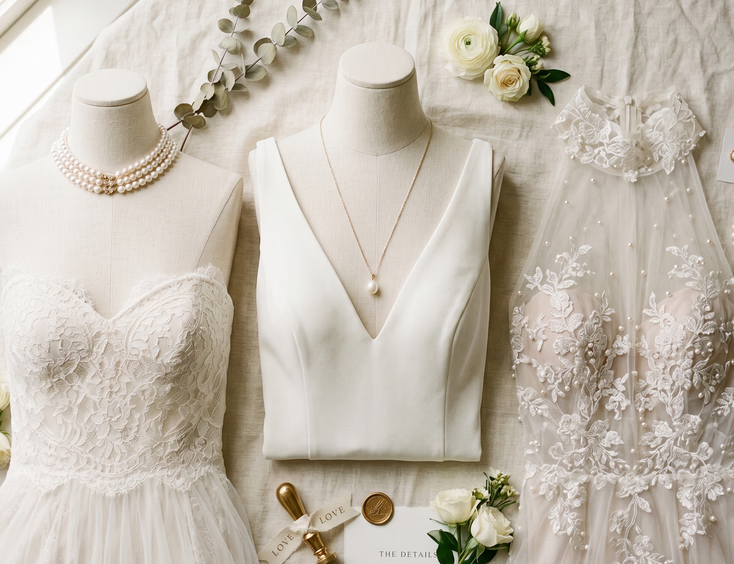
Your necklace length should follow the lines your gown creates. Start with the neckline and work outward.
Strapless and Sweetheart
Off-the-shoulder, strapless, sweetheart, and square neckline dresses show off the collarbone. A single strand of South Sea pearls at choker length (14 to 16 inches) draws the eye upward toward your face. Choker length sits high on the neck creating elegant lines, while princess length (18 inches) hits right at the collarbone and remains the most popular bridal choice.
V-Neck and Plunging
V-neck and plunge gowns create strong vertical lines, and the jewelry should follow that direction. A single golden South Sea pearl pendant on a fine gold chain fills that space without competing with the gown.
High Neck, Halter, and Illusion
For high-neck styles like bateau, cowl, halter, illusion, and Queen Anne necklines, skip the necklace. Focus on pearl stud earrings and a pearl bracelet instead. You can read more about earring styles that complement every Filipino bridal look to find the right pair.
Pearl Necklace Lengths at a Glance
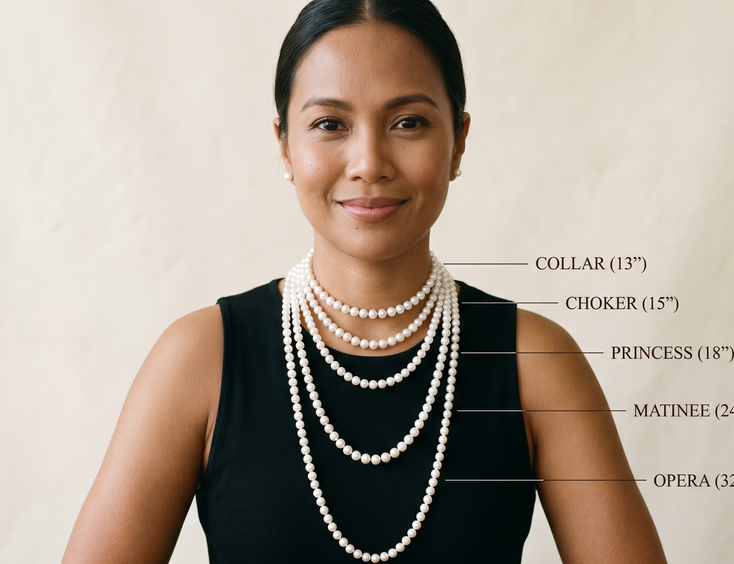
| Length | Measurement | Best For |
|---|---|---|
| Collar | 12–13 inches | Formal ceremonies, off-shoulder gowns |
| Choker | 14–16 inches | Sweetheart necklines, Filipiniana dresses |
| Princess | 17–19 inches | Most necklines, most body types |
| Matinee | 20–24 inches | High necklines, layered looks |
| Opera | 28–36 inches | Reception outfit changes, dramatic styling |
The 18-inch princess length is the most popular and is called the "modern classic." For petite Filipina brides, a 16-inch choker may sit the way an 18-inch princess sits on a taller frame. Try lengths on before you commit.
Styling Pearls Beyond the Necklace
A pearl necklace gets the most attention, but you can weave pearls into your entire look.
Earrings
Drop earrings with pearls are the perfect choice for an updo. If you choose a bold necklace, keep your earrings small. Pearl studs balance a statement strand. If you skip the necklace, pearl drop earrings become the focal point. Explore our guide on bridal necklaces for Filipino brides for pairing strategies.
Hair Accessories
Pearl-studded combs, pins, and hair vines work with both modern updos and the classic Filipino bridal bun. A few pearl pins scattered through a loose chignon give you that bridal glow without heavy jewelry around the neck.
Bracelets
A pearl bracelet adds a finishing detail visible in close-up photos during the ring exchange. Pair it with your engagement ring for a polished hand shot.
Pearls and the Maria Clara Bridal Look
If you are wearing a Filipiniana-inspired gown with terno sleeves or piña fabric, pearls are the natural accessory. Filipino bridal jewelry designed and handcrafted in the Philippines by Filipino artisans often incorporates traditional craftsmanship with modern twists. A strand of Philippine South Sea pearls with a gold clasp honors that tradition.
Pair golden pearls with the warm tones of piña silk. White pearls match the crisp look of a jusi fabric gown. For a full breakdown of accessories that complete this aesthetic, read our guide on the Maria Clara inspired bridal look.
Caring for Your Pearls on the Wedding Day
Pearls are organic gems. They need careful handling, especially during a long celebration.
Chemicals found in household cleaners, perfumes, cosmetics, and perspiration can damage pearls. Put your pearls on last, after makeup, hairspray, and perfume have dried. This single habit prevents buildup on the nacre.
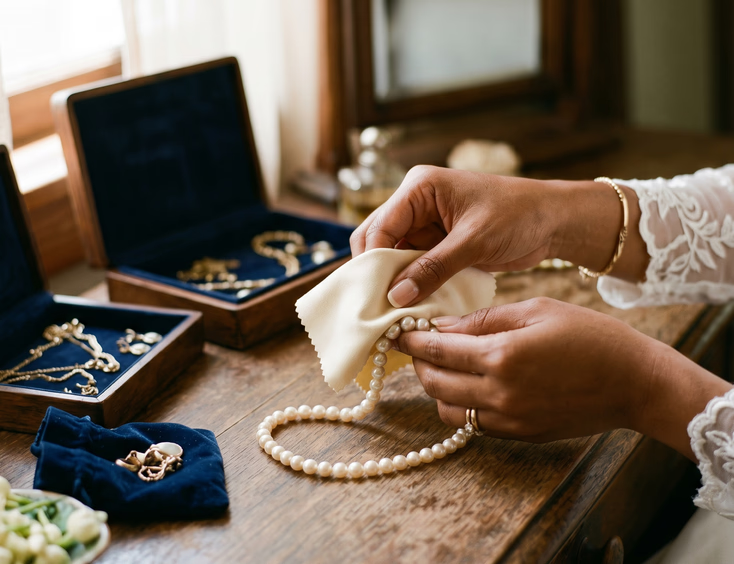
To clean your pearls, use a soft, damp cloth to remove dirt or oils. Avoid using abrasive cleaners or soaking them in water, as this can weaken the silk or nylon thread. After the reception, wipe each piece with that soft cloth before storing it.
Store pearls separately from other jewelry items to prevent scratches and damage. Keep them in a soft pouch or a dedicated compartment in your jewelry box. If you borrowed your mother's strand, return it in a pouch, not loose in a bag with other accessories.
The silk or nylon thread used to string pearls can weaken or stretch over time, so have your pearl necklaces and bracelets restrung periodically. If the strand belonged to your lola and has not been restrung in years, take it to a jeweler at least two weeks before the wedding. You do not want a strand breaking mid-ceremony.
Heirloom Pearls vs. New Purchases
Many Filipino brides receive pearls from family. These are often family heirlooms with significant sentimental value. Wearing those pearls fulfills the "something borrowed" tradition and connects your wedding to your family's story.
If the heirloom set does not match your gown, you have options. Wrapping a strand around your bouquet handle or pinning a pearl brooch to your veil keeps the heirloom visible without forcing a style mismatch.
If you are buying new, invest in quality. Look for pieces made with gold or silver settings. Ensure the luster and surface quality of the pearls is excellent with no visible imperfections, as surface quality indicates nacre thickness. Investing in quality means your wedding pearls become the heirloom your own daughter wears someday.
Budget Considerations
South Sea pearls are a luxury purchase. Philippine South Sea pearls are among the largest and rarest of the cultured pearls. A single golden South Sea pearl pendant starts at a few thousand pesos, while a full strand can reach six figures.
Freshwater pearls offer a beautiful alternative at a fraction of the price. Freshwater pearl earrings come in a range of colors and shapes, from classic round to baroque. You can build a full set of freshwater pearl earrings, a bracelet, and a necklace for the price of a single South Sea pearl pendant.
Prioritize the piece closest to your face. If you can invest in one South Sea pearl item, choose earrings or a pendant. Fill in the rest with freshwater pieces. The camera captures what frames your face first.
Find Your Pearl Supplier
The right pearls deserve the right jeweler. Browse our jewelry and accessories supplier directory to connect with vetted Philippine-based pearl jewelers, custom designers, and bridal accessory shops who can help you find or create the pearl pieces you need for your wedding day.
Still Searching for a Right Match?
Find Your Perfect Wedding Supplier Today!
Discover trusted wedding suppliers across the Philippines in our complete directory. Compare services and connect with the ones that fit your dream celebration.
Browse Wedding SuppliersFeatured Blog Posts
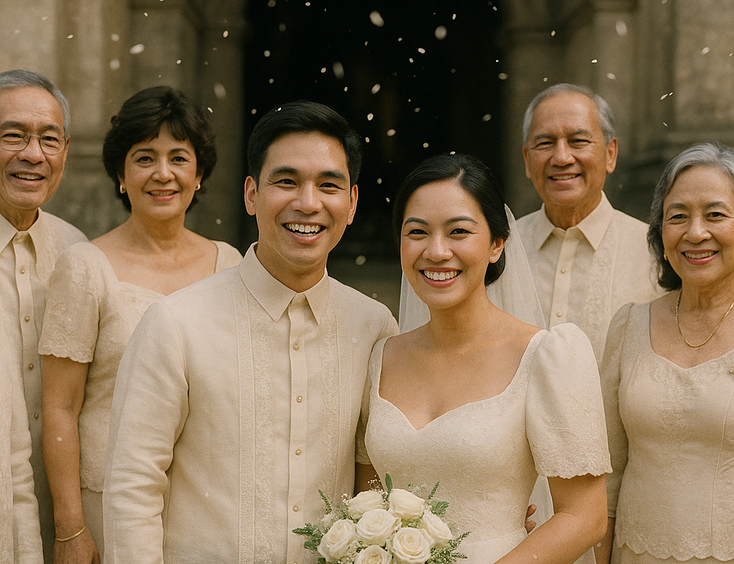
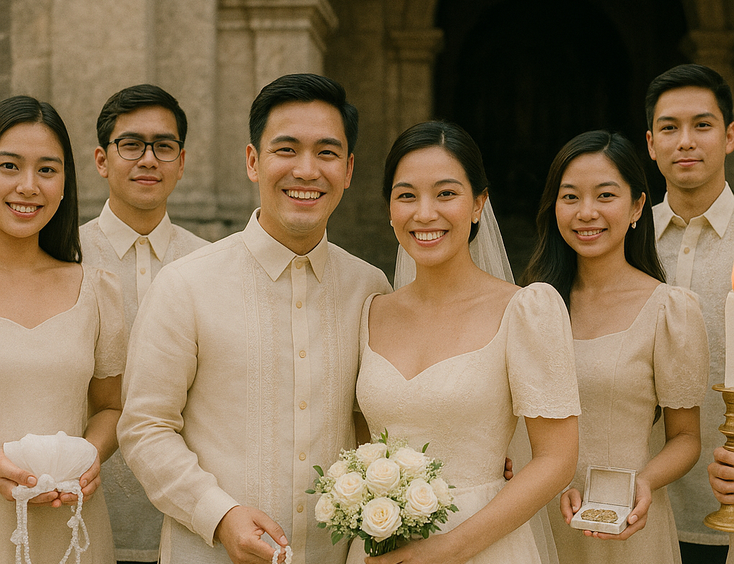
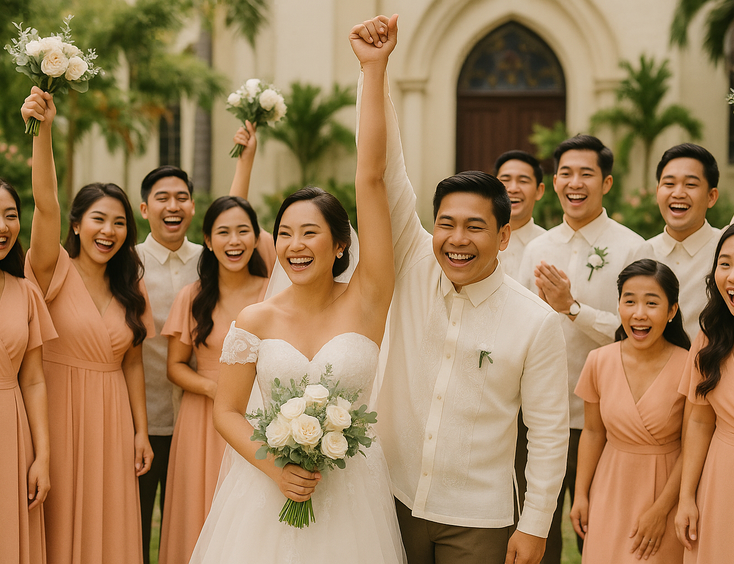

Filipino Wedding Entourage - Roles, Order of March, and Modern Etiquette
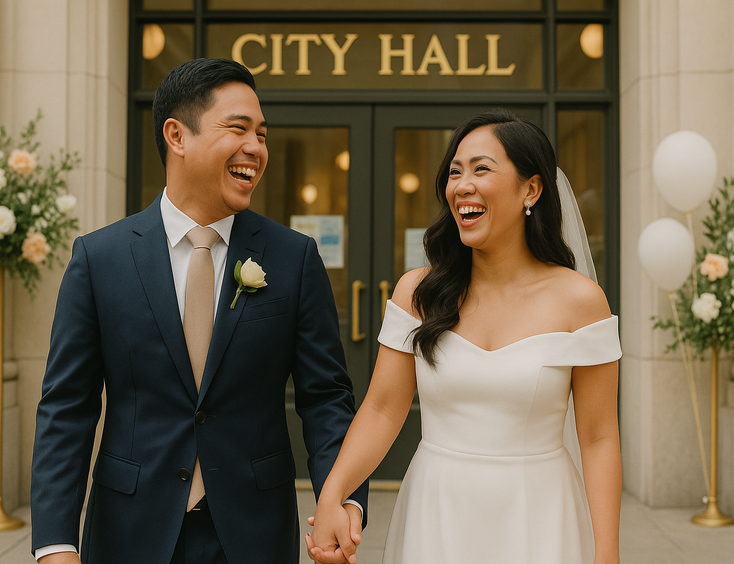
6 mins readCivil Weddings in the Philippines - Requirements, Costs, and Step-by-Step Process
9 mins readCivil Wedding Requirements in the Philippines - Complete Checklist
6 mins readCost of Wedding in the Philippines - 5 Essential Things You Need to Know
7 mins readPrincipal Sponsors (Ninong/Ninang) - How Many, How to Ask, What They Really Do
4 mins readVeil, Cord, Candle & Coins - Roles, Options, and When They Happen
4 mins readEntourage for a Traditional Pinoy Wedding - Complete Roles and Guide
6 mins readComplete List of Civil Wedding Requirements in the Philippines
8 mins readHow to Choose Wedding Ninongs and Ninangs - Ask Yourself These 3 Important Questions
5 mins read