


Tiaras, Crowns, and Headpieces: A Filipino Bride's Guide to Hair Jewelry
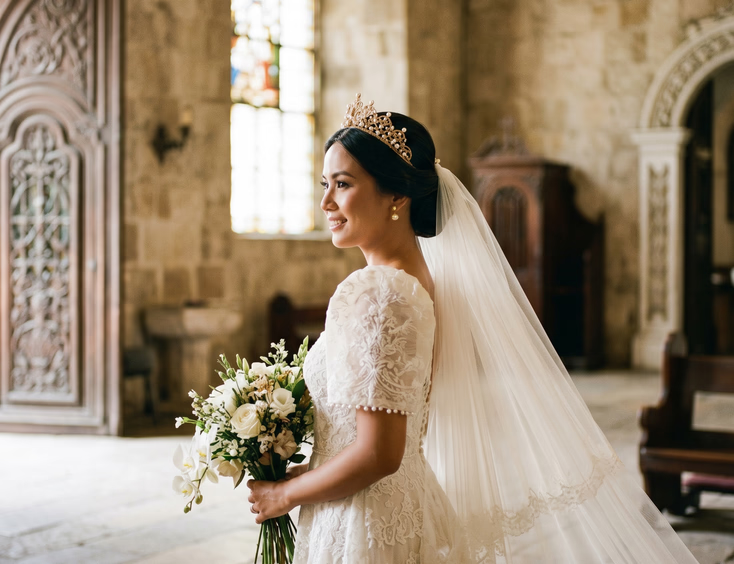
Hair jewelry changes your silhouette. A tiara adds height. A crown adds width. A headband reshapes the frame around your face. No other bridal accessory alters your profile as visibly as the piece you place on your head. Guests see it from the back of the church. Your photographer captures it from every angle. It stays in frame whether you face the altar, walk the aisle, or spin on the dance floor.
Filipino brides have worn hair ornaments for centuries. Pre-colonial Filipinas adorned their hair with gold pieces that signaled rank and clan affiliation. The Boxer Codex, a 16th-century manuscript documenting life in the Philippines, illustrated women wearing gold headbands and ornamental hairpins during formal occasions. Spanish colonial-era brides wore peinetas (decorative hair combs) to secure their veils and mantillas. That tradition carries forward in the tiaras, crowns, and headpieces Filipino brides choose today.
This guide covers every hair jewelry category, matches each to your hairstyle and veil, and helps you select the right headpiece for your Filipino wedding.
Hair Jewelry Categories: Your Full Range of Options
Each headpiece type creates a distinct visual effect. Understanding the categories narrows your search before you visit a single shop.
Tiara. A half-crown that sits on top of the head, arching from ear to ear. Tiaras add height and formality. Crystal tiaras suit cathedral ceremonies. Gold tiaras reference Filipino jewelry heritage. A tiara sits in front of the veil comb, making it visible even when your veil is on.
Crown. A full circle that encircles the head. Crowns sit lower than tiaras and create a regal, 360-degree silhouette. A floral crown made with fresh sampaguita or wax blooms suits garden and outdoor weddings. A metal crown with crystal or pearl accents works for formal celebrations.
Headband. A narrow band that arcs over the top of the head from ear to ear. Headbands sit closer to the hairline than tiaras and create a subtler profile. A gold filigree headband from Ilocos Sur connects you to Filipino platero craftsmanship. A crystal-encrusted headband adds sparkle without the height of a tiara.
Peineta (hair comb). A decorative comb inserted into the hair, with an ornamental top that rises above the hairstyle. Filipino brides during the Spanish colonial era used peinetas to anchor veils and mantillas. A gold filigree peineta holds your veil in place while adding a heritage accent to the back of your head.
Halo or circlet. A thin band that wraps around the full circumference of the head, sitting at or near the forehead. Halos create an ethereal, angelic look. A delicate gold wire halo with scattered pearl accents suits intimate church ceremonies and civil weddings.
Hair vine. A flexible wire strand embedded with crystals, pearls, or flowers that weaves through the hair. Vines follow the shape of your hairstyle rather than imposing their own structure. A pearl hair vine threaded through a braided updo adds texture without bulk.
Fascinator. A decorative ornament attached to a clip or comb, worn on one side of the head. Fascinators range from minimal (a cluster of crystals on a comb) to dramatic (feathers, netting, sculptural elements). They create asymmetry and draw the eye to one side of the face.
Juliet cap. A small, fitted cap that sits on the crown of the head, often made of lace or beaded mesh, with a veil attached at the back. Juliet caps reference 1920s bridal style and suit vintage-themed Filipino weddings.
Matching Your Headpiece to Your Hairstyle
Your hairstyle determines which headpieces work and where they sit.
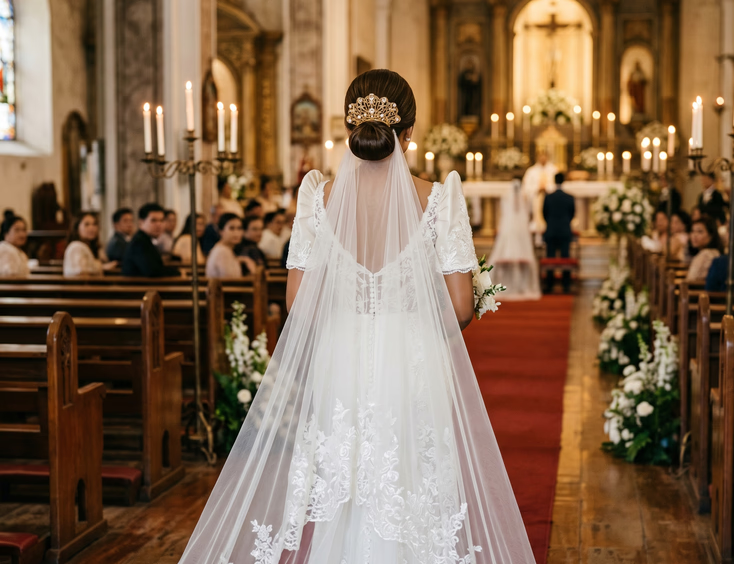
Classic chignon or low bun. The smoothness of a low bun creates a clean base for a tiara, headband, or peineta at the crown. A tiara sits on top, framing the face from above. A peineta anchors into the bun from behind, visible in over-the-shoulder photos. A hair vine can wrap around the base of the bun, adding detail to the back view.
High bun or topknot. The elevated position of the bun shifts the visual center of the hairstyle upward. A crown or halo worn lower on the head balances the height of the bun. A tiara placed in front of a high bun can push the total height too far. If you want a tiara with a high bun, choose a low-profile design with minimal vertical extension.
Loose waves or curls. Hair worn down creates volume and movement around the face. A halo or circlet sits at the forehead and controls the hair's frame. A fascinator clipped to one side adds a focal point without fighting the hair's natural flow. Skip rigid tiaras and crowns that need a stable base. Loose hair shifts throughout the day, and a heavy headpiece slides.
Half-up, half-down. The gathered top section provides an anchor point for combs, vines, and small tiaras. A peineta or jeweled comb inserted at the gathering point secures the style and adds a decorative accent. A hair vine woven through the pinned section adds sparkle that peeks through the layers.
Braided updo or crown braid. The texture of braids pairs with organic, nature-inspired headpieces. A floral crown laid over a crown braid creates a layered, garden-ready look. Small pins scattered along the braid add points of light without competing with the braid's pattern. Skip heavy tiaras that flatten the braid's volume.
Slicked-back bun or ponytail. The sleek surface gives the most freedom for statement headpieces. A dramatic tiara, an oversized crown, or a sculptural fascinator all work because the hair provides no competing texture. The clean line of the hairstyle makes your headpiece the sole focal point above the neck. For more on pairing hairstyles with accessories, see our guide to hair accessories for Filipino brides, including combs, pins, vines, and florals.
Matching Your Headpiece to Your Veil
Most Filipino brides wear a veil. Your headpiece and veil need to coexist on the same head without looking cluttered or pulling in opposite directions.
Tiara in front, veil behind. The most traditional pairing. The tiara sits on the crown of the head, and the veil comb is tucked behind it. The tiara frames the face in forward-facing photos. The veil flows from behind, visible in side and back shots. This arrangement works with cathedral, fingertip, and elbow-length veils.
Headband replacing the veil. Some brides skip the veil and wear a statement headband as their sole head accessory. A crystal or gold headband gives structure and sparkle without the volume of a veil. This option suits civil ceremonies, intimate weddings, and brides who want a cleaner silhouette.
Peineta anchoring the veil. A peineta serves double duty. The comb teeth hold the veil fabric in place while the decorative top adds a visual accent above the veil's attachment point. Spanish colonial Filipina brides used this exact pairing. A gold filigree peineta anchoring a lace-edged veil honors that lineage.
Crown worn over the veil. A full crown placed over a dropped veil (one that sits lower on the back of the head) creates a layered effect. The veil softens the background. The crown defines the foreground. This works for garden weddings and boho-inspired celebrations.
Halo at the forehead, veil at the crown. A forehead halo sits low, near the hairline. The veil attaches higher, at or behind the crown. The two pieces occupy different vertical zones, preventing visual competition. A gold wire halo with pearl accents paired with a simple tulle veil keeps the look balanced.
No headpiece, veil only. If your veil is your statement (a cathedral-length, embroidered, or lace veil), skip the headpiece. A dramatic veil paired with a tiara can overload the head. Let one piece lead. Read more on veil selection in our guide on how to choose the perfect bridal veil for a Filipino wedding.
Matching Your Headpiece to Your Gown
Your headpiece needs to match your gown's formality, embellishment level, and cultural reference.
Formal ball gown. A crystal tiara or a full crown matches the scale and formality of a ball gown. The volume of the skirt needs a headpiece with enough presence to balance the silhouette from top to bottom. A thin headband or a single hair vine looks too small against a cathedral train.
Sheath or column dress. The streamlined silhouette calls for a proportional headpiece. A slim headband, a halo, or a small fascinator complements the dress without overpowering its clean lines. A large tiara on top of a sheath dress creates a top-heavy imbalance.
A-line gown. A versatile shape that works with most headpiece styles. A medium-sized tiara, a floral crown, or a jeweled headband all suit the A-line's balanced proportions.
Mermaid or trumpet gown. The fitted bodice and flared skirt draw attention to the lower body. A statement headpiece (a bold tiara, an oversized crown) balances the visual weight by adding interest at the top. A subtle headband leaves the top half understated while the skirt does all the work below.
Maria Clara or terno gown. The butterfly sleeves and wide neckline of a Filipiniana gown create a distinctive upper-body profile. A gold filigree peineta or a pearl-accented headband honors the heritage aesthetic without competing with the sleeves. A modern crystal tiara can clash with the traditional gown. Commit to the era. If the gown references Spanish colonial Filipino style, the headpiece should follow. See the full approach in the Maria Clara inspired bridal look and the accessories that complete the aesthetic.
Filipino Heritage Headpiece Styles
Filipino jewelry and adornment traditions offer headpiece options rooted in centuries of craft and cultural meaning.
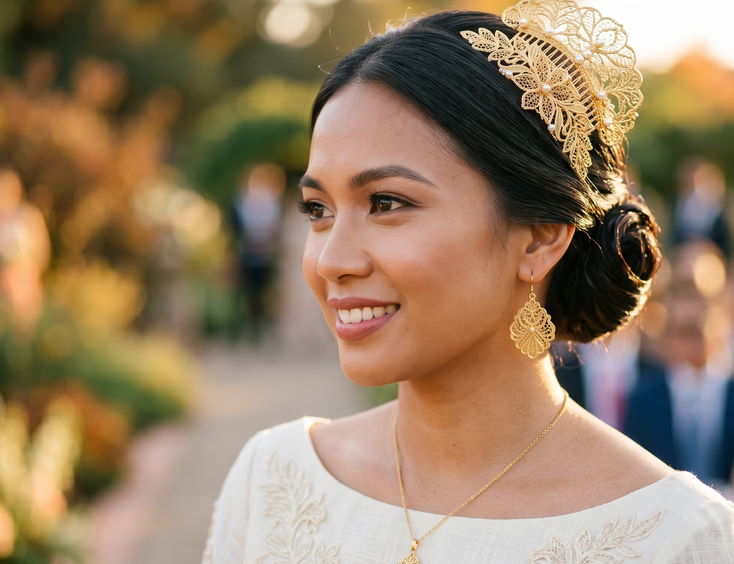
Gold filigree peineta. Plateros in Ilocos Sur create peinetas using the same filigree technique they apply to earrings, necklaces, and bangles. The peineta's comb structure is topped with an arching filigree fan, often featuring floral or sunburst motifs. A gold filigree peineta serves as both a veil anchor and a cultural statement.
Sampaguita floral crown. The sampaguita (Jasminum sambac) is the national flower of the Philippines and a symbol of fidelity, purity, and devotion. A crown woven from fresh sampaguita blossoms ties your bridal look to Filipino botanical tradition. Fresh sampaguita wilts within hours, so plan for a late assembly. Some brides opt for preserved or silk sampaguita to maintain the look through the reception.
Rosal-inspired headband. The rosal is a beaded flower arrangement traditionally placed on altars and religious images in Filipino Catholic homes. Modern Filipino headpiece designers translate the rosal's clustered bead-and-wire flower forms into bridal headbands and hair vines. A rosal-inspired headband connects your hair jewelry to Filipino devotional art.
Boxer Codex-inspired gold headband. Illustrations in the 16th-century Boxer Codex depict pre-colonial Filipina women wearing plain gold bands around their foreheads. Contemporary Filipino jewelers create minimalist gold headbands inspired by these images. A polished gold headband worn at the forehead references the oldest known Filipino hair jewelry tradition.
Headpiece Materials and How They Photograph
Your headpiece material affects how it reads in photos, how it holds up through a long day, and how it interacts with light at your venue.
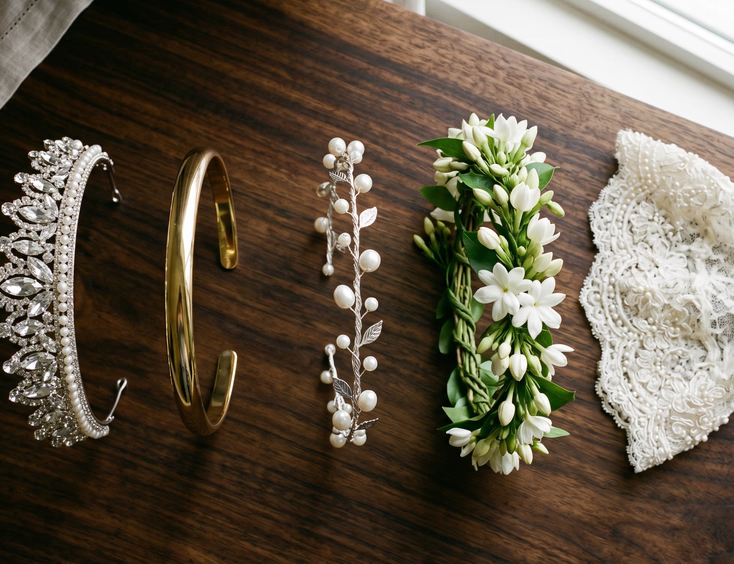
Crystal and rhinestone. Maximum sparkle. Crystals throw light under flash, candles, and spotlights. They photograph as bright, defined points that add energy to the head area. Under flat, overcast outdoor light, crystals lose some fire. Best for indoor ceremonies and evening receptions.
Gold metal. Reads warm and rich under natural light. Gold headpieces glow in golden hour photos and flatter morena and olive skin tones. A matte gold finish avoids harsh reflections. A polished gold finish adds brightness. Yellow gold is the dominant metal for Filipino bridal accessories in 2026.
Silver and white metal. Reads cool and sharp. Silver headpieces suit cooler skin undertones and pair with pure white gowns. White metal tiaras photograph with a brighter, icier sparkle than gold.
Pearls. Glow with a soft, diffused luminosity. Pearls do not throw harsh reflections under flash, making them forgiving in mixed-lighting venues. Golden South Sea pearls add warmth. White pearls add brightness. A tiara or headband accented with Philippine pearls ties your headpiece to local heritage.
Fresh flowers. Photograph with organic texture and color. Sampaguita reads white and fragrant. Roses add color. Orchids add structure. Fresh flowers wilt in Philippine heat. If your ceremony and reception span more than four hours, discuss preservation methods with your florist or consider high-quality silk alternatives.
Lace and fabric. Juliet caps and fabric-wrapped headbands add texture without sparkle. Lace headpieces tie in with lace gowns. The risk is visual blending. If your headpiece and gown are the same fabric, the headpiece can disappear against the dress. Add pearl or crystal accents to create separation.
Headpieces for Specific Wedding Themes
Your venue and theme influence which headpiece fits.
Cathedral or formal church ceremony. Crystal tiaras, gold filigree peinetas, pearl-accented headbands. Formal settings call for structured, polished pieces. The architecture of a church interior pairs with the architecture of a well-defined tiara or crown.
Garden or outdoor wedding. Floral crowns, hair vines, organic halos. The natural setting calls for pieces that echo nature. A sampaguita crown or a wire vine with leaf motifs connects the headpiece to the surrounding greenery. Natural light flatters pearls and matte gold.
Beach or resort wedding. Lightweight headpieces that hold up in humidity and sea breeze. A thin gold circlet, a shell-accented hair vine, or a simple pearl headband. Skip heavy crystal tiaras that feel too formal for sand between your toes.
Rustic or barn wedding. Warm metals, natural materials, organic shapes. A brass headband, a dried-flower crown, or a woven hair vine suit the venue's earthen textures. Gold filigree pieces bridge rustic charm with Filipino craft heritage.
Modern minimalist wedding. Clean lines, geometric shapes, sparse detail. A single gold wire headband. A sculptural metal hair comb. A forehead chain with one pendant. Minimalist headpieces let the gown and venue speak.
Filipiniana or heritage-themed wedding. Gold filigree peinetas, Boxer Codex-inspired headbands, sampaguita crowns. Commit to the cultural reference. This theme gives you permission to wear headpieces that might feel too ornate or specific for a modern minimalist celebration.
Coordinating Your Headpiece with Your Other Jewelry
Your headpiece shares the upper-body frame with your earrings and necklace. The three pieces need to coexist without crowding.
Tiara plus earrings. A crystal tiara paired with crystal chandelier earrings creates sparkle overload in the head zone. If the tiara is your statement, scale earrings down to studs or short drops. If your earrings are the focal point, swap the tiara for a subtle headband or skip the headpiece.
Crown plus necklace. A full crown creates a strong horizontal line around the head. A choker necklace creates another horizontal line at the throat. Two strong horizontal lines in the same zone can flatten the vertical visual flow. Pair a crown with a pendant or drop necklace that introduces a vertical element. Read our guide to bridal necklaces for Filipino brides for pairing strategies.
Headband plus hair vine. Wearing both a headband and a hair vine puts two accessories in the hair at once. This works if the pieces are from the same set and share a consistent material (both gold, both pearl-accented). Two unrelated pieces in the hair creates visual confusion.
Heritage consistency. If your headpiece is a gold filigree peineta, your earrings and necklace should come from the same filigree tradition. A filigree peineta paired with crystal drop earrings splits the aesthetic between heritage and modern.
Comfort and Practical Considerations
Your headpiece stays on your head for 8 to 12 hours. Comfort matters as much as appearance.
Weight. A heavy metal crown or a large crystal tiara creates pressure points on your scalp after a few hours. Try your headpiece on for at least two hours before the wedding. If it causes a headache, switch to a lighter alternative or ask your hairstylist to build a padded base into your hairstyle.
Secure attachment. Tiaras and crowns need bobby pins, hair combs, or built-in loops to stay anchored. Fine, straight hair provides less grip than thick, textured hair. Your hairstylist should do a trial run with the headpiece to test stability. A tiara that shifts during the ceremony is a distraction you do not need.
Veil removal compatibility. Many Filipino brides remove the veil for the reception. If your veil is attached to the same comb as your headpiece, removing the veil means removing the headpiece too. Ask your hairstylist to anchor them separately so you can detach the veil and keep the headpiece in place.
Wind and weather. Outdoor Filipino weddings face heat, humidity, and occasional wind. A floral crown made with fresh flowers wilts in direct sun. A lightweight halo can shift in a gust. Secure outdoor headpieces with extra pins and plan for touch-ups between the ceremony and reception.
Ceremony interactions. During the yugal, sponsors place a veil over the bride's head. A tall tiara can interfere with the draping. If your ceremony includes the yugal, choose a lower-profile headpiece or position the tiara forward enough that the ceremonial veil drapes behind it without catching.
Budget Guide for Bridal Headpieces
Filipino bridal headpieces range from ₱300 for a simple crystal hair comb to ₱40,000 or more for a custom gold filigree peineta.
Under ₱2,000. Crystal tiaras, rhinestone headbands, wire hair vines from local bridal shops. These photograph well and serve a single-day purpose. Online Filipino bridal accessory shops and Divisoria carry a wide selection at this tier.
₱2,000 to ₱10,000. Silver headbands with gold coating, freshwater pearl hair vines, semi-precious stone tiaras. Better materials and finer construction. Several Filipino accessory designers offer pieces in this range that rival the appearance of higher-priced imports.
₱10,000 to ₱25,000. Gold-filled headbands, South Sea pearl-accented tiaras, custom floral crowns from Filipino milliners. Pieces in this range carry distinctive design and superior materials.
₱25,000 and above. Custom gold filigree peinetas from Ilocos Sur plateros, solid gold headbands, heirloom-quality crystal crowns from established Filipino bridal designers. These are the pieces you pass to your daughter.
Save by pairing one statement headpiece with minimal other hair accessories. A gold filigree peineta does not need additional hair pins, vines, or clips. Let the single piece carry the look.
Choosing Your Bridal Headpiece: A Decision Framework
- Confirm your hairstyle. Your hairstyle determines which headpiece types work and where they sit. A low bun supports tiaras and peinetas. Loose waves need lighter pieces.
- Plan your veil. Decide whether your headpiece sits in front of, behind, beside, or instead of the veil.
- Match your gown's formality. A ball gown calls for a tiara or crown. A sheath calls for a headband or comb.
- Pick your material. Gold for warmth and Filipino heritage. Crystals for sparkle. Pearls for soft glow. Fresh flowers for organic texture.
- Set your budget. Decide if this is an heirloom investment or a one-day piece.
- Do a full trial. Wear the headpiece with your hairstyle, veil, and dress for at least an hour. Photograph from the front, side, and back. Check stability, comfort, and proportion.
Your headpiece is one piece in a larger wedding jewelry and accessories plan for your Filipino celebration. Select it alongside your earrings, necklace, and bracelet so every element reads as a unified set.
Ready to find the right headpiece? Browse our jewelry and accessories supplier directory to connect with Filipino jewelers, headpiece designers, and milliners who can help you crown your bridal look.
Still Searching for a Right Match?
Find Your Perfect Wedding Supplier Today!
Discover trusted wedding suppliers across the Philippines in our complete directory. Compare services and connect with the ones that fit your dream celebration.
Browse Wedding SuppliersFeatured Blog Posts


Filipino Wedding Entourage - Roles, Order of March, and Modern Etiquette
6 mins readCivil Weddings in the Philippines - Requirements, Costs, and Step-by-Step Process
9 mins readCivil Wedding Requirements in the Philippines - Complete Checklist
6 mins readCost of Wedding in the Philippines - 5 Essential Things You Need to Know
7 mins readPrincipal Sponsors (Ninong/Ninang) - How Many, How to Ask, What They Really Do
4 mins readVeil, Cord, Candle & Coins - Roles, Options, and When They Happen
4 mins readEntourage for a Traditional Pinoy Wedding - Complete Roles and Guide
6 mins readComplete List of Civil Wedding Requirements in the Philippines
8 mins readHow to Choose Wedding Ninongs and Ninangs - Ask Yourself These 3 Important Questions
5 mins read