


Bridal Necklaces for Filipino Brides: From Chokers to Statement Pieces
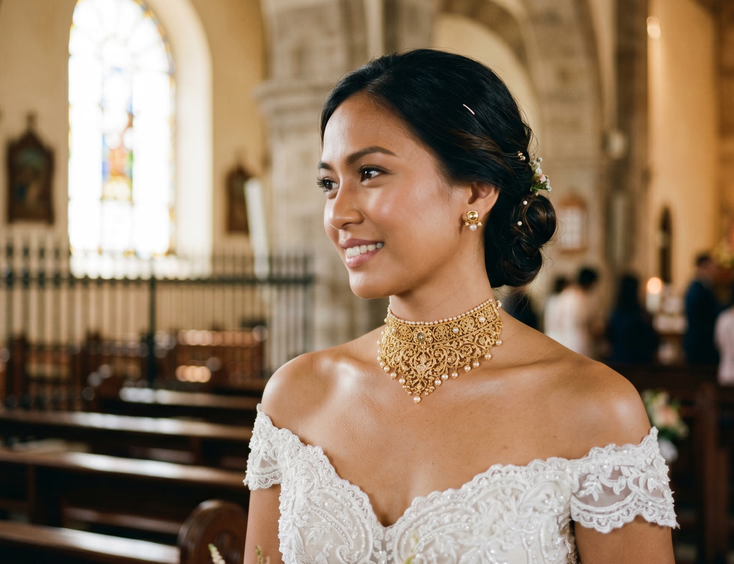
Your necklace is the first thing guests see when you walk down the aisle. It frames your face, defines your neckline, and sets the tone for every other accessory you wear. Choose the wrong one and it fights your gown. Choose the right one and it ties your entire bridal look together.
Filipino brides have a rich necklace tradition to draw from. Pre-colonial brides wore kilograms of gold during wedding ceremonies. Chiefs draped ten or twelve gold chains around their necks for formal occasions. The kamagi, a gold necklace from the 10th to 13th century, featured interlocking gear-like beads made through a granulation technique that required immense precision. That goldsmithing heritage lives on in the filigree work of Ilocos Sur plateros and the South Sea pearl strands sourced from Palawan.
This guide breaks down every bridal necklace silhouette, matches each one to specific gown necklines, and helps you pick the piece that fits your Filipino wedding.
Necklace Silhouettes Every Filipino Bride Should Know
Each necklace type sits at a different length and creates a different visual effect. Knowing the silhouettes helps you narrow your options before you step into a jewelry store.
Choker (14 to 16 inches). Sits snug against the base of the throat. Works with off-shoulder gowns, strapless dresses, and terno necklines. A gold filigree choker from Vigan references Filipino heritage while framing the collarbone.
Princess length (17 to 19 inches). Falls just below the collarbone. The most common bridal necklace length. A South Sea pearl strand at princess length suits sweetheart and scoop necklines.
Matinee length (20 to 24 inches). Hangs between the collarbone and the bust. Works with high necklines and crew necks where you need the necklace to fall past the fabric line.
Opera length (28 to 36 inches). Reaches the breastbone or lower. You can wear it as a single long strand or double it up as a layered choker. A strand of golden South Sea pearls at opera length gives you two styling options in one piece.
Pendant. A single charm, stone, or pearl suspended from a chain. The pendant falls at a focal point you control by choosing the chain length. A baroque pearl pendant on a fine gold chain adds a modern Filipino touch to a minimalist gown.
Collar. A wide, structured piece that wraps around the neck above the collarbone. Gold collar necklaces pair with Filipiniana terno butterfly sleeves, filling the space between the neckline and the jaw.
Bib or statement. A wide, layered piece that covers the upper chest. Best for simple, unembellished gowns where the necklace serves as the focal point. A beaded bib necklace with capiz shell accents ties in Filipino coastal materials.
Matching Your Necklace to Your Gown's Neckline
Your neckline determines your necklace. The two should complement each other, not compete.
Sweetheart neckline. The curved dip at the center of the chest creates a heart shape. A pendant necklace that echoes the V-shape works here. A short pearl strand that sits at the collarbone also complements the gentle curves without covering them. Skip long, dangling pieces that cut across the neckline's focal point.
V-neckline. The angular plunge calls for a necklace that follows the same line downward. A pendant or lariat on a fine chain mirrors the V and elongates your torso. Keep the pendant tip above where the fabric meets, leaving about an inch of space between the necklace and the neckline edge.
Off-shoulder or strapless. These necklines expose the full collarbone and shoulders. You have the most room to work with here. A choker fills the space between your jaw and the dress. A statement collar adds drama. A layered set of two chains at different lengths creates depth. Off-shoulder terno gowns pair with a gold filigree choker and matching earrings that complement the Filipino bridal look.
Halter neckline. The fabric panel running from the bodice to behind the neck covers the upper chest. Skip the necklace. A halter neckline leaves no room for a chain without visual clutter. Let your earrings and bracelet carry the accessory load.
High neckline or illusion bodice. Fabric covers the chest and throat. A necklace here competes with the dress. If you wear one at all, choose a long matinee or opera-length pendant that falls below the fabric's edge. In most cases, statement earrings and a bracelet serve you better with this neckline.
Square neckline. The straight horizontal line across the chest pairs with geometric or angular necklaces. A pendant with clean lines or a structured choker follows the neckline's horizontal shape and creates balance.
Scoop neckline. The wide, rounded opening works with necklaces that follow the same curve. A princess-length strand or a rounded pendant necklace sits inside the scoop and fills the open space.
Filipino Heritage Necklace Styles for Your Wedding
Filipino jewelry traditions offer necklace options you will not find in generic bridal catalogs.
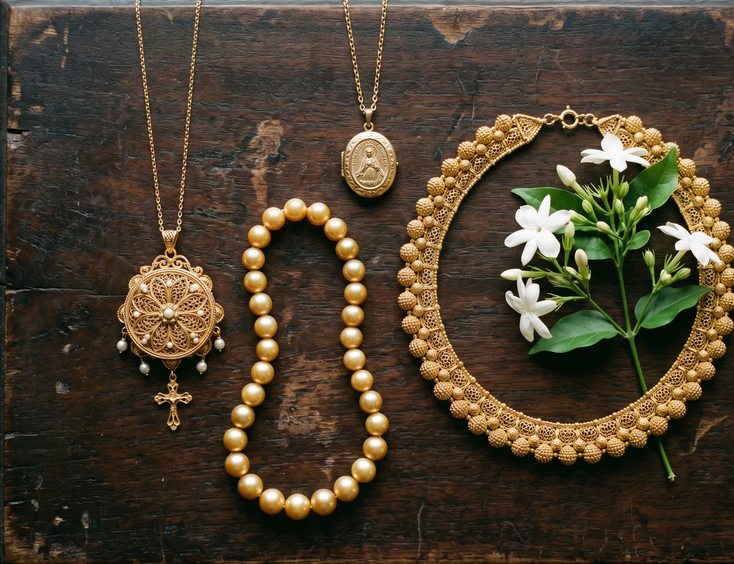
Gold filigree necklaces. Plateros in Ilocos Sur melt blocks of gold or silver and hammer them into fine, delicate threads. They shape these threads by hand into lace-like patterns inspired by nature. A filigree necklace connects you to a pre-colonial craft that Filipino artisans have practiced for centuries. Filigree pendants and tambourine necklaces are popular choices for brides who want a heritage piece.
Tambourine necklaces. The tambourine (tamburin) is a round, filigree bead used as the largest paternoster bead in rosary-inspired necklaces. Filipino women wore these during the Spanish colonial era, and the style has been revived by modern Filipino jewelers. A tambourine pendant on a gold chain bridges colonial-era elegance and contemporary bridal style.
South Sea pearl strands. The Philippines produces some of the world's finest golden South Sea pearls, harvested from the waters of Palawan and the Sulu Sea. A graduated strand of golden pearls makes a statement that ties you to the Philippines' identity as a pearl-producing nation. Read our full guide on wearing pearls on your Filipino wedding day to explore this option.
Relicario pendants. These locket-style pendants from the Spanish colonial era held religious relics or images of saints. Modern versions work as bridal pendants, adding a layer of Catholic Filipino tradition to your look. Some brides place a small photo of a deceased loved one inside the relicario, carrying their memory down the aisle.
Kamagi-inspired pieces. The kamagi necklace from the Surigao Treasure featured interlocking gold beads with serrated edges, resembling gears. Contemporary Filipino jewelers create pieces inspired by these pre-colonial designs, translating the kamagi's distinctive texture into modern bridal necklaces. A kamagi-inspired gold choker connects you to the 10th-century goldsmithing tradition of Surigao.
Material Guide: Gold, Pearls, Crystals, and More
The material you choose affects price, durability, and how the necklace photographs.
Yellow gold. The frontrunner for Filipino bridal jewelry in 2026. Yellow gold warms up morena and olive skin tones and carries deep cultural roots in the Philippines. Available in 14K (more durable, less gold content) and 18K (richer color, softer metal). A 14K gold filigree necklace holds up better through a full wedding day of wear.
White gold and platinum. Suit cooler skin undertones. White metals pair with pure white gowns. An 18K white gold pendant with a diamond accent photographs with a sharp, icy sparkle under flash.
Rose gold. Bridges warm and cool undertones. Rose gold reads softer and more romantic on camera. A rose gold chain with a single pearl pendant suits garden and sunset ceremonies.
South Sea pearls. Golden South Sea pearls range from light champagne to deep gold. White South Sea pearls offer a cooler alternative. Both types are large (10mm to 16mm or more), giving them a presence that smaller freshwater pearls lack.
Crystals and rhinestones. Budget-friendly options that throw light well under flash photography. A crystal pendant on a silver chain gives sparkle at a fraction of the cost of diamonds. The trade-off is durability. Crystals scratch more than gemstones.
Capiz shell and natural materials. Capiz shell from Cebu, brass from Mindanao artisans, and woven materials from Benguet add a Filipino touch at accessible price points. A capiz shell pendant suits beach and resort weddings.
Layering Necklaces: How to Stack Without Clutter
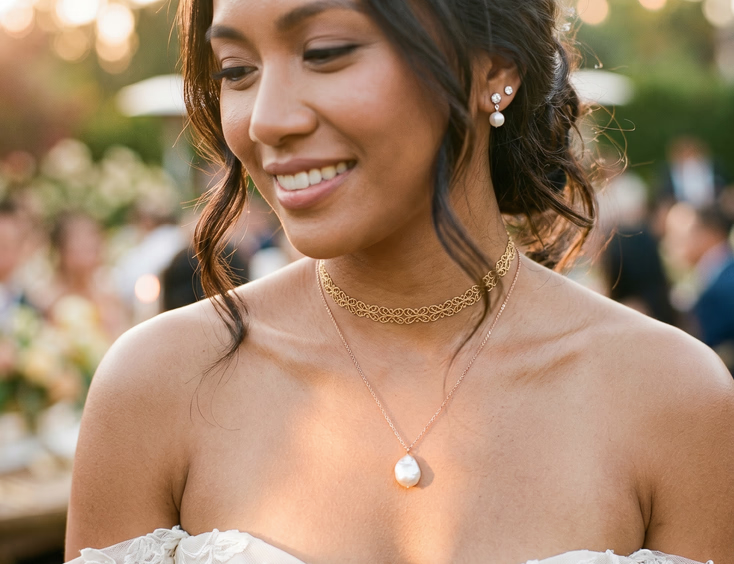
Brides in 2026 are layering necklaces to build depth and personalize their look. The key is variation in length, weight, and texture.
The two-piece layer. Pair a choker with a princess-length pendant. The choker frames the throat. The pendant draws the eye down. Use two items, not three. Two is intentional. Three often looks cluttered in bridal photos.
Mix metals with purpose. A yellow gold choker paired with a rose gold pendant chain creates warmth and visual interest. Keep both metals present elsewhere in your look (earrings, bracelet) so the mix reads as a deliberate choice.
Vary chain thickness. A thin, delicate chain paired with a thicker cable chain creates contrast. Two chains of the same weight blend together and lose definition in photos.
One heritage piece, one modern piece. A gold filigree tambourine pendant layered with a plain gold chain grounds the look in Filipino tradition while keeping it current.
Necklaces for the Maria Clara and Filipiniana Bride
Brides wearing Maria Clara or terno-inspired gowns need necklaces that honor the aesthetic without tipping into costume territory.
The Maria Clara gown features butterfly sleeves and a panuelo (shawl) over the shoulders. The neckline sits wide and open, creating space for a collar or choker. A gold filigree choker or a rosary-style necklace with a relicario pendant fills this space and references the Spanish-Filipino era.
A bold gemstone necklace paired with a modern terno brings the look forward. Emeralds, rubies, or sapphires set in yellow gold add color against the neutral fabric of a Filipiniana dress.
Get the full accessory breakdown in our guide to the Maria Clara inspired bridal look and the accessories that complete the aesthetic.
Styling Your Necklace with the Rest of Your Jewelry
Your necklace does not exist in isolation. It needs to work with your earrings, bracelet, and hair accessories.
One focal point rule. If your necklace is the star, scale down your earrings to studs or small huggies. If you plan to wear chandelier earrings, skip the necklace or choose a fine, barely-there chain. Two statement pieces in the same zone split the viewer's attention.
Match metals across pieces. Yellow gold necklace, yellow gold earrings, yellow gold bracelet. Mixing metals works when you do it with intent across the full set. Random mixing reads as mismatched.
Consider the cord and veil ceremonies. During the Filipino Catholic wedding, sponsors drape a cord and veil over the couple. A long necklace can tangle with the cord. A chunky necklace catches on the veil. Choose a length that sits above the area where sponsors will place these ceremonial items.
Think about the arras. The groom presents ceremonial coins to the bride. If you hold the arras pouch, your necklace will be visible in close-up shots. A pendant necklace creates a focal point in these photos. A bare neckline leaves the frame empty.
Budget Considerations for Your Bridal Necklace
Filipino bridal necklaces range from ₱500 for a crystal piece from Divisoria to ₱100,000 or more for a custom gold filigree set from an established platero.
Invest in one piece, supplement the rest. Buy or commission one heirloom-quality necklace you will keep. Pair it with affordable supporting accessories (crystal earrings, a simple bracelet) to balance the budget.
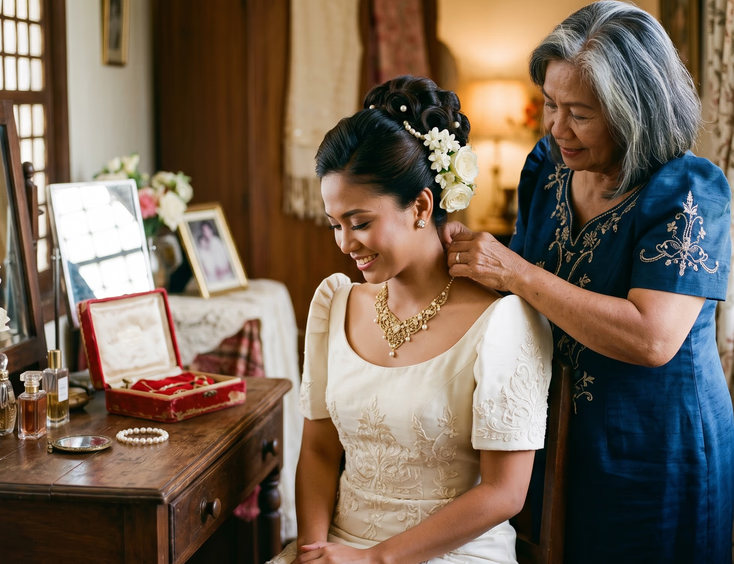
Borrow from family. Your lola's gold necklace or your mother's pearl strand carries sentimental weight and costs you nothing. Many Filipino families pass bridal jewelry through generations. Ask early so you can plan the rest of your accessories around the borrowed piece.
Rent statement necklaces. If you want a dramatic bib or collar necklace for photos but will not wear it again, several Filipino bridal accessory shops offer rental options. You get the look at a fraction of the purchase price.
Commission from local artisans. Filipino plateros and jewelers price their work below international luxury brands while offering superior craftsmanship. A custom gold filigree pendant from Ilocos Sur costs less than a comparable piece from a global jewelry house and carries a story rooted in Filipino heritage.
Care and Handling on Your Wedding Day
Your necklace will be on your neck for 8 to 12 hours. Plan for that.
Put jewelry on last. Hairspray, perfume, and makeup products dull metal and coat pearls. Get fully dressed and made up before putting on your necklace.
Bring a backup clasp. Lobster clasps are more secure than spring rings. If your necklace has a spring ring, ask your jeweler to swap it before the wedding. A broken clasp mid-ceremony is a problem no bride needs.
Pack a polishing cloth. Gold and silver pick up oils from skin contact. A quick wipe during the reception transition keeps your necklace looking fresh for evening photos.
Assign a jewelry handler. Give your maid of honor or a trusted bridesmaid the job of holding your necklace during outfit changes, the garter toss, or any activity that risks snagging.
Choosing Your Bridal Necklace: A Decision Framework
You have the knowledge. Now apply it in order.
- Identify your neckline. Pull up a photo of your gown. Note the shape, height, and how much skin it exposes.
- Match the silhouette. Use the neckline pairing section above to narrow your options to two or three necklace types.
- Pick your material. Gold for tradition and warmth. Pearls for heritage. Crystals for sparkle on a budget.
- Set your budget. Decide whether you are buying, borrowing, renting, or commissioning.
- Try it on with the dress. No amount of research replaces seeing the necklace against your actual gown, in the lighting conditions of your venue.
Your necklace is one piece in a larger wedding jewelry and accessories plan for your Filipino celebration. Get the full picture before you commit to any single item.
Ready to find the perfect bridal necklace? Browse our jewelry and accessories supplier directory to connect with Filipino jewelers, plateros, and pearl dealers who can help you find or create the right piece for your wedding day.
Still Searching for a Right Match?
Find Your Perfect Wedding Supplier Today!
Discover trusted wedding suppliers across the Philippines in our complete directory. Compare services and connect with the ones that fit your dream celebration.
Browse Wedding SuppliersFeatured Blog Posts


Filipino Wedding Entourage - Roles, Order of March, and Modern Etiquette
6 mins readCivil Weddings in the Philippines - Requirements, Costs, and Step-by-Step Process
9 mins readCivil Wedding Requirements in the Philippines - Complete Checklist
6 mins readCost of Wedding in the Philippines - 5 Essential Things You Need to Know
7 mins readPrincipal Sponsors (Ninong/Ninang) - How Many, How to Ask, What They Really Do
4 mins readVeil, Cord, Candle & Coins - Roles, Options, and When They Happen
4 mins readEntourage for a Traditional Pinoy Wedding - Complete Roles and Guide
6 mins readComplete List of Civil Wedding Requirements in the Philippines
8 mins readHow to Choose Wedding Ninongs and Ninangs - Ask Yourself These 3 Important Questions
5 mins read