


Wedding Cakes in the Philippines: Traditions, Trends, Flavors, and Everything You Need to Know Before You Order
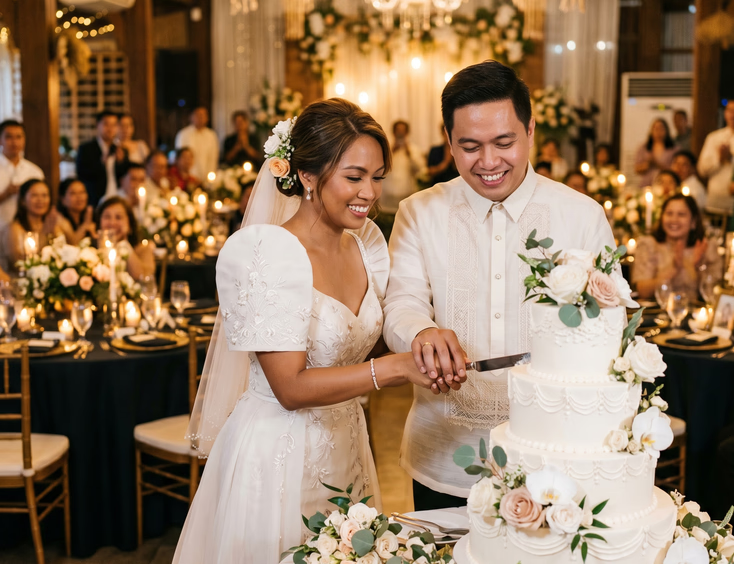
Filipino couples treat the wedding cake as more than dessert. It anchors the reception, triggers one of the evening's most-photographed moments, and carries superstitions your lola will remind you about for years.
This guide covers traditions, design styles, trending flavors, pricing, and how to pick the right baker for your celebration.
The Role of the Wedding Cake in Filipino Weddings
The wedding cake is one element no Filipino wedding skips. Filipino couples are superstitious, and the act of cake cutting carries weight beyond ceremony. The cake-cutting ritual symbolizes the couple's commitment to provide for one another.
The bride and groom cut the first piece together, a gesture that represents their first shared task as a married couple. After the cut, they feed each other from the first slice. One superstition says the bride should take the first bite.
Some families freeze the top tier so the couple can eat it on their first anniversary. Others share slices with parents and elders before the rest of the guests. Filipino couples sometimes offer their first slice to their parents and elders as a sign of respect.
If you want to understand why this moment still matters in modern receptions, read our piece on why the wedding cake cutting ceremony is still a big deal at Filipino receptions.
Traditional Sweets That Came Before the Western Cake
Before fondant and buttercream entered Filipino receptions, the dessert table told a different story.
Filipino newlyweds were served a small plate of sticky rice cakes, known as kalamay, symbolizing the couple sticking together throughout their married life. Sticky rice desserts like biko, kalamay, suman, and kutsinta are served to symbolize a sweet married life where the couple sticks together.
Rice holds sacred status as one of the Philippines' foremost crop staples. In ancient times, priestesses officiated weddings by holding the couple's joined hands over a mound of rice grains, which was later cooked and eaten as their first shared meal.
Today, many couples blend both traditions. You might see a four-tier fondant cake on one table and bilao trays of sapin-sapin and bibingka on another.
The Cake Charm Pull: A Filipino Reception Favorite
A tradition at many Filipino wedding cakes involves fortunes for single girls to pull. Strings are placed underneath the cake, and each single woman pulls one to reveal a message. One of the strings has a ring attached. The lucky girl who pulls the ring is believed to be the next to marry.
This custom shares DNA with the Victorian ribbon pull and the Southern U.S. cake pull, but Filipino families adapted it with their own flair. Your baker can tuck ribbons beneath the bottom tier or use a separate charm cake so the main display stays intact.
Wedding Cake Styles Popular Among Filipino Couples
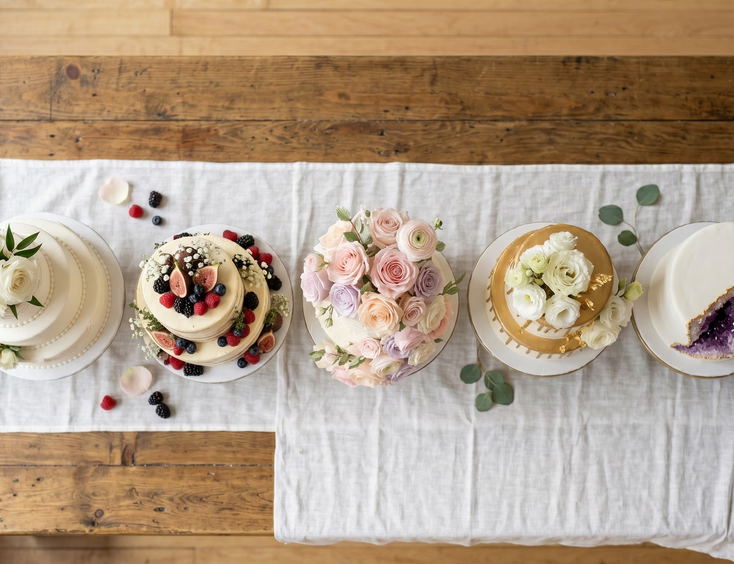
Your cake's design sets the tone for the entire dessert table. Filipino couples choose from a wide range of styles, and the right pick depends on your venue, guest count, and personal taste.
Tiered Cakes
The multi-tier cake remains the go-to choice for large Filipino receptions. Traditional wedding cakes often involve multiple layers, though more couples now show off their modern taste with understated single-tier designs. If you're weighing both options, our comparison of tiered wedding cakes vs single-tier cakes for Filipino receptions breaks down the pros of each.
Naked Cakes
Naked wedding cakes skip the icing or frosting. Bakers stack the layers with fillings and cover the outside with a thin coat of butter instead of fondant. They pair well with rustic garden venues in Tagaytay, Antipolo, or Batangas. For a closer look at this debate, check our guide on naked cakes vs fondant cakes and which style Filipino couples prefer.
Floral Wedding Cakes
Sugar flowers and fresh blooms dominate Filipino bridal Pinterest boards. Cakes decorated with sugar flowers are a classic, but brides who want a statement piece order from artisan wedding cake makers that specialize in intricate, life-like blooms. We cover this trend in detail in the rise of floral wedding cakes among Filipino brides.
Drip Cakes, Geode Cakes, and Sculpted Cakes
Couples who want a conversation starter at their reception explore these statement designs. Geode cakes feature rock candy crystals that mimic amethyst or quartz. Drip cakes use a ganache glaze that runs down the sides. Sculpted cakes take any shape you can imagine. Our guide on drip cakes, geode cakes, and sculpted cakes for Filipino weddings breaks down whether the extra cost is worth it.
White vs Colored Cakes
The color white represents elegance, money, and social importance and has been used for weddings since the 16th century. But Filipino couples now push past that tradition with blush pink, dusty blue, sage green, and ombré designs. Cakes designed with gradient coloring remain a fun and sophisticated choice. You can match your motif's colors in the ombré design so the cake fits with the reception decorations. For more on this choice, see our piece on traditional white wedding cakes vs colored wedding cakes for Filipino celebrations.
Design Trends Shaping Filipino Wedding Cakes Right Now
Vintage Revival
Vintage, romantic cakes have taken center stage at thousands of weddings, with nostalgia driving the trend. Details like swans, ruffles, and vintage piping are becoming more common, along with buttercream rosettes and romantic details. Bride-and-groom cake toppers are also making a comeback.
In the Philippines, some couples recreate the exact cake their parents or grandparents had. Bakers report requests from customers to recreate wedding cakes from previous generations.
Slab Cakes and Long Table Cakes
Slab cakes, flat and elegant alternatives to traditional tiered cakes, are gaining popularity after being featured in recent celebrity weddings. One major reason for their popularity is convenience. Serving guests is faster and simpler since there's no need to dismantle tiers. This makes receptions run more smoothly, especially for large gatherings.
Long table cakes were a favorite in 2025, and wedding professionals expect them to stay popular throughout 2026. These multi-foot-long sheet cakes provide a dazzling alternative to tiered cakes.
Sculptural and Unconventional Shapes
2026 favors sculptural silhouettes, bringing avant-garde drama that feels fresh and playful. Cone-shaped cakes, egg-shaped cakes, and oversized abstract designs are turning heads at weddings worldwide, and Filipino couples with a flair for the dramatic are picking up the trend.
Textile-Inspired Details
Wedding desserts are going couture in 2026 with edible lace, crochet-like piping, and macramé-inspired detailing that mimic delicate textiles. For Filipiniana-themed weddings, bakers can replicate the embroidery patterns of the barong tagalog or the piña fabric of the terno on fondant. Some bakers create cakes inspired by barong tagalog fabric, the traditional embroidered material from the Philippines.
Flavors Filipino Couples Love
Classic Choices
Vanilla, chocolate, and mocha remain safe picks. Goldilocks, one of the most accessible options, offers wedding packages starting at around ₱4,000 with a fondant-inspired mocha wedding cake. Red velvet, marble, and cheesecake-filled tiers also appear on most Filipino baker menus.
Filipino-Inspired Flavors
This is where Filipino weddings stand apart.
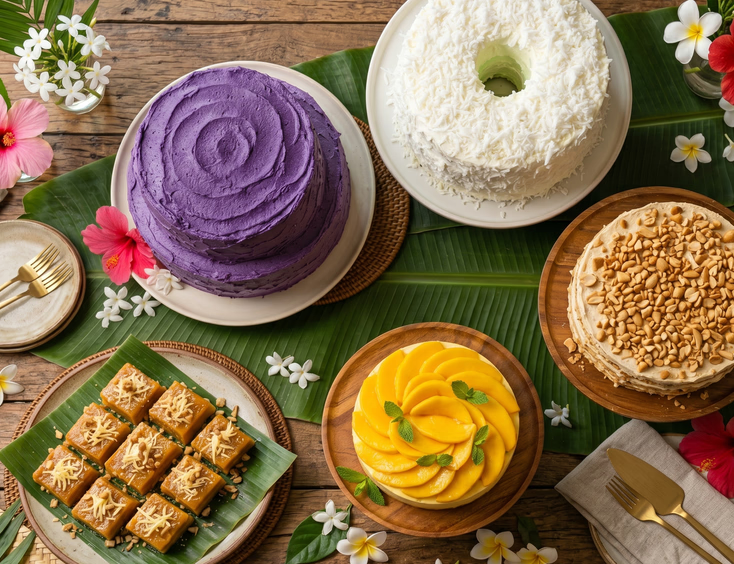
Ube (Purple Yam) — Ube cake is a traditional Filipino chiffon or sponge cake made with ube halaya. It is distinctively vivid purple in color. Popular in the Philippines and trending internationally, ube's vibrant hue and nutty-sweet flavor are a natural fit for aesthetic-forward bakes. Couples use ube as a tier flavor, a filling, or a full cake.
Pandan — Pandan is often called the "vanilla of Southeast Asia," with a delicate, nutty aroma combining jasmine, coconut, and vanilla. Buko pandan (young coconut with pandan) is a crowd-pleasing filling that tastes like a Filipino fiesta in every bite.
Yema and Leche Flan — These custard-based Filipino flavors work as fillings between chiffon layers. They bring rich, caramelized sweetness.
Sans Rival — Despite its French name, sans rival is a Filipino creation made with meringue, buttercream, and chopped cashews. It is chewy with a strong sweet and buttery flavor. Couples who want a distinctly Filipino dessert table add sans rival as one tier or serve it on the side.
Mango — Philippine mangoes need no introduction. Mango cream, mango mousse, or fresh mango slices between layers add tropical brightness.
Global Flavors Trending Locally
Pistachio continues to dominate menus across formats like layer cakes, tiramisus, and cheesecakes. Matcha-strawberry pairings and salted caramel have also reached Manila baker menus.
How Much Does a Wedding Cake Cost in the Philippines?
Wedding cakes can cost between ₱5,000 and ₱10,000 for standard options. The cost depends on the number of layers and intricacy of details. For a four-tiered wedding cake, prepare to spend anywhere from ₱5,000 to ₱40,000.
If you're on a tight budget, some single-layer cakes can be available for as low as ₱2,000. You can also ask your caterer, as some packages include a classic wedding cake and styling.
Here are the factors that affect your price:
Number of tiers — More layers require more ingredients and time to construct, which drives up the cost.
Design complexity — The cost of a cake is determined by the number of servings and the complexity of the design. Sugar flowers can spike costs because they are handcrafted and time-consuming.
Delivery distance — Delivery can affect overall costs. Most weddings have the cake supplier delivering on the day of the wedding, and the further they travel to the venue, the more they charge.
Budget hacks — A popular hack is using artificial cake layers, where icing-coated styrofoam tiers add to the look while only one or two layers are real cake. Cupcake towers and dessert bars offer variety while reducing per-guest costs.
How to Choose the Right Wedding Cake Baker
Start Early and Do Your Research
Start your search early in the planning process. This gives you enough time to research options, schedule tastings, and make a decision.
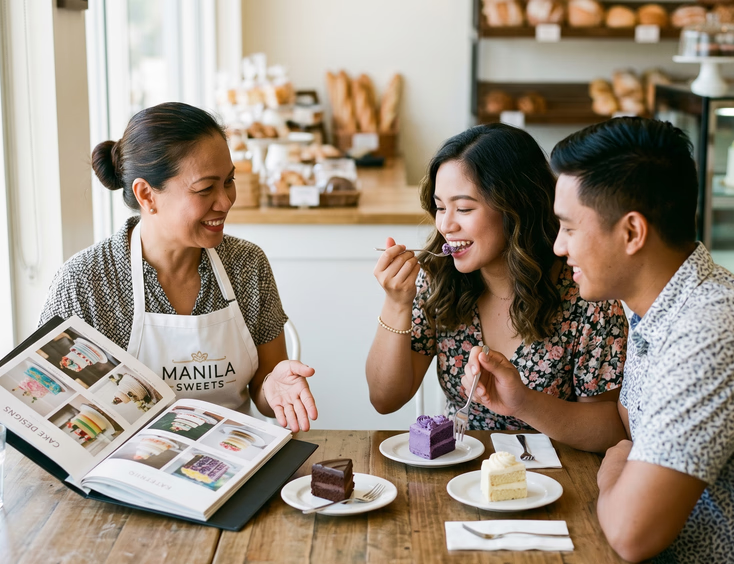
Book a Tasting
Bakeries provide tastings to help you choose your cake flavors. Consider your wedding location and cake budget. Some vendors can only accommodate limited locations and venues.
Check Their Portfolio and Reviews
Consider the baker's portfolio and reviews to ensure they have experience with your preferred style and flavor. Experienced bakers know how to design a cake that fits with the wedding theme, matches the color scheme, and meets the taste preferences of the couple.
Discuss Logistics
Consider the logistics of transporting and setting up the cake at your venue. Some venues may have restrictions on the size or design of the cake. Make sure your baker is aware of any venue restrictions.
Align Budget with Vision
As one of Manila's top cake designers advises couples: "Do the research; plan and blend your ideas with what is recommended; and do what is possible within your budget."
Find Your Wedding Cake Supplier
You've picked the style. You know the flavor. You have a number in mind. The next step is finding a baker who can bring it together.
Browse our directory of wedding cake and pastry suppliers in the Philippines to compare bakers, view their portfolios, and send inquiries.
Quick Reference: Wedding Cake Planning Checklist
- Set your cake budget (₱5,000 to ₱40,000+ depending on tiers and design)
- Decide on the number of tiers based on guest count
- Pick two to three flavor options to taste
- Collect design pegs from Pinterest, Instagram, or wedding expos
- Book a tasting with two or three bakers at least three to four months before the wedding
- Confirm delivery logistics, setup, and venue restrictions
- Finalize the design, flavor, and contract at least six to eight weeks before the date
Still Searching for a Right Match?
Find Your Perfect Wedding Supplier Today!
Discover trusted wedding suppliers across the Philippines in our complete directory. Compare services and connect with the ones that fit your dream celebration.
Browse Wedding SuppliersFeatured Blog Posts

Filipino Wedding Entourage - Roles, Order of March, and Modern Etiquette
6 mins readCivil Weddings in the Philippines - Requirements, Costs, and Step-by-Step Process
9 mins readCivil Wedding Requirements in the Philippines - Complete Checklist
6 mins readCost of Wedding in the Philippines - 5 Essential Things You Need to Know
7 mins readPrincipal Sponsors (Ninong/Ninang) - How Many, How to Ask, What They Really Do
4 mins readVeil, Cord, Candle & Coins - Roles, Options, and When They Happen
4 mins readEntourage for a Traditional Pinoy Wedding - Complete Roles and Guide
6 mins readComplete List of Civil Wedding Requirements in the Philippines
8 mins readHow to Choose Wedding Ninongs and Ninangs - Ask Yourself These 3 Important Questions
5 mins read