


Naked Cakes vs Fondant Cakes: Which Style Do Filipino Couples Prefer
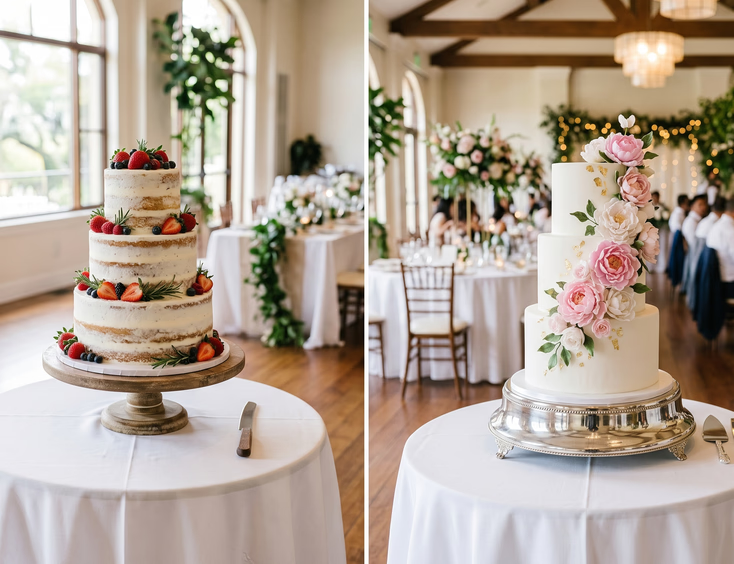
Two cake styles dominate Filipino wedding Pinterest boards right now: naked cakes with their exposed layers and rustic charm, and fondant cakes with their smooth, sculpted perfection. Both show up at receptions across Metro Manila, Cebu, and Tagaytay, but they serve different purposes and suit different weddings.
This guide breaks down the look, taste, cost, and practical realities of each style so you can order with confidence. For a broader overview of cake planning in the Philippines, start with our complete guide to wedding cakes in the Philippines.
What Is a Naked Wedding Cake?
A naked cake is a layered cake with little to no frosting on the outside. The baker stacks sponge layers with cream, ganache, or fruit filling between them, then leaves the sides exposed. You see the cake itself: the golden or brown edges of each layer, the filling peeking through, and a light dusting of powdered sugar or a crown of fresh fruit and flowers on top.
Semi-naked cakes are the middle ground. The baker applies a thin, uneven coat of buttercream that lets the cake layers show through in places. Most Filipino couples who say they want a naked cake end up choosing the semi-naked version because it gives a polished look while keeping the rustic feel.
Naked cakes gained popularity in the mid-2010s through social media. Bakers worldwide embraced the style because it cut down on decorating time and let the cake's flavor speak for itself. In the Philippines, garden weddings in Tagaytay, Antipolo, and Batangas gave the naked cake its natural home.
What Is a Fondant Wedding Cake?
Fondant is a smooth, pliable sheet of sugar paste that bakers roll out and drape over a crumb-coated cake. It creates a flawless, porcelain-like surface that holds sharp edges and supports heavy decorations.
Filipino bakers use fondant as a canvas for sugar flowers, hand-painted details, gold leaf accents, and three-dimensional sculpted elements. A fondant cake can mimic marble, lace, fabric texture, or the intricate embroidery of a Filipiniana terno gown.
Fondant cakes have dominated formal Filipino weddings for decades. Hotel ballroom receptions in Makati, Quezon City, and Cebu pair well with the structured elegance that fondant delivers. The smooth surface photographs well under any lighting, and fondant holds up in warm venues better than exposed buttercream.
Taste: The Honest Comparison
This is where naked cakes win most arguments.
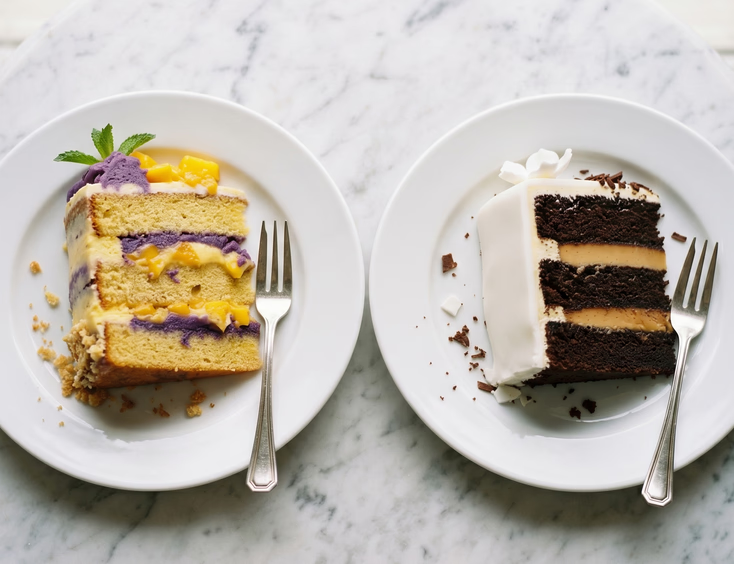
Naked and semi-naked cakes let you taste the sponge, the filling, and the cream in every bite. Filipino couples who choose naked cakes report that guests comment on the flavor more than the design. When the cake layers are chiffon or butter cake filled with ube, mango cream, or buko pandan, the flavor carries the experience.
Fondant tastes sweet and chewy. Many Filipino guests peel the fondant off and eat the cake underneath. Bakers know this, and good fondant bakers compensate by making the cake layers inside rich and flavorful. But the fondant layer itself rarely adds to the eating experience.
A skilled baker bridges this gap by using a thin fondant layer over a generous coat of buttercream. The fondant provides the clean look, and the buttercream provides the flavor. Ask your baker how thick they roll their fondant and what filling sits beneath it. That question saves you from a beautiful cake that tastes like sugary cardboard.
Design Flexibility
Fondant wins on design range. The smooth surface accepts hand-painted artwork, sharp geometric patterns, sculpted figurines, and elaborate sugar flowers that hold their shape for hours under reception lighting. If you want a floral wedding cake with life-like sugar roses, fondant gives your baker the stable foundation to build those elements.
Fondant also supports bold color work. A colored wedding cake in dusty blue, sage green, or ombré pastels requires the even surface that fondant provides. Buttercream can achieve color, but the finish is softer and less precise.
Naked cakes rely on the beauty of simplicity. Fresh berries, dripping caramel, edible flowers, rosemary sprigs, and powdered sugar create an organic, effortless look. The design vocabulary is smaller, but within that range, a talented baker produces stunning results.
Semi-naked cakes split the difference. A thin buttercream coat lets your baker add piped details, small fresh flowers, or gold leaf without the formality of fondant.
Cost Comparison
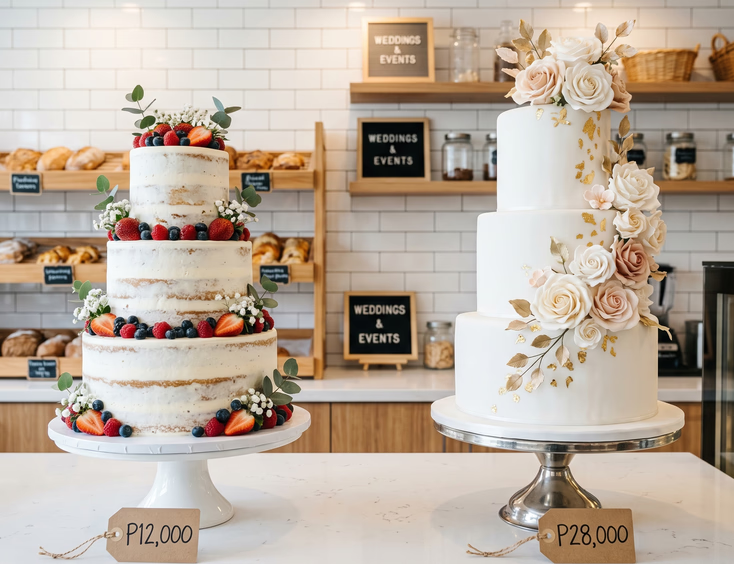
Naked cakes cost less than fondant cakes at every tier count. The savings come from materials and labor.
Fondant requires the sugar paste itself, which is more expensive than buttercream. It also takes more time to roll, drape, smooth, and finish. Sugar flower work adds hours of handcrafting per bloom. A three-tier fondant cake with sugar flowers in the Philippines runs between ₱18,000 and ₱35,000 depending on the baker and design complexity.
A three-tier naked or semi-naked cake with fresh fruit and flowers costs between ₱10,000 and ₱18,000. The baker spends less time on exterior decoration and more on baking and filling the layers.
If your cake budget is limited but you still want a multi-tier cake for your reception, a naked or semi-naked finish stretches your money further. You get more tiers for the same price, or you redirect savings toward better ingredients and fillings.
Weather and Venue Factors
Philippine weather shapes this decision more than most couples realize.
Naked cakes expose buttercream and fresh fillings to air. In an air-conditioned hotel ballroom, they hold up for hours. At an outdoor afternoon garden reception in April, exposed buttercream softens within 30 to 45 minutes. Fresh berries wilt. Cream fillings slide.
Fondant acts as a sealed shell around the cake. It insulates the layers underneath and holds its shape in warm, humid conditions. Outdoor beach weddings in Boracay, garden receptions in Tagaytay during the hot months, or open-air venues without air conditioning all favor fondant.
If you love the naked cake aesthetic but your reception is outdoors in Philippine summer, consider a semi-naked cake with a thicker buttercream coat. Ask your baker to deliver and set up the cake as close to the ceremony time as possible. Keep the cake table away from direct sunlight. Have your emcee schedule the cake cutting ceremony early in the program before the heat takes its toll.
Which Style Fits Your Wedding Theme?
Naked Cakes Pair Well With
Rustic garden weddings in Antipolo, Tagaytay, or Batangas. Bohemian or woodland themes. Intimate celebrations with 50 to 80 guests. Venues with natural wood, greenery, and earth tones. Couples who prioritize taste over visual spectacle.
Fondant Cakes Pair Well With
Grand hotel ballroom receptions. Filipiniana-themed weddings. Formal evening celebrations. Large guest counts of 150 or more where the cake needs to command a room. Couples who want their cake to match an elaborate motif with specific colors and design elements.
Either Style Works For
Modern minimalist weddings. Church ceremonies with mid-range receptions. Couples who want a clean, elegant look without heavy decoration. These weddings can go naked with a semi-naked finish or fondant with a simple smooth coat and minimal embellishment.
What Filipino Couples Are Choosing Right Now
Filipino bridal forums and wedding supplier pages show a clear trend: semi-naked cakes are the most-requested style for 2025 and 2026 weddings. The full naked look peaked a few years ago. Couples now prefer the slightly frosted version that reads as intentional rather than unfinished.
Fondant remains the standard for formal weddings with large guest counts. Filipino families hosting 200-plus guests in hotel ballrooms still order fondant cakes because the structure, visual impact, and heat resistance match the setting.
A growing number of couples order both. A two-tier fondant display cake sits on the main cake table for the cutting ceremony and photos. A semi-naked sheet cake or cupcake spread serves the guests. This hybrid approach gives couples the formal photo moment and the flavor their guests remember.
For a wider look at statement designs like drip cakes, geode cakes, and sculpted cakes, check our detailed guide.
How to Decide
Ask yourself four questions.
Is my reception indoors or outdoors? Outdoor in the Philippine heat favors fondant. Indoor with air conditioning opens the door to naked or semi-naked.
How many guests am I serving? Large guest counts favor tiered fondant cakes that hold structure. Intimate counts give you the freedom to go naked.
What matters more to me, design or flavor? If you want a sculpted masterpiece, choose fondant. If you want guests raving about the taste, go naked or semi-naked.
What is my cake budget? Under ₱15,000 for three tiers points toward a semi-naked finish. Over ₱20,000 opens up fondant with decorative details.
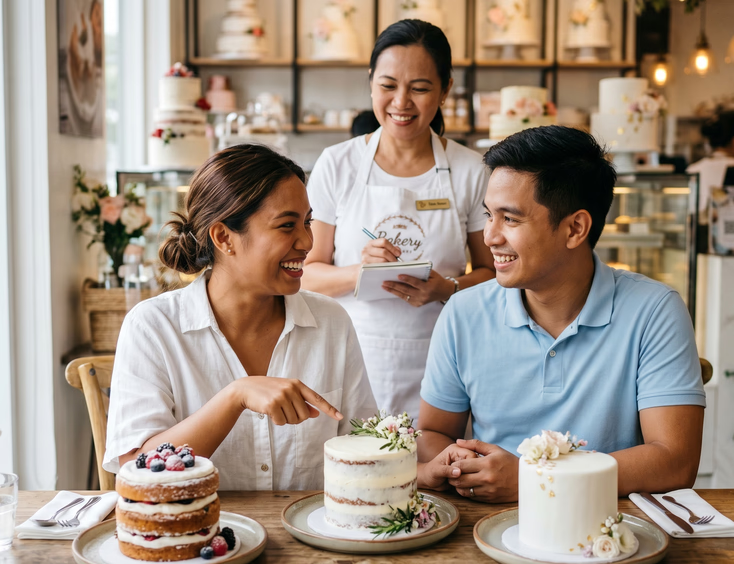
Your baker can guide you through the final call. Bring your venue photos, your motif colors, and your guest count to the tasting. A skilled baker will recommend the finish that serves your wedding, not the one that costs more.
Browse our directory of wedding cake and pastry suppliers in the Philippines to find bakers who specialize in naked, semi-naked, and fondant designs for Filipino weddings.
Still Searching for a Right Match?
Find Your Perfect Wedding Supplier Today!
Discover trusted wedding suppliers across the Philippines in our complete directory. Compare services and connect with the ones that fit your dream celebration.
Browse Wedding SuppliersFeatured Blog Posts

Filipino Wedding Entourage - Roles, Order of March, and Modern Etiquette
6 mins readCivil Weddings in the Philippines - Requirements, Costs, and Step-by-Step Process
9 mins readCivil Wedding Requirements in the Philippines - Complete Checklist
6 mins readCost of Wedding in the Philippines - 5 Essential Things You Need to Know
7 mins readPrincipal Sponsors (Ninong/Ninang) - How Many, How to Ask, What They Really Do
4 mins readVeil, Cord, Candle & Coins - Roles, Options, and When They Happen
4 mins readEntourage for a Traditional Pinoy Wedding - Complete Roles and Guide
6 mins readComplete List of Civil Wedding Requirements in the Philippines
8 mins readHow to Choose Wedding Ninongs and Ninangs - Ask Yourself These 3 Important Questions
5 mins read