


Tiered Wedding Cakes vs Single-Tier Cakes: What Works Best for Filipino Receptions
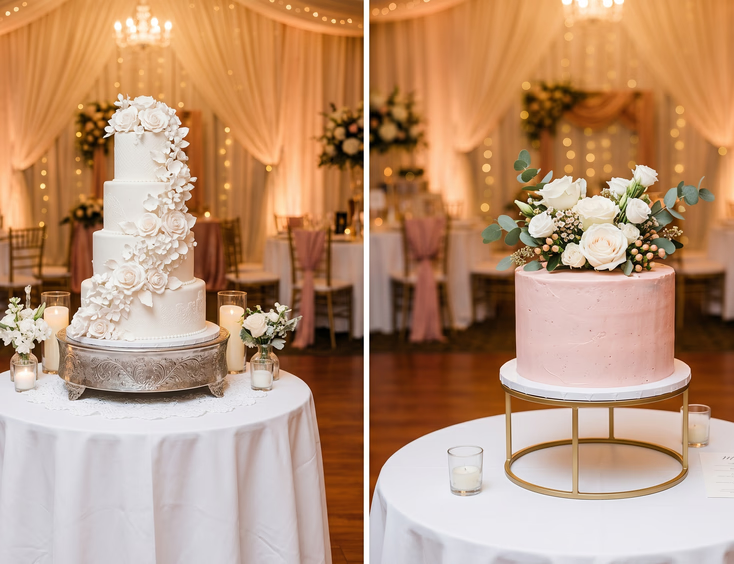
The tiered wedding cake stays at the center of most Filipino receptions. It towers over the dessert table, anchors the cake-cutting ceremony, and gives your photographer a reliable hero shot. But single-tier cakes are gaining ground, and for good reason.
Your guest count, budget, venue, and personal style all play into this decision. This guide compares both options so you can pick the one that fits your wedding.
The Case for Tiered Wedding Cakes
Filipino receptions tend to run large. Extended families, ninongs, ninangs, officemates, college barkadas, and your parents' simbahan friends fill the guest list fast. A tiered cake handles that volume.
A classic three-tier cake with 12-inch, 10-inch, and 8-inch layers serves around 100 guests. A four-tier cake with a 14-inch base can cover close to 200. If your reception seats 150 or more, a tiered cake makes the math work without supplementing with sheet cake from the kitchen.
Beyond servings, tiered cakes give your baker more surface area for design. Cascading sugar flowers, ombré gradients, or alternating textures across tiers create a visual centerpiece that single-tier cakes struggle to match.
Filipino wedding traditions also favor the tiered format. Some families believe more cake tiers bring greater prosperity to the newlyweds. The top tier is frozen and saved for the couple's first anniversary, and removing that tier from a single-layer cake leaves nothing behind.
The wedding cake cutting ceremony gains visual impact when the couple slices into a tall, decorated structure. Two hundred guests raising their phones to capture the moment need something worth photographing.
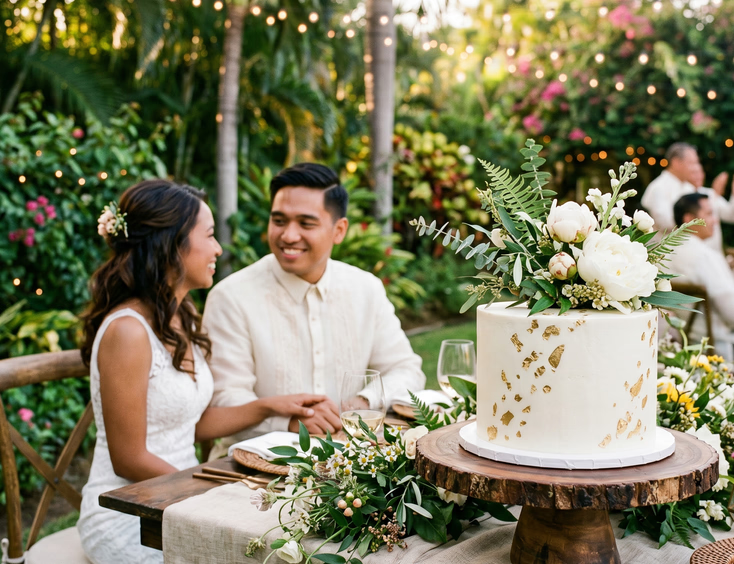
The Case for Single-Tier Cakes
Single-tier cakes cost less. A one-layer cake in the Philippines can start at ₱2,000 to ₱5,000, compared to ₱15,000 to ₱40,000 for a multi-tier design. If your cake budget is tight, a single tier frees up money for catering, florals, or your photographer.
Intimate weddings and civil ceremonies with 30 to 50 guests make a single-tier cake the practical choice. You won't overbuy, and you won't send guests home with plastic bags of leftover cake.
Single-tier cakes also open up design freedom. Bakers can invest more detail into one canvas: hand-painted illustrations, bold textures, edible lettering, or Korean-style minimalist designs that Filipino brides now favor. Local bakers like Baked by Trimy, Earthcakes, and Keikeu specialize in these one-tier statement pieces.
Transport is easier too. A single-tier cake travels in a box. A four-tier cake requires internal dowels, separators, and a baker willing to assemble on-site. If your venue is in Tagaytay or Batangas and your baker is based in Manila, a single tier reduces the risk of a cake disaster on the drive up.
Servings: How to Match Cake Size to Guest Count
The math drives most of this decision. Here is a rough guide based on standard wedding-size portions (1 inch wide by 2 inches deep):
Single tier (10-inch round): 38 servings Two tiers (10-inch + 8-inch): 62 servings Three tiers (12-inch + 10-inch + 8-inch): 118 servings Four tiers (14-inch + 12-inch + 10-inch + 8-inch): 196 servings
If you are planning a dessert table alongside your cake with cupcakes, leche flan cups, or a sans rival spread, reduce your cake servings by about 30%. Your guests will graze the dessert table and may skip the cake slice.
For our full guide on wedding cake traditions, trends, and pricing in the Philippines, check the pillar resource.
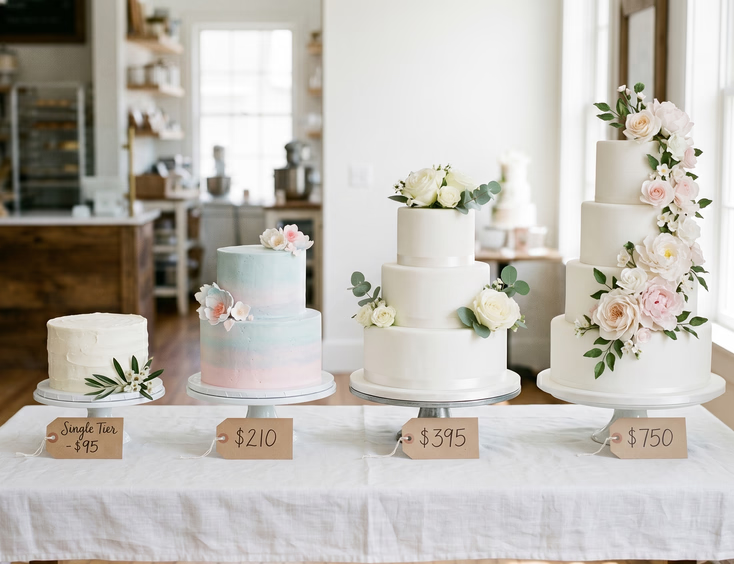
Cost Comparison in the Philippines
Price scales with tiers. Each additional layer requires more ingredients, more construction time, and more decoration.
One tier: ₱2,000 to ₱5,000 Two tiers: ₱7,000 to ₱12,000 Three tiers: ₱15,000 to ₱20,000 Four tiers: ₱20,000 to ₱40,000+
Design complexity raises the price further. A three-tier cake with handcrafted sugar flowers costs more than a three-tier cake with smooth buttercream and a ribbon border. If you want a floral wedding cake with intricate blooms on every tier, budget for the artisan premium.
One popular Filipino budget hack: use dummy tiers. Your baker covers styrofoam layers in icing and decorates them to look identical to real cake. Only one or two tiers hold actual cake. The couple cuts into the real tier for the ceremony, and the caterer serves sheet cake from the kitchen. Guests see a towering centerpiece. Your wallet stays intact.
Design and Style Considerations
Tiered Cakes Suit These Venues and Themes
Grand hotel ballrooms in Manila, Cebu, and Davao pair well with tall, elegant tiered cakes. So do Filipiniana-themed weddings where the cake echoes the formality of barong tagalog and terno gowns. Classic reception halls with round guest tables and a dedicated cake table give a tiered cake room to breathe and be admired.
If you are debating between naked cakes and fondant cakes, tiered versions of both exist. A three-tier naked cake with berries and cream fits a garden wedding in Antipolo. A three-tier fondant cake with gold leaf and sugar peonies fits a ballroom in Makati.
Single-Tier Cakes Suit These Venues and Themes
Rustic garden venues, beach weddings, restaurant receptions, and rooftop celebrations benefit from the compact elegance of a single tier. The cake sits alongside the couple's sweetheart table rather than competing with elaborate centerpieces.
Minimalist and modern Filipino brides gravitate toward single-tier designs with clean lines, pastel colors, or personalized lettering. A white or colored wedding cake in a single tier can carry your motif without overwhelming a smaller venue.
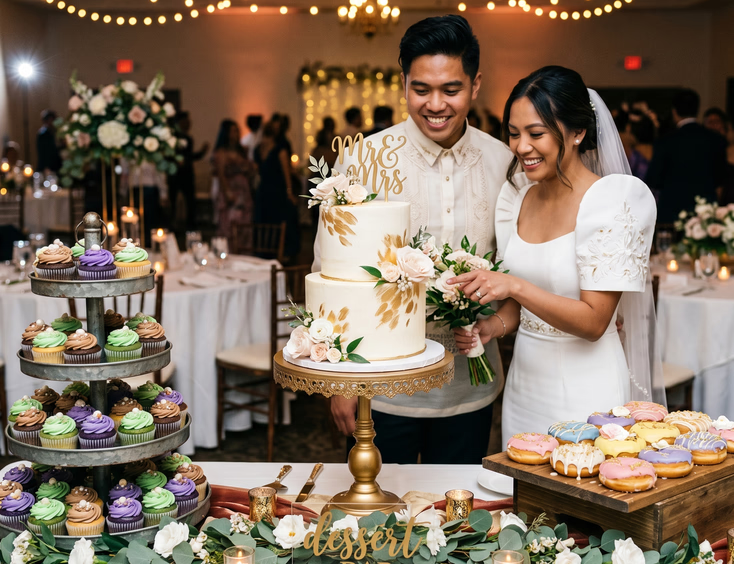
The Hybrid Approach: Display Cake Plus Alternatives
Many Filipino couples combine both strategies. You order a two-tier display cake for the cutting ceremony and supplement with cupcake towers, donut walls, or dessert bars for serving.
This approach gives you the ceremony moment your family expects, the photo your videographer needs for the same-day edit, and enough variety to satisfy 150 guests without a ₱40,000 cake bill.
Cupcake towers also let you offer multiple flavors. Ube, pandan, mango, and mocha cupcakes on a tiered stand give guests choices. The couple cuts the display cake for tradition, and guests grab cupcakes at their leisure.
Another option gaining traction: multiple single-tier cakes on one table. Three or four single-tier cakes in different flavors and designs, arranged at different heights on cake stands, create visual interest equal to a traditional tiered setup. Each cake can be a different flavor, and bakers charge less per cake than they would for a single multi-tier structure.
Practical Tips for Your Decision
Count your guests first. If you are inviting more than 100 people and the cake is your only dessert, a tiered cake saves you from running short.
Set your cake budget early. If cakes rank low on your priority list and you would rather invest in photography or catering, a single tier or a display-plus-sheet-cake combo makes more sense.
Ask about delivery logistics. Confirm whether your baker delivers to your venue and whether they assemble tiered cakes on-site. Some bakers charge extra for venues outside Metro Manila.
Think about the cake-cutting moment. If a dramatic cake cutting ceremony matters to you and your family, a tiered cake delivers stronger visual impact. If you plan a quick, casual cut, a single tier works fine.
Consider the heat. Philippine weather is unforgiving. Buttercream melts in outdoor afternoon receptions. Fondant holds up better in heat, and smaller cakes are easier to keep stable in warm venues. Talk to your baker about which finish and structure will survive your reception conditions.
Which One Wins?
Neither. The right cake depends on your wedding, not a trend. Filipino receptions with 200 guests, a formal venue, and a family that expects the full program benefit from a tiered cake. Intimate celebrations with 50 guests, a garden setting, and a couple that values simplicity benefit from a single tier.
The cake exists to mark the moment, feed your guests, and reflect your taste as a couple. Whether it stands three feet tall or fits on a single pedestal, it does its job when your guests remember it for the right reasons.
Browse our directory of wedding cake and pastry suppliers in the Philippines to find bakers who specialize in tiered, single-tier, or custom hybrid designs.
Still Searching for a Right Match?
Find Your Perfect Wedding Supplier Today!
Discover trusted wedding suppliers across the Philippines in our complete directory. Compare services and connect with the ones that fit your dream celebration.
Browse Wedding SuppliersFeatured Blog Posts

Filipino Wedding Entourage - Roles, Order of March, and Modern Etiquette
6 mins readCivil Weddings in the Philippines - Requirements, Costs, and Step-by-Step Process
9 mins readCivil Wedding Requirements in the Philippines - Complete Checklist
6 mins readCost of Wedding in the Philippines - 5 Essential Things You Need to Know
7 mins readPrincipal Sponsors (Ninong/Ninang) - How Many, How to Ask, What They Really Do
4 mins readVeil, Cord, Candle & Coins - Roles, Options, and When They Happen
4 mins readEntourage for a Traditional Pinoy Wedding - Complete Roles and Guide
6 mins readComplete List of Civil Wedding Requirements in the Philippines
8 mins readHow to Choose Wedding Ninongs and Ninangs - Ask Yourself These 3 Important Questions
5 mins read