


Why the Wedding Cake Cutting Ceremony Is Still a Big Deal at Filipino Receptions
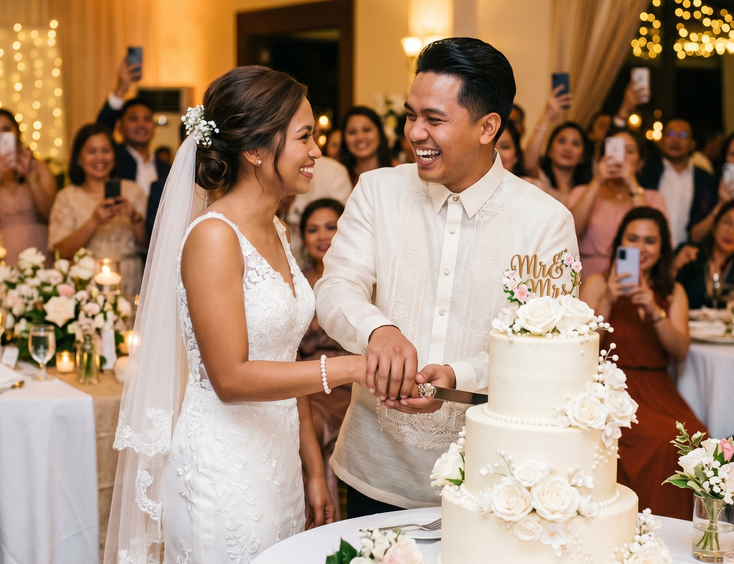
Your emcee calls the couple to the cake table. Two hundred phones go up. Your lola leans forward in her seat. For a tradition borrowed from the West, the wedding cake cutting has become one of the most-watched moments at any Filipino reception.
Filipino couples hold onto this ritual for reasons that go beyond photo ops. Superstition, family pride, and emotional weight keep it locked into the program flow, even as other traditions get trimmed or dropped.
Where the Tradition Comes From
The cake-cutting ceremony dates back to ancient Rome. Roman grooms broke a cake of wheat or barley over the bride's head as a symbol of good fortune. The couple ate crumbs together in a rite called confarreatio, which translates to "eating together." Guests scrambled for leftover crumbs, believing they carried luck.
By the Victorian era, white-iced cakes replaced grain loaves. Cutting the first slice together replaced breaking bread over anyone's head. The groom placed his hand over the bride's hand on the knife to show support and partnership.
Filipino families inherited this tradition through centuries of Western colonial influence. Spanish missionaries reshaped Philippine wedding customs starting in the late 16th century, and American cultural influence layered on more Western reception rituals, including the cake cut and champagne toast.
What the Cake Cutting Means in a Filipino Wedding
In the Philippines, the cake cutting carries more symbolic weight than in most Western receptions. Filipino couples are superstitious about this moment, and the act carries future consequences according to local belief.
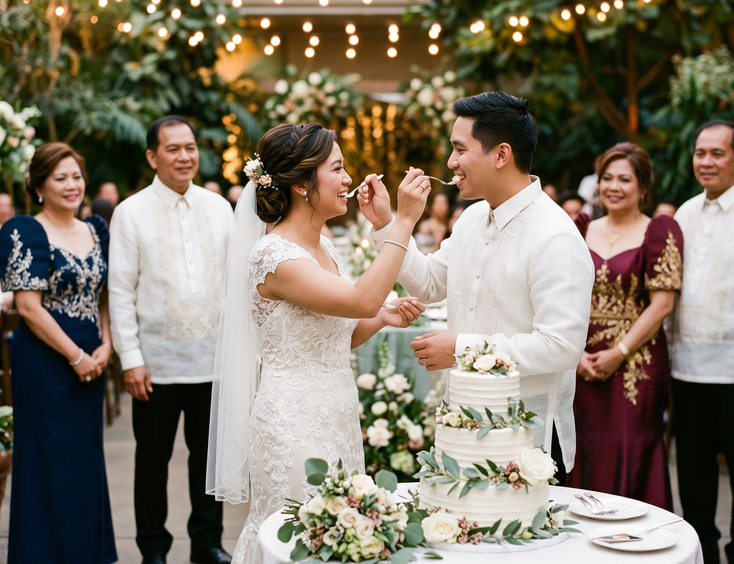
The bride and groom cut the first piece together. This symbolizes the first task they complete as a married couple. After the cut, the newlyweds feed each other from the first slice, an act that represents their commitment to share and provide for one another.
Filipino superstition says the bride should take the first bite. The cake symbolizes fertility, and some families believe the person who bites first will hold more influence in the household. Your titas will have opinions on this.
After the couple feeds each other, they serve slices to their in-laws. The groom serves the bride's parents. The bride serves the groom's parents. This gesture of respect reinforces the Filipino value of family unity. Marriage in the Philippines does not join two people alone. It merges two families and extended clans.
The Cake's Place in the Reception Program
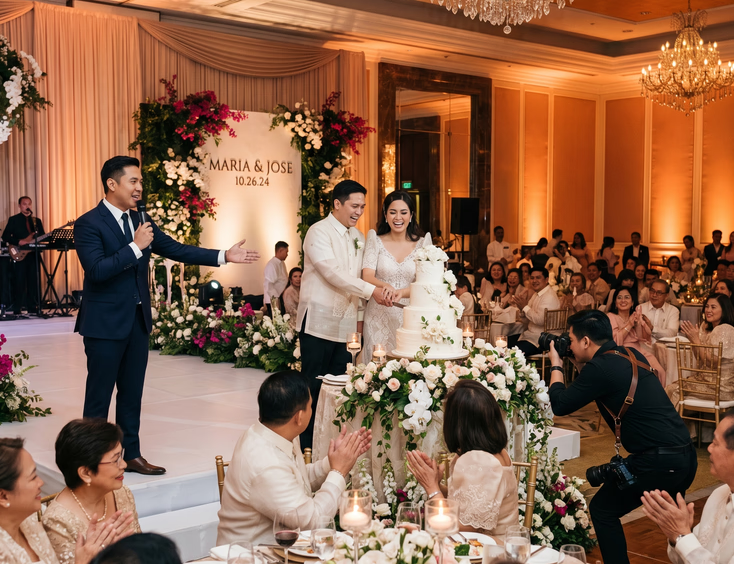
The cake cutting holds a fixed spot in the Filipino wedding reception flow. It sits alongside the champagne toast, first dance, and money dance as a core segment of the program.
Most emcees schedule the cake cutting after the parent dances and before dinner, or after the meal and speeches. The emcee announces the moment so guests can gather, take photos, and witness the ceremony. Photographers and videographers treat it as a key shot for the wedding album and same-day edit.
The couple walks to the cake table. The groom places his right hand over the bride's right hand. They slice through the bottom tier together. They pause for photos. They feed each other a bite. Then they offer slices to their parents.
This sequence runs three to five minutes, but it produces some of the reception's most-shared images on social media.
Superstitions Filipino Couples Follow
Filipino weddings come with a long list of pamahiin (superstitions), and the cake has its own set.
The layers mean prosperity. Some families believe more cake tiers bring greater wealth and abundance to the married couple. This is one reason why Filipino couples stretch their cake budget for an extra tier, even when a smaller cake would serve the guest count.
The bride bites first. Older relatives insist the bride take the first bite from the shared slice to ensure fertility and a harmonious home.
Freeze the top tier. Many Filipino couples save and freeze the top tier to eat on their first wedding anniversary. Bakers advise against cutting the top tier during the reception because removing it makes the entire structure unstable.
No face smashing. Filipino elders consider the cake cutting a respectable practice. Smashing cake into each other's faces is frowned upon, and your parents will not be happy if you treat the moment as a joke.
No sharp objects as gifts. Since Filipino superstition considers knives and sharp objects bad luck, the ceremonial cake knife stays with the couple or the caterer. Guests should avoid gifting knives at any Filipino wedding.
The Cake Charm Pull
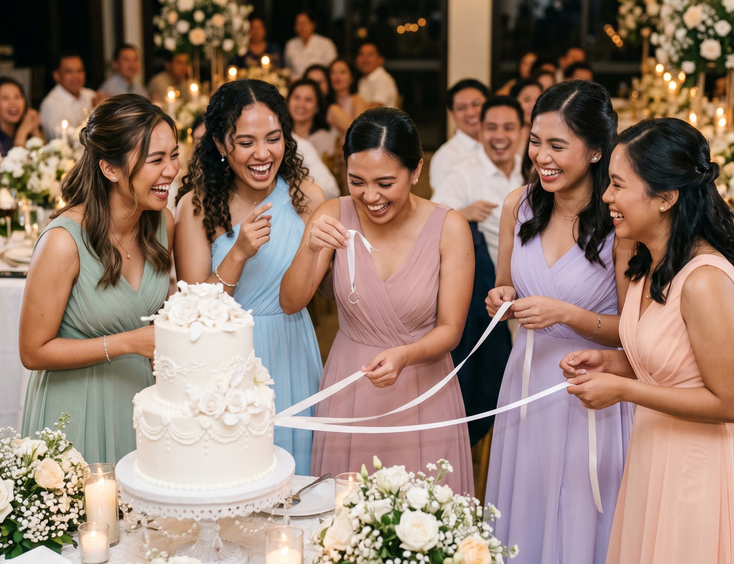
Before or after the cake cutting, many Filipino receptions include the cake charm pull. Ribbons with small charms attached are tucked beneath the bottom tier. The emcee calls single women to the cake table. Each guest pulls a ribbon, and the charm she receives predicts her future.
The woman who pulls a ring charm is believed to be the next to marry. Other charms carry predictions about travel, career, or love.
This tradition traces back to Victorian England, where brides had charms sewn onto their wedding dress skirts. Bridesmaids pulled the charms as keepsakes. Over time, bakers transferred the charms from the dress to the cake, creating what became known as the ribbon pull.
Filipino families adopted and adapted it. At many receptions, the charm pull replaces or accompanies the bouquet toss, giving single guests a keepsake and a fun story to tell.
If you want to include a charm pull, ask your baker to use a separate charm cake or tuck the ribbons under the display cake before the reception starts. Sterling silver charms double as keepsake jewelry for the guests who pull them.
Why Modern Filipino Couples Still Keep the Cake Cutting
Some Western wedding blogs encourage couples to skip the cake cut or replace it with a dessert bar. Filipino couples, for the most part, hold onto it. Several reasons keep this tradition in the program.
Family expectations. Filipino weddings are family affairs. Your ninongs, ninangs, parents, and lolas expect to see the cake cutting. Removing it means fielding questions all night.
The photography moment. The cake cutting produces a consistent, framed shot that anchors every Filipino wedding album. Videographers build same-day edit sequences around it. Removing it creates a gap in the visual story.
The emcee needs it. Filipino receptions run on program flow. Emcees use the cake cutting as a transition point between segments. It breaks up speeches and dances with a visual, participatory moment that re-engages guests who may have drifted to the buffet.
The symbolism still resonates. Filipino couples value teamwork and provision as core marriage values. Cutting the cake together and feeding each other a bite express those values without a speech or a sermon.
Social media content. The cake cutting is one of the most shared reception moments on Instagram and TikTok. Couples who invest in a stunning wedding cake design want the world to see it in action.
How to Make the Cake Cutting Work for Your Reception
You can honor the tradition and still make it feel personal. A few practical moves:
Choose a cake that photographs well and tastes good. Your cake will be eaten, not displayed in a museum. Pick a design that fits your motif, but choose flavors your guests will enjoy. A naked cake or fondant cake can both deliver on style and taste if your baker is skilled.
Coordinate with your emcee. Give your emcee a heads-up about how you want the moment handled. Some couples prefer a quick, quiet cut. Others want full narration with the symbolic explanation for guests.
Position the cake where guests can see it. Place your cake table in a central, well-lit spot. Your photographer will thank you, and your guests will have a clear line of sight during the ceremony.
Cut the bottom tier. Slice the bottom layer, not the top. The top tier stays intact for freezing or for your charm pull.
Use the dessert fork, not your hands. Filipino cake etiquette calls for feeding each other with the serving fork, not fingers. Keep it respectful.
Serve your parents first. After you and your spouse share a bite, offer the next slices to both sets of parents. This small act of pagmamano through cake carries weight with Filipino families.
The Cake Cutting Sets the Tone for the Rest of the Night
The cake cutting is one of the last formal moments before the reception shifts into dancing, games, and open celebration. It bridges the ceremonial and the festive. Guests move from watching to participating, and the energy in the room lifts.
For couples choosing between tiered cakes and single-tier cakes, consider how the cake will look during this moment. A tall, floral wedding cake creates a dramatic backdrop. A single-tier cake keeps the focus on the couple rather than the dessert.
Whatever you choose, the cake cutting remains a moment your guests expect, your photographer needs, and your family remembers. It earned its place in the Filipino wedding program, and it shows no sign of leaving.
Browse our directory of wedding cake and pastry suppliers in the Philippines to find a baker who can create a cake worthy of the moment.
Still Searching for a Right Match?
Find Your Perfect Wedding Supplier Today!
Discover trusted wedding suppliers across the Philippines in our complete directory. Compare services and connect with the ones that fit your dream celebration.
Browse Wedding SuppliersFeatured Blog Posts



Filipino Wedding Entourage - Roles, Order of March, and Modern Etiquette
6 mins readCivil Weddings in the Philippines - Requirements, Costs, and Step-by-Step Process
9 mins readCivil Wedding Requirements in the Philippines - Complete Checklist
6 mins readCost of Wedding in the Philippines - 5 Essential Things You Need to Know
7 mins readPrincipal Sponsors (Ninong/Ninang) - How Many, How to Ask, What They Really Do
4 mins readVeil, Cord, Candle & Coins - Roles, Options, and When They Happen
4 mins readEntourage for a Traditional Pinoy Wedding - Complete Roles and Guide
6 mins readComplete List of Civil Wedding Requirements in the Philippines
8 mins readHow to Choose Wedding Ninongs and Ninangs - Ask Yourself These 3 Important Questions
5 mins read