


Prenuptial Agreement Myths Filipino Couples Still Believe
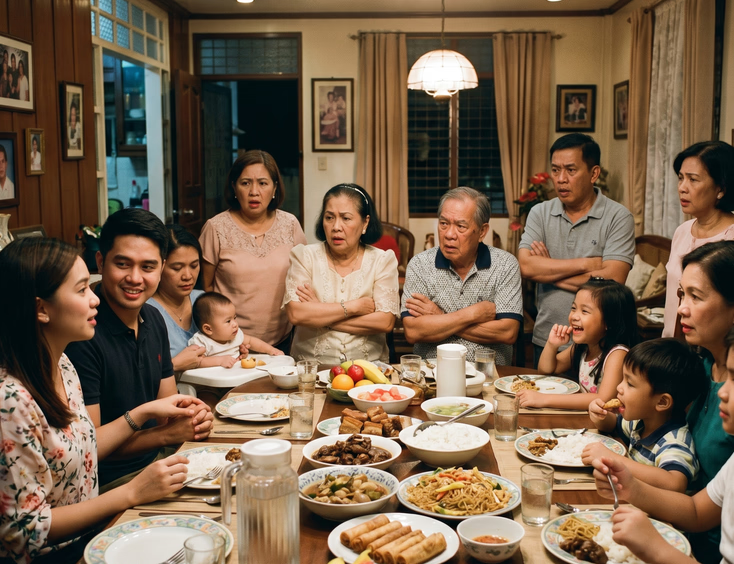
Bring up a prenup at a Filipino dinner table and watch the room react. An aunt frowns. Someone calls it unromantic. A relative warns that planning for separation invites it. The myths shut down the conversation before anyone examines what the document does.
Most of these beliefs misread a marriage settlement as a divorce hedge when it works as a financial planning tool. Take them one at a time and the discomfort loses its grip.
"A prenup means you expect the marriage to fail"
This is the belief that does the most damage. A prenup plans for property, the same way insurance plans for risk without inviting disaster. You insure a house you intend to keep. You sign a prenup for a marriage you intend to last.
The document spends most of its words on ownership during the marriage, not after it. It settles who manages what, how you handle income, and where assets sit while you build a life together. The separation clauses matter, but they sit alongside terms that govern a marriage you mean to keep. Couples who sign one often describe fewer money fights, because they answered the hard questions early instead of colliding with them later.

"Prenups are only for the rich"
The image of a prenup as a tool for celebrities and tycoons keeps ordinary couples from considering one. A teacher with a small condo, a freelancer with a growing client base, a nurse working abroad sending money home, each has assets worth defining.
A prenup costs less than most couples assume. A simple agreement with few assets sits in a modest range, and the fees scale with complexity. The cost of a prenuptial agreement in the Philippines lays out real numbers by situation. The question is whether you have property, debt, or income worth clarifying, and most couples do. The signs a prenuptial agreement makes sense for your situation show how often the answer is yes for regular earners.
"Getting married already protects everything fairly"
Many couples believe the law sorts property fairly on its own, so a prenup adds nothing. The law does sort it, through a default that may not match what you'd call fair.
Marry without a settlement and the Family Code places you under Absolute Community of Property, which pools most of what each of you owns into shared ownership, including assets you brought in single. That arrangement suits some couples and exposes others, like a partner whose pre-marriage savings could answer for the other's business debt. The difference between signing a prenup and relying on the default regime shows what the law assigns when you do nothing, so you can judge whether it fits.

"You can sort it out after the wedding if you need to"
Couples treat the prenup as something they can revisit later, like a will. The Family Code does not work that way.
A marriage settlement must be signed before the wedding. Sign one after the ceremony and it carries no legal effect. Once you marry, the regime locks in, and courts allow changes in narrow situations only. The window closes the day you exchange vows. The timing rules in whether a prenup can be changed or cancelled after the wedding explain why the decision belongs before the marriage, not after.
"A prenup is unromantic and starts the marriage on distrust"
The fear runs deep: raising a prenup signals you've already got one foot out the door. Handled badly, the conversation can land that way. Handled with honesty, it does the opposite.
Sitting down to map your finances, name your goals, and agree on how you'll handle money forces a level of openness many couples skip until a crisis demands it. That conversation builds trust rather than draining it. The approach in how to talk to your partner about a prenup keeps it from turning into an accusation.
"My family will never accept it"
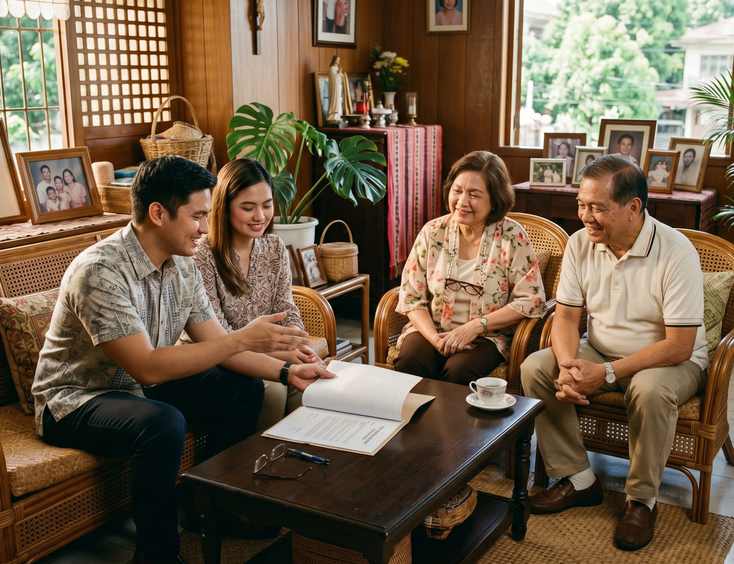
Filipino families weigh in on weddings, and the prenup can feel like a fight you'd rather avoid. The objection often softens once relatives understand the document protects both partners and, in many cases, family property they care about keeping intact.
The pamamanhikan, where both families meet to settle wedding plans, has long held money conversations with grace. That setting can carry a prenup discussion too, and raising the prenup during the pamamanhikan shows how to fold it into the tradition rather than fighting against it.
Seeing the document clearly
Strip away the myths and a marriage settlement looks like what it is: a way to decide your property arrangement on purpose, with your partner, before the law decides for you. It protects both of you. It opens a money conversation worth having. It costs less than the misconceptions suggest, and it has to happen before the wedding.
For how a marriage settlement works start to finish, who it serves, and how to set one up, the complete guide to prenuptial agreements in the Philippines brings the full picture together.
This article gives general information, not legal advice. Talk with a licensed Philippine family lawyer before drafting or signing any agreement.
Still Searching for a Right Match?
Find Your Perfect Wedding Supplier Today!
Discover trusted wedding suppliers across the Philippines in our complete directory. Compare services and connect with the ones that fit your dream celebration.
Browse Wedding SuppliersFeatured Blog Posts




Filipino Wedding Entourage - Roles, Order of March, and Modern Etiquette
6 mins readCivil Weddings in the Philippines - Requirements, Costs, and Step-by-Step Process
9 mins readCivil Wedding Requirements in the Philippines - Complete Checklist
6 mins readCost of Wedding in the Philippines - 5 Essential Things You Need to Know
7 mins readPrincipal Sponsors (Ninong/Ninang) - How Many, How to Ask, What They Really Do
4 mins readVeil, Cord, Candle & Coins - Roles, Options, and When They Happen
4 mins readEntourage for a Traditional Pinoy Wedding - Complete Roles and Guide
6 mins readComplete List of Civil Wedding Requirements in the Philippines
8 mins readHow to Choose Wedding Ninongs and Ninangs - Ask Yourself These 3 Important Questions
5 mins read