


What to Wear to Your Own Vow Renewal in the Philippines
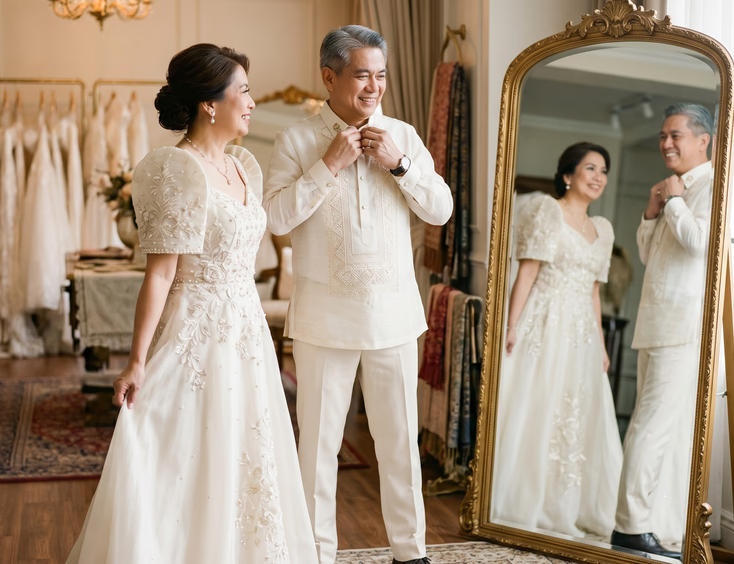
The wedding gown sat in a sealed box at the back of the closet for years. The barong got worn maybe twice after the wedding. Now the vow renewal is six months away, and the question that has been quietly building finally needs an answer: what do you actually wear to your own renewal ceremony?
The decision matters more than couples expect. The original wedding outfit set the tone for the wedding day. The renewal outfit sets the tone for the renewal. Wear something too close to the original gown and the ceremony feels like a wedding redo. Wear something too casual and the ceremony loses the weight of the occasion. Wear something that fits your current self and the photos hold their value for decades.
This guide covers what Filipino couples wear to their own vow renewal, with options for different venues, anniversary milestones, and personal styles. It covers the bride's outfit, the groom's outfit, and how to coordinate between them.
What the Renewal Outfit Should Do
The original wedding outfit announced a new marriage to the world. The renewal outfit does something different. It marks a milestone in a marriage that already exists.
Strong renewal outfits accomplish three things. They feel celebratory without imitating the original wedding day. They fit the venue and the time of day. They reflect who the couple has become rather than who they were on the wedding day.
The first point matters most. Couples who try to recreate the original wedding look often end up disappointed. The body has changed in twenty or thirty years. The original style probably belongs to a specific decade and may not translate to the present. And more importantly, the marriage being renewed is not the marriage that started on the wedding day. The outfit can honor what the marriage has become rather than what it began as.
For the broader picture of how the outfit fits into the renewal day, the complete Filipino couple's guide to renewing your I do covers the planning context.
Should the Bride Wear White
The most common question from Filipino brides planning a renewal. The short answer: she can, but she does not have to.
The case for white. White carries the visual association with weddings and signals the formal weight of the occasion. White photographs cleanly. White matches the standard imagery of vow renewal ceremonies in the Philippines.
The case against white. Some brides feel that wearing white again imitates the wedding too closely. Some prefer colors that connect to the specific anniversary milestone. Some find that off-white, champagne, blush, or ivory works better with their current skin tone and hair color.
The middle ground that works for many Filipino brides. Choose a color in the white family but not pure white. Ivory, champagne, blush, soft pearl, or cream all read as ceremonial without recreating the original wedding gown. These shades photograph well, suit a wider range of skin tones than stark white, and signal celebration without imitation.
Brides celebrating milestone anniversaries sometimes choose a color tied to the year. Silver-toned gowns for a twenty-fifth anniversary. Gold for a fiftieth. Pearl-toned for a thirtieth. The connection between the dress color and the anniversary milestone adds meaning the original wedding day did not carry.
Bride's Outfit Options by Venue
The venue shapes what works. A garden ceremony in Tagaytay calls for different attire than a hotel chapel in Makati.
Garden or outdoor venues. Lighter fabrics work better than heavy ones, especially during the warmer months. Modern Filipiniana with butterfly sleeves in lightweight materials like organza or chiffon. Flowing tea-length or ankle-length dresses that move in the wind. Lower heels or flats for grass surfaces.
Beach venues. Casual elegance suits beach ceremonies. A flowing maxi dress in cream, blush, or soft pastel. Lightweight Filipiniana adaptations that survive sand and humidity. Bare feet or low sandals. Hair worn down or in soft waves to handle the breeze.
For more on beach-specific styling, the Boracay vow renewal guide and the romantic vow renewal spots in Cebu and Bohol cover venue-specific attire considerations.
Hotel ballroom or chapel. Formal options work here. Long gowns with structured bodices. Traditional terno or modern Filipiniana with full embroidery. Heavier fabrics like silk or jusi. Higher heels are workable on smooth indoor floors.
Heritage or ancestral home venues. The setting calls for traditional Filipiniana that matches the architecture. Terno with butterfly sleeves. Embroidered fabrics in traditional patterns. The dress should complement the historical setting rather than clash with it.
For couples weighing the venue itself, the garden and hotel venues for an intimate vow renewal in Metro Manila and the backyard and ancestral home vow renewal ideas for Filipino families cover specific venue types.
Bride's Outfit Options by Anniversary Milestone
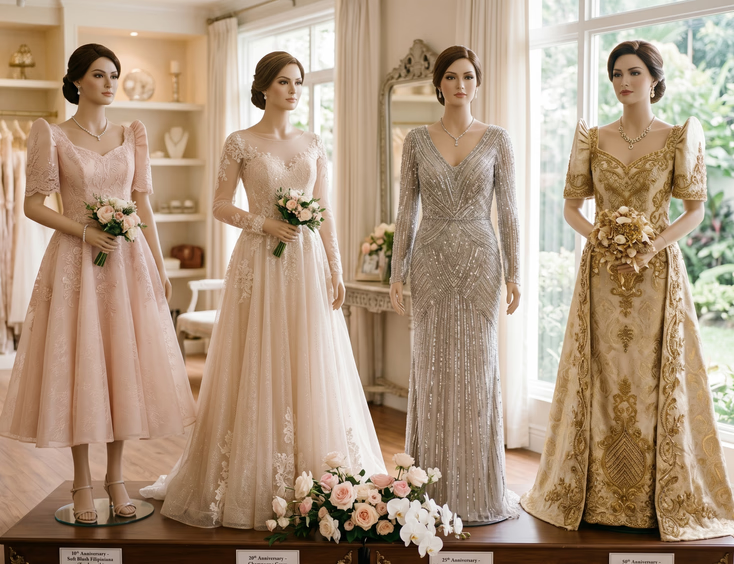
Some brides choose outfits that reference the anniversary year. The connection between the dress and the milestone adds personal meaning.
Tenth anniversary, the tin anniversary. Lighter, fresher styles. Soft pastels. Modern silhouettes that reflect the relative youth of the marriage. The bride is often still in her thirties or early forties and may want a dress that fits her current style rather than mimicking the original gown.
Fifteenth anniversary, crystal. Elegant but not overly formal. Soft jewel tones, blush, or champagne. Modern Filipiniana in slightly more refined materials.
Twentieth anniversary, china. Sophisticated and slightly more structured. Ivory, soft blue, or pearl. The marriage is mature enough to call for a more refined look.
Twenty-fifth anniversary, silver. Silver-toned, pearl, or platinum. Some brides commission custom gowns with silver embroidery or beading. The connection between the dress and the milestone is direct.
Thirtieth anniversary, pearl. Pearl-toned gowns, often with pearl beading or accents. Soft cream, ivory, or champagne. The look tends toward elegant rather than youthful.
Fortieth anniversary, ruby. Rich red, burgundy, or warm jewel tones. The dress can be more dramatic in color while still reading as ceremonial.
Fiftieth anniversary, golden. Gold-toned gowns or accents. Soft gold, champagne with gold beading, or full gold for couples who want to make the milestone visually obvious. The look should match the gravitas of fifty years together.
The Filipino wedding anniversary names and symbols by year covers the meanings behind each milestone in more depth.
Reusing or Adapting the Original Wedding Dress
Some Filipino brides have kept their original wedding gown in storage and consider wearing it again at the renewal. The decision deserves careful thought.
The case for reusing the original. The continuity carries weight. The same dress that began the marriage can mark the milestone of years later. Some brides find the emotional connection to the original gown impossible to replicate with anything new.
The case against. Bodies change across decades. The original gown may not fit comfortably or flatter the current shape. Styles age, and a gown that was current in the original decade may read as dated. The fabric may have yellowed or weakened over time.
The middle ground. Some brides have the original gown altered or restyled rather than worn as-is. A long sleeve gets removed, a train gets shortened, embroidery gets added, or the gown gets restructured to fit a new silhouette. The altered gown carries continuity with the original while fitting the bride's current self.
The reusing your original wedding dress for a vow renewal covers in detail how to evaluate whether reusing makes sense and how to work with seamstresses to adapt the gown.
Modern Filipiniana for the Bride
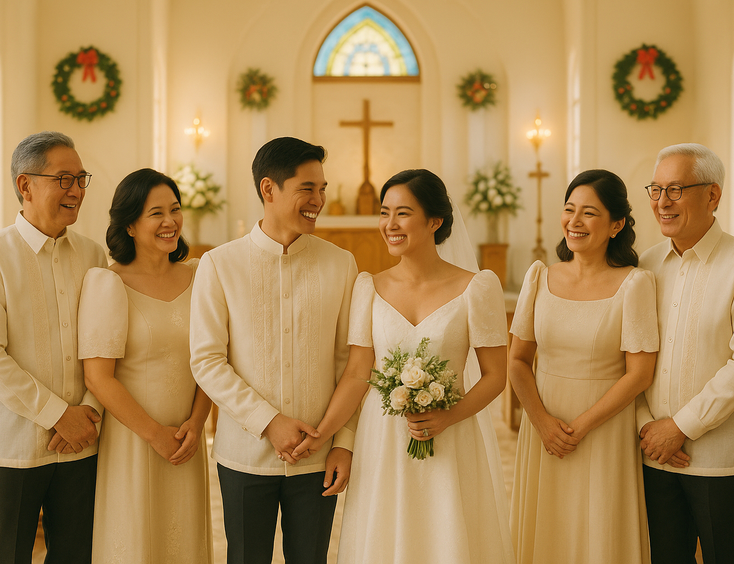
Modern Filipiniana has become one of the most popular options for vow renewal brides. The traditional silhouette, updated with contemporary fabrics and styling, reads as both culturally grounded and current.
Common modern Filipiniana elements for vow renewals include butterfly sleeves in lighter, more transparent fabrics rather than the stiff structures of traditional terno. Lighter embroidery patterns rather than full beadwork. Tea-length or floor-length cuts depending on the venue formality. Color palettes that move beyond white into ivory, blush, champagne, or pastels.
The modern Filipiniana and Barong Tagalog ideas for vow renewal couples covers contemporary Filipiniana styling in depth, with options for both bride and groom.
Groom's Outfit Options
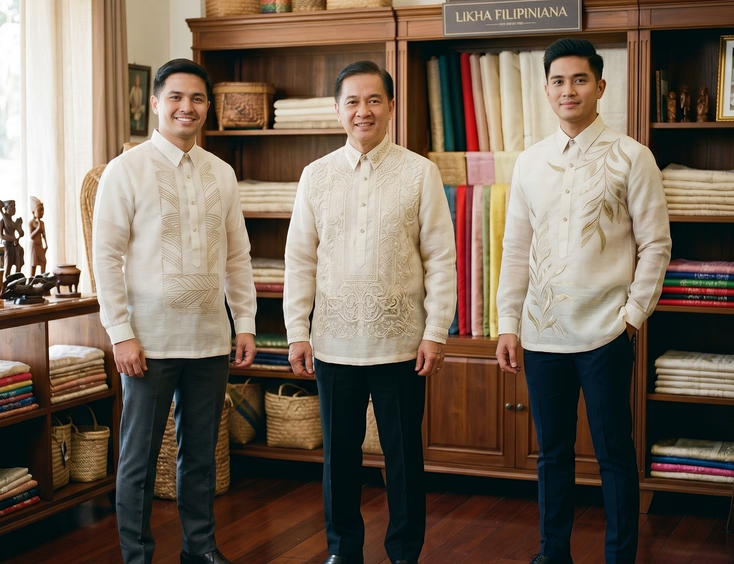
Filipino grooms have fewer outfit decisions to make than brides, but the choices still matter. The barong tagalog remains the default, but the type, fabric, and color call for thought.
Traditional piña barong tagalog. The most formal option. Embroidered piña fabric in cream or off-white. Suits chapel, hotel, and heritage venue ceremonies. The classic choice for grooms who want to lean into Filipino tradition.
Jusi barong tagalog. Slightly less formal than piña, but still ceremonial. Lighter and more comfortable in warm weather. Works for garden and outdoor ceremonies in addition to indoor formal settings.
Cocoon or organza barong. Lighter fabrics that work for beach and resort ceremonies. Less structured than traditional barong. Often paired with cream or off-white pants in lightweight materials.
Modern barong adaptations. Some grooms choose contemporary barong cuts with slimmer silhouettes, modern collar styles, or updated embroidery patterns. The look reads as Filipino but feels current.
Suits or other Western formal wear. Some couples skip the barong entirely and dress the groom in a suit. This works for couples whose original wedding featured Western formal wear, or for couples who want a more contemporary look. Three-piece suits in cream, navy, or charcoal. The choice signals a departure from traditional Filipino wedding aesthetic.
For couples leaning into Filipino tradition, the barong stays the standard. For couples who prefer a different aesthetic, the suit option remains valid. The choice should match what the bride wears so the couple coordinates visually.
Coordinating Between Bride and Groom
The bride's outfit and the groom's outfit need to coordinate, but they do not need to match. Strong coordination shows in shared color palette, complementary formality, and consistent cultural register.
Color coordination. The bride's dress and the groom's barong should share an underlying color family. An ivory dress works with a cream barong. A blush dress works with an off-white barong with subtle blush accents in the embroidery. A gold dress for a fiftieth anniversary works with a barong with gold thread accents.
Formality coordination. The bride and groom should match in formality level. A bride in a heavily embroidered terno and a groom in a simple white shirt creates visual imbalance. The bride and groom should look like they belong at the same ceremony.
Cultural register. The bride and groom should match in cultural register. A bride in traditional terno paired with a groom in a Western suit reads as mismatched. A bride in modern Filipiniana paired with a groom in modern barong reads as coordinated.
Discuss outfit choices together early in the planning process. Most coordination problems come from couples making outfit decisions independently and discovering the mismatch close to the ceremony date.
Outfit Considerations for Older Couples
Couples celebrating later milestones often face physical considerations that younger couples do not. The outfit should account for them.
Comfort across the full ceremony and reception. Older brides should avoid uncomfortable shapewear, heels too high to walk in, or fabrics that itch. The ceremony might run an hour. The reception runs several more. The outfit needs to remain wearable across the full day.
Health considerations. Couples with health concerns may need to adjust the outfit. A bride who tires easily might choose a lighter dress that does not require structured shapewear. A groom recovering from a recent illness might choose a softer barong fabric.
Modesty preferences. Older brides often want more coverage than they would have wanted decades earlier. Long sleeves, higher necklines, longer hemlines, or shawls and capes that add coverage all work.
The body has aged. The outfit should celebrate the body as it is now rather than forcing it into a silhouette designed for a different decade.
Hair, Makeup, and Accessories
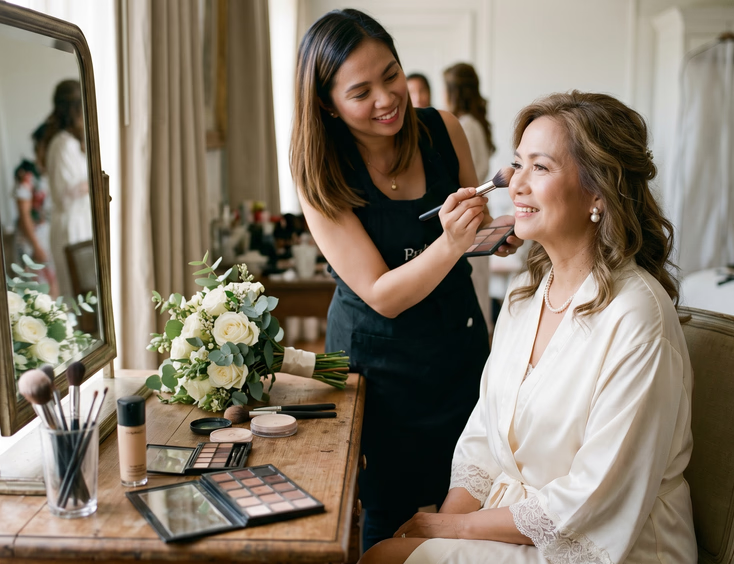
Hair and makeup for vow renewals usually read as more refined and age-appropriate than the original wedding day looks. Soft, natural styling photographs better than dramatic styling for most brides past their thirties.
Hair. Soft updos, loose waves, or simple half-up styles work for most renewals. Avoid styles that read as bridal in a way that imitates the original wedding day. The hairstyle should feel like a refined version of how the bride wears her hair now.
Makeup. Natural makeup with emphasis on healthy skin rather than dramatic coverage. Soft eye makeup, natural lip color, and minimal contouring. The bride should look like herself, not transformed.
Accessories. Pearls work well for milestone anniversaries, especially the thirtieth. Diamonds, gold, or family heirlooms passed down from the bride's mother or grandmother carry weight. Avoid stacked accessories that compete with the dress. One statement piece works better than multiple smaller ones.
Veil. Most renewal brides skip the veil. Some include one only for the cord and veil ceremony, removed afterward. A long, dramatic veil reads as bridal in a way that does not always fit a renewal.
The how to incorporate the cord, veil, and coins into your vow renewal covers how the ceremonial veil for the cord and veil ritual differs from a typical wedding veil.
Working with a Designer or Seamstress
Most Filipino couples planning a vow renewal hire a designer or seamstress for the bride's outfit. The groom often shops for the barong from a Filipiniana store or has a tailor adjust an existing barong.
Timeline for working with a designer. Allow four to six months between the first consultation and the ceremony date. The timeline covers design discussion, fabric sourcing, first fitting, adjustments, and final fitting. Rushing the process produces outfits that do not fit well or that the bride did not have time to fall in love with.
Budget for the bride's outfit. A custom modern Filipiniana from an established designer runs between PHP 30,000 and PHP 150,000 depending on the designer's reputation, the fabric, and the level of embroidery. A ready-to-wear option from a Filipiniana shop runs between PHP 5,000 and PHP 25,000. A heavily customized gown from a top designer can exceed PHP 300,000.
Budget for the groom's outfit. A custom piña barong runs between PHP 15,000 and PHP 50,000. A jusi barong runs between PHP 3,000 and PHP 15,000. Off-the-rack barong from established shops starts around PHP 2,000 for cocoon and goes up from there.
For couples managing the broader budget, the realistic budget breakdown for a vow renewal in the Philippines covers how the outfit costs fit into the overall renewal budget.
Buying vs Renting
Some Filipino couples consider renting outfits rather than buying them. Renting works for some situations but not all.
The case for renting. Lower cost. No closet storage of an outfit worn once. Easy return after the ceremony.
The case against. Limited selection compared to custom or off-the-rack purchase. The outfit cannot be altered to fit perfectly. The emotional weight of keeping the outfit as a memento is lost.
The middle ground. Some couples buy the bride's outfit but rent the groom's. The bride's gown becomes a keepsake. The groom's barong, which he might not wear again for years, comes from a rental shop. Other couples reverse this, buying the groom's barong because he will wear it to future family events while renting a gown the bride may not have occasion to wear again.
The Outfit Reflects the Couple
The outfit is one of the most photographed elements of the ceremony. The photos will sit on the wall, in the family album, and in shared family memory for decades. The outfit should be one the couple is happy to see in those photos for the rest of their lives.
The choice should not be driven by current trends, by what other couples wear, or by what the original wedding photos look like. It should be driven by what the couple wants to see when they look back at this specific milestone in this specific marriage.
For the broader question of how to plan the day around the outfit choices, the vow renewal planning checklist for Filipino couples covers timing for outfit selection within the larger planning schedule.
Choose the outfit that fits the venue, the milestone, and the marriage. Then trust the choice. The day will pass. The photos will remain. The outfit you chose for your own renewal will become part of the family record of the marriage. Pick well, and pick honestly.
Still Searching for a Right Match?
Find Your Perfect Wedding Supplier Today!
Discover trusted wedding suppliers across the Philippines in our complete directory. Compare services and connect with the ones that fit your dream celebration.
Browse Wedding SuppliersFeatured Blog Posts
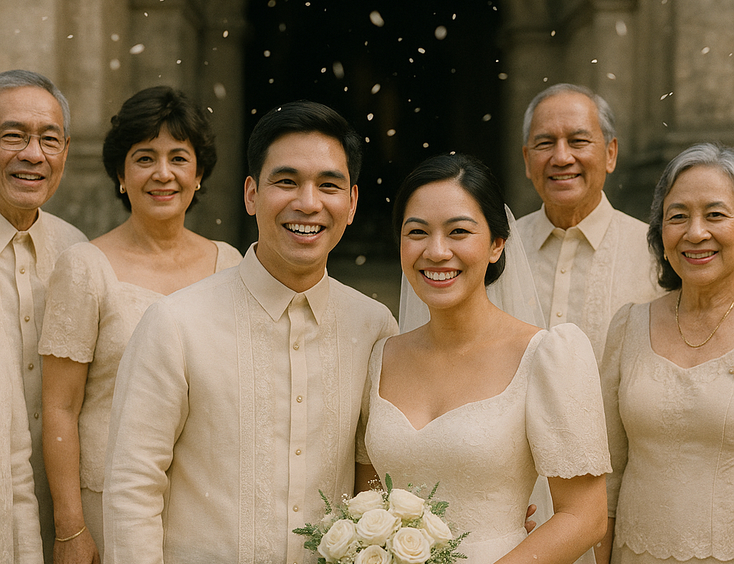
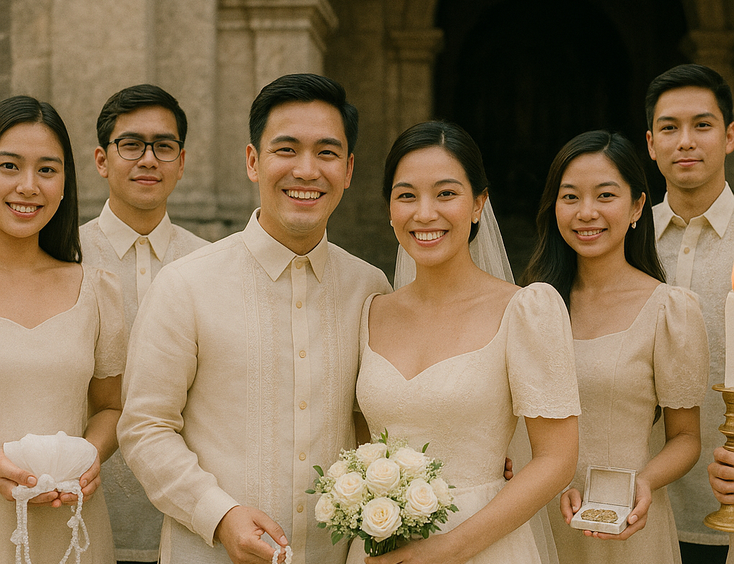
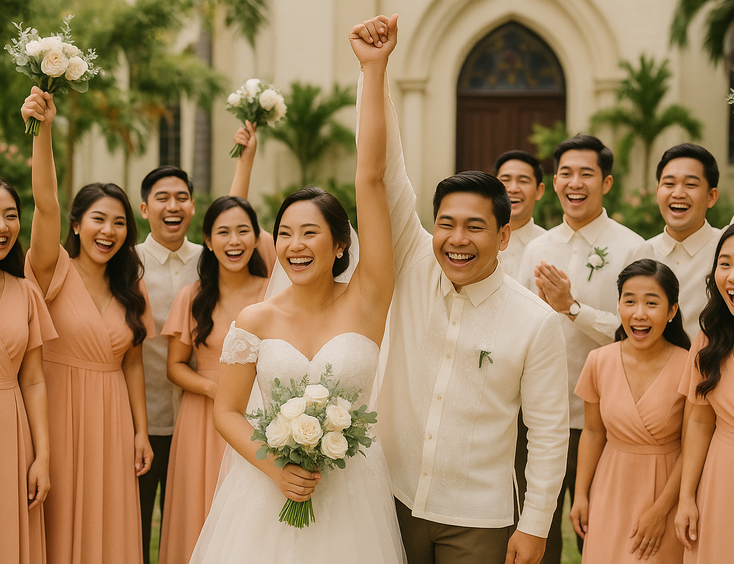
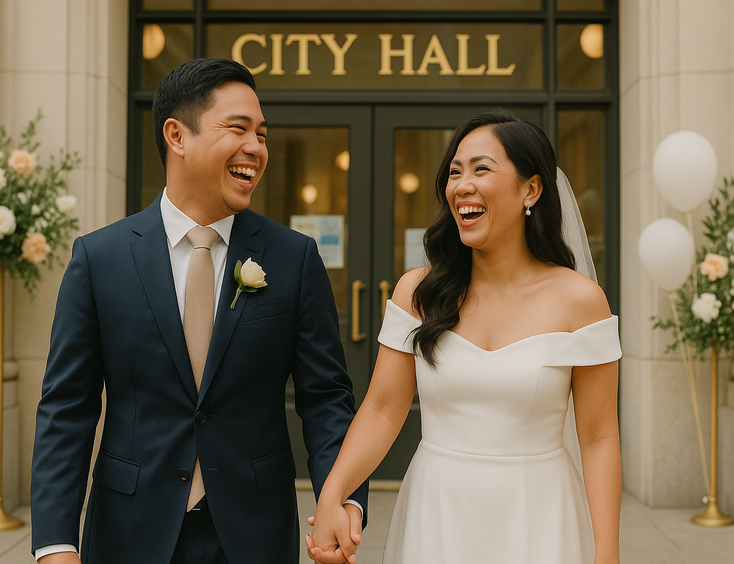

Filipino Wedding Entourage - Roles, Order of March, and Modern Etiquette
6 mins readCivil Weddings in the Philippines - Requirements, Costs, and Step-by-Step Process
9 mins readCivil Wedding Requirements in the Philippines - Complete Checklist
6 mins readCost of Wedding in the Philippines - 5 Essential Things You Need to Know
7 mins readPrincipal Sponsors (Ninong/Ninang) - How Many, How to Ask, What They Really Do
4 mins readVeil, Cord, Candle & Coins - Roles, Options, and When They Happen
4 mins readEntourage for a Traditional Pinoy Wedding - Complete Roles and Guide
6 mins readComplete List of Civil Wedding Requirements in the Philippines
8 mins readHow to Choose Wedding Ninongs and Ninangs - Ask Yourself These 3 Important Questions
5 mins read