


What Is a Pre-Cana Seminar and Why the Catholic Church Requires It Before Your Wedding
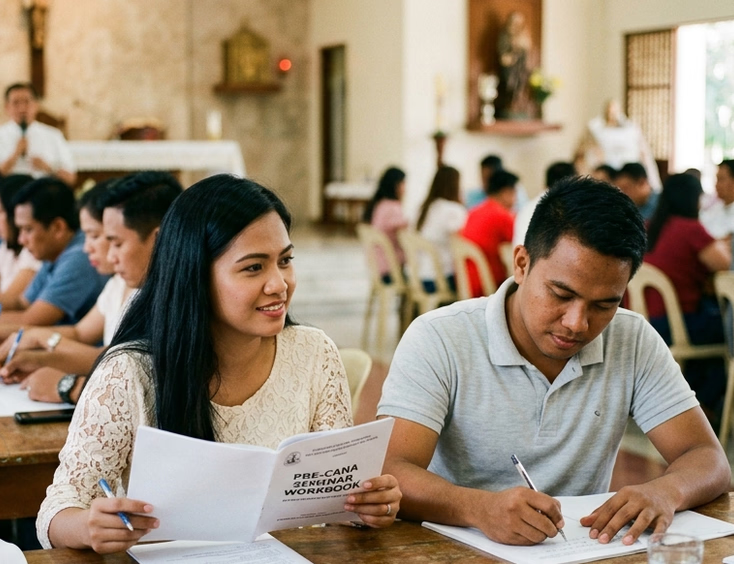
Your parish coordinator slides a checklist across the desk. Halfway down the page, in bold: Pre-Cana Certificate Required.
You ask what it is. The coordinator says it's a one-day seminar. You ask if you can skip it. The coordinator smiles and says no.
Pre-Cana sits at the center of Catholic marriage preparation in the Philippines. No certificate, no church wedding. Parish priests across the country enforce it without exception, and the Catholic Bishops' Conference of the Philippines (CBCP) backs them up.
This guide explains what Pre-Cana covers, where the requirement comes from, what happens during the seminar, and why the Church refuses to budge on it. If you're ready to book a seminar with an accredited provider, browse our pre-wedding seminar suppliers directory for parishes and facilitators near you.
What Pre-Cana Means
The name comes from the wedding feast at Cana, where Jesus performed his first miracle by turning water into wine at a wedding. The Catholic Church builds the entire seminar around that scene: marriage as a covenant blessed by Christ, not a contract signed at City Hall.
Pre-Cana is the formal marriage preparation seminar that engaged Catholic couples attend before the wedding. The CBCP recognizes it as a non-negotiable step in the canonical process.
You won't find a single national curriculum. Each archdiocese sets its own format. Some parishes run a one-day seminar from 8 AM to 5 PM. Others stretch it across a weekend retreat. A few use multi-session formats spread over four to six weeks.
The certificate of attendance goes into your canonical file at the parish, alongside your baptismal certificate, confirmation certificate, and the canonical interview record.
Why the Catholic Church Requires Pre-Cana
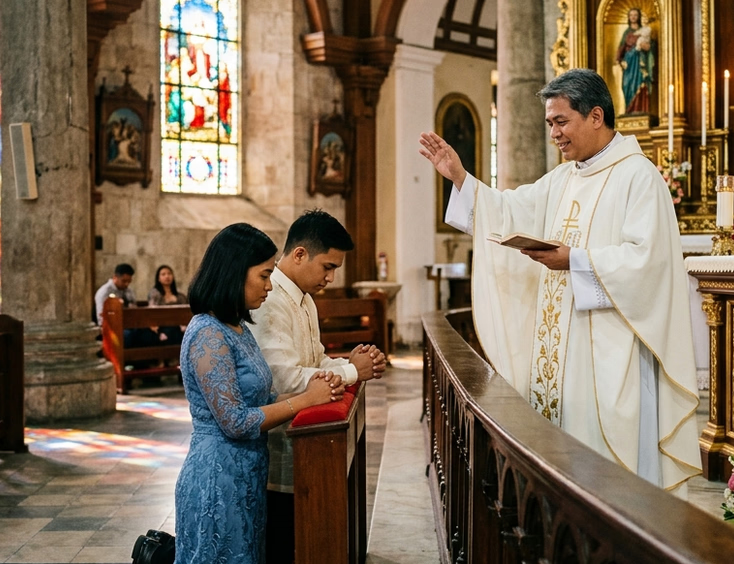
The Church treats marriage as one of seven sacraments. A sacrament requires preparation. You wouldn't receive First Communion without catechism, and you don't enter sacramental marriage without formation.
Three reasons drive the requirement.
Sacramental theology. The Church teaches that marriage between two baptized Catholics creates an indissoluble bond. Pre-Cana grounds couples in that theology so consent on the wedding day reflects informed faith, not vague tradition.
Canonical validity. Canon law requires the parish priest to verify that both parties understand marriage, enter it freely, and commit to its essential properties: unity, fidelity, openness to children, and permanence. Pre-Cana documents that verification.
Pastoral care. Filipino marriages face real pressures: OFW separation, financial strain, in-law dynamics, intergenerational households. Pre-Cana surfaces these issues before the wedding, not after.
The seminar exists because the Church refuses to bless a marriage the couple doesn't understand.
What Happens During Pre-Cana
A typical Pre-Cana day in a Metro Manila parish runs from breakfast registration to a closing Mass.
Opening and Orientation
The parish priest or lay coordinator opens with prayer and an overview of the day. Couples introduce themselves, and the facilitators set the tone: this is not a lecture series. It's a guided conversation between you, your fiancé, and married mentors.
Theology of Marriage
A priest or trained lay speaker walks through the Catholic understanding of marriage. The session covers the four properties: unity (one man, one woman), indissolubility (until death), fidelity (exclusive), and openness to children (procreative).
You'll hear references to Genesis, Ephesians 5, and Pope John Paul II's Theology of the Body. The depth varies by parish.
Communication and Conflict Resolution
A married couple, usually trained as Pre-Cana mentors, leads a session on how partners argue, listen, and repair conflict. Many parishes use small-group exercises here. You and your fiancé work through prompts privately, then share with the larger group if you're comfortable.
This block surfaces the most surprises. Couples discover assumptions they never voiced about money, in-laws, and parenting.
Finances and Family Life
A speaker covers household budgeting, joint accounts, separate accounts, debt disclosure, and financial transparency. In Filipino contexts, the session often includes how to handle support for parents and siblings, the cultural weight of utang na loob, and the boundaries couples set with extended family.
Sexuality and Family Planning
The Church's teaching on conjugal love, contraception, and natural family planning gets its own block. Some parishes hand off this section to NFP-trained facilitators. Others fold it into a broader sexuality talk.
If your parish requires a separate NFP seminar, this Pre-Cana session previews the material rather than replacing it. Read our guide on the Natural Family Planning seminar in the Philippines for the full breakdown.
Spirituality as a Couple
A priest leads the closing block on prayer life, Mass attendance, and how a couple grows spiritually together. Some parishes include a guided couple's prayer exercise.
Closing Mass and Certificate Distribution
The day ends with Mass, often celebrated by the parish priest who'll officiate your wedding. The parish issues the Pre-Cana certificate of attendance after the Mass.
Hold on to that certificate. The parish needs it for your canonical file, and you'll submit a copy with your wedding paperwork.
Who Facilitates Pre-Cana
The facilitating team usually mixes three roles.
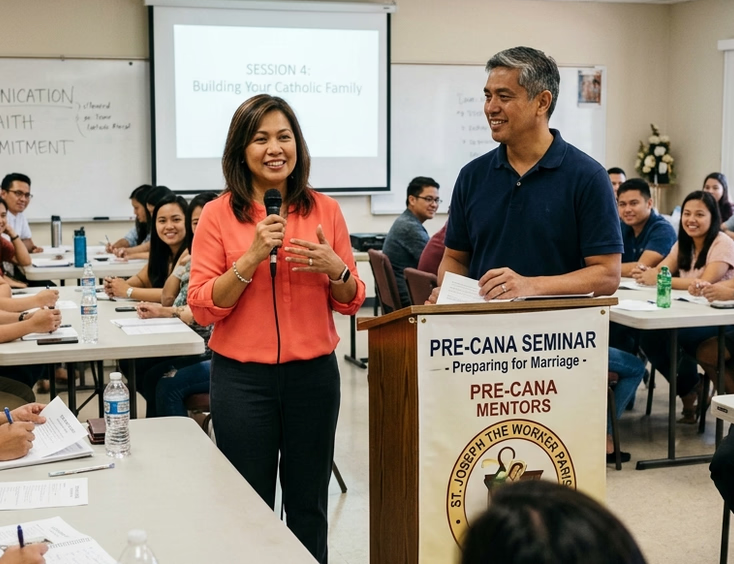
The parish priest or an assigned chaplain handles theological and sacramental sessions. Married lay mentors, vetted by the parish, lead the relational and practical blocks. Specialized speakers cover finance, NFP, or psychology when the parish brings them in.
CBCP-accredited movements run Pre-Cana programs nationwide. Couples for Christ, the Discovery Weekend movement, and parish-based ministries each have their own format. Some parishes run their own in-house Pre-Cana without affiliating with a national movement.
Verify accreditation before you sign up. A parish-recognized facilitator issues a certificate the parish accepts. A non-accredited program issues a certificate the parish rejects, and you'll redo the seminar.
When You Need to Attend Pre-Cana
Most Philippine parishes require Pre-Cana within six months of the wedding date. Some accept certificates up to one year old. A few enforce a strict 120-day validity window.
Confirm the timing with your specific parish before you book. Booking too early wastes the certificate. Booking too late puts you on a waiting list during peak wedding season from December to May.
Our practical guide on how to register and attend a Pre-Cana seminar at your parish covers the registration sequence and document checklist.
Pre-Cana Is Not the Canonical Interview
Couples confuse the two. They're separate steps.
Pre-Cana is a group seminar focused on formation. The canonical interview is a one-on-one meeting between the parish priest and each partner separately, focused on canonical investigation. The priest asks specific questions about freedom to marry, prior unions, and intent.
You complete both for a Catholic wedding. Pre-Cana doesn't replace the canonical interview, and the canonical interview doesn't replace Pre-Cana.
For the full breakdown, read our guide on the Catholic canonical interview and how it differs from Pre-Cana.
What Pre-Cana Costs
Fees vary by parish and location.
Provincial parishes charge ₱500 to ₱1,500 for the seminar. The fee covers materials, meals, and honoraria for the speakers.
Metro Manila parishes like Sanctuario de San Antonio, Christ the King Greenmeadows, and San Agustin Intramuros charge ₱2,000 to ₱3,000. Some include the canonical interview fee in the package.
Movement-run programs like Couples for Christ and Discovery Weekend charge separately, usually ₱2,500 to ₱4,000 for the full format.
The fee covers the seminar only. You'll still pay for the canonical interview, the wedding banns, and the wedding Mass itself.
Online Pre-Cana: Does the Parish Accept It
OFW couples and long-distance partners ask the same question: can we do Pre-Cana on Zoom?
The answer depends on the diocese. Some parishes accept CBCP-recognized online programs. Others require in-person attendance regardless of distance.
Don't assume your parish accepts the digital format. Verify with the parish priest or coordinator before you pay for an online seminar. Our breakdown on whether online Pre-Cana is accepted by the Catholic Church in the Philippines walks through which dioceses approve which programs.
What Mixed-Religion Couples Need to Know
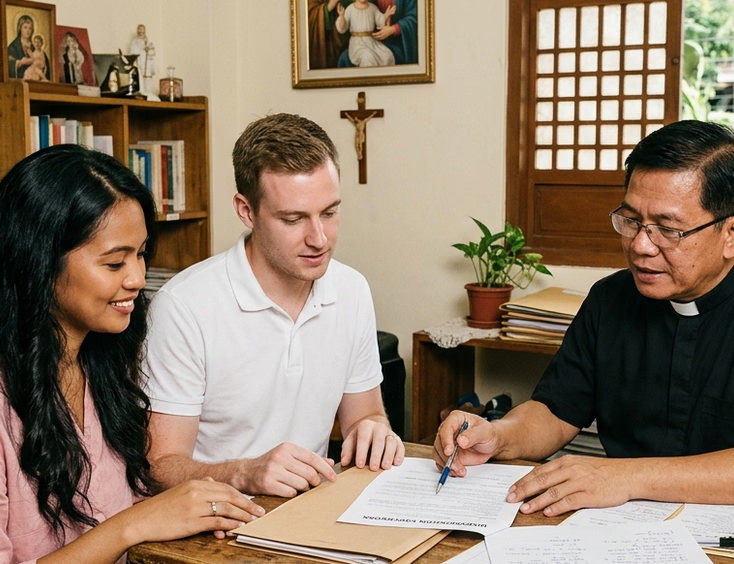
A Catholic marrying a non-Catholic faces modified Pre-Cana requirements. The Catholic partner needs a dispensation from the bishop. The non-Catholic partner may attend Pre-Cana voluntarily, or the parish may require a modified program for both.
Each diocese handles mixed marriages differently. Read our guide on Pre-Cana seminar requirements for mixed-religion couples for the dispensation process and seminar adjustments.
What to Bring to Pre-Cana
Pack these the night before.
Two valid government-issued IDs each. A pen and notebook. Photocopies of your baptismal and confirmation certificates if the parish requested them upfront. Cash for the seminar fee plus a buffer for any add-on materials.
Wear smart casual. Some parishes turn away couples in shorts, sleeveless tops, or slippers. The closing Mass calls for the same dress code as Sunday Mass.
Bring an open mind. The couples who get the most out of Pre-Cana treat it as a conversation with their fiancé, not a checkbox to tick.
Common Misconceptions About Pre-Cana
Couples walk in with assumptions the seminar quickly corrects.
"It's just paperwork." The certificate is paperwork. The seminar isn't. Facilitators ask hard questions about money, sex, in-laws, and faith. You'll either talk about them now or fight about them later.
"We've been together for years, so we don't need it." Long-term couples often discover the most. Years of dating produce assumed agreements that never got verbalized. Pre-Cana surfaces them.
"Our parish priest is a friend, so he'll waive it." No parish priest in the Philippines waives Pre-Cana. The CBCP requirement applies regardless of personal relationships.
"We'll just fake the certificate." Parishes verify certificates against accredited provider lists. A faked certificate gets the wedding canceled, and the couple loses the parish reservation. Read our straight take on whether you can get married without attending a seminar in the Philippines before you consider any shortcut.
Where Pre-Cana Fits in the Bigger Wedding Timeline
Pre-Cana is one piece of a larger seminar slate. Catholic couples in the Philippines also need the LGU's Pre-Marriage Counseling, the family planning seminar, and possibly an NFP seminar on top of Pre-Cana.
Our pillar guide on wedding seminars in the Philippines maps every requirement, sequences them by month, and shows where Pre-Cana fits in the full 12-month timeline.
Booking Your Pre-Cana
Peak wedding months in the Philippines run from December to May. Pre-Cana slots in popular Metro Manila parishes fill three to four months ahead during peak season.
Book early. Confirm your parish's accredited provider list. Check the certificate validity window. Sequence the seminar so the certificate stays valid through the wedding date.
Browse our pre-wedding seminar suppliers directory to find CBCP-accredited Pre-Cana facilitators, parishes, and programs that match your wedding date and diocese. Filter by location, format, and language to lock in your seminar before the peak season closes the door.
Still Searching for a Right Match?
Find Your Perfect Wedding Supplier Today!
Discover trusted wedding suppliers across the Philippines in our complete directory. Compare services and connect with the ones that fit your dream celebration.
Browse Wedding SuppliersFeatured Blog Posts

Filipino Wedding Entourage - Roles, Order of March, and Modern Etiquette
6 mins readCivil Weddings in the Philippines - Requirements, Costs, and Step-by-Step Process
9 mins readCivil Wedding Requirements in the Philippines - Complete Checklist
6 mins readCost of Wedding in the Philippines - 5 Essential Things You Need to Know
7 mins readPrincipal Sponsors (Ninong/Ninang) - How Many, How to Ask, What They Really Do
4 mins readVeil, Cord, Candle & Coins - Roles, Options, and When They Happen
4 mins readEntourage for a Traditional Pinoy Wedding - Complete Roles and Guide
6 mins readComplete List of Civil Wedding Requirements in the Philippines
8 mins readHow to Choose Wedding Ninongs and Ninangs - Ask Yourself These 3 Important Questions
5 mins read