


Wedding Garment Care in the Philippines: From Fitting Day to Forever
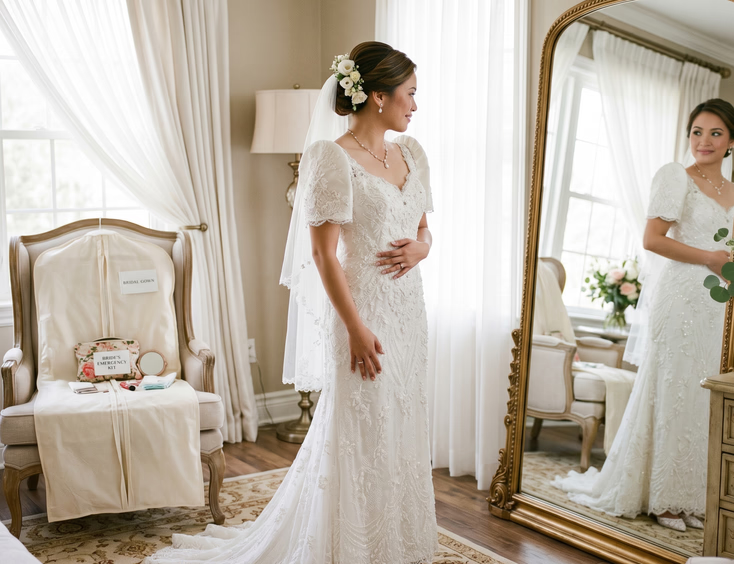
Filipino weddings demand a lot from bridal garments. Lightweight fabrics, breathable linings, and open-back designs help brides stay comfortable in the country's warm, humid climate. But comfort on the ceremony floor is one problem. Keeping the gown intact from your final fitting through decades of storage is another.
This guide covers garment care at each stage: fitting prep, wedding day protection, emergency fixes, and long-term preservation. If you follow the timeline below, your gown will look as sharp in a preservation box twenty years from now as it did walking down the aisle at San Agustin or a Boracay beachfront.
Start protecting your gown at the fitting stage
Most brides focus on how a gown looks during fittings. Few think about how it will hold up under stress. The experts in the bridal boutique want a feel of your personality. Your reactions help dictate which dress you're more comfortable in. Sharing insecurities you want to hide can help transform your made-to-measure gown into having a unique and personal touch.
You should treat fittings as garment stress tests. Sit in the gown. Kneel. Raise your arms for the cord and veil ceremony. Terno sleeves need careful balancing at the armhole so you can hug family and lift the arrhae gracefully. If a seam pulls or a bead catches during a fitting, your designer can reinforce it before the wedding. If it catches on your wedding day, you have a problem.
Check your gown for these during fittings:
- Loose beads or sequins along stress points (underarms, waistline, bustle hooks)
- Hem length with your ceremony shoes on
- Zipper and closure function after sitting and kneeling
- Fabric transparency under church lighting or outdoor sun
For a detailed fitting-day checklist, read our guide on what to check during your bridal gown fitting to avoid last-minute garment emergencies.
Store your gown the right way between the final fitting and the wedding
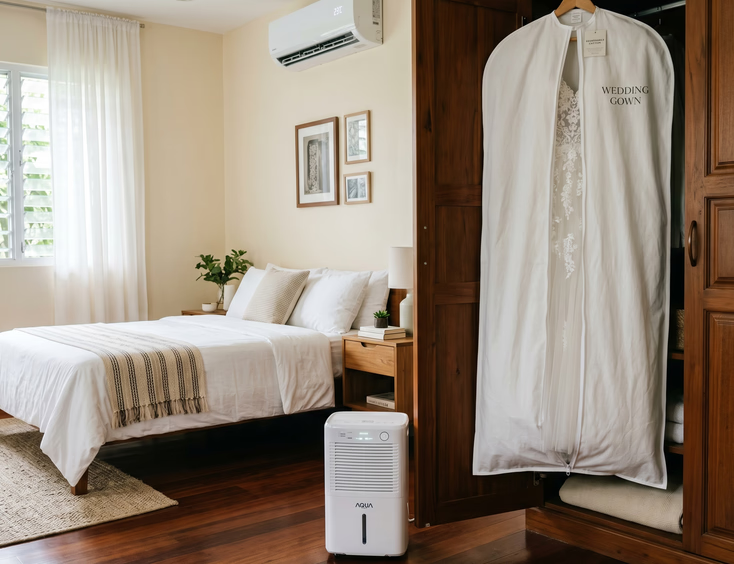
Two to three days before the wedding, store the gown in a cool, dry room away from direct sun and assign a point person to manage the dressing day timeline.
The Philippines averages 70% to 85% humidity year-round. That moisture can yellow fabric, loosen adhesive on embellishments, and encourage mold on natural fibers like piña or jusi. High humidity weakens fibers and accelerates discoloration.
A few rules for pre-wedding gown storage:
- Hang the gown inside a breathable cotton garment bag. Skip plastic bags. Plastic traps moisture and leads to mold growth.
- Store it in an air-conditioned room. If you don't have AC in the bridal suite, bring a portable dehumidifier.
- Keep it away from windows. UV light fades dyes and weakens delicate fabrics like organza and silk.
- Lay the train flat or drape it over a padded surface to avoid sharp creases.
If your wedding is weeks away and your gown is ready, our full guide on how to properly store your wedding gown after your final fitting in the Philippines walks you through short-term and medium-term storage for the local climate.
Keep the gown clean and intact on your wedding day
Your gown faces its toughest hours between the church ceremony and the reception send-off. Filipino weddings involve kneeling on wooden floors, walking on gravel or grass, eating a multi-course meal, and dancing for hours.
Here are the garment threats you should plan around:
Sweat and body oil. The warm, humid climate in the Philippines means your gown will absorb perspiration through the bodice and underarms. Ask your designer about a built-in sweat shield or wear a breathable cotton slip underneath.
Food and drink stains. Red wine, lechon grease, and ube desserts leave permanent marks on silk and satin. Assign a bridesmaid to hold a stain removal pen during the reception. Wipes alone won't handle grease or pigment stains. A stain removal pen or solution works faster on grass, mud, and food spots.
Ground contact. Church floors, garden soil, and beach sand wear down hem fabric fast. Use a bustle for the reception, and consider a detachable train for outdoor ceremonies. For sand and sea, keep hems unadorned near the floor to avoid catching shells and opt for a lighter bustle.
Weather. The rainy season can challenge outdoor bridal fashion. A sudden downpour at a garden wedding in Tagaytay or a beach setup in Siargao can soak a gown in seconds. Keep an oversized clear umbrella in the bridal car, and designate someone to hold it during transitions.
For more wedding-day strategies, read our full post on how to keep your bridal gown clean and pristine throughout your wedding day.
Prepare your entourage for garment emergencies
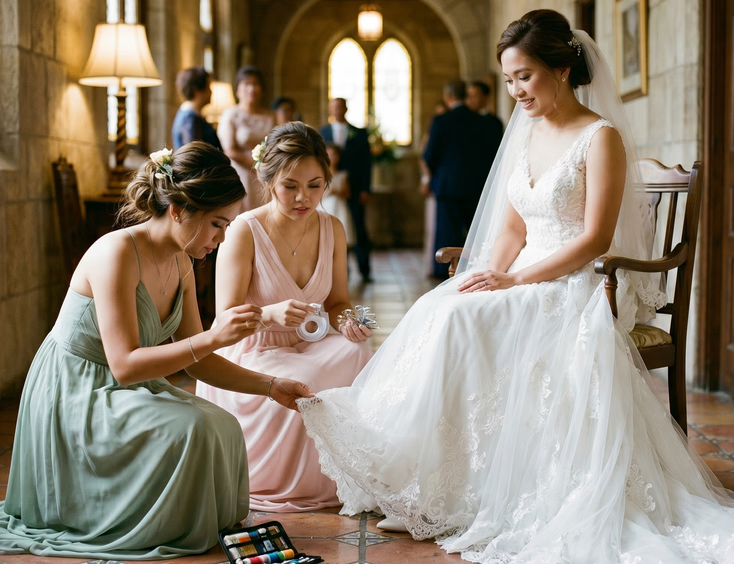
You can plan for months and still face a popped zipper, a torn hem, or a broken bustle hook mid-reception. The difference between a five-minute fix and a ruined gown depends on preparation.
Fashion tape can remedy sudden tears and loose-fitting garments. Safety pins, buttons, needles and thread are better to have on hand for sturdier repairs.
Assign one member of the entourage as the garment point person. This bridesmaid or coordinator carries the emergency kit, knows how the bustle works, and can stitch a quick repair in a bathroom stall if needed.
Common wedding day garment emergencies in the Philippines include:
- Broken bustle hooks from kneeling during the ceremony
- Sweat stains showing through light-colored bodices in outdoor setups
- Beadwork snagging on the veil, cord, or arrhae during rituals
- Hem tears from stepping on the train during photo walks on uneven terrain
Your entourage should rehearse the bustle at least once before the wedding. A maid of honor who has never handled loop-and-button closures will fumble when it counts.
For a full breakdown of garment fixes your bridal party should practice, check out emergency wedding garment fixes every bridal entourage should be ready for.
Pack a bridal emergency kit focused on garment protection
A general emergency kit covers headaches and bobby pins. A garment-focused kit covers the threats your gown faces from ceremony to reception.
Pack these garment-specific items:
- Fashion tape (double-sided, fabric-safe) for holding necklines, closing gaps, and tacking hems
- Mini sewing kit with white and ivory thread, plus a few extra beads that match your gown
- Stain removal pen for immediate spot treatment
- Lint roller for pet hair and dust picked up during photo sessions
- Safety pins in multiple sizes
- Small scissors for loose threads
- Baby powder for oil-based stain absorption on light fabrics
- Clear nail polish to stop runs in stockings and prevent bead thread from fraying
Pack your emergency kit weeks before the wedding. The final week will be full of last-minute tasks, and forgotten items become real problems on the day itself.
For the complete packing list with Philippine-specific additions (blotting sheets for tropical heat, waterproof pouches for rainy season weddings), read what to pack in a bridal emergency kit to protect your wedding garments on the big day.
Preserve your gown for the long term after the wedding
The work doesn't stop once the last dance ends. Get your gown to a professional cleaner as soon as possible after your wedding day. Even if it looks clean, invisible stains from sweat, perfume, and food will oxidize and darken within months.
Filipino brides face a preservation challenge that brides in cooler climates don't: year-round heat and humidity. Proper storage in cool, dry conditions with acid-free tissue prevents yellowing and mildew.
The preservation process looks like this:
- Get the gown cleaned within one week. A garment care specialist will examine the fabric and beadwork to determine the right cleaning method. Ornamental features like needlework and embellishments get protected or removed before cleaning, then reattached with precision.
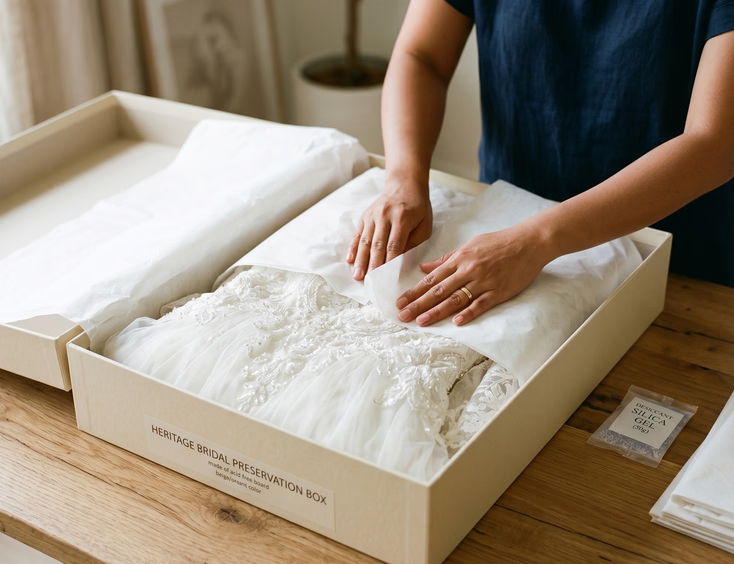
- Use acid-free materials for packing. Acid-free tissue and box materials act as a pH buffer, protecting the fabric from chemical exposure and cushioning it against compression.
- Store in a cool, dark space. The ideal environment stays below 75°F, below 60% relative humidity, dark, and stable. In the Philippines, this means an air-conditioned closet or a climate-controlled storage unit.
- Inspect once a year. Refold along different lines to prevent permanent creases. Check for yellowing, mold spots, or pest damage.
Piña and jusi deserve patient handling after the celebration. Air the gown out of direct sun, then schedule professional cleaning and boxing. Protect beadwork with tissue and store flat when possible.
If you plan to pass the gown to a daughter or niece, professional preservation is worth the investment. Specialist providers in Manila and other metro areas handle the cleaning, acid-free packing, and climate recommendations for Philippine conditions.
Build a garment care timeline around your wedding date
Here's a practical schedule that ties fitting prep, storage, emergency planning, and preservation together:
12 to 9 months before the wedding Book your gown designer or atelier. Discuss fabric choices suited to your venue and season. Consider cultural significance, climate suitability, and venue requirements.
5 to 3 months before Attend your first fitting. Test movement: sit, kneel, walk the aisle, raise your arms. Flag loose beads, weak seams, or tight closures.
2 months before Second fitting. Finalize sleeve and neckline coverage for the church ceremony. Most Catholic ceremonies in the Philippines expect modest coverage at the altar.
2 to 3 weeks before Final fitting and pickup. Schedule steaming and transport.
2 to 3 days before Store the gown in an air-conditioned room inside a breathable garment bag. Assign the entourage garment point person. Pack the bridal emergency kit.
Wedding day Garment point person carries the emergency kit. Bustle goes up after the ceremony. Stain pen stays within arm's reach during the reception.
Within 1 week after Deliver the gown to a professional garment care provider for cleaning and preservation.
Connect with trusted garment care professionals in the Philippines
Caring for a wedding gown across fitting day, the ceremony, and long-term storage takes expertise. You can handle the daily maintenance, the emergency fixes, and the smart storage. But professional cleaning and preservation require specialists who understand tropical conditions, delicate Filipino fabrics like piña and jusi, and the beadwork that makes these gowns unique.
Browse our garment care suppliers directory to find vetted professionals across the Philippines who specialize in bridal gown cleaning, preservation, and repair. Whether you need pre-wedding steaming in Cebu or post-wedding preservation in Manila, the right provider will keep your gown looking its best from fitting day to forever.
Still Searching for a Right Match?
Find Your Perfect Wedding Supplier Today!
Discover trusted wedding suppliers across the Philippines in our complete directory. Compare services and connect with the ones that fit your dream celebration.
Browse Wedding SuppliersFeatured Blog Posts
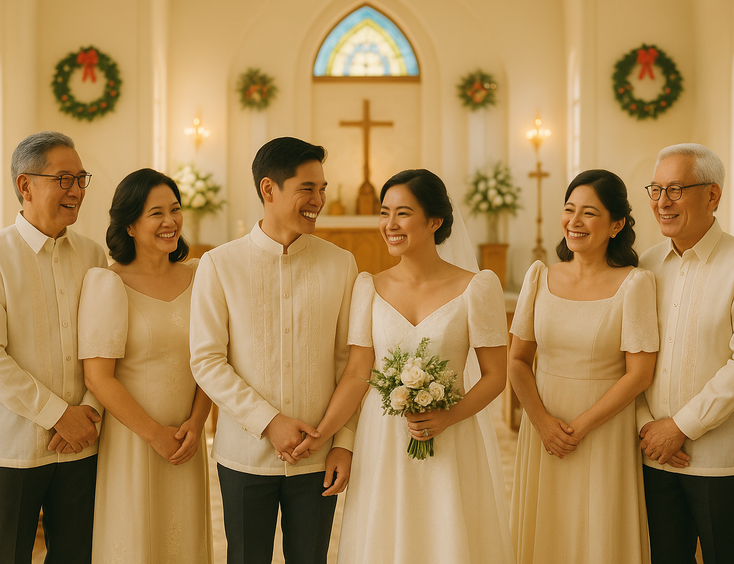

Filipino Wedding Entourage - Roles, Order of March, and Modern Etiquette
6 mins readCivil Weddings in the Philippines - Requirements, Costs, and Step-by-Step Process
9 mins readCivil Wedding Requirements in the Philippines - Complete Checklist
6 mins readCost of Wedding in the Philippines - 5 Essential Things You Need to Know
7 mins readPrincipal Sponsors (Ninong/Ninang) - How Many, How to Ask, What They Really Do
4 mins readVeil, Cord, Candle & Coins - Roles, Options, and When They Happen
4 mins readEntourage for a Traditional Pinoy Wedding - Complete Roles and Guide
6 mins readComplete List of Civil Wedding Requirements in the Philippines
8 mins readHow to Choose Wedding Ninongs and Ninangs - Ask Yourself These 3 Important Questions
5 mins read