


How to Keep Your Bridal Gown Clean and Pristine Throughout Your Wedding Day
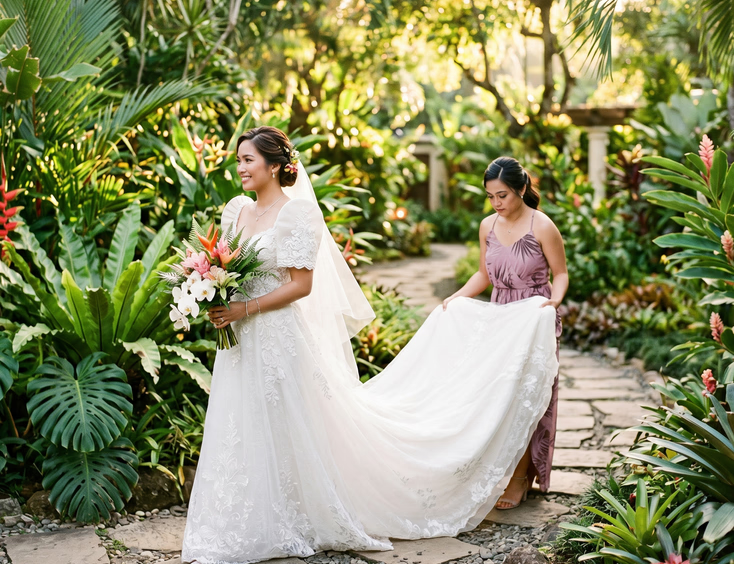
You spent months choosing the fabric, fitting the bodice, and reinforcing the beadwork. Then your wedding day starts, and your gown faces sweat, lechon grease, red wine, church floor dust, garden soil, and a dance floor packed with relatives. Filipino weddings run long. A Catholic ceremony, a full reception, and an after-party can stretch past midnight. Your gown needs to survive all of it.
This guide covers the specific threats your gown faces during a Filipino wedding and the steps you can take at each stage to keep it clean and intact from the bridal suite to the last dance.
Start in the bridal suite with a clean dressing routine
Most gown stains happen before the ceremony. Makeup, lotion, perfume, and hairspray all transfer to fabric on contact. One brush of a foundation-covered hand against a white bodice leaves a mark that won't come out with a wipe.
Set a dressing order that protects the gown:
- Finish hair and makeup first. Spray all products and let them dry before touching the gown. Hairspray mist travels further than you think and leaves a sticky film on silk and organza.
- Apply perfume before dressing. Spray it on your wrists, neck, and behind your ears. Let it absorb into your skin for two minutes. Perfume contains alcohol that can stain and discolor delicate fabrics on contact.
- Step into the gown, don't pull it over your head. Pulling a gown over your face drags it through makeup, hair product, and skin oil. Step in from the bottom and have your maid of honor lift the bodice up to your shoulders.
- Handle the gown with clean, dry hands. Everyone in the bridal suite who touches the dress should wash their hands first. No lotion. No oil. Assign one person to manage the train so it stays off the floor during dressing.
If your gown uses piña or jusi fabric, this routine becomes more critical. Natural plant fibers absorb oils and chemicals faster than synthetic fabrics and show stains within hours.
Protect the gown during transport to the ceremony
The ride from the bridal suite to the church or venue is a short window where a lot can go wrong. Car seats collect dust, food crumbs, and dye from clothing. A leather seat on a hot day can leave marks on white satin.
Before the bride gets in the car:
- Lay a clean white cotton sheet across the back seat. Cover the seat, the backrest, and the floor area where the train will rest.
- Fold the train onto the bride's lap or across the covered seat. Don't let it touch the car floor.
- Keep the air-conditioning on. A hot car makes you sweat through the bodice before you reach the church.
- Skip food and drinks in the car. A coffee spill in a moving vehicle will find the one spot on your gown you can't hide.
If you're using a bridal car service, call ahead and ask them to clean the interior the morning of the wedding. Most bridal car providers in Manila, Cebu, and Davao will accommodate this request.
Guard the gown during the ceremony
A Filipino Catholic wedding ceremony involves kneeling, standing, sitting, and physical rituals that put your gown in direct contact with surfaces and objects. Each one carries a specific garment risk.
Kneeling. Church kneelers and floor tiles press against the front of your skirt. Wooden kneelers can snag tulle and lace. Stone or tile floors leave dust marks on white fabric. Place a small white cloth on the kneeler before the ceremony starts. Ask your coordinator to set this up during the church preparation.
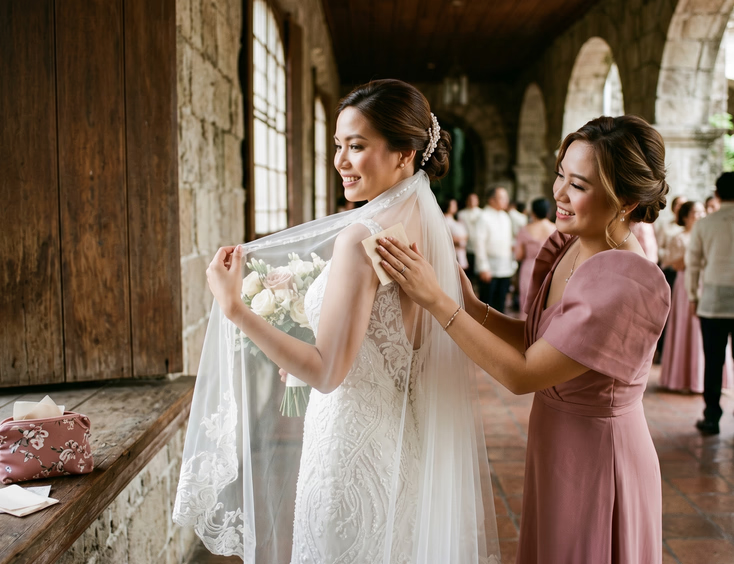
The cord and veil ceremony. Sponsors drape a cord and veil over the couple. The cord passes across the bride's shoulders and can catch on beading, sequins, or embroidered edges along the neckline. Ask your sponsors to practice the placement once before the ceremony. Lifting the cord off snagged beadwork mid-ceremony creates a visible disruption.
The arrhae (wedding coins). The groom pours thirteen coins into the bride's cupped hands. Coins can slip and land on the gown, leaving small scratches on beaded or sequined surfaces. Cup your hands over the gown's skirt, not against the bodice, so any dropped coins fall onto softer fabric.
Sitting during the homily. A full Catholic mass includes a homily that can run fifteen to twenty minutes. Sitting in a heavy beaded gown compresses the back panel and can loosen adhesive on embellishments attached with glue rather than thread. Sit upright and avoid leaning hard against the pew. If the pew has rough wood, place a handkerchief between your back and the surface.
Manage sweat before it reaches the fabric
Philippine weddings happen in tropical heat. Even air-conditioned churches warm up when two hundred guests fill the pews. Outdoor ceremonies in Tagaytay, Batangas, or Boracay expose you to direct sun and humidity above 80%.
Sweat damages gowns in two ways. The salt yellows fabric over time, and the moisture weakens adhesive on glued embellishments. You can't stop sweating, but you can control where the sweat goes.
Wear a breathable cotton slip underneath. A thin cotton layer between your skin and the gown absorbs sweat before it reaches the outer fabric. Your designer can build one into the gown or recommend a separate slip that fits under the bodice.
Ask your designer about sweat shields. Fabric sweat shields sewn into the underarm area of the bodice catch perspiration at the source. They're invisible from the outside and protect the most sweat-prone area of the gown.
Carry blotting sheets. Pack oil-absorbing blotting sheets in your emergency kit. Between the ceremony and reception, blot your chest, neck, and upper back before sweat soaks through to the outer fabric. A bridesmaid can help with areas you can't reach.
Use antiperspirant, not deodorant, the night before. Apply clinical-strength antiperspirant to your underarms before bed. It needs six to eight hours to form a sweat-blocking barrier. Deodorant applied on the wedding morning only masks odor and leaves white residue that transfers to fabric.
Handle food and drink stains at the reception
Filipino receptions feature lechon, adobo, sinigang, red wine, ube desserts, and a candy buffet. Every item on that menu can leave a permanent stain on silk, satin, or piña fabric.
You can't avoid eating at your own wedding. You can reduce the risk.
Lay a white napkin across your lap. Cover your skirt from waist to knee before the first course arrives. Tuck the edge under your thigh so it doesn't slide off when you stand.
Assign a bridesmaid as your stain guard. This person sits beside you or stands nearby during the meal. She holds a stain removal pen and a pack of blotting wipes. If a splash hits the gown, she treats it within sixty seconds, before the stain sets.
Treat stains by type:
- Oil-based stains (lechon, adobo, butter). Sprinkle baby powder or cornstarch on the spot. Let it sit for two minutes to absorb the oil. Brush off gently with a clean cloth. Don't rub, which spreads the grease deeper into the weave.
- Wine and colored liquid stains. Blot with a clean white cloth dampened with cold water. Press, don't wipe. A stain removal pen works on small splashes. Avoid hot water, which sets wine stains into fabric.
- Ube and colored dessert stains. Ube leaves a purple pigment that bonds fast to natural fibers. Blot with cold water and treat with a stain pen within thirty seconds. If the stain is large, leave it for professional cleaning after the wedding. Aggressive scrubbing on piña or silk will damage the fiber.
Skip dark-colored cocktails near the gown. Ask the bartender to serve your drinks in a covered cup or tumbler with a lid during the reception. A glass of red wine in a crowded dance floor is a stain waiting to happen.
Protect the hem and train throughout the day
Your hem touches every surface you walk on. Church tiles, garden paths, gravel driveways, sandy beaches, and sticky reception dance floors all leave residue on the bottom edge of your gown.
Bustle the train after the ceremony. The bustle lifts the train off the ground for the reception. Have your maid of honor fasten it as soon as you leave the church or ceremony area. She should have practiced this at the final fitting. If she hasn't, give her a video tutorial the night before.
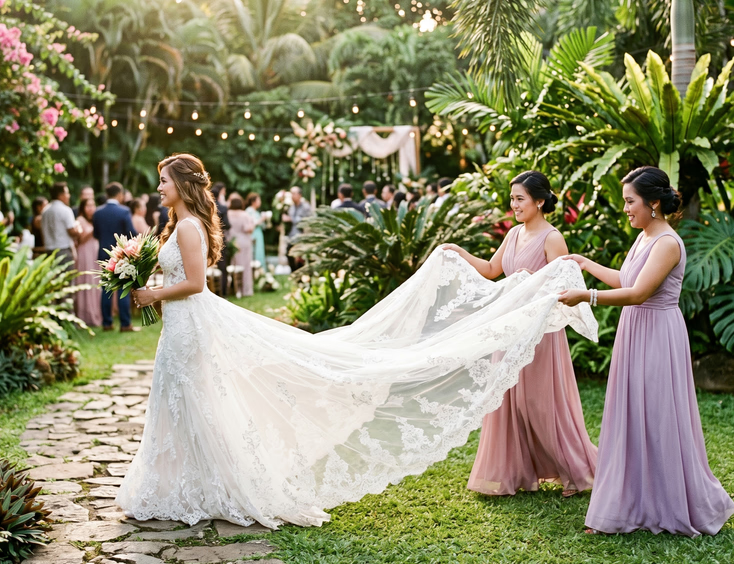
Carry the train during transitions. Between the ceremony and the photo session, and between the photo session and the reception, someone should carry your train. Dragging it across a parking lot or garden path grinds dirt into the fabric.
Avoid grass and soil when possible. Garden weddings in Tagaytay, Alfonso, and Antipolo look beautiful, but wet grass leaves green stains on white hems. If you're walking across a lawn for photos, have two bridesmaids hold the train above the ground. Ask your photographer to plan routes on paved paths where possible.
Beach weddings need extra planning. Sand works its way into tulle layers, lace, and beading. Saltwater leaves mineral stains that stiffen fabric. If you're marrying on a beach in Boracay, Siargao, or Palawan:
- Keep the hem above ankle height for the ceremony. A shorter hem or a detachable train saves you from dragging fabric through wet sand.
- Rinse sand off the hem with fresh water as soon as you leave the beach. Don't wait for the reception. Sand left in the fabric acts as an abrasive when you walk.
- Assign someone to carry a bottle of fresh water and a clean towel for quick rinses between ceremony and reception.
Handle weather surprises without panicking
The Philippine rainy season runs from June through November. Afternoon downpours hit fast, even during dry season months. A ten-minute rain shower at an outdoor ceremony can soak a gown through.
Keep a large clear umbrella in the bridal car. Clear so the photographer can still capture the moment. Large enough to cover the bride and the train. Assign one groomsman or coordinator to umbrella duty during all outdoor transitions.
Pack a lightweight waterproof cape or shawl. A transparent rain cape slips over the gown and protects it during short walks in the rain. You can remove it as soon as you're under cover.
If the gown gets wet, act fast. Don't wring or twist the fabric. Blot with a clean dry towel to absorb surface moisture. Hang the gown in an air-conditioned room as soon as possible and let it dry naturally. A hair dryer on high heat can shrink silk and warp beading. A fan pointed at the fabric from two feet away speeds up drying without heat damage.
Mud splashes. Let mud dry before touching it. Wet mud smears when you wipe it. Once dry, brush it off gently with a soft cloth. Treat the remaining mark with a damp cloth and mild soap. Save the deep cleaning for a professional after the wedding.
Create a gown protection plan with your bridal party
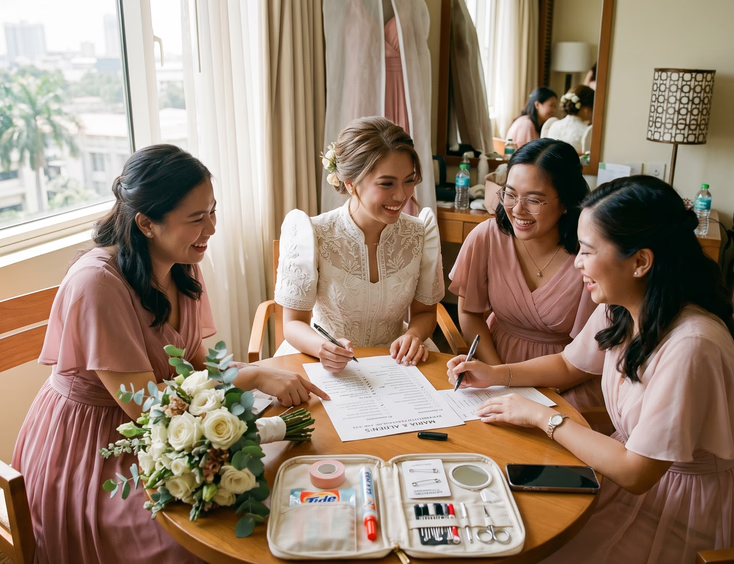
Your bridal party is your gown's defense team. Assign roles before the wedding day so everyone knows their job.
| Role | Person | Responsibility |
|---|---|---|
| Dressing assistant | Maid of honor | Helps the bride step into the gown, fastens closures, manages the bustle |
| Train handler | Bridesmaid 1 | Carries the train during all transitions between locations |
| Stain guard | Bridesmaid 2 | Sits near the bride at the reception, carries stain pen and blotting supplies |
| Umbrella and weather | Groomsman or coordinator | Manages the clear umbrella and rain cape during outdoor moments |
| Emergency kit holder | Coordinator or designated bridesmaid | Carries the full bridal emergency kit with sewing supplies, fashion tape, and stain treatment |
Brief each person the night before the wedding. A five-minute walkthrough of their role prevents confusion on the day itself.
End the night with a plan for the gown
The last dance ends. Guests leave. You want to change into comfortable clothes and collapse. Before you do, take five minutes to protect the gown.
- Hang it on a padded hanger in an air-conditioned room. Don't ball it up in a bag or leave it on the hotel room floor.
- Blot any visible stains with a damp cloth and cold water. Don't scrub.
- Unpin the bustle so the fabric relaxes without tension.
- Keep it away from the hotel bathroom. Steam from a hot shower will push humidity into the fabric.
Within one week, deliver the gown to a professional garment care provider for cleaning and preservation. Stains that look minor on your wedding night will oxidize and darken over the following weeks. The sooner a specialist treats them, the better the results.
Keep your gown protected beyond the wedding day
Keeping your gown clean during the wedding is the hardest part. But the days before and after deserve equal attention. For a full garment care timeline from fitting day through long-term preservation, read our complete guide to wedding garment care in the Philippines.
If you want your bridal party to handle emergencies with confidence, make sure they've read emergency wedding garment fixes every bridal entourage should be ready for. Pair that with the right supplies by reviewing what to pack in a bridal emergency kit to protect your wedding garments on the big day.
Need a professional to handle pre-wedding steaming, post-wedding stain treatment, or long-term gown preservation? Browse our garment care suppliers directory to find vetted providers across the Philippines.
Still Searching for a Right Match?
Find Your Perfect Wedding Supplier Today!
Discover trusted wedding suppliers across the Philippines in our complete directory. Compare services and connect with the ones that fit your dream celebration.
Browse Wedding SuppliersFeatured Blog Posts



Filipino Wedding Entourage - Roles, Order of March, and Modern Etiquette
6 mins readCivil Weddings in the Philippines - Requirements, Costs, and Step-by-Step Process
9 mins readCivil Wedding Requirements in the Philippines - Complete Checklist
6 mins readCost of Wedding in the Philippines - 5 Essential Things You Need to Know
7 mins readPrincipal Sponsors (Ninong/Ninang) - How Many, How to Ask, What They Really Do
4 mins readVeil, Cord, Candle & Coins - Roles, Options, and When They Happen
4 mins readEntourage for a Traditional Pinoy Wedding - Complete Roles and Guide
6 mins readComplete List of Civil Wedding Requirements in the Philippines
8 mins readHow to Choose Wedding Ninongs and Ninangs - Ask Yourself These 3 Important Questions
5 mins read