


What to Pack in a Bridal Emergency Kit to Protect Your Wedding Garments on the Big Day
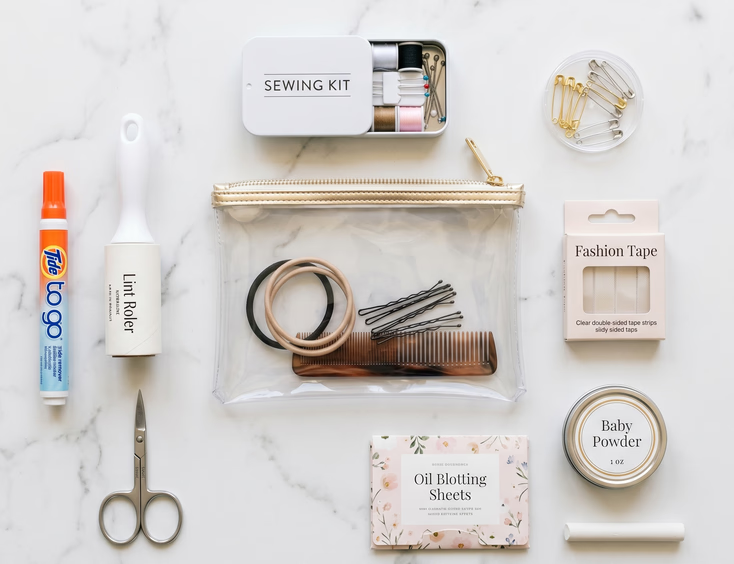
Most bridal emergency kit lists focus on headaches, bobby pins, and breath mints. Those items help the bride get through the day. They do nothing for the gown. A popped bead, a grease stain, a broken bustle hook, or a jammed zipper needs a different set of tools. Filipino weddings run long and put gowns through kneeling on church floors, cord and veil ceremonies, outdoor photo sessions in tropical heat, and receptions with lechon, red wine, and a packed dance floor.
This guide covers what to pack in a bridal emergency kit built around garment protection, with specific additions for the Philippine climate and common Filipino wedding scenarios.
Pack the kit at least two weeks before the wedding
The week before your wedding will swallow your time. Vendor confirmations, seating charts, final payments, and family logistics fill every hour. If you leave the emergency kit to the last three days, you'll forget items and scramble for substitutes that don't work as well.
Two weeks out gives you time to:
- Source specific items (clear fishing line, acid-free chalk, matching beads from your designer)
- Test products on a fabric swatch before trusting them on your gown
- Brief your garment point person on every item in the kit and when to use it
- Replace anything that's expired, dried out, or missing
Buy a clear zippered pouch or a small structured cosmetic bag to hold everything. Clear material lets the garment point person find items fast without digging. Avoid bags with dark linings, because small items like beads and safety pins disappear against dark fabric.
Sewing and structural repair supplies
These tools fix the most common garment failures: broken bustles, popped beads, torn hems, and split seams.
Needles. Pack three to four hand-sewing needles in different sizes. A fine needle for lightweight fabrics like chiffon and organza. A medium needle for satin and silk. A thicker needle for dense beaded sections. Store them in a small felt needle case so they don't poke through the bag.
Thread. Bring pre-cut lengths (about eighteen inches each) of white, ivory, and champagne thread. Match the thread color to your gown's base tone. Wind each length around a small piece of cardboard to prevent tangling. Skip full spools; they take up space and unravel in the bag.
Clear fishing line. Stronger than thread and invisible against white fabric. Use it for emergency bustle repairs, reattaching heavy beads, and replacing broken thread loops on button closures. Pack a three-foot length wound around a small card.
Safety pins. Pack ten to twelve in three sizes: small (for straps and delicate fabric), medium (for seams and side closures), and large (for bustle repairs and heavy fabric). Gold-toned pins work better on ivory and champagne gowns. Silver pins match white.
Small sharp scissors. For trimming loose threads, cutting tape, and snipping fishing line. Fold-up travel scissors save space. Make sure the blades are sharp enough to cut through thread in one motion. Dull scissors fray fabric.
Crochet hook. A small steel crochet hook pulls fabric loops over buttons faster than fingers can. If your gown has a loop-and-button closure down the back, this tool cuts dressing time in half and helps refasten buttons if one pops during the reception.
Spare beads and buttons. Ask your designer at the final fitting for a small bag of matching beads, sequins, and buttons. Pack them in a tiny resealable bag. Label it so the garment point person can find the right bead without guessing.
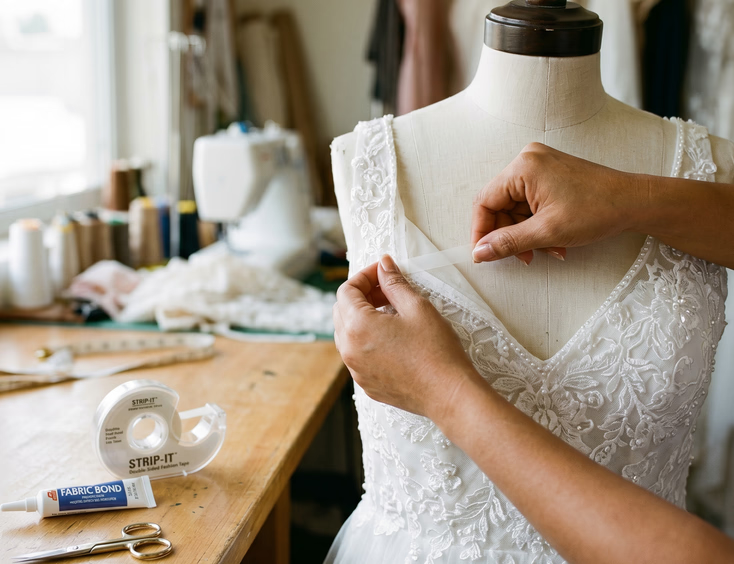
Fashion tape and adhesive solutions
Fashion tape handles problems that needles and pins can't reach, or problems that need a fix in under thirty seconds.
Double-sided fashion tape. Pack a full roll of fabric-safe, double-sided tape. Use it for:
- Holding a slipping neckline against the skin
- Closing small gaps along the bust or back
- Tacking a torn hem in place until someone can stitch it
- Securing a strap that keeps sliding off the shoulder
- Holding the cord or veil flat against the gown during the ceremony to prevent snagging
Test the tape on a hidden section of your gown fabric before the wedding. Some tapes leave residue on silk and piña that requires professional cleaning to remove.
Fabric glue. A small tube of clear, washable fabric glue reattaches embellishments that need a stronger hold than thread. Apply a tiny dot, press the bead or sequin in place, and hold for thirty seconds. Let it cure for two minutes before the bride moves. Pack a glue that dries clear and stays flexible after curing.
Super glue. Reserve this for non-fabric emergencies: a broken shoe heel, a snapped hair accessory, or a cracked buckle on a belt or sash. Don't use super glue on fabric. It hardens, discolors, and can't be reversed.
Stain treatment supplies
Filipino reception menus stain fast. Lechon grease, adobo sauce, sinigang broth, red wine, ube desserts, and chocolate fountain drips all bond with fabric on contact. The window for effective treatment is sixty seconds or less.
Stain removal pen. Pack two pens. One stays with the garment point person. The other stays at the bride's reception table. A stain pen applies targeted cleaning solution to small spots without soaking the surrounding fabric. Works on wine, juice, coffee, and light food stains.
Baby powder or cornstarch. Pack two tablespoons in a small resealable container. Sprinkle it over oil-based stains (lechon grease, butter, adobo oil) and let it sit for two minutes. The powder absorbs the oil before it bonds with the fiber. Brush off with a clean white cloth. Don't rub.
White chalk. A stick of plain white chalk covers foundation marks, minor discoloration, and light smudges on white or ivory fabric. Rub it over the mark and blend with a clean finger. The chalk matches the fabric tone and hides the stain until professional cleaning.
Clean white cloths. Pack four to five small white cotton cloths or handkerchiefs. Use them for blotting stains, brushing off powder, and protecting the gown from surface contact. White fabric prevents dye transfer. Colored cloths can bleed onto wet white fabric.
Cotton swabs and rubbing alcohol. For ink stains and small pigment spots. Dab rubbing alcohol onto a cotton swab and press against the stain. Test on a hidden area first. Alcohol can affect dye finishes on colored embroidery.
Cold water spray bottle. Fill a small spray bottle with cold water. Use it to dampen cloths for blotting and to dilute stain pen applications. Cold water prevents stains from setting. Hot water locks wine and protein stains into fabric.
Sweat and moisture protection
Philippine heat makes sweat management a garment care priority. Indoor ceremonies warm up fast with a full church. Outdoor ceremonies in Tagaytay, Batangas, or Boracay expose the gown to direct sun, humidity above 80%, and salt air.
Oil-absorbing blotting sheets. Pack twenty to thirty sheets. The garment point person blots the bride's chest, neck, and upper back between the ceremony and reception, and again before the first dance. Blotting absorbs oil before it soaks through the bodice to the outer fabric.
Travel-size antiperspirant. Clinical-strength, applied the night before. Pack a backup in the kit for touch-ups if the bride showers on the wedding morning. Antiperspirant blocks sweat at the source. Deodorant only masks odor and leaves white marks on fabric.
Small hand towel. A clean white hand towel tucked into the bride's chair at the reception lets her dab her neck and collarbone between courses. She can also place it across the chair back to protect the gown from the chair surface.
Silica gel packets. Tuck two to three packets into the emergency kit bag itself. They absorb ambient moisture and keep the other supplies dry, especially during rainy season weddings when humidity spikes in bridal suites and church hallways.
Weather protection supplies
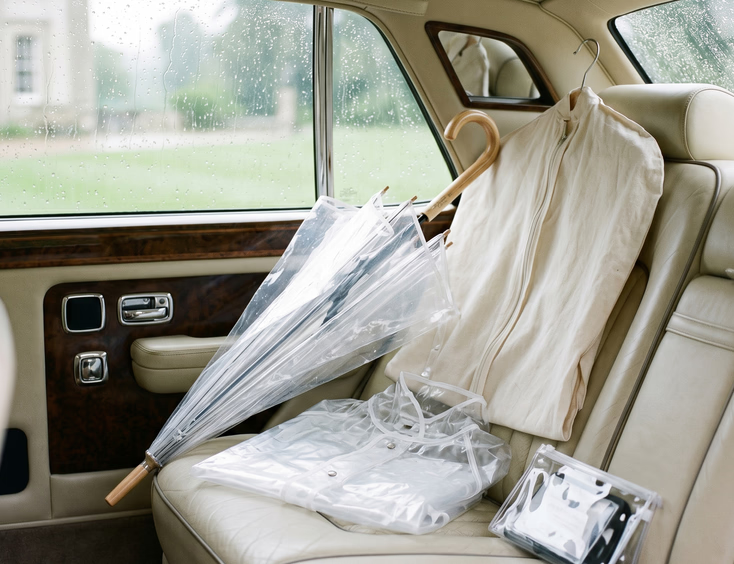
The Philippine rainy season runs from June through November. Afternoon downpours arrive with little warning, and outdoor weddings in garden or beach venues face the highest risk.
Large clear umbrella. This lives in the bridal car, not the emergency kit bag. Clear so the photographer can still capture moments during rain. Large enough to cover the bride and her train during short outdoor walks. Assign one groomsman or coordinator to umbrella duty for all outdoor transitions.
Lightweight transparent rain cape. A foldable rain poncho or cape slips over the gown and protects it during sudden rain. Pack one that covers the shoulders, bodice, and skirt to mid-calf. Remove it as soon as the bride reaches cover.
Waterproof pouch. A resealable waterproof pouch protects the emergency kit itself during outdoor transitions. Stain pens, thread, and powder lose effectiveness when wet. Keep the pouch sealed when the kit is not in use.
Clean dry towel. A second towel dedicated to drying the gown if it gets caught in rain. Blot surface moisture without wringing or twisting. Press the towel flat against the wet area and let it absorb.
Shoe and accessory repair supplies
Shoe failures strand the bride faster than any gown problem. A broken heel, a snapped strap, or a rubbed blister can take her off the reception floor.
Shoe glue or super glue. For reattaching a broken heel or loose sole. Apply, hold for sixty seconds, and let it cure for five minutes before the bride puts weight on it.
Moleskin patches. Cut moleskin into small strips and apply to the inside of the shoe where it rubs. Prevents blisters before they form. Pack four to six pre-cut strips.
Backup flats. A pair of comfortable white or nude flats stays in the bridal suite or bridal car. Many Filipino brides plan to switch into flats after the ceremony. Having them ready turns a shoe emergency into a smooth transition.
Clear elastic bands. Small clear bands secure loose straps, hold buckles in place, and bind broken components together for a temporary fix.
Supplies for the entourage's garments
The bridal emergency kit protects more than the bride's gown. Bridesmaids, flower girls, and mothers of the bride and groom all wear formal garments that can tear, stain, or malfunction during the day.
Extra fashion tape strips. Bridesmaids with strapless dresses need tape for neckline security. Pre-cut six to eight strips and store them in a labeled resealable bag.
Lint roller. Tulle, chiffon, and velvet attract dust, pet hair, and lint from car seats and church pews. A travel-size lint roller cleans up the bridal party before photos and the processional.
Hollywood tape or body tape. Stronger than standard fashion tape. Use it for deeper necklines, halter closures, and wrap-style bridesmaid dresses that shift during movement.
Static spray. A small travel bottle of anti-static spray prevents clingy fabric from sticking to legs and shapewear. Spray from twelve inches away and let it dry for thirty seconds.
Stain pen backup. One extra stain pen dedicated to the entourage. Bridesmaids eat and drink at the same reception. Lechon grease doesn't discriminate between the bride's gown and a bridesmaid's dress.
Organize the kit for fast access
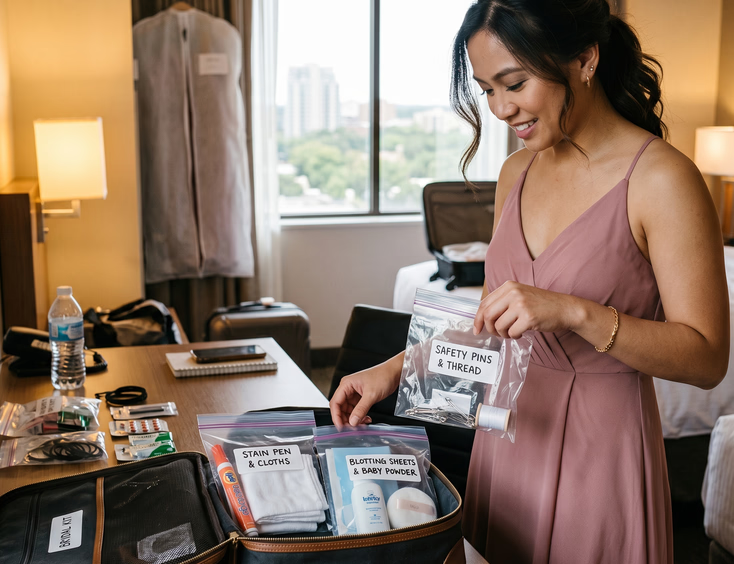
A messy emergency kit wastes time during a crisis. Organize supplies into labeled sections so the garment point person can grab the right tool in under ten seconds.
Section 1: Sewing and structure. Needles, thread, fishing line, safety pins, scissors, crochet hook, spare beads.
Section 2: Tape and adhesive. Fashion tape, fabric glue, super glue, clear elastic bands.
Section 3: Stain treatment. Stain pens, baby powder, white chalk, white cloths, cotton swabs, rubbing alcohol, cold water spray bottle.
Section 4: Sweat and moisture. Blotting sheets, antiperspirant, hand towel, silica gel packets.
Section 5: Weather. Rain cape, waterproof pouch, dry towel. (Umbrella stays in the bridal car.)
Section 6: Shoes and accessories. Shoe glue, moleskin, clear elastic bands. (Backup flats stay in the bridal suite.)
Section 7: Entourage. Extra fashion tape, lint roller, body tape, static spray, extra stain pen.
Use small resealable bags for each section. Label them with a marker. Place the most-used sections (stain treatment and sewing) near the top of the bag.
Know when a fix is beyond the kit
Some garment damage can't be fixed on the wedding day. A large wine stain on piña silk, a ripped bodice panel, or a shattered zipper may need professional repair. The emergency kit buys you time. It holds the gown together until the event ends. Accept that some damage will need expert treatment after the wedding.
If a garment problem goes beyond what your point person can handle, the priority shifts from repair to concealment. A strategically held bouquet hides a bodice stain. A draped shawl covers a torn sleeve. A gathered train pinned at the waist replaces a broken bustle. Your photographer can angle shots to avoid visible damage. Brief them if something goes wrong.
Give your gown the full protection it needs
A packed emergency kit handles problems on the wedding day. Long-term garment care starts before the fitting and continues years after the celebration. For a full timeline of gown care from fitting day through preservation, read our complete guide to wedding garment care in the Philippines.
Your entourage should know more than where the kit is stored. Make sure they've read emergency wedding garment fixes every bridal entourage should be ready for and practiced the key repairs before the wedding day. Pair the right tools with the right skills, and your gown stays protected from the ceremony to the send-off.
For stains and damage that go beyond same-day fixes, connect with professionals who specialize in bridal garment care. Browse our garment care suppliers directory to find cleaning, preservation, and repair providers across the Philippines. If you want to prevent emergencies before they happen, our guide on how to keep your bridal gown clean and pristine throughout your wedding day covers proactive protection strategies for every stage of the celebration.
Still Searching for a Right Match?
Find Your Perfect Wedding Supplier Today!
Discover trusted wedding suppliers across the Philippines in our complete directory. Compare services and connect with the ones that fit your dream celebration.
Browse Wedding SuppliersFeatured Blog Posts

Filipino Wedding Entourage - Roles, Order of March, and Modern Etiquette
6 mins readCivil Weddings in the Philippines - Requirements, Costs, and Step-by-Step Process
9 mins readCivil Wedding Requirements in the Philippines - Complete Checklist
6 mins readCost of Wedding in the Philippines - 5 Essential Things You Need to Know
7 mins readPrincipal Sponsors (Ninong/Ninang) - How Many, How to Ask, What They Really Do
4 mins readVeil, Cord, Candle & Coins - Roles, Options, and When They Happen
4 mins readEntourage for a Traditional Pinoy Wedding - Complete Roles and Guide
6 mins readComplete List of Civil Wedding Requirements in the Philippines
8 mins readHow to Choose Wedding Ninongs and Ninangs - Ask Yourself These 3 Important Questions
5 mins read