


Eco-Friendly and Sustainable Corporate Event Themes
Sustainability moved from PR talking point to event requirement. Filipino companies face pressure from clients, employees, investors, and ESG reporting standards to run events that don't generate landfills of waste by Monday morning.
The good news: sustainable corporate events look better, photograph better, and often cost less than the wasteful versions. Here's how to plan one that delivers on both the environmental claim and the brand experience.
Why Sustainable Themes Make Business Sense
Generic corporate events generate staggering waste. A single 300-pax event can produce hundreds of plastic bottles, dozens of tarpaulin signs that go straight to landfill, single-use centerpieces tossed by midnight, and food waste from over-ordered buffets.
Sustainable events flip that math. You spend less on disposables, generate content worth posting, and back up your company's sustainability claims with action. Employees who care about the environment notice. Clients with ESG reporting notice. Recruitment candidates notice.
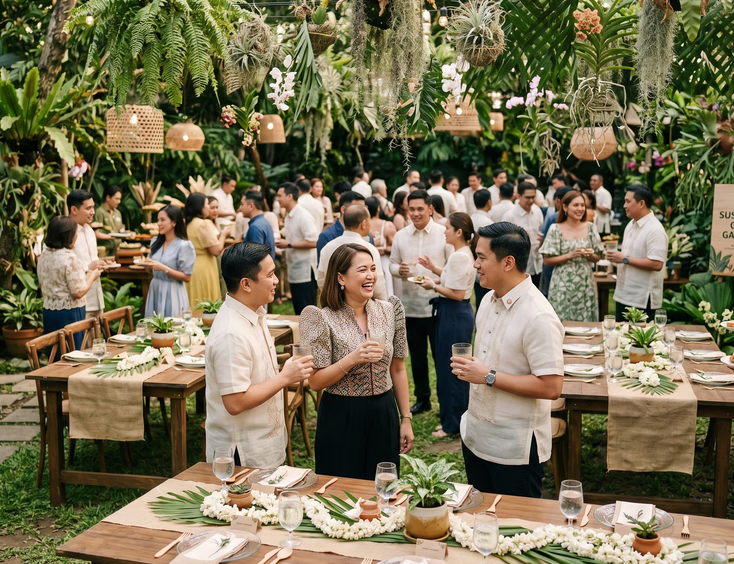
Garden Party and Botanical Theme
The default sustainable theme. Use a garden venue or transform an indoor space with living plants. Skip cut flowers entirely.
Decor anchors:
- Potted plants as centerpieces (returned to nursery rental or given to guests after)
- Hanging plant installations instead of cut flower arches
- Wooden or rattan furniture
- Natural fiber table runners (jute, abaca, banig)
- Reusable glass dinnerware and metal cutlery
Menu pairings: farm-to-table catering with seasonal Philippine produce, plant-forward dishes with optional meat sides, locally-roasted coffee, fresh fruit juices instead of bottled drinks.
Entertainment: acoustic OPM sets, no booming sound systems that need diesel generators.
This works for product launches, sustainability-focused brand events, and outdoor anniversaries. For venue ideas, see outdoor and unconventional venues for company events.
Zero-Waste Theme
Commit to producing zero landfill waste from the event. Every supplier briefing includes this requirement upfront.
Operational anchors:
- No single-use plastics anywhere (cups, straws, utensils, bottles)
- Bulk water stations with reusable glasses or guest-issued tumblers
- Composting stations for food waste
- Digital signage and projections instead of printed tarpaulins
- Reusable name tags (collected at exit)
- Donation arrangements for leftover food to nearby communities
Menu approach: portion-controlled plated meals instead of buffets to minimize over-ordering. Partner with caterers experienced in food waste protocols. See best caterers for corporate events in the Philippines.
This works for ESG-focused company events, sustainability launches, and milestone celebrations where the company wants the environmental claim to stick.
Upcycled and Repurposed Theme
Build the event around materials given a second life. Pallet wood furniture, repurposed glass bottles as vases, vintage furniture rentals, secondhand textiles as table linens.
Decor anchors:
- Pallet bars and pallet seating
- Reclaimed wood signage
- Glass jars and recycled bottles as candle holders and vases
- Vintage rattan and bamboo furniture rentals
- Hand-painted wooden directional signs
Dress code: smart-casual with sustainable fashion encouraged. Some companies set up a thrift swap corner where employees exchange clothing items.
Menu pairings: nose-to-tail dishes, root-to-leaf vegetable preparations, drinks served in repurposed glass bottles.
This works for creative agencies, design firms, and brand activations where the upcycled aesthetic matches the company image.
Local Sourcing Theme
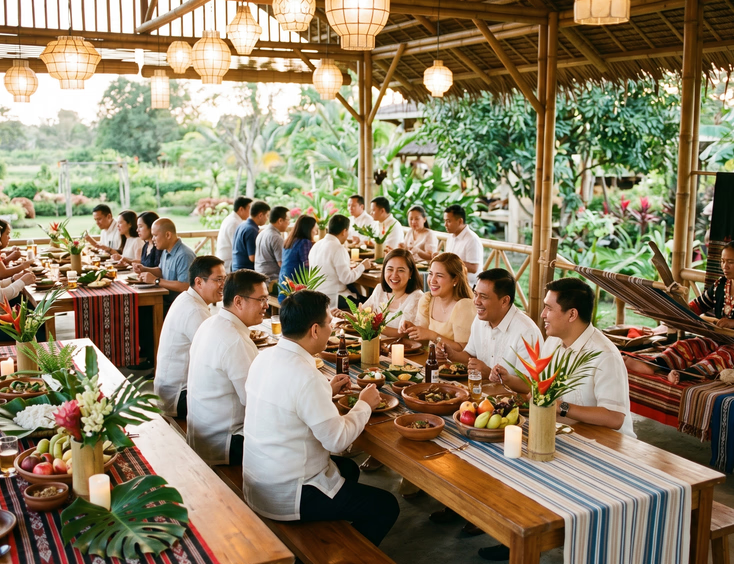
Every supplier, ingredient, and material comes from within a defined radius — Metro Manila, Region IV-A, or the wider Luzon area. The theme celebrates Philippine craftsmanship and reduces transport emissions.
Decor anchors:
- Locally-woven inabel, T'nalak, or piña textile runners
- Capiz lamps from Cebu artisans
- Handmade pottery from Pampanga or Vigan
- Bamboo and rattan furniture from local craftsmen
- Indigenous floral arrangements (sampaguita, anahaw, banana leaves)
Menu pairings: farm-direct ingredients, regional Filipino dishes, Philippine coffee from Benguet or Bukidnon, craft drinks made with local spirits like lambanog or basi.
Suppliers to highlight: local stylists who source from artisan communities, caterers who work with farm cooperatives, performers who play traditional Filipino instruments.
This pairs naturally with Filipiniana and cultural theme ideas for corporate events if you want to combine cultural and sustainable angles.
Nature Retreat Theme
Move the event entirely outside city venues. Use farms, mountain resorts, beach venues, or eco-resorts where the natural setting carries the theme without heavy decor production.
Decor anchors:
- Minimal additional decor — the venue does the work
- Locally-sourced floral or foliage accents
- Refillable water and drink stations
- Reusable tableware
- Natural light during day programs, solar-powered lighting at night
Activities: outdoor team building, hiking, planting sessions, beach cleanup integrations, farm-to-table cooking workshops.
This works for leadership retreats, offsite team building, and milestone celebrations where you want the experience to feel restorative. For venue ideas, see Tagaytay and Batangas venues for corporate retreats.
Plant-Based Theme
Center the event around a fully plant-based menu without making it the loud headline. Skip the "look how vegan we are" signage. Let the food speak.
Menu approach: Filipino plant-based dishes — kare-kare with seitan, monggo with vegetable broth, gising-gising, fresh lumpia, ube halaya, fruit-based desserts. Pair with craft mocktails using local fruits and herbs.
Decor anchors: matches the chosen aesthetic — botanical, modern, or rustic. The sustainability lives in the menu choices, not heavy-handed visual messaging.
This works for product launches, wellness brand events, and companies whose core audience already aligns with plant-based eating.
Carbon-Neutral Theme
Calculate the event's carbon footprint upfront and offset it through verified programs. Make the offset a visible part of the event narrative — guests know the trees planted, the renewable energy credits purchased, or the conservation projects funded on their behalf.
Operational anchors:
- Carbon audit during planning
- Documented offset purchase from credible programs
- Reduced electricity load (LED lighting, daylight programs)
- Carpooling or shuttle arrangements for guests
- Digital invitations and programs only
Communications: include the carbon footprint and offset details in the program collateral. Guests appreciate transparency over greenwashing.
This works for ESG-reporting corporations, sustainability-focused launches, and companies positioning themselves as climate leaders.

Choosing the Right Sustainable Theme
Match the theme to your operational capacity and event purpose:
- First sustainability attempt: Garden Party or Local Sourcing — easier supplier briefings
- High visibility ESG event: Zero-Waste or Carbon-Neutral — measurable claims
- Creative agency or design firm event: Upcycled or Botanical — aesthetic alignment
- Retreat or offsite: Nature Retreat — venue carries the theme
- Product launch with sustainable brand angle: Plant-Based or Zero-Waste
For broader theme direction across event types, see trending corporate event themes for Filipino companies.
Suppliers You'll Need
Sustainable themes need suppliers committed to the approach, not retrofitting their usual process.
- Event organizer: Look for ones with documented sustainable event experience. See how to choose the right event organizer for your company.
- Stylist: Find stylists who rent and reuse instead of fabricating disposable decor. Check corporate event stylists and set designers to know.
- Caterer: Ask about food waste protocols, ingredient sourcing, and reusable serviceware options.
- AV supplier: Energy-efficient lighting setups, no diesel generators when grid power suffices. See choosing AV, lights, and sound system suppliers.
- Florist: Local seasonal blooms, no imported flowers, potted plants when possible.
- Print supplier: Recycled paper, soy-based inks, or skip print entirely with digital alternatives.
Sustainable Giveaways
Skip the tarpaulin tote bags and plastic tumblers nobody uses. Sustainable giveaways either get used or get composted.
Items that get used:
- Locally-made bamboo or stainless steel tumblers
- Seed packets with planting instructions
- Handcrafted soaps from artisan cooperatives
- Native Philippine coffee or chocolate from farmer collectives
- Reusable utensil sets in fabric pouches
Items that biodegrade or compost:
- Plantable seed paper greeting cards
- Food gifts wrapped in banana leaves or fabric furoshiki
- Edible giveaways (kakanin, dried fruit, honey)
For more giveaway direction, see guide to sourcing corporate giveaways and tokens.
Budget Considerations
Sustainable events can cost less than wasteful versions when you shift the spending pattern.
Where you save:
- No printed tarpaulins, banners, or single-use signage
- No bottled water orders (use refill stations)
- Reduced floral budgets (potted plants are reusable)
- Smaller catering portions through better RSVP management
- No disposable utensils, plates, or cups
Where you spend more:
- Higher-quality reusable rentals
- Premium local ingredients
- Carbon offset purchases
- Specialized sustainable event organizers
- Compost service and waste segregation logistics
The net cost usually balances out or runs slightly cheaper. For cost expectations, see how much does a corporate event cost in the Philippines and sample corporate event budget breakdown.

Measuring Sustainability Claims
Companies that announce sustainable events without measuring them lose credibility fast. Track the metrics that prove the claim.
Metrics worth tracking:
- Total waste generated vs. waste diverted from landfill
- Number of single-use plastics avoided
- Local sourcing percentage of suppliers and ingredients
- Carbon footprint estimate and offset documentation
- Food waste amount and donation destinations
Include the numbers in your post-event reporting. See how to measure the success of a corporate event for a fuller measurement framework.
Common Mistakes to Avoid
Sustainable events fall apart over the same recurring issues:
- Greenwashing without action: Announcing the theme without operational changes. Guests notice the bottled water on every table.
- Half-committed supplier briefings: Telling caterers "make it sustainable" without specifics. State the requirements clearly — no plastics, reusable serviceware, portion control.
- Skipping the waste plan: Compost and recycling stations need actual pickup partners, not just labeled bins.
- Overcomplicating the messaging: Heavy-handed signage about every sustainability choice exhausts guests. Let the operations speak.
- Last-minute pivot to sustainability: Sustainable events need lead time for supplier sourcing and logistics. A two-week timeline forces shortcuts.
- Ignoring transport emissions: Flying in international suppliers or shipping decor across the country undercuts the rest of the effort.
For broader pitfalls, see common mistakes to avoid when planning company events.
Putting It Together
A sustainable corporate event works when sustainability shapes the operational decisions, not just the marketing copy. The supplier briefings, the menu choices, the waste plan, the signage decisions — all of it points the same direction.
Pick the theme that matches your company's sustainability maturity. Brief suppliers with specific requirements, not vague hopes. Track metrics that back up the claim. Skip the greenwashing language and let the operations do the talking.
For the broader planning framework, see the complete guide to corporate events in the Philippines.
Still Searching for a Right Match?
Find Your Perfect Wedding Supplier Today!
Discover trusted wedding suppliers across the Philippines in our complete directory. Compare services and connect with the ones that fit your dream celebration.
Browse Wedding SuppliersFeatured Blog Posts









Filipino Wedding Entourage - Roles, Order of March, and Modern Etiquette
6 mins readCivil Weddings in the Philippines - Requirements, Costs, and Step-by-Step Process
9 mins readCivil Wedding Requirements in the Philippines - Complete Checklist
6 mins readCost of Wedding in the Philippines - 5 Essential Things You Need to Know
7 mins readPrincipal Sponsors (Ninong/Ninang) - How Many, How to Ask, What They Really Do
4 mins readVeil, Cord, Candle & Coins - Roles, Options, and When They Happen
4 mins readEntourage for a Traditional Pinoy Wedding - Complete Roles and Guide
6 mins readComplete List of Civil Wedding Requirements in the Philippines
8 mins readHow to Choose Wedding Ninongs and Ninangs - Ask Yourself These 3 Important Questions
5 mins read