


Vow Renewal Attire for Guests: A Filipino Dress Code Guide
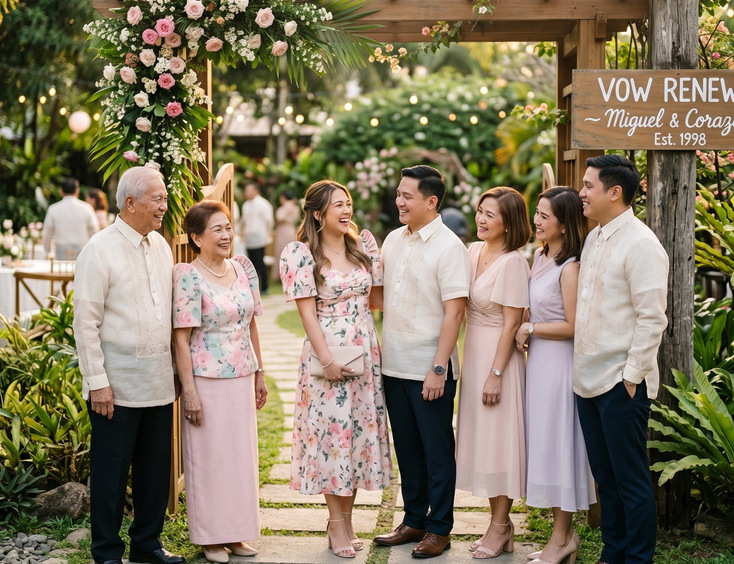
The invitation arrives. The dress code line reads "semi-formal" or "garden formal" or "Filipiniana attire encouraged." The recipient stares at the line, opens their closet, and realizes they have no clear sense of what any of it actually means for a vow renewal.
Filipino vow renewals occupy an unusual position on the formality spectrum. They are not weddings. They are not regular family parties. They sit somewhere between, with their own conventions that guests often have to figure out from context clues rather than clear guidance.
This guide helps guests navigate vow renewal attire in the Philippines. It covers what each dress code phrase typically means, what to wear by venue type and time of day, and what to avoid. The guide also addresses common questions about Filipiniana, color choices, and how to handle situations where the dress code is unclear.
Why Vow Renewal Dress Codes Confuse People
Wedding dress codes have decades of accumulated convention behind them. Black tie means a specific thing. White tie means another. Cocktail attire has a recognizable definition. Guests at weddings can search the dress code online and find consistent guidance.
Vow renewals do not have this established convention. The ceremonies range from elaborate hotel ballroom celebrations to intimate backyard gatherings. The dress code on the invitation might mean very different things depending on the venue, the milestone, and the family hosting.
The confusion goes both ways. Couples often write a dress code on the invitation without realizing how vague the language sounds to guests. Guests often guess at what the dress code means and either overdress or underdress for the actual ceremony.
The solution: read the dress code in the context of the venue, the time of day, and any other information the invitation provides. Then dress for the most likely interpretation, with awareness that erring slightly toward formal is safer than erring toward casual.
For couples planning the renewal and trying to communicate the dress code clearly to guests, the complete Filipino couple's guide to renewing your I do covers the broader planning context.
What Common Dress Code Phrases Actually Mean
Filipino vow renewal invitations typically use a handful of dress code phrases. Each one carries general expectations, though the specifics vary by family and venue.
Formal or Black Tie
The most formal option. For a vow renewal, this signals an evening ceremony at a hotel ballroom, an upscale venue, or a milestone anniversary like the silver or golden where the couple is treating the renewal as a major event.
For men, formal means a dark suit, a tuxedo, or a fully embroidered piña barong tagalog with formal slacks. Black, navy, or charcoal suits. A barong should be paired with dark or formal cream pants and dress shoes.
For women, formal means a long gown or an elegant evening dress. Cocktail-length dresses sometimes work depending on the specific venue, but floor-length or near-floor-length is the safer choice. Filipiniana counts as formal attire when appropriately styled.
Avoid colors that compete with the couple. White, ivory, or cream for the bride. Bright red or other attention-grabbing colors that might pull focus from the renewing couple.
Semi-Formal or Cocktail Attire
The most common dress code for Filipino vow renewals. Semi-formal sits between formal and casual, allowing guests significant flexibility while still calling for ceremony-appropriate dressing.
For men, semi-formal means a suit, a sport coat with dress pants, or a barong tagalog. The barong can be piña, jusi, or cocoon depending on the venue formality. Dress shoes. Tie optional but encouraged for indoor ceremonies.
For women, semi-formal means a cocktail dress, a midi dress, or a long dress. Formal pant suits also work. Modern Filipiniana in semi-formal cuts. Avoid extremely short hemlines or strapless cuts for daytime ceremonies.
The shoe choice matters. Heels for indoor or smooth-surface venues. Lower heels or block heels for garden venues. Avoid open-toe sandals for indoor formal settings unless the dress code specifically allows them.
Garden Formal or Garden Attire
A specific category for outdoor ceremonies in garden, lawn, or estate venues. The dress code accounts for the venue conditions, including grass surfaces, sunshine, and the more relaxed atmosphere of outdoor settings.
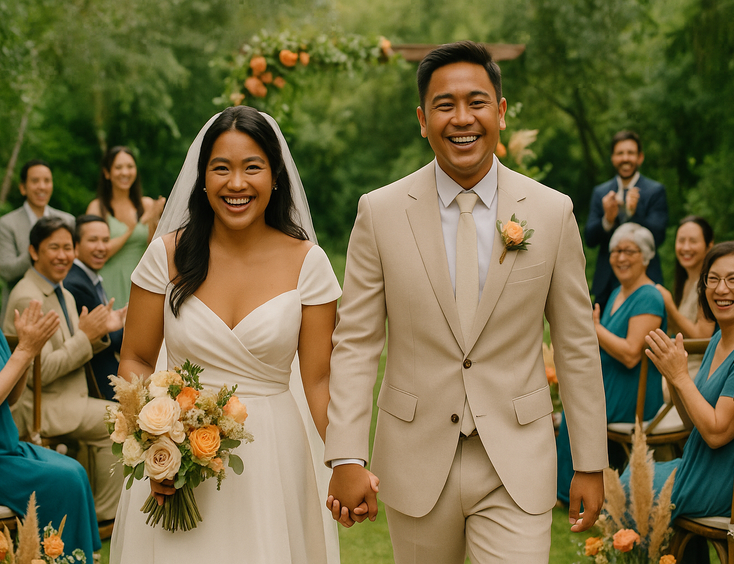
For men, garden formal means a lighter-weight suit, a jusi or cocoon barong tagalog, or dress pants with a long-sleeve button-down. Light colors like beige, cream, or soft gray work better than heavy dark suits in outdoor settings.
For women, garden formal means a midi or long dress in flowing fabrics. Floral patterns work. Pastels and softer colors suit the garden setting. Modern Filipiniana in lighter materials. Block heels, wedges, or low heels rather than stilettos that sink into grass.
Hats and fascinators are acceptable for daytime garden ceremonies. Bring a light shawl or wrap for the cooler hours after sunset.
Beach Formal or Beach Attire
Specific to ceremonies at beach venues like Boracay, Cebu, or Bohol. The dress code acknowledges the casual setting while still calling for attire that respects the ceremony.
For men, beach formal means a linen or cocoon barong tagalog, a guayabera-style shirt, or a light-colored button-down with linen pants. Sandals or dress sandals are acceptable. Avoid heavy suits.
For women, beach formal means a flowing maxi dress, a midi dress in lightweight fabric, or a sundress with elevated styling. Pastels, whites, soft florals, or tropical patterns. Wedges, low heels, or dress sandals. Avoid stilettos.
Bring sunscreen, sunglasses, and a wide-brim hat for outdoor beach ceremonies during the day.
For couples planning beach renewals specifically, the Boracay vow renewal guide and the romantic vow renewal spots in Cebu and Bohol cover venue-specific considerations that affect attire.
Casual or Smart Casual
The least formal option. Often used for intimate home renewals or backyard ceremonies. Casual does not mean t-shirts and shorts. The expectation is still elevated above everyday wear.
For men, casual means dress pants or smart chinos with a button-down shirt, a polo, or a simple barong. Loafers or smart casual shoes. Avoid sneakers, athletic wear, or t-shirts.
For women, casual means a sundress, a midi dress, a blouse with smart pants or a skirt. Modest dresses suit home ceremonies. Avoid jeans, athletic wear, or beach cover-ups.
When in doubt about casual dress codes, dress slightly above what feels casual to you. Hosts rarely complain about guests being slightly overdressed. They sometimes notice when guests are too underdressed for the ceremony's significance.
Filipiniana Attire Encouraged or Required
Some Filipino couples specifically request Filipiniana attire from guests. This is most common for milestone anniversaries, heritage venue ceremonies, and renewals that lean strongly into Filipino cultural tradition.
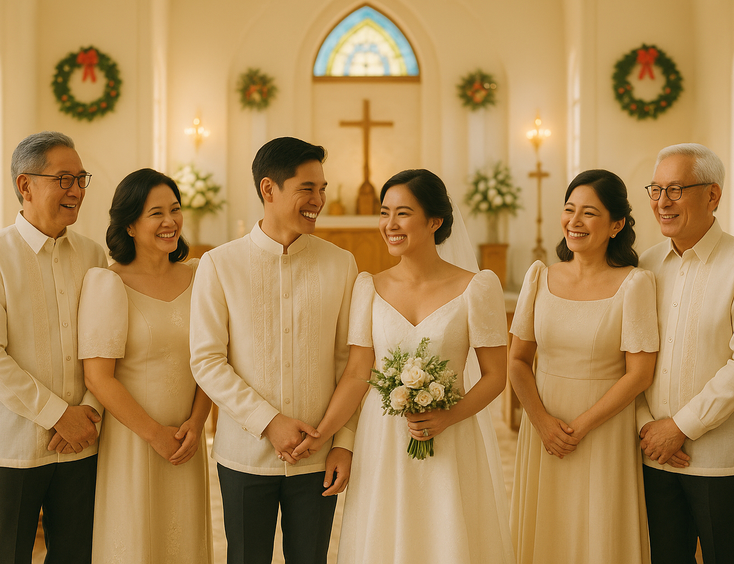
For men, Filipiniana means a barong tagalog. Piña or jusi for formal settings, cocoon for less formal. Pair with dress slacks in cream, black, or coordinating color.
For women, Filipiniana means a terno, baro't saya, or modern Filipiniana dress. The dress can be traditional or modern in styling. The defining element is the Filipino cultural reference, whether through butterfly sleeves, traditional embroidery, or modern interpretation of Filipino fabrics and patterns.
Guests who do not own Filipiniana can rent from established Filipiniana shops. Pricing typically runs PHP 1,500 to PHP 5,000 for a rental that includes the outfit, basic accessories, and sometimes a steamed press for the day.
For more on Filipiniana styling in renewals, the modern Filipiniana and Barong Tagalog ideas for vow renewal couples covers contemporary Filipiniana that influences guest attire choices.
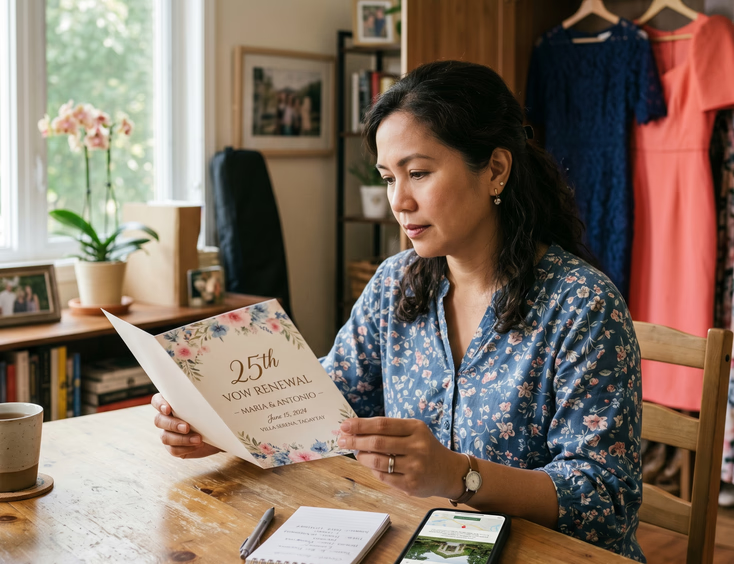
Reading the Invitation for Context Clues
When the dress code on the invitation is vague or absent, the rest of the invitation provides clues.
The venue. A hotel ballroom suggests formal or semi-formal. A garden estate suggests garden formal. A beach resort suggests beach formal. A family home suggests smart casual or semi-formal.
The time of day. Evening ceremonies typically call for more formal attire than daytime ceremonies. A 6 PM ceremony at a hotel implies more formality than a 10 AM ceremony at a garden.
The visual design of the invitation. Heavy formal invitations on thick cardstock with calligraphy suggest formal dress code. Modern minimalist invitations with simple typography suggest semi-formal or casual. Floral garden-themed invitations suggest garden formal.
The reception format. A sit-down dinner suggests more formal than a buffet. A cocktail reception suggests semi-formal cocktail attire. A salu salo at home suggests smart casual.
The anniversary milestone. Major milestones like the twenty-fifth, thirtieth, or fiftieth anniversaries often call for more formal attire than the tenth or fifteenth. The couple is more likely to treat a milestone as a major event.
If multiple clues point in the same direction, dress for that interpretation. If the clues conflict, default to semi-formal as the safest middle ground.
Color Choices for Guests
The color of the guest's outfit matters more than guests often realize. Some colors are inappropriate for vow renewals, while others work universally.
Colors to avoid:
White, ivory, or cream. These colors traditionally belong to the bride. Even at a vow renewal, where the bride may not wear white, guests should avoid wearing colors that could be mistaken for bridal attire in photographs.
Bright red. Red can be appropriate for some vow renewals, particularly fortieth anniversary (ruby) celebrations. But guests should check whether the couple is incorporating red into their own attire or theme before wearing bright red themselves. If the couple is wearing red, guests should avoid it.
Neon or fluorescent colors. These colors pull focus and photograph as distracting. They rarely suit any vow renewal regardless of dress code.
Black for daytime garden ceremonies. Black is not strictly forbidden, but heavy black at a daytime outdoor garden ceremony reads as out of place. If wearing black, consider lighter weight fabrics and pairing with lighter accessories.
Colors that work for most renewals:
Soft pastels. Blush, mint, soft blue, lavender, butter yellow. These colors photograph well, suit most venues, and avoid competing with the couple.
Jewel tones. Emerald, sapphire, ruby (if the couple is not using it), deep purple. These colors work for evening and indoor ceremonies. Use sparingly for daytime ceremonies.
Neutrals. Beige, taupe, gray, navy. Safe choices that work for most dress codes and venues.
Floral patterns. Garden ceremonies often welcome floral prints. Choose patterns with multiple colors that include something from the venue's likely color palette.
Anniversary milestone colors. If the couple is celebrating a specific milestone, choosing a color from that milestone's palette can be a thoughtful gesture. Silver for twenty-fifth. Pearl tones for thirtieth. Gold accents for fiftieth. Check first that the couple is comfortable with guests reflecting the milestone colors.
For couples wondering how to communicate color expectations to guests, the color palette guide for vow renewal ceremonies by anniversary year covers theme colors by milestone.
Outfit Considerations by Time of Day
The time of day affects what works for vow renewal attire.
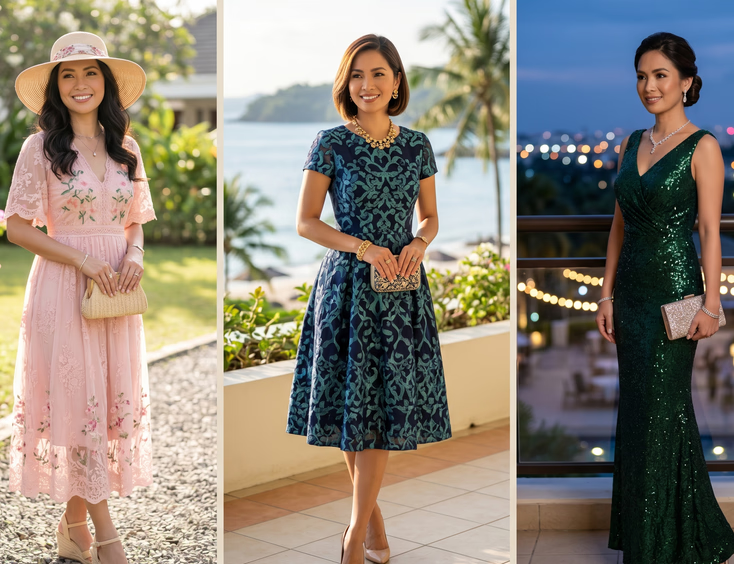
Morning ceremonies (8 AM to noon). Lighter colors, fresher styles, less heavy fabrics. Garden formal or semi-formal usually works. Daytime makeup and natural styling. Avoid heavy evening dresses or formal black-tie attire.
Afternoon ceremonies (noon to 4 PM). The most flexible time slot. Semi-formal works for almost any venue. Cocktail attire suits indoor ceremonies. Garden formal for outdoor settings.
Late afternoon ceremonies (4 PM to 6 PM). Transitions from daytime to evening. Slightly more formal than midday ceremonies. Cocktail attire and semi-formal both work.
Evening ceremonies (6 PM onward). Formal or semi-formal cocktail attire. Darker colors are more appropriate than at daytime ceremonies. Jewelry and accessories can be more dramatic.
What Children and Teens Should Wear
Children attending vow renewals follow age-appropriate versions of the adult dress code.
Younger children (under 10). Simple formal wear for boys, like dress pants with a button-down shirt or a small barong tagalog. Simple dresses or formal skirt-and-blouse combinations for girls. Avoid restrictive formal wear that prevents children from sitting comfortably through the ceremony.
Older children and teens (10 to 17). More adult versions of the dress code. Boys in barong tagalog or dress shirt with slacks. Girls in semi-formal dresses or modern Filipiniana for older teens. Skip provocatively styled adult fashion that does not suit the teen's age.
Parents should communicate the dress code expectations to children before the ceremony. Children who arrive in clothing that does not match the dress code often feel awkward, especially older children who notice the difference between their attire and what other guests are wearing.
Practical Considerations Beyond the Outfit
Several practical elements affect how comfortable a guest will be at a vow renewal beyond the basic outfit.
Shoes for the venue. Heels sink into grass at outdoor garden venues. Smooth-soled shoes slip on slippery floors at certain hotels. Sandals are uncomfortable on uneven surfaces. Match the shoe to the venue.
Wraps and shawls for temperature changes. Filipino ceremonies often move between air-conditioned indoor spaces and warmer outdoor settings. A light wrap or shawl allows the guest to adjust to different temperatures across the day.
Travel-friendly fabrics. Guests traveling significant distances to attend a destination renewal need outfits that survive luggage. Avoid heavily wrinkled fabrics or outfits that require ironing. Knit dresses, structured but flexible fabrics, and modern Filipiniana in lightweight materials all travel well.
Comfortable undergarments. The ceremony runs an hour or more. The reception runs several more. Uncomfortable undergarments become significant problems by the end of the night. Choose well-fitted, comfortable options.
Backup outfits. Some guests bring a backup outfit for spills or accidents at the reception. This is more common for destination renewals where the guest cannot return home to change.
When the Dress Code Is Unclear
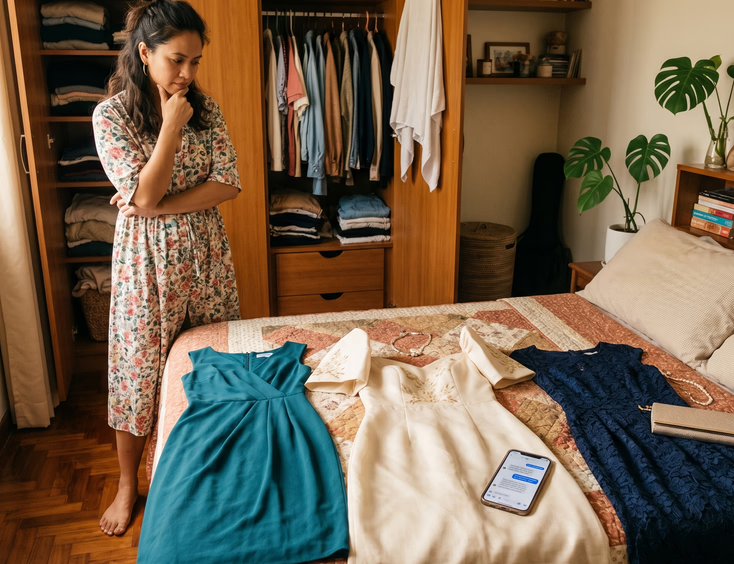
Sometimes the dress code on the invitation is vague, missing, or unclear. The guest needs to make a judgment call.
Ask the couple directly. The simplest solution. A brief message to the bride, groom, or close family member yields a clear answer. Most couples appreciate guests who care enough to ask.
Ask other invited guests. Family members or close friends attending the same renewal often have clearer information than the invitation provides. Family group chats sometimes settle these questions before the day.
Default to semi-formal cocktail attire. When no information is available and asking is not feasible, semi-formal cocktail attire works as the safest default for most Filipino vow renewals. Guests dressed semi-formally rarely feel out of place. Guests dressed too casually or too formally often do.
Plan a flexible base outfit. An outfit that can read as more or less formal depending on accessories. A semi-formal dress with simple accessories reads as cocktail attire. The same dress with a wrap, statement jewelry, and dressier shoes can read as formal. The flexibility lets guests adjust on arrival if the venue is more or less formal than expected.
Common Mistakes Guests Make
A few patterns show up regularly in vow renewal guest attire that miss the mark.
Wearing white, ivory, or cream. Even when the bride is not wearing white herself, white guest attire can read as competing with the bride in photographs. Avoid these colors.
Underdressing for the venue. A guest in casual jeans and sneakers at a hotel ballroom ceremony stands out in photographs and feels visibly uncomfortable. Dress for the venue.
Overdressing for casual ceremonies. A guest in formal black-tie at a backyard family ceremony also stands out. Match the formality to the venue.
Wearing competing or matching colors to the couple. If the bride wears blush, a guest in identical blush competes visually. Pick a different color from the same general palette.
Ignoring time-of-day conventions. A heavy formal evening dress at a morning garden ceremony reads as wrong even when the dress is beautiful. Match the outfit to the time.
Wearing distracting or attention-pulling elements. Sequins that catch every light. Bright neon colors. Statement headpieces that draw the eye away from the couple. The day belongs to the renewing couple. Guest attire should support, not compete.
Forgetting practical needs. Heels too high to walk in on grass. Fabrics too warm for the venue. Shoes too painful for a multi-hour ceremony. Practical considerations matter.
What to Wear If You Are in the Wedding Party
Some Filipino vow renewals include a formal wedding party of children, siblings, or close friends who participate in the ceremony itself. Wedding party members typically receive specific attire guidance from the couple.
If the couple has assigned roles like cord and veil sponsors, ring bearers, or readers, the attire usually coordinates with the couple's overall theme. The couple may specify colors, request Filipiniana attire, or provide specific dress styles for the wedding party.
For grandchildren or younger children with ceremony roles, the parents should coordinate with the couple about attire expectations before purchasing or sourcing the outfit.
The involving your children and family in your vow renewal ceremony covers family roles in vow renewals, which affects attire expectations for participating family members.
When in Doubt, Ask
The biggest lesson for vow renewal guests: when in doubt, ask. Couples generally appreciate guests who want to dress appropriately. Family members close to the couple usually have clearer answers than the invitation provides. A brief message yields useful information.
Most vow renewal hosts care more about who is present than what guests wear. But guests who arrive in attire that matches the ceremony help the day feel cohesive, photograph well, and signal respect for the milestone the couple is celebrating.
Dress thoughtfully. Match the venue and time of day. Avoid colors and styles that compete with the couple. Bring practical considerations like comfortable shoes and weather-appropriate fabrics. Then enjoy the ceremony.
For the broader celebration context, the vow renewal souvenirs and favors for Filipino guests covers what guests typically receive at the reception, completing the picture of the guest experience from invitation through the ceremony day.
The dress code is a small part of attending a vow renewal. The bigger part is showing up to witness a marriage being celebrated. The attire should help the guest do that with dignity, comfort, and respect for the couple. Get the outfit right, and the rest of the day takes care of itself.
Still Searching for a Right Match?
Find Your Perfect Wedding Supplier Today!
Discover trusted wedding suppliers across the Philippines in our complete directory. Compare services and connect with the ones that fit your dream celebration.
Browse Wedding SuppliersFeatured Blog Posts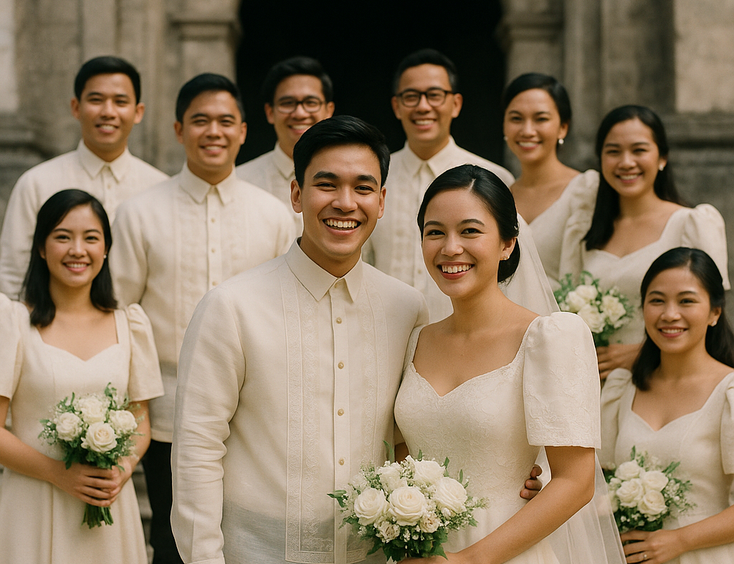

Filipino Wedding Entourage - Roles, Order of March, and Modern Etiquette
6 mins readCivil Weddings in the Philippines - Requirements, Costs, and Step-by-Step Process
9 mins readCivil Wedding Requirements in the Philippines - Complete Checklist
6 mins readCost of Wedding in the Philippines - 5 Essential Things You Need to Know
7 mins readPrincipal Sponsors (Ninong/Ninang) - How Many, How to Ask, What They Really Do
4 mins readVeil, Cord, Candle & Coins - Roles, Options, and When They Happen
4 mins readEntourage for a Traditional Pinoy Wedding - Complete Roles and Guide
6 mins readComplete List of Civil Wedding Requirements in the Philippines
8 mins readHow to Choose Wedding Ninongs and Ninangs - Ask Yourself These 3 Important Questions
5 mins read