


What Is a Cotillion de Honor and Why It Still Matters in Filipino Weddings
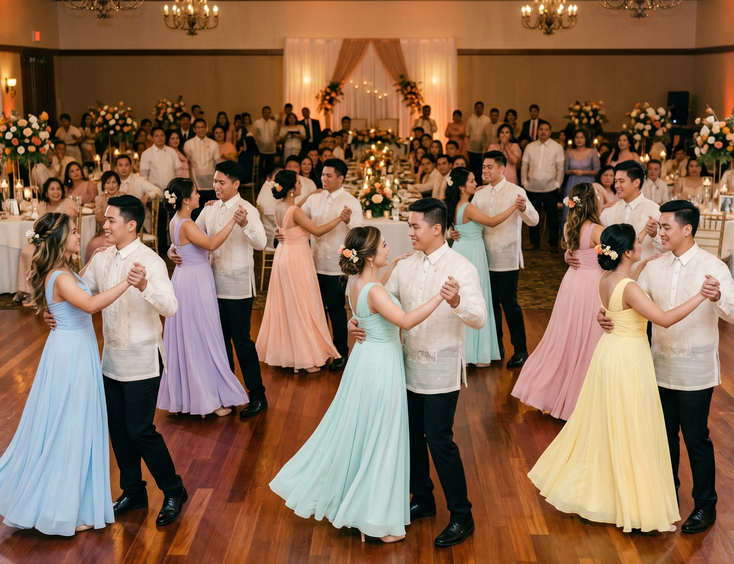
The cotillion de honor is a choreographed group dance performed by your wedding entourage during the reception. Nine female friends and nine male friends form the court, totaling eighteen dancers. They perform a rehearsed routine, often a waltz, while you and your partner watch from the main table.
Filipino couples have kept this tradition alive for generations. It traveled from European ballrooms to Filipino debuts and weddings, and it remains one of the most anticipated moments at a Filipino reception.
Where the Cotillion de Honor Came From
The cotillion originated in 18th-century France as a formal group dance performed in square formation at aristocratic balls. Four couples would execute choreographed patterns and figures, often closing out the evening. The dance spread across Europe and reached America by the 1770s.
Spanish colonial influence brought the cotillion to the Philippines. Filipino high society adopted the format for debuts, the coming-of-age celebration for young women turning eighteen. The cotillion de honor became the centerpiece of that celebration: eighteen of the debutante's closest friends performing a choreographed waltz to mark her passage into adulthood.
Over time, Filipino families carried the tradition from debuts into weddings. The structure stayed the same. Nine pairs dance a coordinated routine while the couple of honor watches. The context shifted from a young woman's introduction to society to a married couple's first celebration with their community.
How It Works at a Filipino Wedding
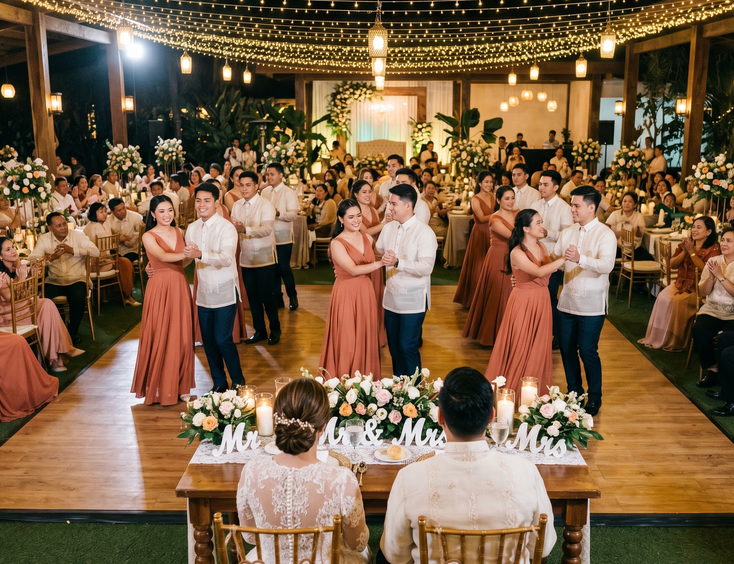
The cotillion de honor takes place during the reception, after the couple's first dance. Your entourage takes the floor in formation. A choreographer has rehearsed them over weeks or months, depending on the complexity of the routine.
The traditional version uses a waltz. Modern couples mix in Latin, hip-hop, or contemporary styles. Some keep the waltz for the opening bars, then shift into a surprise routine that gets the crowd on their feet.
The couple sits at the main table and watches. Your community dances around you. Older guests recognize the tradition. Younger guests enjoy the performance. The cotillion gives your entourage a moment to honor you through effort, coordination, and weeks of practice.
Why It Still Matters
It Puts Your Community on Display
Filipino weddings are communal events. Your guests witness your vows, your families share the cost, your friends fill the entourage. The cotillion makes that community visible. Your nine pairs rehearsed for months. They rearranged schedules, drove to practice sessions, and learned choreography. That commitment is the point.
It Connects Your Wedding to Filipino Tradition
The cotillion de honor links your reception to a lineage of Filipino celebrations. Your parents may have danced in a cotillion at a friend's debut or wedding. Your lola may have watched one at a provincial fiesta decades ago. Including it in your wedding tells your family you value where you came from.
The money dance serves a similar purpose. Both traditions invite participation from the people around you. Both turn spectators into performers. Together, they anchor your reception in Filipino culture.
It Creates a Shared Memory for Your Entourage
Your bridesmaids and groomsmen spend months helping you plan. The cotillion gives them something to do together. They rehearse, argue about formations, laugh at missed steps, and bond over the experience. Years later, they remember the dance. The cotillion becomes their story too.
How to Plan a Cotillion de Honor for Your Wedding
Pick Your Eighteen
Choose nine women and nine men from your entourage. They do not need dance experience. They need availability for rehearsals and willingness to commit. A reliable group that shows up to practice matters more than a group of skilled dancers who cancel sessions.
Hire a Choreographer Early
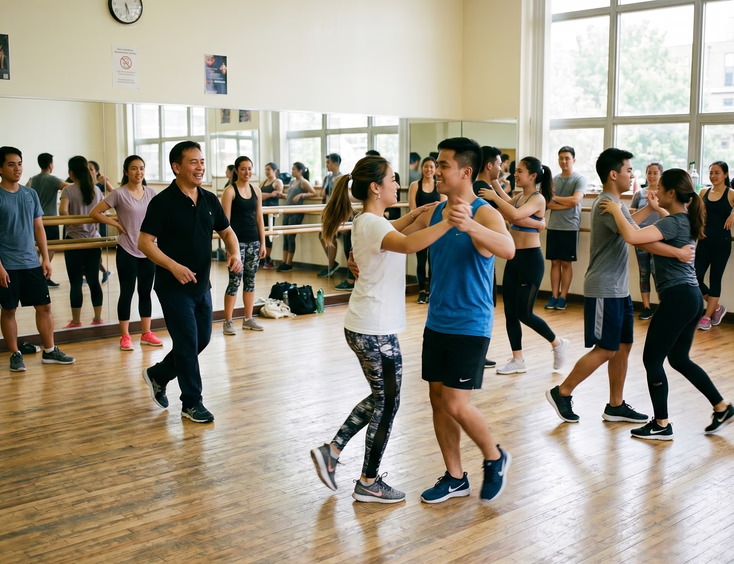
Cotillion routines are complex. They can take up to six months of rehearsals to polish. Your choreographer manages formations, teaches steps, and adjusts the routine based on your group's skill level. If your wedding falls during peak season (December through February), start looking for a wedding dance choreographer in the Philippines at least six months out.
Choose the Music
The traditional choice is a waltz. You can stay classic or blend styles. Some couples open with a waltz and transition into a modern track. Others pick a medley of OPM songs and international hits. Your choreographer can edit the music to match the routine's pacing and transitions.
Set a Rehearsal Schedule
Lock in a rehearsal schedule that works for all eighteen dancers. Most groups rehearse once a week, with more frequent sessions in the final month. Expect 8 to 12 group rehearsals for a polished performance. Your choreographer will distribute the schedule and track attendance.
Coordinate Attire
Your cotillion court wears matching formal attire. Women in gowns, men in barong Tagalog or suits. Choose fabrics that allow movement. Your choreographer can advise on hemlines and shoe types that work with the routine.
Modern Twists on the Cotillion de Honor
The waltz foundation persists, but Filipino couples have adapted the format.
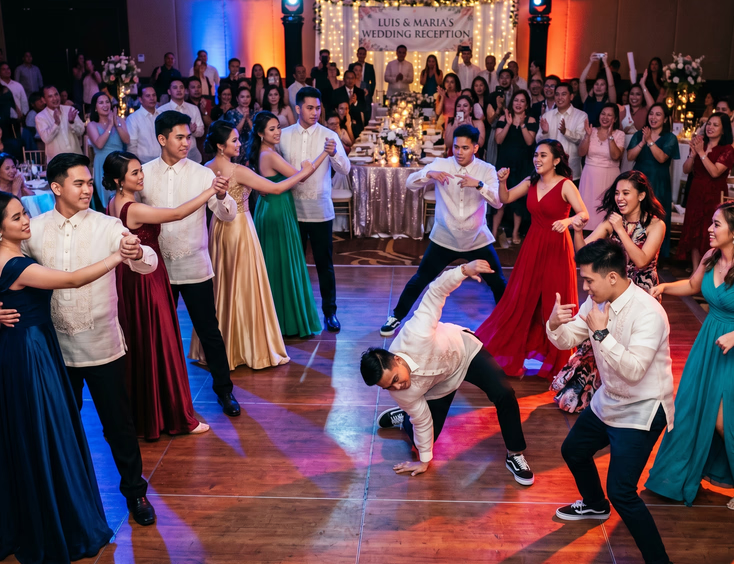
Style mashups. Start with a classic waltz, then break into a synchronized hip-hop or K-pop routine. The contrast gets a strong crowd reaction.
Themed routines. Match the choreography to your wedding theme. A vintage-themed wedding might use a swing or jazz number. A tropical beach wedding might incorporate a cha-cha.
Smaller courts. The traditional eighteen is not mandatory. Some couples use twelve or even six dancers. A smaller group means fewer scheduling conflicts and tighter choreography.
Couple participation. Some couples join the cotillion for the final sequence, closing the performance together instead of watching from the table.
Common Mistakes to Avoid
Starting rehearsals too late. Three months is tight for eighteen people with conflicting schedules. Start earlier than you think you need to.
Choosing dancers based on friendship alone. Your closest friend may not be able to commit to weekly rehearsals. Pick people who can show up consistently.
Skipping the choreographer. Self-choreographed cotillions look self-choreographed. A professional choreographer saves time, reduces stress, and produces a polished result.
Ignoring the venue layout. Your choreographer needs the floor dimensions and table layout of your reception venue. A routine designed for a hotel ballroom falls apart in a garden reception with uneven ground.
Make Your Cotillion de Honor Happen
The cotillion de honor gives your wedding reception a moment that belongs to your community. It honors Filipino tradition while leaving room for your personality. If you want yours done right, browse wedding dance choreographers in the Philippines and start building your routine.
Still Searching for a Right Match?
Find Your Perfect Wedding Supplier Today!
Discover trusted wedding suppliers across the Philippines in our complete directory. Compare services and connect with the ones that fit your dream celebration.
Browse Wedding SuppliersFeatured Blog Posts

Filipino Wedding Entourage - Roles, Order of March, and Modern Etiquette
6 mins readCivil Weddings in the Philippines - Requirements, Costs, and Step-by-Step Process
9 mins readCivil Wedding Requirements in the Philippines - Complete Checklist
6 mins readCost of Wedding in the Philippines - 5 Essential Things You Need to Know
7 mins readPrincipal Sponsors (Ninong/Ninang) - How Many, How to Ask, What They Really Do
4 mins readVeil, Cord, Candle & Coins - Roles, Options, and When They Happen
4 mins readEntourage for a Traditional Pinoy Wedding - Complete Roles and Guide
6 mins readComplete List of Civil Wedding Requirements in the Philippines
8 mins readHow to Choose Wedding Ninongs and Ninangs - Ask Yourself These 3 Important Questions
5 mins read