


The History and Meaning Behind the Filipino Wedding First Dance
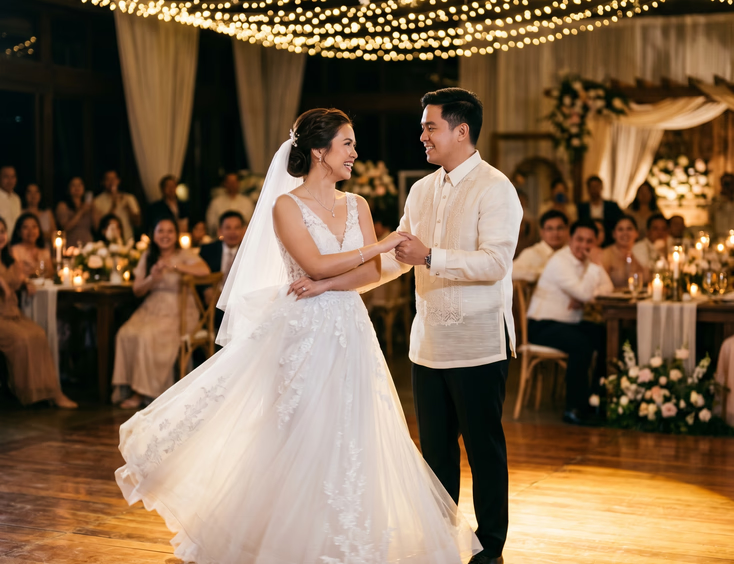
The first dance at a Filipino wedding is the moment you and your partner step onto the floor as a married couple. Your guests watch. The music starts. You move together for two or three minutes before the reception opens up. That moment carries more history than most couples realize.
Filipino couples inherited the first dance from Western ballroom traditions, filtered through centuries of Spanish and American colonial influence. The tradition absorbed Filipino values along the way. Today it reflects both where the custom came from and what Filipino couples have made it mean.
The European Roots of the Wedding First Dance
The wedding first dance traces back to European court culture in the 17th and 18th centuries. Aristocratic newlyweds opened their wedding feast with a formal dance, usually a waltz or minuet. The dance announced their union to the assembled court and signaled the start of the celebration.
The waltz dominated wedding ballrooms across Europe by the 1800s. Its close hold, where partners face each other with hands joined, was considered intimate for its time. Choosing the waltz for your wedding told your guests that you and your partner shared a bond close enough for public display.
As European traditions traveled through colonialism and immigration, the wedding first dance followed. It arrived in the Philippines through two distinct colonial channels.
How the First Dance Reached the Philippines
The Spanish Colonial Period (1565 to 1898)
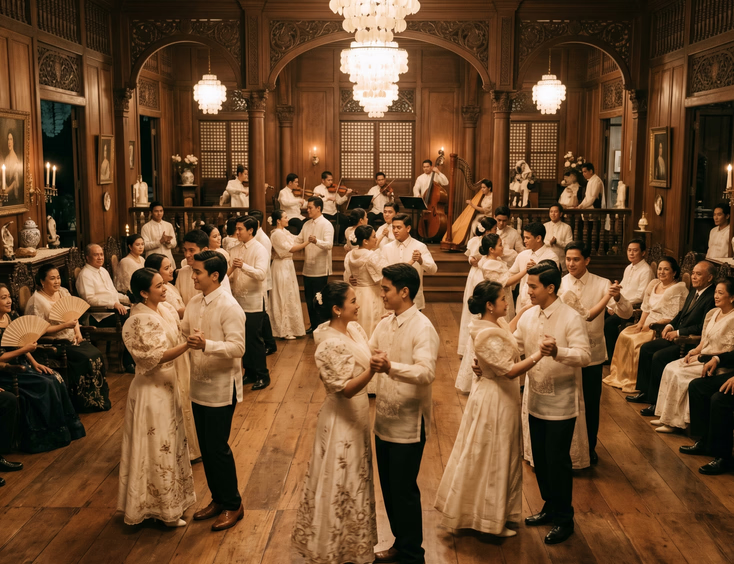
Spain brought formal dance traditions to the Philippines over three centuries of colonial rule. The rigodon de honor, a structured formation dance, became a fixture at Filipino social gatherings and government functions. Elite Filipino families adopted European ballroom customs for their own celebrations, including weddings.
The Spanish influence established the idea that a formal dance belonged at a significant celebration. Filipino families in the Ilustrado class hosted elaborate wedding feasts that mirrored Spanish customs, complete with orchestras and choreographed numbers.
The American Colonial Period (1898 to 1946)
American cultural influence reinforced the wedding first dance in the Philippines. Hollywood films of the 1930s and 1940s showed newlyweds dancing together at their receptions. Filipino audiences absorbed those images. The romantic first dance became a standard expectation at Filipino weddings, especially in urban areas.
American-era social clubs in Manila hosted dances where young Filipinos learned ballroom steps. Those skills carried over into wedding celebrations. By mid-century, the couple's first dance was a fixed part of the Filipino wedding reception program.
What the First Dance Means in Filipino Culture
The first dance accumulated layers of Filipino meaning over the decades. It kept its Western structure but took on local significance.
Public Declaration of Unity
Filipino weddings are communal events. Your families negotiate, contribute, and attend in large numbers. The first dance is the first thing you do together as a married couple in front of that community. You stand in the center of the room. Everyone watches. The dance tells your guests that you and your partner move as one unit now.
Respect for Family and Elders
At many Filipino receptions, the couple's first dance leads into parent dances. The father-daughter dance and mother-son dance follow. This sequence honors the family structure that shaped both partners. You dance with your spouse first, then with the parents who raised you. The order matters.
Transition from Ceremony to Celebration
Filipino wedding ceremonies are solemn. The church rites, the cord and veil sponsors, the coin ceremony. The first dance marks the shift from sacred ritual to communal celebration. Your guests move from witnessing vows to sharing a meal and a party. The first dance is the hinge between those two halves of the day.
How Filipino Couples Have Adapted the First Dance
Filipino couples have taken the inherited tradition and reshaped it across generations.
The Classic Waltz
Older Filipino couples and families with strong traditional values still choose the waltz. A slow, graceful waltz connects your first dance to the European and Spanish ballroom roots of the tradition. It reads as elegant and formal, which suits church weddings followed by hotel ballroom receptions.
The OPM Slow Dance
Many Filipino couples choose an Original Pilipino Music ballad for their first dance. Songs in Tagalog or Bisaya add a layer of cultural identity that a Western pop song cannot. Dancing to an OPM track tells your guests that your love story is rooted in Filipino experience.
If you are still deciding on a track, explore options for the best wedding first dance songs for Filipino couples.
The Surprise Choreographed Number
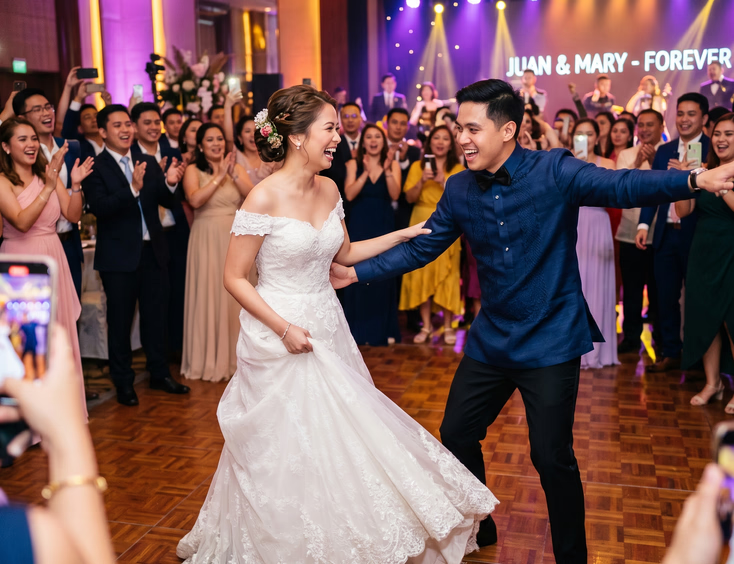
A growing trend among younger Filipino couples: start with a slow, romantic sway, then cut to an upbeat track and break into a choreographed routine. The surprise element gets a strong reaction from guests. These routines require weeks of rehearsal with a professional choreographer.
The Mashup
Some couples blend two or three songs and styles into a single first dance. A waltz opening flows into a cha-cha section and closes with a dip to a ballad. A choreographer edits the music and designs transitions between styles. The mashup lets you show different sides of your relationship in one performance.
The First Dance and Other Filipino Wedding Dance Traditions
The first dance does not stand alone at a Filipino reception. It connects to a sequence of dance traditions that structure the evening.
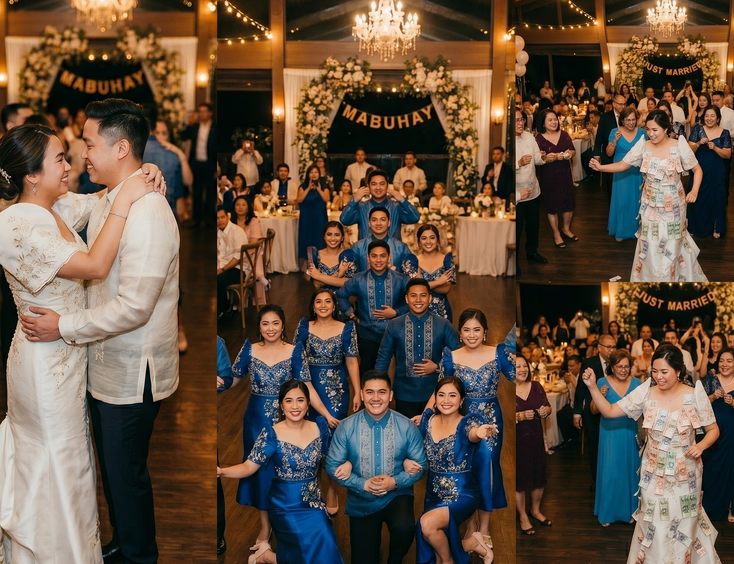
The cotillion de honor often follows the couple's first dance. Your entourage takes the floor and performs a choreographed group number. The cotillion extends the formal dancing segment and honors the friends who stood with you during the ceremony.
Later in the evening, guests join the money dance. This tradition shifts the energy from performance to participation. Guests pin money to your clothing and take turns dancing with you and your partner.
Together, these three traditions create a dance arc across the reception: the couple performs, the entourage performs, and the community joins in.
Planning Your First Dance
Start preparing your first dance 3 to 4 months before the wedding. A choreographer can build a routine that matches your skill level, your song, and your venue's floor space.
You do not need dance experience. A good choreographer teaches you posture, timing, and a handful of moves that look polished on camera. Five to eight sessions are enough for most couples.
Your song choice shapes the entire routine. Pick the song first, then bring it to your choreographer. They will identify the musical cues, build transitions around the song's structure, and edit the track if it runs too long.
If your wedding falls during peak months (December through February), book early. Hiring a wedding dance choreographer in the Philippines gets competitive during peak season, and experienced choreographers fill their schedules months in advance.
Make Your First Dance Count
Your first dance carries a tradition shaped by European ballrooms, Spanish colonial gatherings, Hollywood romance, and Filipino family values. It belongs to all of that history and to you. Browse wedding dance choreographers in the Philippines and start building a first dance that fits your story.
Still Searching for a Right Match?
Find Your Perfect Wedding Supplier Today!
Discover trusted wedding suppliers across the Philippines in our complete directory. Compare services and connect with the ones that fit your dream celebration.
Browse Wedding SuppliersFeatured Blog Posts

Filipino Wedding Entourage - Roles, Order of March, and Modern Etiquette
6 mins readCivil Weddings in the Philippines - Requirements, Costs, and Step-by-Step Process
9 mins readCivil Wedding Requirements in the Philippines - Complete Checklist
6 mins readCost of Wedding in the Philippines - 5 Essential Things You Need to Know
7 mins readPrincipal Sponsors (Ninong/Ninang) - How Many, How to Ask, What They Really Do
4 mins readVeil, Cord, Candle & Coins - Roles, Options, and When They Happen
4 mins readEntourage for a Traditional Pinoy Wedding - Complete Roles and Guide
6 mins readComplete List of Civil Wedding Requirements in the Philippines
8 mins readHow to Choose Wedding Ninongs and Ninangs - Ask Yourself These 3 Important Questions
5 mins read