


Hiring a Wedding Dance Choreographer in the Philippines
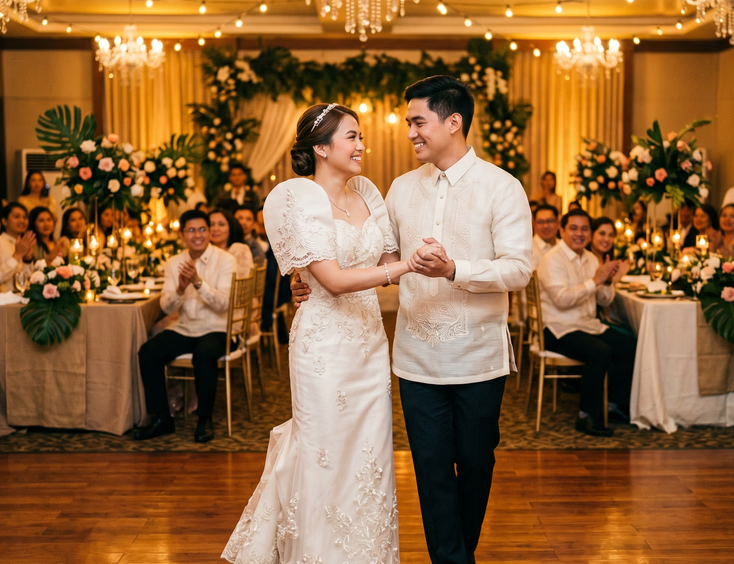
Filipino couples dance at weddings. They dance the first dance as newlyweds, the cotillion de honor with their entourage, and the money dance with their guests. Each of these moments carries weight, both cultural and personal. A wedding dance choreographer helps you prepare for all of them.
This guide covers what a wedding dance choreographer does, which dances they can help you with, how to choose the right one, and what to expect from the process.
What a Wedding Dance Choreographer Does
A wedding dance choreographer builds routines around you and your partner. They assess your comfort level, match movements to your chosen song, and run rehearsals until the routine feels natural.
Most choreographers in the Philippines offer packages that cover the couple's first dance, the entourage cotillion, and group numbers. Some also coordinate the money dance at Filipino weddings, helping you plan the flow so the tradition stays fun without dragging.
Established wedding choreography companies in Metro Manila have spent over a decade in the wedding industry, specializing in first dance routines that help couples look confident and polished on the floor.
A good choreographer does more than teach steps. They read the room. They know when to simplify a sequence because your groomsman has two left feet. They know when to add flair because your maid of honor danced in college.
The Dances You Need to Prepare For
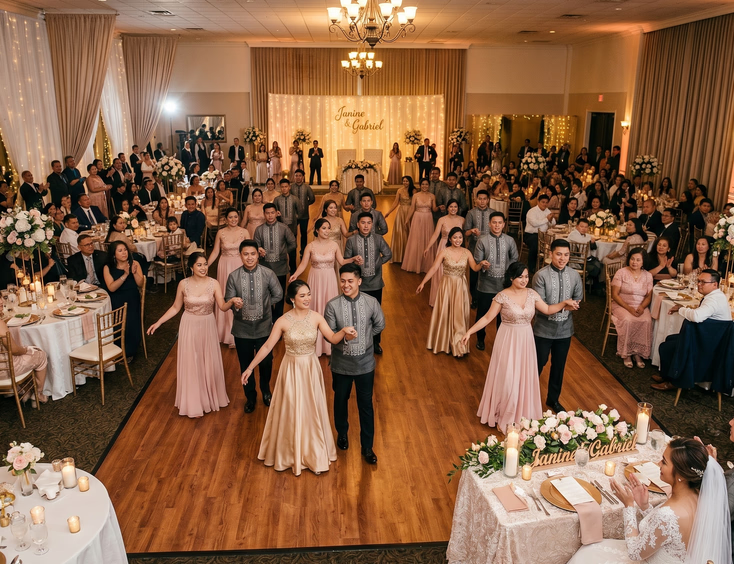
Filipino wedding receptions include several choreographed moments. You and your choreographer will likely work on some or all of these.
The First Dance
Your first dance as a married couple sets the tone for the reception. Choreographers teach styles ranging from ballroom and Latin/salsa to contemporary, hip-hop, and cultural dance forms. You pick the style that fits you. Some couples want a classic waltz. Others want a surprise hip-hop break halfway through.
The history and meaning behind the Filipino wedding first dance runs deeper than you might expect. Understanding the tradition helps you decide how formal or playful you want your routine to be.
The Cotillion de Honor
The cotillion de honor is a traditional part of Filipino celebrations where several couples perform a choreographed waltz, made up of the couple's male and female friends. These traditional dances are complicated and can take up to six months to perfect.
Your choreographer manages the full entourage rehearsal schedule, teaches formations, and adjusts the routine based on your group's skill level. If you want to understand why this tradition endures, read about what a cotillion de honor is and why it still matters in Filipino weddings.
The Money Dance
The money dance is a feature of Filipino weddings where men line up in front of the bride and pin money to her dress or veil, then dance with her. The same sequence occurs with the groom, as women line up and pin money to his clothing.
Some choreographers help you plan the flow, coordinate with your DJ or emcee, and stage the transitions so you spend time with each guest without losing energy on the dance floor.
The Father-Daughter and Mother-Son Dances
These tend to be shorter and less choreographed. A choreographer can teach a simple routine for parents who feel nervous about dancing in front of 200 guests. Two or three sessions are enough.
How to Choose a Wedding Dance Choreographer
Check Their Specialization
Wedding choreography requires different skills than commercial or competition dance. Look for someone who has worked with non-dancers. Ask to see videos of past wedding routines, not stage performances.
Watch for Teaching Style
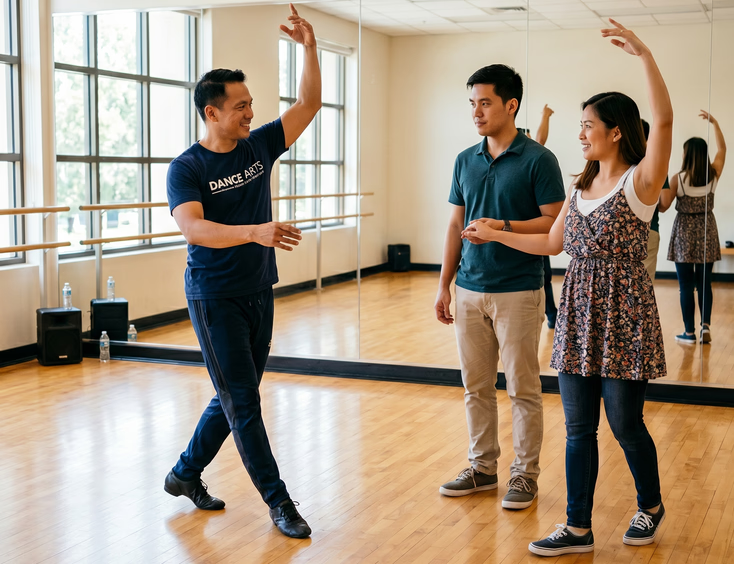
Schedule a trial session before committing. You need a choreographer who adapts to your skill level, not someone who runs you through a pre-built routine regardless of your ability.
Ask About Package Inclusions
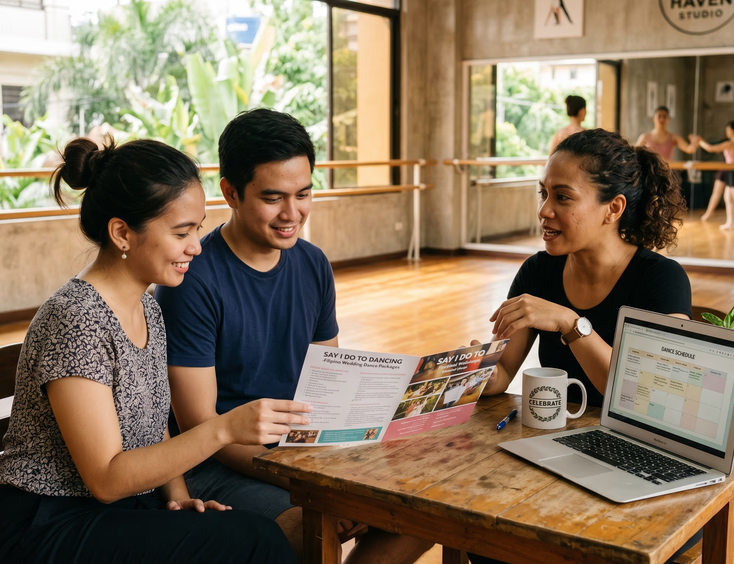
Most Filipino wedding dance choreographers offer tiered packages. A basic package covers the couple's first dance. A full package includes the cotillion, group dances, and coordination with your events team on the day.
Dance instructors charge by the hour for lessons, but couples can book a block of lessons over several weeks or months to save money. Ask whether the package includes music editing, because a well-cut track makes or breaks your routine.
Confirm Availability for Your Date
Traditional Filipino wedding dances can take up to six months to perfect. If your wedding falls during peak season (December through February), book your wedding dance choreographer as far in advance as possible. Choreographers with strong reputations fill their calendars fast.
What to Expect During Rehearsals
The First Session
Your choreographer will assess your rhythm, posture, and comfort with your partner. They will ask about your song choice. If you have not picked one yet, check out ideas for the best wedding first dance songs for Filipino couples.
Expect to learn the basic framework of your routine in the first session. No one expects you to nail it on day one.
The Middle Sessions
These are where the work happens. Your choreographer polishes transitions, builds muscle memory, and adjusts timing. If you are preparing a cotillion, your entourage joins these sessions.
Rehearsals for a cotillion de honor involve coordinating formations across multiple pairs. Your choreographer will handle spacing, timing, and the group's sync. Expect at least 8 to 12 group rehearsals for a polished cotillion.
The Final Session
Your choreographer runs the full routine with music, costume considerations, and floor dimensions that match your venue. Some choreographers attend the reception to manage last-minute spacing or timing adjustments.
How Much Wedding Dance Choreography Costs in the Philippines
Pricing depends on the number of dances, the size of your entourage, and the choreographer's experience.
A couple-only first dance package with 5 to 8 sessions ranges from PHP 8,000 to PHP 20,000 in Metro Manila. Full packages that include cotillion choreography for 9 to 18 pairs run higher, often between PHP 25,000 and PHP 60,000 depending on the number of rehearsals and the choreographer's profile.
Factors that influence the price include location, competition among instructors in the area, and the instructor's level of experience.
Provincial choreographers tend to charge less than Metro Manila-based ones. If your wedding is in Cebu, Davao, or Pampanga, look for choreographers based in those areas to save on travel fees.
Red Flags to Watch For
No trial session offered. A choreographer who refuses a trial session may not be confident in their teaching ability.
One routine fits all. If they show you the same routine they gave the last couple, move on. Your first dance should reflect your personality and song choice.
No references or videos. Ask for at least three client references or video clips of past wedding performances. Reputable choreographers document their work.
Unclear cancellation terms. Wedding dates shift. Your contract should spell out rescheduling and refund policies.
When to Start Looking
Start researching choreographers 6 to 8 months before your wedding if you need a cotillion. For a couple-only first dance, 3 to 4 months gives you enough time to learn and rehearse a 3-minute routine.
Peak wedding months in the Philippines (December, January, February) drive demand. Couples getting married during those months should add an extra month of lead time.
Find a Wedding Dance Choreographer
You have the plan. Now you need the right person to execute it. Browse wedding dance choreographers in the Philippines and compare packages, portfolios, and availability for your wedding date.
Still Searching for a Right Match?
Find Your Perfect Wedding Supplier Today!
Discover trusted wedding suppliers across the Philippines in our complete directory. Compare services and connect with the ones that fit your dream celebration.
Browse Wedding SuppliersFeatured Blog Posts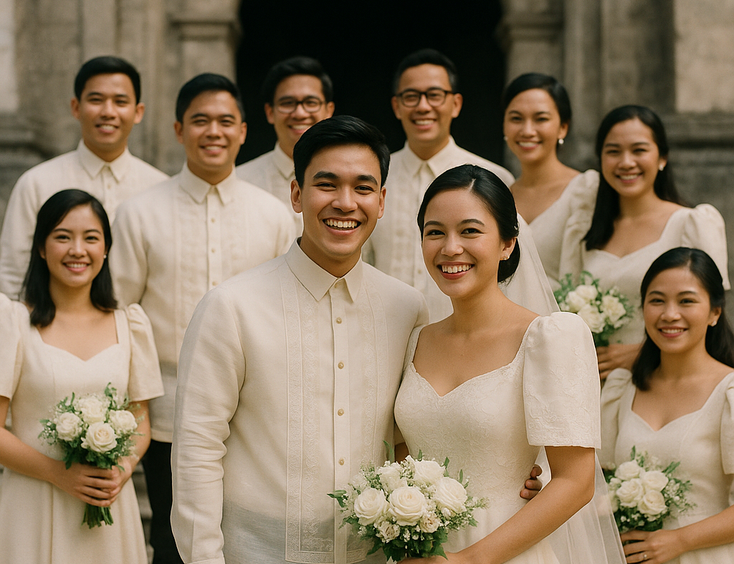

Filipino Wedding Entourage - Roles, Order of March, and Modern Etiquette
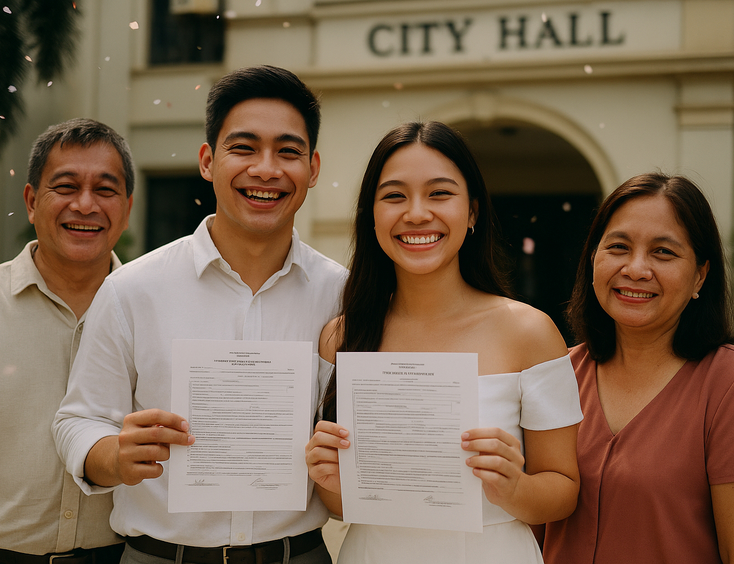
6 mins readCivil Weddings in the Philippines - Requirements, Costs, and Step-by-Step Process
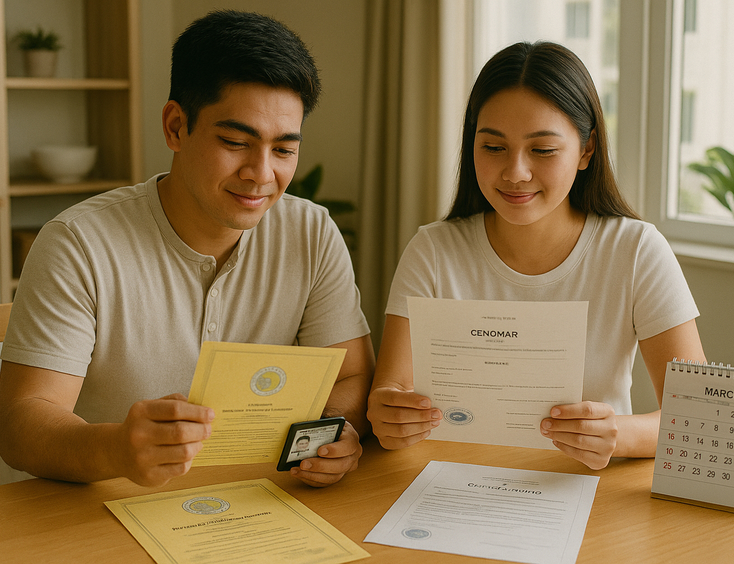
9 mins readCivil Wedding Requirements in the Philippines - Complete Checklist
6 mins readCost of Wedding in the Philippines - 5 Essential Things You Need to Know
7 mins readPrincipal Sponsors (Ninong/Ninang) - How Many, How to Ask, What They Really Do
4 mins readVeil, Cord, Candle & Coins - Roles, Options, and When They Happen
4 mins readEntourage for a Traditional Pinoy Wedding - Complete Roles and Guide
6 mins readComplete List of Civil Wedding Requirements in the Philippines
8 mins readHow to Choose Wedding Ninongs and Ninangs - Ask Yourself These 3 Important Questions
5 mins read