


What Does a Wedding Event Stylist Actually Do in the Philippines?
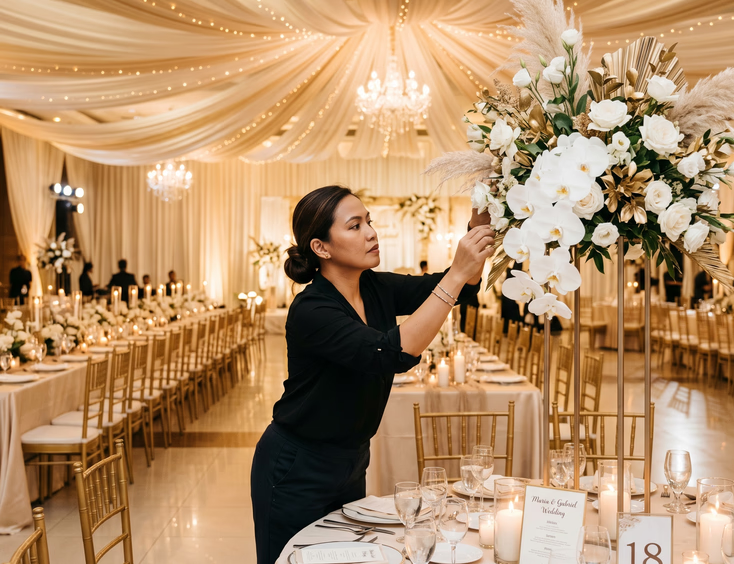
You found your venue. You picked your color palette. Now you need someone to turn that Pinterest board into a real, physical space that 200 guests will walk into. That person is your wedding event stylist.
But the role goes far beyond placing centerpieces on tables. In the Philippines, a wedding event stylist manages the entire visual identity of your celebration, from ceremony to reception, across multiple venues, through hours of setup, and under conditions that test even seasoned professionals.
The Wedding Event Stylist's Role, Defined
A wedding event stylist designs and executes the overall look of your wedding. The job covers spatial layout, color coordination, furniture selection, lighting design, fabric draping, prop sourcing, and floral direction.
Some stylists also handle the floral arrangements in-house. Others work alongside a separate florist and focus on the broader design. Both setups are common in the Philippine wedding industry. The distinction matters when you compare packages and pricing. If you are still deciding whether to book one supplier or two, our guide on hiring a wedding florist and event stylist in the Philippines walks through the tradeoffs.
What a Stylist Does Before Your Wedding Day
Initial Consultation
Your stylist meets with you to understand your vision, preferences, and budget. You discuss themes, color palettes, guest count, venue details, and any cultural or religious elements that need visual treatment. A good stylist asks questions about your ceremony traditions early, because elements like the cord, veil, candle, and coin sponsors all require styled setups.
Site Visit
Your stylist visits the ceremony and reception venues to assess the space. They measure dimensions, note architectural details, check lighting conditions, identify load-in access points, and evaluate restrictions (some churches limit décor placement, and many venues have corkage policies on outside suppliers).
Concept Development and Moodboard
After the site visit, your stylist builds a design concept. This includes a moodboard with visual references, a color palette breakdown, fabric and material samples, and preliminary prop selections. You review and refine this together until the direction is locked.
Floor Plan and Layout Design
Your stylist creates a detailed floor plan covering table placement, stage positioning, entrance flow, photo areas, buffet stations, and guest seating. The layout accounts for foot traffic, line of sight to the stage, and spacing between tables. For Filipino weddings with 300 to 500 guests, this planning stage prevents bottlenecks during the reception.
Vendor Coordination
Your stylist coordinates with other suppliers to make sure the visual elements align. They communicate with your florist (if separate), lighting technician, furniture rental company, and sometimes your photographer to confirm backdrop placement and lighting angles. They also coordinate with the venue's in-house team on load-in schedules and electrical requirements.
What a Stylist Does on Your Wedding Day
Setup
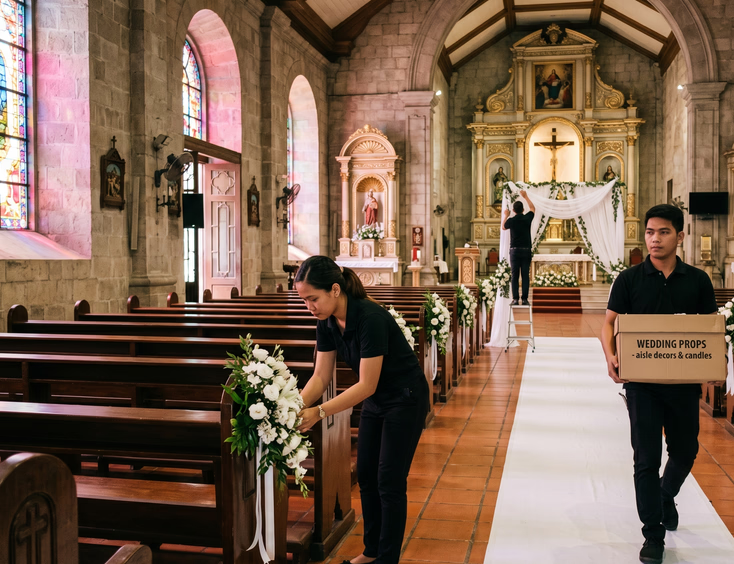
Setup is the most labor-intensive part of the job. Your stylist and their crew arrive at the venue hours before the event. For large weddings, setup can start the night before or at dawn. They install draping, position furniture, arrange centerpieces, build the stage backdrop, hang lighting fixtures, set up the entrance tunnel or arch, and style the ceremonial table for the cord, veil, and candle rituals.
Real-Time Adjustments
Venues look different in practice than on paper. Wind affects outdoor setups. Lighting shifts as the sun moves. A rain contingency might force your stylist to relocate an entire garden ceremony under a covered area within an hour. Your stylist makes these calls on the fly, without disrupting the timeline your coordinator has set.
Ceremony-to-Reception Transition
Many Filipino weddings hold the ceremony and reception at separate venues. Your stylist manages two complete setups. Even when both happen at the same location, the ceremony space often needs to be cleared and restyled for cocktails or the reception. Your stylist coordinates this transition while you take photos.
Teardown
After the reception ends, the crew dismantles the setup. They pack rented furniture, remove draping, collect props, and clean the space to meet the venue's turnover requirements. Teardown can run past midnight for evening weddings.
Skills That Separate a Stylist from a Decorator
The difference between a decorator and a stylist comes down to scope and creative ownership.
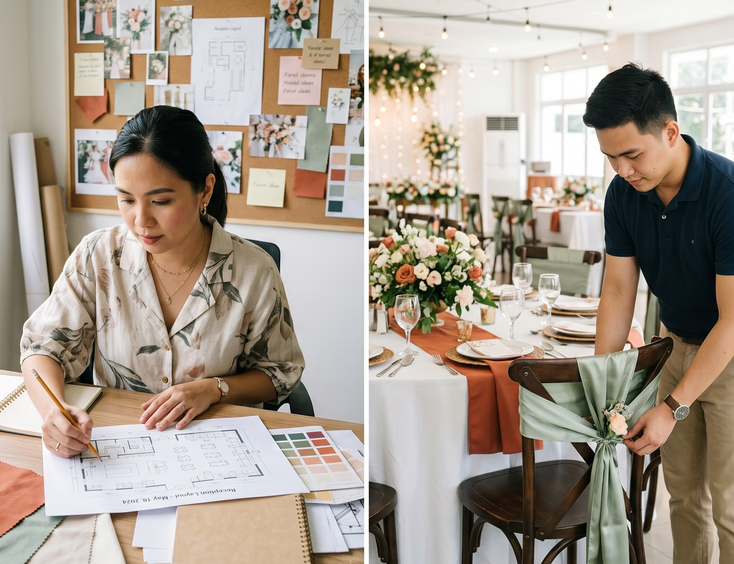
A decorator follows a design plan someone else created. A stylist creates that plan. Your stylist handles concept development, spatial design, vendor coordination, material sourcing, and on-site creative direction. A decorator arranges items within a pre-set framework.
In the Philippine market, many suppliers use both titles interchangeably. Ask the right question during your consultation: "Do you develop the creative concept, or do I need to provide that?" The answer tells you whether you are hiring a stylist or a decorator.
Why the Philippine Context Adds Complexity
Filipino weddings carry cultural and logistical layers that stylists in other markets rarely face.
Multiple Ritual Elements
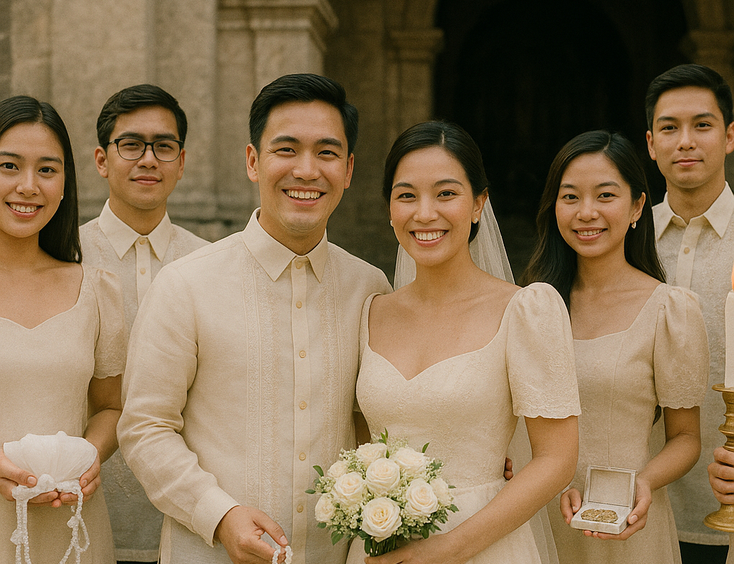
The cord ceremony, veil ceremony, candle lighting, and coin ceremony each need their own styled setup. Your stylist designs holders, trays, cushions, and floral accents for each ritual, and positions them so sponsors can access them during the ceremony without disrupting the visual frame.
Large Entourages
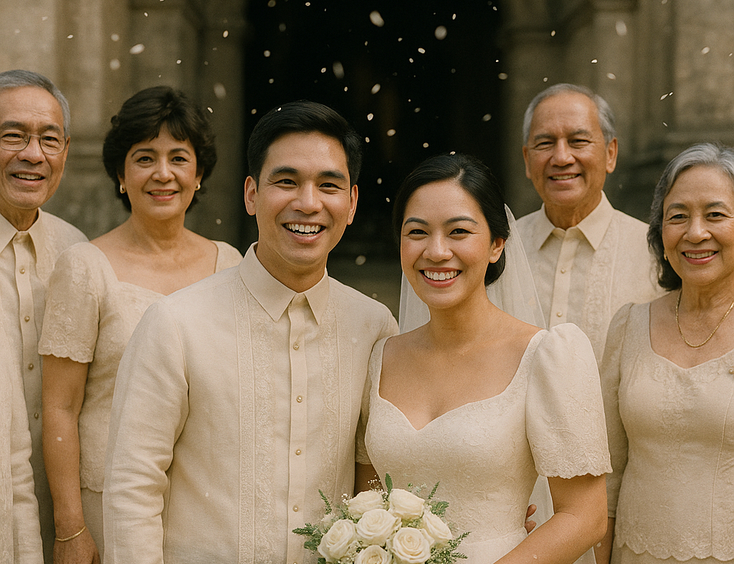
A Filipino wedding entourage can include 20 to 40 people: principal sponsors (ninangs and ninongs), secondary sponsors, groomsmen, bridesmaids, flower girls, ring bearers, bible bearers, and coin bearers. Your stylist accounts for entourage seating, bouquets, boutonnieres, and corsages for each member.
Multi-Venue Logistics
Church ceremony followed by a hotel reception. Garden rites followed by a restaurant dinner. Beach vows followed by a resort ballroom party. Your stylist manages each location as a separate design project with shared visual identity.
Weather Unpredictability
Outdoor weddings in the Philippines face sudden rain, high humidity, and tropical heat. Your stylist plans for contingencies: backup indoor setups, weatherproof materials, flower varieties that hold up in heat, and draping that can withstand wind.
For a closer look at the cultural demands shaping this work, read why Filipino weddings demand more from their event stylists.
Questions to Ask a Stylist During Your First Meeting
- Do you handle the creative concept, or do you work from a design I provide?
- Will you visit both my ceremony and reception venues before finalizing the design?
- Do your packages include floral arrangements, or do I need a separate florist?
- How many crew members will be on-site during setup and teardown?
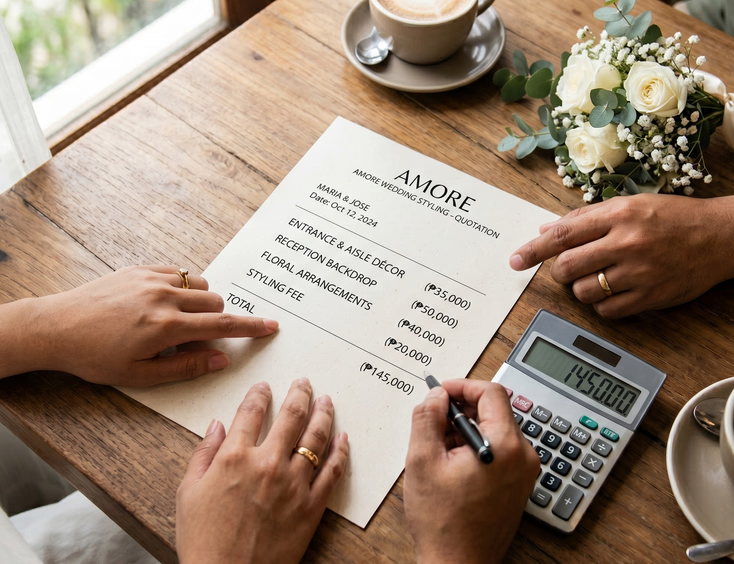
- Can you share a full itemized breakdown of what is included in the package?
- Do you charge additional fees for out-of-town weddings, overtime, or crew meals?
- Can I see photos from weddings you styled at my venue or a similar one?
These questions help you evaluate whether a stylist's process and scope match your needs. The answers also reveal how organized and transparent the supplier is before you commit.
How Much Does a Wedding Event Stylist Cost?
Pricing depends on venue size, guest count, theme complexity, and flower selection. Simple setups start around ₱50,000. Mid-range packages with full ceremony and reception styling run ₱100,000 to ₱200,000. Premium stylists with extensive portfolios and imported flowers charge ₱150,000 to ₱700,000 or more.
Your flower choices have the largest impact on the final price. Locally grown blooms from Baguio cost 30 to 50% less than imported varieties. Choosing seasonal flowers that match your wedding date is one of the most effective ways to control costs without sacrificing quality.
Matching Your Stylist to Your Theme
Your stylist's portfolio should reflect experience with your chosen theme. Rustic garden, minimalist-modern, Filipiniana, classic romantic, and bohemian are among the most requested wedding themes by Filipino couples. Each one requires different materials, spatial layouts, and floral palettes.
Ask to see work samples that match your direction. A stylist with a portfolio full of grand ballroom setups may not be the right fit for an intimate garden dinner, and vice versa.
Find the Right Stylist for Your Wedding
Your event stylist shapes the first impression your guests get when they walk into the venue. Start your search early, compare portfolios, and ask the hard questions before signing a contract. Browse our directory of wedding florists and event stylists in the Philippines to compare verified suppliers, read client reviews, and request quotes.
Still Searching for a Right Match?
Find Your Perfect Wedding Supplier Today!
Discover trusted wedding suppliers across the Philippines in our complete directory. Compare services and connect with the ones that fit your dream celebration.
Browse Wedding SuppliersFeatured Blog Posts

Filipino Wedding Entourage - Roles, Order of March, and Modern Etiquette
6 mins readCivil Weddings in the Philippines - Requirements, Costs, and Step-by-Step Process
9 mins readCivil Wedding Requirements in the Philippines - Complete Checklist
6 mins readCost of Wedding in the Philippines - 5 Essential Things You Need to Know
7 mins readPrincipal Sponsors (Ninong/Ninang) - How Many, How to Ask, What They Really Do
4 mins readVeil, Cord, Candle & Coins - Roles, Options, and When They Happen
4 mins readEntourage for a Traditional Pinoy Wedding - Complete Roles and Guide
6 mins readComplete List of Civil Wedding Requirements in the Philippines
8 mins readHow to Choose Wedding Ninongs and Ninangs - Ask Yourself These 3 Important Questions
5 mins read