


Hiring a Wedding Florist and Event Stylist in the Philippines
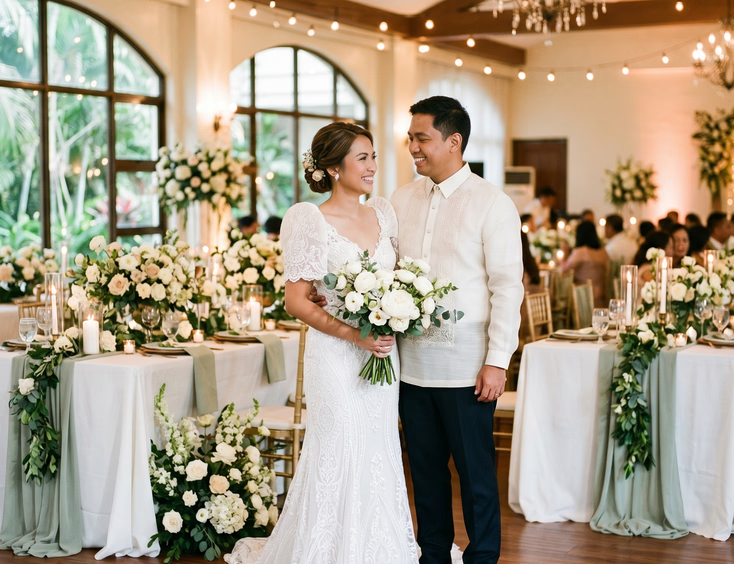
Filipino couples spend months choosing a venue, a photographer, a caterer. The florist and event stylist? Those decisions tend to get pushed to the last few weeks, right when peak-season availability disappears and prices climb.
This guide covers the full process of finding, evaluating, and booking a wedding florist and event stylist in the Philippines. You will learn how these two roles differ, what to expect on cost, how Filipino wedding traditions shape the work, and what red flags to watch for before you sign a contract.
Florist and Event Stylist: Two Different Jobs
Many couples treat "florist" and "event stylist" as interchangeable titles. They are separate roles with separate skill sets.
A wedding florist specializes in selecting, arranging, and designing flowers for bouquets, boutonnieres, corsages, centerpieces, and other floral decorations. Your florist knows what blooms are in season, which stems hold up in Philippine humidity, and how to build arrangements that match a color palette.
A wedding stylist focuses on the overall aesthetic and design elements of your wedding. The role covers décor, lighting, linens, furniture, and other design elements to create a cohesive look and feel. A stylist designs a personalized theme and color palette, does a site visit, makes a detailed floor plan, sources props and decorations, and commissions vendors such as florists, furniture rentals, lighting, and stationery.
Some Philippine suppliers offer both services under one roof. Others focus on one specialty. Knowing the distinction helps you decide whether to book one vendor or two. If you want to understand the stylist's role in more depth, read our guide on what a wedding event stylist does in the Philippines.
Why Filipino Weddings Add Layers of Complexity
A Filipino wedding is not a single-venue, single-program event. You will see secondary sponsors who handle specific parts of the ritual, such as the candle, veil, and cord. The sheer number of people in the entourage reflects the community-centric nature of the culture.
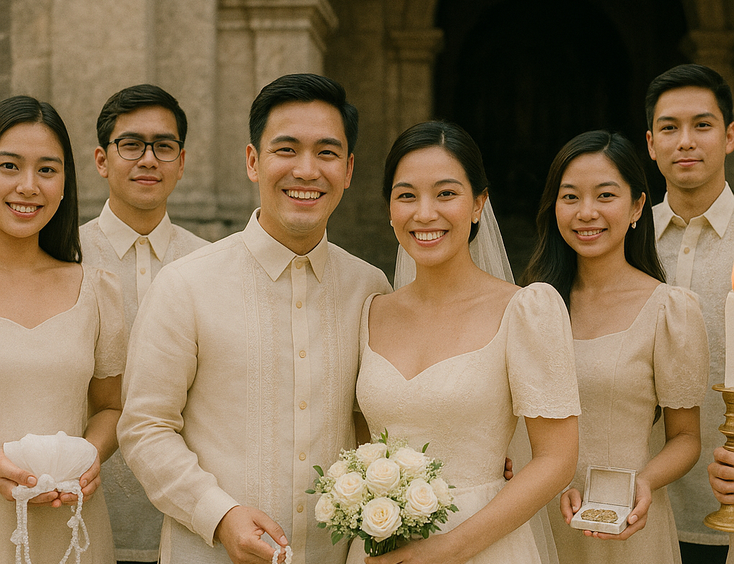
In a traditional Filipino wedding ceremony, a veil is placed over the couple to symbolize unity. Sponsors clothe the couple as one, placing the veil on the groom's shoulders and the bride's head. For the tying of the nuptial cord (the Yugal), two sponsors place a silk lasso or flower strands over the couple's heads. The cord is a looped rope, often made of silk, flowers, or oversized rosary beads, placed over the couple's heads in the shape of a figure-eight.
The coin ceremony represents the couple's sharing of worldly goods. Sponsors present the wedding officiator with 13 coins (the Arrhae), which represent Jesus Christ and his 12 apostles.
Each of these ritual elements creates styling work. The cord might be a floral garland your florist needs to build. The ceremony setup needs candle holders, kneeling cushions, and decorative elements that match the reception. Your stylist coordinates these details across two or more venues while managing a guest count that can reach 300 to 500 people.
Filipino couples demand more from their event stylists than couples in other markets. We wrote a full breakdown of why Filipino weddings demand more from event stylists if you want to understand the cultural expectations driving these decisions.
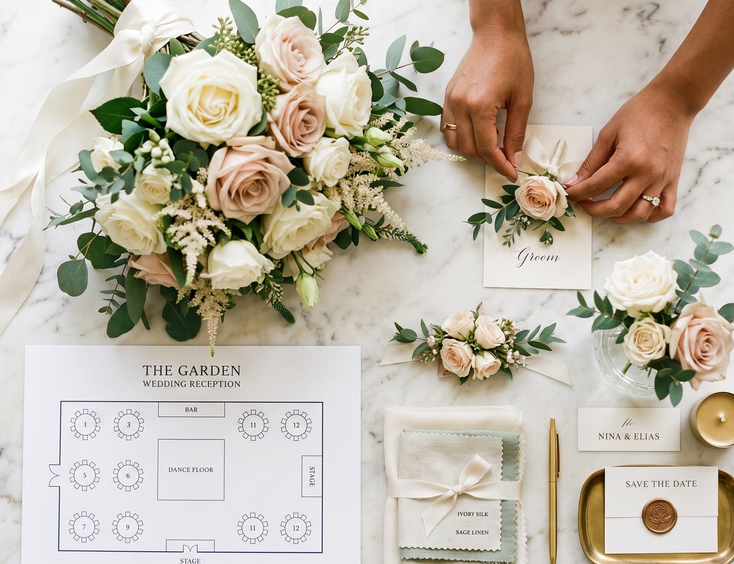
What Florist and Event Styling Packages Include
Philippine wedding florist and stylist packages vary based on venue size, guest count, flower selection, and the supplier's reputation. A typical full-service package may cover:
- Bridal bouquet and entourage flowers (boutonnieres, corsages, bridesmaid bouquets)
- Church or ceremony venue décor (altar flowers, pew accents, entrance arrangements)
- Reception venue styling (centerpieces, stage backdrop, entrance tunnel, ceiling treatment)
- Props, furniture, draping, and lighting design
- Setup and teardown on wedding day
A premium bridal entourage package might include a bridal bouquet with Ecuadorian roses, tulips, and peonies, along with bouquets for mothers, ninangs, maid of honor, bridesmaids, and flower girls, plus 20 boutonnieres and complementary touches like loose petals and bridal car flowers.
Rates vary depending on the location of the wedding, the number of guests, the length of the event, and the specific services. Some stylists charge hourly, while others offer package deals that include a set number of hours plus additional services such as floral design or event planning.
How Much Does a Wedding Florist and Event Stylist Cost in the Philippines?
Budget is the question you want answered first. Philippine wedding styling costs span a wide range.
Based on canvassing from real brides, a stylist costs about ₱50,000 for a simple setup and can go as high as ₱200,000 for a more elaborate, personalized design. A high-end stylist's starting rate is around ₱100,000 or more. Premium stylists like Teddy Manuel start at ₱150,000 and can go beyond ₱700,000 for grand events.
For flowers alone, bridal and entourage bouquets through a stylist can cost upwards of ₱6,000 and go up to ₱40,000 to ₱60,000 for high-end stylists. Church flowers start at around ₱10,000 to ₱30,000 for simple packages. One way to lower costs is to opt for locally sourced, in-season flowers.
Some stylists offer promos where you can book a basic setup for as low as ₱15,000. Premium packages that include a backdrop, couch, marquee letters, thematic photowall, entrance tunnel, and 10 centerpieces cost around ₱70,000 at a discounted rate.
Rates vary depending on your wedding date, number of guests, size of venue, flower type (local, imported, or mixed), if the package covers reception only or ceremony as well, out-of-town fees, corkage charges, crew meals, and whether the supplier is mid-range or high-end.
Choosing the right flowers makes a measurable difference in your budget. Learn which seasonal flowers bloom when in the Philippines so you can plan around availability and pricing.
The Most Popular Wedding Flowers in the Philippines
In the Philippines, the most popular wedding flowers are roses, peonies, lilies, orchids, and hydrangeas.
Roses range from about ₱3,000 to upwards of ₱15,000 depending on variety and arrangement size. A bouquet of tulips can cost between ₱2,000 to ₱20,000, varying with the rarity of the variety. Orchids, especially rarer varieties, are priced between ₱3,000 to ₱13,000.
Most of these flowers are available locally, except for a few like tulips and Ecuadorian roses. Most of the flower supply in the Philippines comes from Baguio, which is considered the country's flower capital.
Flowers in season cost 30–50% less than out-of-season blooms. That gap alone can shift your floral budget by tens of thousands of pesos.
We compiled a full guide on the most popular wedding flowers in Filipino weddings and what they symbolize to help you match blooms to your wedding theme.

How to Choose the Right Florist or Event Stylist
1. Check Their Portfolio for Weddings Similar to Yours
Look for photos from events at your chosen venue, or at venues with similar architecture and scale. A stylist who does ballroom weddings at Manila hotels may not be the best fit for a garden reception in Tagaytay.
2. Set Your Budget Before the First Meeting
Imagine how big you want your party to be. Determine your spending limit. Then from the list of event stylists you have, see who can work within your budget.
3. Ask About Their Process
Ask whether they help with creative direction (theme, color palette, moodboards) or whether you should hire a stylist or event designer separately. Some florists handle flower arrangements and deliver them to the venue. Others provide full-service styling with floral work built in.
4. Read Reviews and Check References
Packages that seem too good to be true usually are. Read reviews and check the company's background on and off social media. Join Facebook groups for brides (WaWies, BridalBook communities) and search the supplier's name. Past clients share setup photos, pricing breakdowns, and honest assessments.
5. Meet the Team
Find time to get to know them and see who can work well with you. You will spend months in communication with this supplier. Personal rapport matters more than a polished Instagram page.
6. Clarify Contract Details
Read contracts and clarify all inclusions before making a deposit. Confirm these items in writing:
- Exact flower types (and approved substitutes if your first choice is unavailable)
- Number of centerpieces, bouquets, boutonnieres
- Setup and teardown schedule
- Overtime charges
- Crew meal requirements
- Corkage or venue accreditation fees
- Cancellation and refund terms
When to Book Your Wedding Florist and Event Stylist
Book 8 to 12 months before your wedding date if you are getting married during peak season (December through February, and June). Some suppliers provide bundled packages or discounts for off-peak bookings, referrals, or early reservations. Popular stylists fill their calendars a year in advance, and December weekends in Metro Manila sell out fast.
For couples planning from overseas, ask about coordination for OFW or overseas couples, including timezone-friendly meetings, proxy tasks, and e-signatures.
Wedding Themes and How Stylists Bring Them to Life
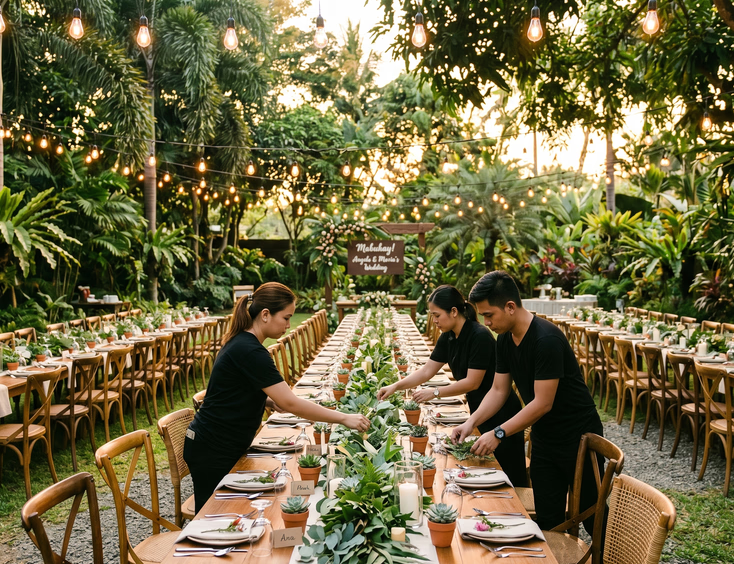
Filipino couples today lean toward rustic garden setups, minimalist-modern designs, Filipiniana heritage themes, and classic romantic ballroom looks. Each theme demands different flowers, props, lighting, and spatial design.
Top stylists thrive on versatility. Their teams design understated, minimalist setups alongside extravagant, statement-making arrangements, each customized to align with your vision.
If you are still choosing a direction, read the most requested wedding themes by Filipino couples for ideas and inspiration.
Red Flags to Watch For
- No itemized quotation. You should see a line-by-line breakdown of flowers, décor, labor, and logistics.
- No contract or vague terms. If a supplier resists putting details in writing, walk away.
- Unresponsive communication. If a supplier takes weeks to reply during the inquiry stage, expect the same delays on your wedding day.
- No recent portfolio. Ask for photos from weddings within the past 12 months. Outdated work may not reflect current capabilities.
- Pressure to pay in full upfront. Standard practice is a reservation fee (30–50%) with the balance due closer to the event.
Start Comparing Florists and Event Stylists Now
The earlier you start, the more options you have and the better rates you can negotiate. Browse our directory of trusted wedding florists and event stylists in the Philippines to compare portfolios, read reviews, and request quotes from verified suppliers.
Frequently Asked Questions
Should I hire a florist and event stylist separately, or book one supplier for both?
It depends on your budget and how specific your vision is. A full-service stylist provides all supplies, installs flowers and décor, and coordinates pack-down. Most wedding florists and stylists now offer this full package, though they may include a service fee for custom design, installation, and teardown. Booking one supplier for both services simplifies communication. Hiring separately gives you more control over flower sourcing and pricing.
How much should I allocate for flowers and styling in my wedding budget?
A common guideline is 10–15% of your total wedding budget. For a ₱500,000 wedding, that puts flowers and styling between ₱50,000 and ₱75,000. Grand weddings with 300+ guests and imported flowers can push this to ₱200,000 or beyond.
Can I save money by buying flowers from Dangwa myself?
Dangwa in Manila sells flowers at lower prices because supply comes from Baguio. You can buy the flowers and arrange them yourself, and local florists in Dangwa can help with arrangements at lower rates. This approach works for intimate weddings where you or a creative friend can handle the arranging. For large weddings, the logistics of transport, refrigeration, and same-day arrangement make professional service worth the cost.
When is the best time to get married if I want affordable flowers?
Avoid December through February, when demand peaks and imported flower prices spike. March through May offers more variety at lower prices for locally grown blooms. Read our seasonal flower guide for a month-by-month breakdown.
Still Searching for a Right Match?
Find Your Perfect Wedding Supplier Today!
Discover trusted wedding suppliers across the Philippines in our complete directory. Compare services and connect with the ones that fit your dream celebration.
Browse Wedding SuppliersFeatured Blog Posts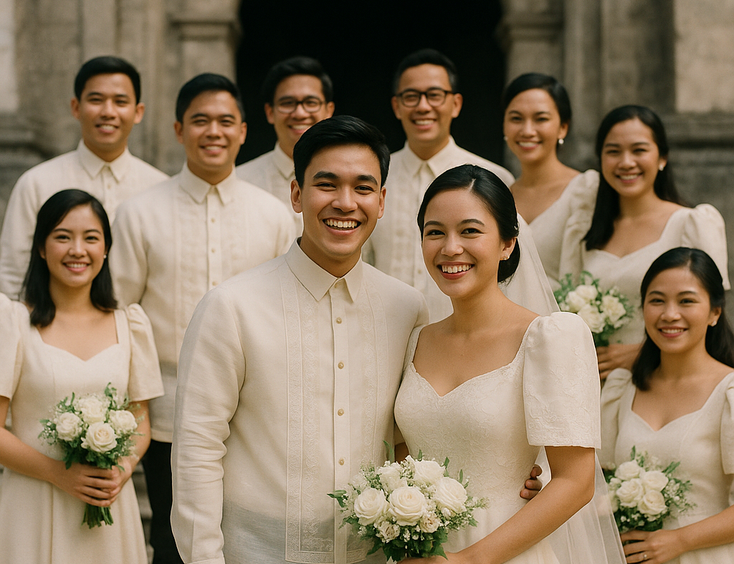

Filipino Wedding Entourage - Roles, Order of March, and Modern Etiquette
6 mins readCivil Weddings in the Philippines - Requirements, Costs, and Step-by-Step Process
9 mins readCivil Wedding Requirements in the Philippines - Complete Checklist
6 mins readCost of Wedding in the Philippines - 5 Essential Things You Need to Know
7 mins readPrincipal Sponsors (Ninong/Ninang) - How Many, How to Ask, What They Really Do
4 mins readVeil, Cord, Candle & Coins - Roles, Options, and When They Happen
4 mins readEntourage for a Traditional Pinoy Wedding - Complete Roles and Guide
6 mins readComplete List of Civil Wedding Requirements in the Philippines
8 mins readHow to Choose Wedding Ninongs and Ninangs - Ask Yourself These 3 Important Questions
5 mins read