


Seasonal Flowers in the Philippines: What Blooms When and How It Affects Your Wedding Budget
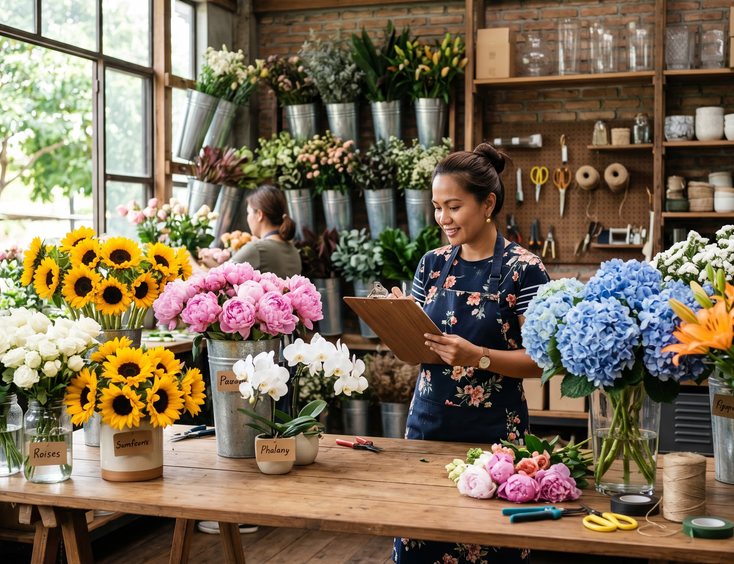
Your florist quotes you ₱15,000 for a bridal bouquet of peonies in January. The same bouquet in May costs ₱8,000. The flowers are identical. The price difference comes down to one thing: season.
Flower availability in the Philippines follows growing cycles, import schedules, and demand patterns that shift month by month. Couples who understand these patterns book their wedding dates, choose their blooms, and negotiate with florists from a position of knowledge instead of guesswork.
This guide breaks down what flowers bloom when in the Philippines, how seasonality drives pricing, and how to use that information to stretch your wedding floral budget.
Why Seasonality Matters for Wedding Flowers
The Philippines has two primary seasons: dry (November to May) and wet (June to October). Flower farms in Baguio, Benguet, and parts of Bukidnon follow these cycles. Some blooms thrive in the cool dry months. Others peak during the rainy season.
Imported flowers follow a separate calendar tied to growing seasons in the Netherlands, Ecuador, China, and Japan. When those countries are in peak production, import prices drop. When supply tightens, prices spike.
Your wedding date determines which flowers are in season, which ones need to be imported, and how much you pay for each stem. A couple getting married in March has access to different blooms at different price points than a couple getting married in August.
Flowers in season cost 30 to 50% less than out-of-season alternatives. For a wedding with 30 centerpieces, 10 bridesmaid bouquets, church décor, and a stage backdrop, that gap translates to ₱20,000 to ₱80,000 in savings.
Where Philippine Wedding Flowers Come From
Baguio and Benguet
Baguio is the flower capital of the Philippines. The cool mountain climate allows farms to grow roses, chrysanthemums, lilies, sunflowers, carnations, and some hydrangea varieties year-round, though production peaks during the cooler months. Most flowers sold at Dangwa Market in Manila are trucked down from Baguio.
Bukidnon and Davao
Mindanao produces orchids, tropical foliage, and some rose varieties. Orchid farms in these areas supply Dendrobium and Phalaenopsis stems to florists across the country.
Imported Sources
Peonies, tulips, Ecuadorian roses, ranunculus, and certain hydrangea varieties are imported. The Netherlands and Japan supply tulips. Ecuador and Colombia supply premium long-stem roses. China supplies peonies and some ranunculus. Import costs include freight, customs duties, and cold-chain logistics, all of which get passed to you through your florist's pricing.
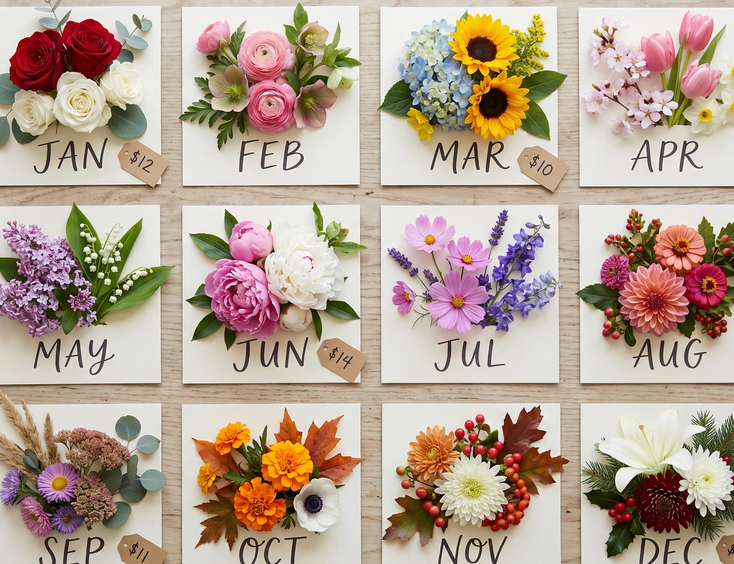
Month-by-Month Flower Availability
January to February
The cool, dry weather supports strong production from Baguio farms. Roses, chrysanthemums, carnations, and sunflowers are abundant and affordable. Lilies are available in good supply.
Demand peaks during this period because of Valentine's Day and the tail end of the wedding peak season. Rose prices climb in the first two weeks of February despite healthy supply. If your wedding falls in early February, lock in your floral order by November to secure pre-Valentine pricing.
Peonies are out of season and expensive. Tulips are available as imports from the Netherlands at moderate pricing because Dutch production is ramping up during this window.
March to May
Peak local production. Baguio farms are at full output during the dry season. Roses, sunflowers, carnations, chrysanthemums, lilies, and hydrangeas are available at the lowest prices of the year.
This period is the sweet spot for couples who want maximum floral impact on a controlled budget. Local roses cost 30 to 40% less than during peak wedding months. Sunflower stems drop to ₱30 to ₱50 each. Hydrangeas from Benguet are at their freshest.
Peonies start entering the market in April as Northern Hemisphere production begins. By May, peony supply improves and import prices drop compared to December or January.
Outdoor weddings during this window face extreme heat. Your florist selects heat-tolerant varieties and keeps arrangements in cooled storage until the last hour before setup. Orchids and roses handle the heat better than peonies and tulips.
June to August
The rainy season begins. Baguio production slows for some varieties, though roses and chrysanthemums remain available. Humidity affects the shelf life of cut flowers, and your florist factors in faster spoilage when pricing arrangements.
June is a popular wedding month in the Philippines. Demand pushes prices up even though supply is moderate. Book your florist early if you are planning a June wedding.
Peonies are at peak availability from international sources during June. Couples who want peonies at the best possible price should consider a June wedding, when import costs align with global production peaks.
Hydrangeas become harder to source locally as temperatures rise. Imported hydrangeas fill the gap at a higher price.
September to October
The wettest months. Local flower production from Baguio dips for heat-sensitive varieties. Roses and orchids remain available. Sunflowers and carnations are in steady supply.
Wedding demand drops during this period, which gives you leverage when negotiating with florists and stylists. Fewer bookings mean suppliers are more open to package discounts and custom arrangements within tighter budgets.
Imported flower supply is stable, with moderate pricing across most varieties. Tulips from the Netherlands taper off as the Dutch growing season winds down. If you are still deciding whether to book one supplier or two, our guide on hiring a wedding florist and event stylist in the Philippines walks through the tradeoffs.
November to December
The cool season returns and Baguio production picks back up. Roses, lilies, chrysanthemums, and hydrangeas come back into strong supply.
December is the highest-demand month for weddings in the Philippines. Prices rise across all flower types despite good local supply. Popular florists and stylists are fully booked. Imported flowers cost more because global holiday demand (Christmas, New Year) competes for the same supply chains.
Couples getting married in December should finalize their floral selections and lock in pricing by August. Waiting until October or November limits your options and increases the chance of substitutions or surcharges.
How to Use Seasonal Knowledge to Control Your Budget
Choose In-Season Blooms as Your Primary Flowers
Build your floral palette around what is abundant during your wedding month. If you are getting married in March, lean into local roses, sunflowers, and hydrangeas. If your wedding is in June, take advantage of peony availability from international sources.
Use Imported Flowers as Accents, Not the Base
Reserve imported blooms like Ecuadorian roses, tulips, or peonies for your bridal bouquet and one or two feature arrangements (stage backdrop, sweetheart table). Fill your centerpieces, pew accents, and entourage bouquets with locally sourced flowers. This split keeps your design elevated while controlling costs on high-volume elements.
Ask Your Florist for Substitution Options
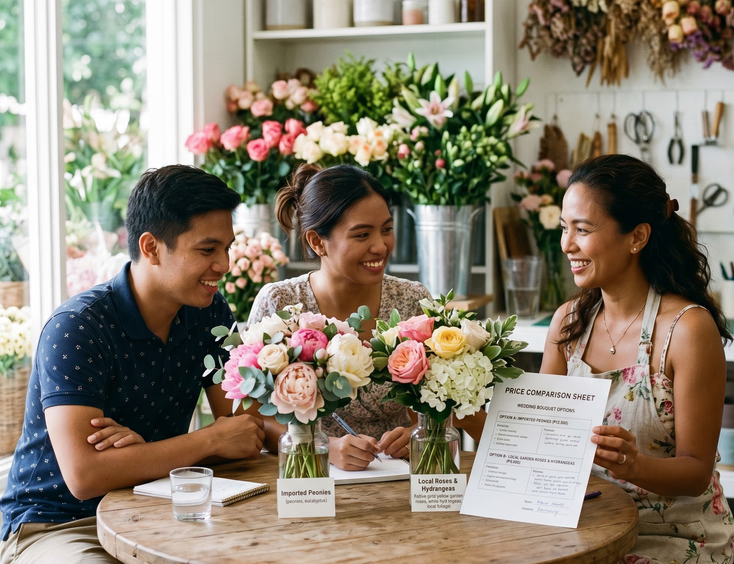
A good florist offers alternatives when your first-choice bloom is out of season or priced above your budget. Garden roses can stand in for peonies at a fraction of the cost. Lisianthus mimics the layered petal look of ranunculus. Local Dendrobium orchids replace imported Phalaenopsis in cascade bouquets.
Our guide on the most popular wedding flowers in Filipino weddings and what they symbolize covers each bloom's characteristics so you can identify substitutions that maintain the visual quality of your arrangements.
Time Your Booking to Lock In Pricing
Florists who receive your order 6 to 8 months before the wedding can plan their sourcing around seasonal supply. Last-minute orders force florists to buy at spot prices, which are higher. Early commitment benefits both sides.
Consider Dangwa for DIY Elements
Dangwa Market in Manila sells flowers sourced from Baguio at wholesale-adjacent prices. Couples planning intimate weddings (50 to 80 guests) can buy blooms from Dangwa and hire a freelance arranger or a Dangwa-based florist to build bouquets and centerpieces at a lower cost than a full-service supplier. For large weddings, the logistics of transport, cold storage, and same-day arrangement make full-service florists the more practical choice.
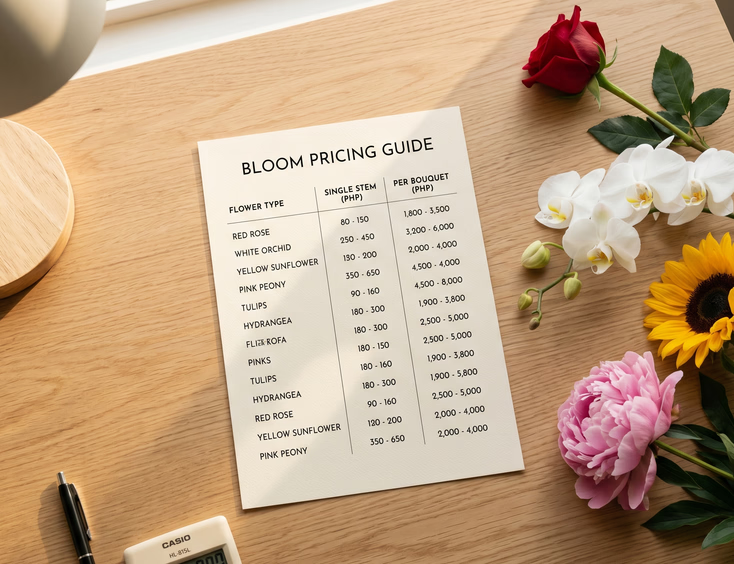
Seasonal Pricing at a Glance
| Flower | Peak Season (Affordable) | Off-Season (Expensive) | Price Range Per Stem |
|---|---|---|---|
| Roses (local) | March to May | December to February | ₱15 to ₱80 |
| Roses (Ecuadorian) | Year-round import | December to February (demand spike) | ₱80 to ₱350 |
| Peonies | May to June (import) | November to March | ₱150 to ₱500 |
| Orchids (local) | Year-round | None (stable supply) | ₱50 to ₱200 |
| Hydrangeas (local) | November to March | June to September | ₱100 to ₱300 |
| Hydrangeas (import) | Year-round | December (demand spike) | ₱400 to ₱800 |
| Tulips | January to April (import) | July to October | ₱100 to ₱350 |
| Sunflowers | Year-round (local) | None (stable supply) | ₱30 to ₱80 |
| Lilies | November to May | June to August | ₱80 to ₱250 |
| Calla Lilies | Limited local, year-round import | December to February (demand spike) | ₱100 to ₱400 |
Prices reflect 2024 to 2025 estimates and vary by florist, location, and arrangement complexity.
The Bottom Line on Seasonal Flower Planning
Your wedding date is the single biggest variable in your floral budget. A couple who marries in March with local roses, hydrangeas, and sunflowers pays a fraction of what a couple who marries in December with imported peonies and tulips spends on the same visual volume.
Talk to your florist about seasonal options before you lock in your palette. Bring your wedding date, your theme, and your budget ceiling to the first consultation. A florist who understands Philippine growing cycles and import timing will build you an arrangement plan that looks premium without premium pricing.
For help matching your flowers to your overall wedding design, explore the most requested wedding themes by Filipino couples and see how stylists pair blooms with spatial design. And when you are ready to start comparing suppliers, browse our directory of wedding florists and event stylists in the Philippines to request quotes from verified professionals who know which flowers work best for your wedding month.
Still Searching for a Right Match?
Find Your Perfect Wedding Supplier Today!
Discover trusted wedding suppliers across the Philippines in our complete directory. Compare services and connect with the ones that fit your dream celebration.
Browse Wedding SuppliersFeatured Blog Posts


Filipino Wedding Entourage - Roles, Order of March, and Modern Etiquette
6 mins readCivil Weddings in the Philippines - Requirements, Costs, and Step-by-Step Process
9 mins readCivil Wedding Requirements in the Philippines - Complete Checklist
6 mins readCost of Wedding in the Philippines - 5 Essential Things You Need to Know
7 mins readPrincipal Sponsors (Ninong/Ninang) - How Many, How to Ask, What They Really Do
4 mins readVeil, Cord, Candle & Coins - Roles, Options, and When They Happen
4 mins readEntourage for a Traditional Pinoy Wedding - Complete Roles and Guide
6 mins readComplete List of Civil Wedding Requirements in the Philippines
8 mins readHow to Choose Wedding Ninongs and Ninangs - Ask Yourself These 3 Important Questions
5 mins read