


Wedding Catering in the Philippines: Everything Couples Need to Know Before Booking
Filipino couples spend 40% to 50% of their wedding budget on catering. That one line item shapes your guest experience more than the venue, the flowers, or the playlist. Your titas will forget the centerpieces. They will remember the food.
This guide covers the catering decisions you need to make before signing a contract: food styles, menu planning, pricing structures, and how to spot a caterer worth booking.
Filipino Wedding Food and Why It Matters
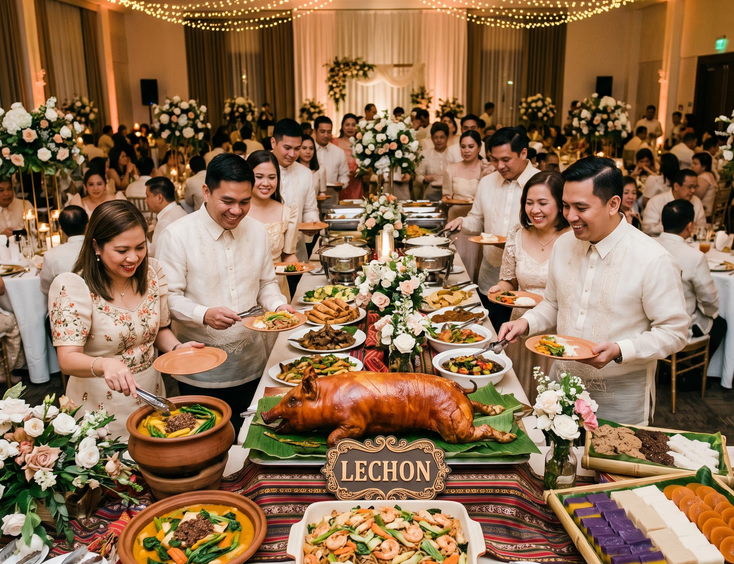
Filipino wedding receptions feature mounds of rice paired with crispy lechon, savory pancit, and colorful kakanin that keep guests coming back for second and third helpings. The food served at a Filipino wedding carries as much weight as what the bride wears, and your guests will remember it long after the event ends.
Lechon remains the centerpiece of most Filipino receptions. A whole roasted pig on display signals celebration and abundance. Guests crowd the carving station before speeches even start. If you want to understand why lechon is still the king of every Filipino wedding reception, the answer goes beyond flavor. It carries cultural meaning that no beef carving station can replace.
Beyond lechon, Filipino couples build menus around dishes their families grew up eating: kare-kare with bagoong, beef caldereta, grilled seafood, sinigang, and adobo prepared three different ways. Most wedding catering menus include a balance of meat, seafood, vegetables, rice, pasta, dessert, and drinks, and the goal is to give guests variety without overcomplicating the spread.
Desserts deserve attention too. Chilled halo-halo corners next to trays of sapin-sapin, biko, and kutsinta keep guests coming back well into the reception program. Leche flan, ube cheesecake bites, and turon with caramel drizzle round out a Filipino dessert spread that works for every age group.
Choosing a Catering Style for Your Reception
The service format affects your budget, your timeline, and how your guests experience the meal. Three main options dominate Filipino weddings.
Buffet
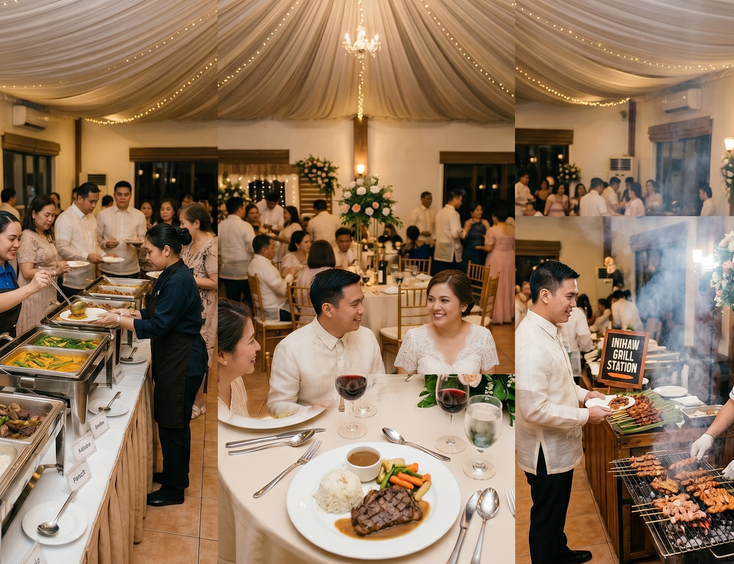
Buffet catering lets guests line up and receive food portioned and served by staff. It offers variety and works for large guest counts (150+). For large parties, you may want more than one buffet station so guests avoid long lines. Most caterers in the Philippines default to buffet service because it keeps per-head costs lower.
Plated Dinner
A plated menu or sit-down meal can run from ₱1,500 to ₱2,000 per person. You control portions, pacing, and presentation. Plated service suits receptions under 100 guests where you want a formal atmosphere and tighter timeline.
Food Stations
Food stations scatter themed mini-buffets across your venue: a carving station, a pasta bar, a sisig corner, an inihaw grill. Satellite corners let guests explore between program segments with options like Ilocos empanada, inihaw skewers, or sorbetes after the first dance.
Each style carries trade-offs in cost, logistics, and guest flow. Our detailed comparison of buffet vs. plated dinner for Filipino receptions breaks down those trade-offs by guest count and budget. If food stations interest you, read our food stations vs. traditional buffet breakdown for a practical side-by-side.
Planning Your Cocktail Hour Menu
The gap between your ceremony and reception can stretch from 30 minutes to two hours, depending on your photo schedule and venue logistics. Guests get hungry. A cocktail hour solves that problem.
A grazing table with cheese, bread, cold cuts, pretzels, and other appetizers keeps guests satisfied until the main reception starts. Filipino-forward options like lumpiang shanghai, kinilaw in shot glasses, and chicken barbecue skewers add local flavor to pre-reception bites.
Grazing table prices can range from ₱20,000 for 30 people up to ₱1,300 per person, depending on the caterer and the spread. Some caterers bundle cocktail hour food into their main package. Others charge it as a separate add-on.
For a full list of ideas, check our guide to cocktail hour food ideas for Filipino weddings.
Understanding Wedding Catering Costs in the Philippines
Catering prices vary by city, guest count, menu complexity, and service style. Here are the ranges you should expect.
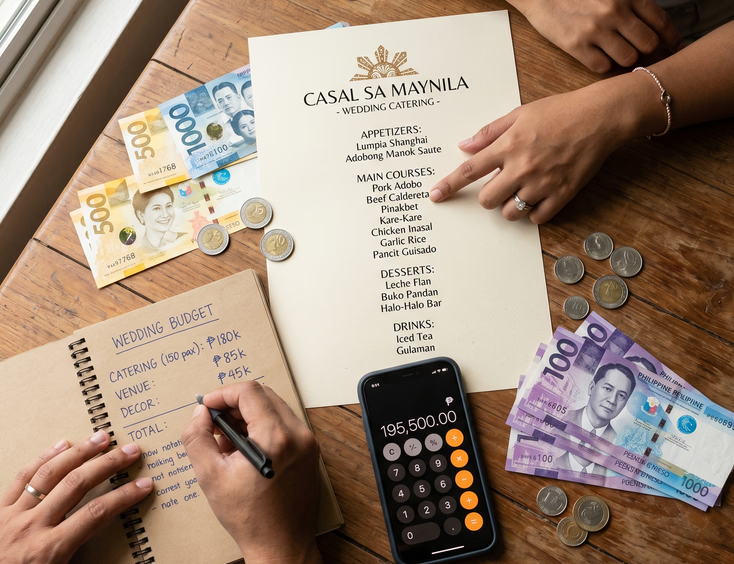
Menu rates range from ₱750 to ₱2,000 per person, depending on service type and menu selection. A basic buffet runs ₱750 to ₱1,000 per person, while an upgraded buffet costs ₱1,000 to ₱1,400 per person.
Catering prices in Metro Manila range from ₱295 to ₱1,500+ per head depending on menu, package inclusions, guest count, and event type.
Wedding catering sits at the higher end of the pricing range because of the presentation, service level, menu quality, and event coordination involved.
A quick formula: multiply your guest count by your target per-head rate. For 150 guests at ₱1,000 per head, you budget ₱150,000 for food alone. Plan for an additional 10% of your total guest count. If you invite 100 guests, book for 110 to make sure food covers everyone.
Our realistic budget breakdown for wedding catering costs in the Philippines walks through scenarios by guest count and city. For a closer look at how caterers calculate their rates, read our guide on per-head pricing for wedding catering in the Philippines.
Package Inclusions: Read the Fine Print
A catering package may include main dishes, rice, dessert, drinks, buffet setup, tablescape, service staff, and other event add-ons depending on the package selected.
Some caterers include additional amenities in their package rates, like a wedding cake, a bottle of wine, or a three-hour use of a bridal car. Others strip those out and charge them separately.
Wedding caterers charge per person in addition to providing a quote for a wedding package, and some require a minimum number of guests to include basic amenities like setup, a sound system, or Tiffany chair upgrades.
Charges for lechon stations, upgraded florals, additional serving hours, corkage fees, and generator rentals can add 15% to 30% on top of your quoted price. You need to account for these before signing. Our guide on hidden costs in wedding catering packages lists the most common surprise charges Filipino couples encounter.
How to Evaluate and Book a Wedding Caterer
Attend a Food Tasting
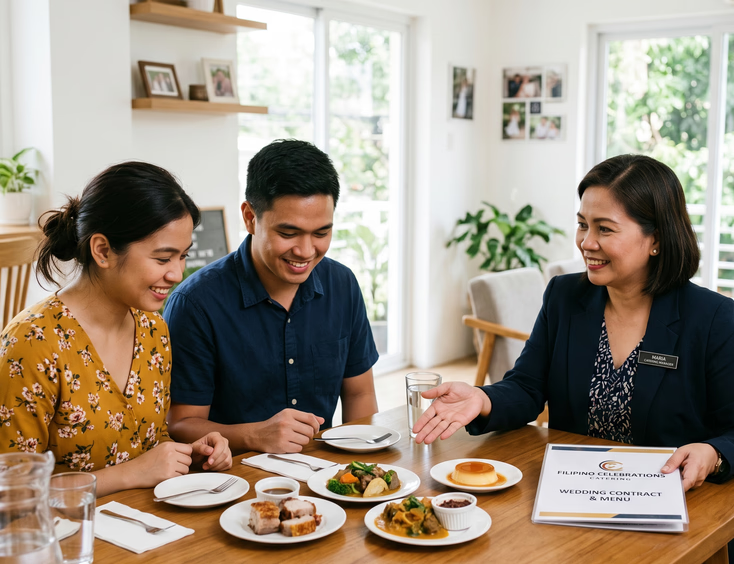
Some caterers require you to book before organizing a food tasting, some charge for it, and others skip tastings altogether. Tasting the food beforehand confirms whether it meets your preferred quality. Prioritize caterers who offer pre-booking tastings so you can make an informed decision.
Ask About Venue Experience
The venue matters to a caterer. Ask whether they have worked at your venue before, especially regarding on-site cooking. They need to check the kitchen, electricity, space, and logistics to run service on the day.
Confirm Staffing and Service Flow
Ask how many staff members will be assigned to your wedding. Proper staffing keeps buffet lines organized, tables clean, and guests comfortable throughout the reception.
Check Payment Terms
Most caterers require a non-refundable reservation fee (₱10,000 is common), followed by a 50% deposit upon signing the catering contract. Clarify payment schedules, accepted methods, and cancellation policies before you commit.
Verify Flexibility
Menu flexibility matters. You may want to incorporate a family dish or your partner's favorite food, and the caterer may not have those items on their standard menu. A good caterer adjusts. A rigid one creates problems.
Watch for Warning Signs
If the representative hesitates or struggles to provide clear answers, that reflects the level of service the caterer offers. Recognize when it's time to stop asking and move on to the next caterer on your list.
For a full checklist, read our guide to red flags when hiring a wedding caterer in the Philippines.
Your Booking Timeline
Book your caterer 8 to 12 months before your wedding date, especially during peak season (December through February and June). Early booking secures your preferred date, package, and menu options.
Here is a practical timeline:
- 12 months out: Shortlist three to five caterers. Request quotes and package details.
- 10 months out: Attend food tastings. Compare menus, pricing, and inclusions side by side.
- 8 months out: Sign your contract and pay the reservation fee.
- 3 months out: Finalize your guest count, menu selections, and special requests.
- 2 weeks out: Confirm headcount, settle full payment, and review the event-day schedule with your caterer.
Your wedding catering checklist should include guest count, budget, menu selection, venue requirements, staffing, package inclusions, setup schedule, and final confirmation of special requests.
Start Comparing Wedding Caterers
You now have a framework for choosing your catering style, building your menu, understanding pricing, and vetting suppliers. The next step is to start requesting quotes.
Browse trusted wedding caterers in the Philippines and compare packages, menus, and pricing from verified suppliers in our directory.
Still Searching for a Right Match?
Find Your Perfect Wedding Supplier Today!
Discover trusted wedding suppliers across the Philippines in our complete directory. Compare services and connect with the ones that fit your dream celebration.
Browse Wedding SuppliersFeatured Blog Posts

Filipino Wedding Entourage - Roles, Order of March, and Modern Etiquette
6 mins readCivil Weddings in the Philippines - Requirements, Costs, and Step-by-Step Process
9 mins readCivil Wedding Requirements in the Philippines - Complete Checklist
6 mins readCost of Wedding in the Philippines - 5 Essential Things You Need to Know
7 mins readPrincipal Sponsors (Ninong/Ninang) - How Many, How to Ask, What They Really Do
4 mins readVeil, Cord, Candle & Coins - Roles, Options, and When They Happen
4 mins readEntourage for a Traditional Pinoy Wedding - Complete Roles and Guide
6 mins readComplete List of Civil Wedding Requirements in the Philippines
8 mins readHow to Choose Wedding Ninongs and Ninangs - Ask Yourself These 3 Important Questions
5 mins read