


Buffet vs. Plated Dinner: Which Wedding Catering Style Works Best for Filipino Receptions
Your caterer will ask you one question before anything else: buffet or plated? That single decision affects your per-head cost, your venue layout, your reception timeline, and how your guests experience the meal. Most Filipino couples default to buffet because it feels familiar. Plated dinner offers advantages that many couples overlook.
This guide compares both styles across the factors that matter most: budget, guest count, food variety, service flow, and guest experience.
Buffet Service: The Filipino Wedding Default
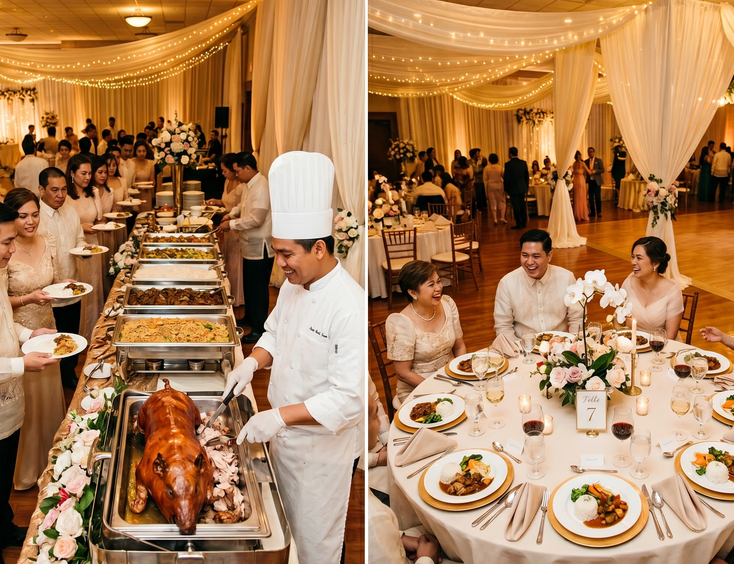
Buffet catering dominates Filipino wedding receptions. Guests line up at a long table, and uniformed staff portion food onto their plates. The format works because Filipino wedding culture revolves around communal eating, large guest lists, and generous spreads.
How Buffet Service Works at a Wedding
Your caterer sets up chafing dishes along one or two buffet lines. Guests approach the line by table, guided by your emcee or coordinator. Staff stand behind the table and serve each dish to control portions and keep the line moving.
A standard Filipino wedding buffet includes rice (plain and garlic), two to three meat dishes, one seafood dish, one vegetable dish, a pasta option, a dessert spread, and drinks. Some caterers add a soup station or a carving station for lechon.
For large guest counts, caterers set up two identical buffet lines on opposite sides of the venue. This cuts wait times in half and prevents a bottleneck near the food area.
Buffet Pricing
Buffet packages in the Philippines range from ₱750 to ₱1,400 per head. A basic buffet with five main dishes, rice, dessert, and drinks starts at ₱750 per person. Upgraded buffets with premium proteins, a lechon station, and a dessert bar push toward ₱1,200 to ₱1,400 per person.
The per-head model means your total catering cost scales with your guest count. At ₱1,000 per head, a 200-guest wedding costs ₱200,000 for food alone. For a detailed look at how caterers calculate these rates, read our guide on per-head pricing for wedding catering in the Philippines.
Buffet Strengths
Variety. A buffet spread gives guests six to ten dish options on a single table. Picky eaters, guests with dietary restrictions, and your lola who eats nothing but fish and rice can all find something.
Familiarity. Filipino guests know how buffets work. Nobody needs instructions. The format reduces confusion and keeps the reception flowing without awkward pauses.
Scalability. Buffets handle 150 to 500 guests without a fundamental change in setup. Your caterer adds more food and extends the line. The format stays the same.
Lower per-head cost. Buffet service requires fewer servers than plated dinner. Caterers pass that labor savings on through lower package rates.
Buffet Weaknesses
Wait times. A single buffet line serving 200 guests creates a 30 to 45-minute window where half your reception is standing in line instead of watching your first dance or listening to speeches. Dual lines reduce this problem but require more venue space.
Portion control is imperfect. Staff portion the food, but guests who return for seconds or thirds can strain your caterer's estimates. Some caterers charge for additional food if the original count runs short.
Presentation limits. Chafing dishes keep food warm, but they all look the same. A buffet table lacks the visual precision of a plated setup. Your tablescape and floral arrangements carry more of the aesthetic burden.
Food temperature drops. Dishes sitting in chafing dishes for 60 to 90 minutes lose heat and texture. Fried items soften. Crispy lechon skin turns chewy. Your guests who eat last get a different experience than those who eat first.
Plated Dinner: The Formal Alternative
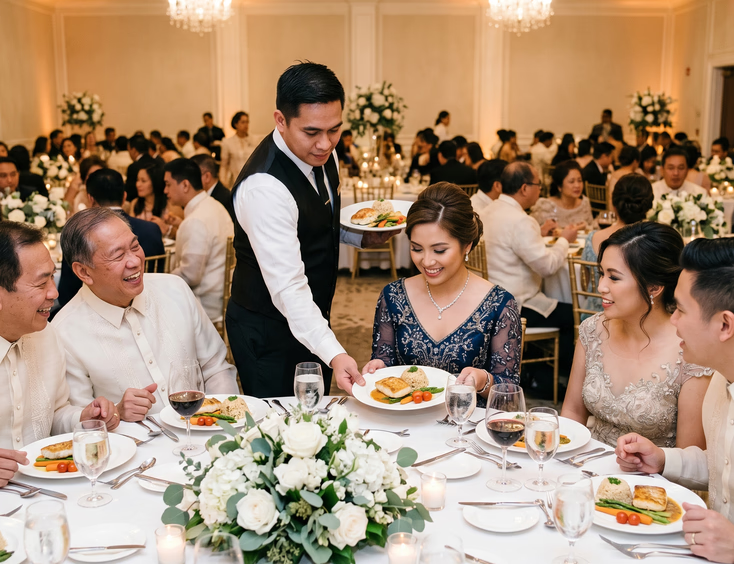
Plated service means your caterer prepares individual plates in the kitchen and servers deliver them to each guest at their table. The format mirrors fine dining and gives you full control over presentation, pacing, and portions.
How Plated Service Works at a Wedding
Your guests sit down. Servers bring each course to the table in sequence: appetizer, soup, main course, dessert. Each plate arrives composed and garnished. Your emcee does not call tables to a buffet line. The food comes to the guest.
A typical plated wedding dinner runs three to four courses. A soup or salad starter, a main course with protein, starch, and vegetables, and a dessert. Some couples add a fish course between the appetizer and the main.
Plated Dinner Pricing
Plated service runs ₱1,500 to ₱2,000+ per person. The higher cost reflects the increased labor (more servers per table), the plating and garnishing time, and the kitchen coordination required to send 100 to 150 plates out in sequence.
For 100 guests at ₱1,800 per head, your food cost hits ₱180,000. That same budget covers 180 guests at a ₱1,000 per-head buffet. Your guest count and your budget work together to determine which format makes financial sense.
Plated Dinner Strengths
Controlled pacing. You decide when guests eat. The emcee does not interrupt your program to call tables. Courses arrive between speeches, games, and dances. The meal becomes part of the program flow rather than a separate event within the event.
Consistent quality. Every guest receives the same plate, prepared fresh, at the same temperature. The last table served gets the same experience as the first. Nobody eats lukewarm kare-kare from a chafing dish that sat open for an hour.
Elevated presentation. A plated dish allows your caterer to compose each plate with garnishes, sauce work, and intentional placement. The visual impact on the table exceeds what a buffet line delivers.
Less movement. Guests stay seated. The reception hall remains organized. No lines forming near the buffet area, no empty tables while half the room queues for food. Your photographer captures a calm, elegant scene.
Plated Dinner Weaknesses
Limited options. Guests choose from one to two main course options (selected in advance through RSVP cards or a shared menu). A guest who dislikes beef and fish has fewer alternatives than at a buffet with eight dishes.
Higher cost per head. You pay ₱400 to ₱800 more per person compared to buffet service. For large guest counts, that difference adds up fast.
Slower service. Serving 150 individual plates takes time. A caterer needs one server per 10 to 12 guests to maintain pace. If your caterer understaffs, gaps between courses stretch and guests notice.
Less food volume. Filipino guests expect abundance. A plated dinner with a single protein, a scoop of rice, and a vegetable garnish may feel modest to a tita who expected a mountain of lechon and three types of pancit. Perception of generosity matters at Filipino celebrations.
Head-to-Head Comparison
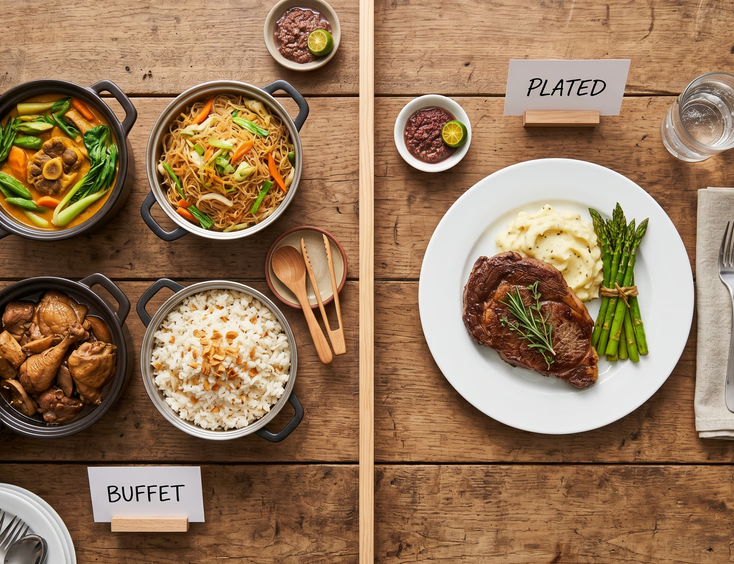
| Factor | Buffet | Plated Dinner |
|---|---|---|
| Per-head cost | ₱750 to ₱1,400 | ₱1,500 to ₱2,000+ |
| Best guest count | 150 to 500 | 50 to 120 |
| Food variety | 6 to 10 dishes | 1 to 2 main options |
| Service speed | 30 to 45 min for all guests | 15 to 20 min per course |
| Presentation | Functional | Elevated |
| Portion control | Staff-portioned at line | Pre-portioned per plate |
| Guest movement | High (guests walk to buffet) | Low (food comes to table) |
| Temperature consistency | Drops over time | Consistent per course |
| Filipino guest expectations | Meets them | May feel insufficient |
Which Style Fits Your Wedding?
Choose Buffet If:
- Your guest list exceeds 150 people
- Your budget targets ₱750 to ₱1,200 per head
- You want variety across multiple dishes
- Your families expect a traditional Filipino spread with lechon, pancit, and dessert options
- Your venue has space for one or two buffet lines
Choose Plated Dinner If:
- Your guest list stays under 120 people
- Your budget allows ₱1,500+ per head
- You prefer a formal atmosphere with controlled pacing
- You want consistent food quality and presentation for every guest
- Your reception program is tightly scheduled and cannot accommodate a 45-minute buffet window
Consider a Hybrid
Some caterers offer a hybrid format: plated appetizer and soup courses served to the table, followed by a buffet main course. This setup gives you the formal opening of a plated dinner with the variety and volume of a buffet. Hybrid packages price between the two formats, landing around ₱1,200 to ₱1,600 per head.
Another hybrid option pairs a plated main with a cocktail hour food spread served before the reception. Guests graze on appetizers during photos and transition to a sit-down dinner for the program.
Matching Your Catering Style to Your Menu
The dishes you serve influence which format works better.
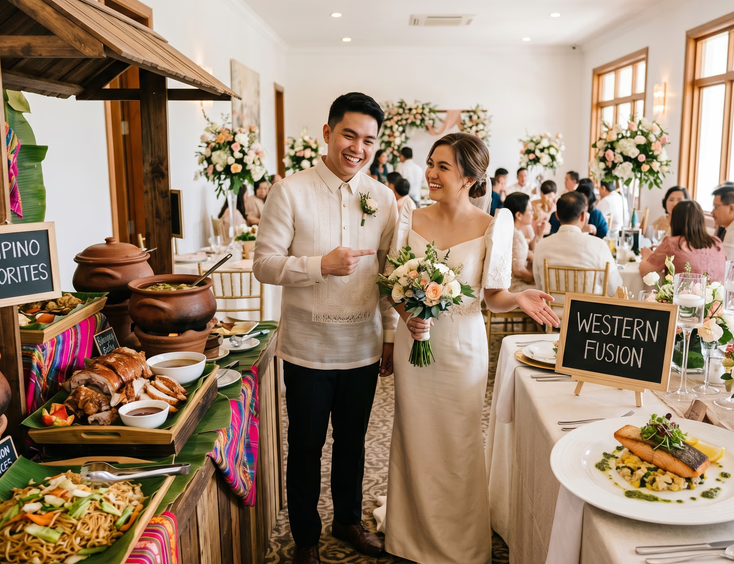
Filipino comfort food (lechon, kare-kare, sinigang, adobo, pancit) performs at buffets. These dishes are built for communal serving and taste good at volume. A lechon carving station at your buffet becomes the visual anchor of your food spread.
Western or fusion menus (steak with truffle mash, pan-seared salmon, risotto) suit plated service. These dishes rely on precise temperature, plating, and sauce work that buffet chafing dishes cannot maintain.
If your menu blends both cuisines, the hybrid format gives you a path to serve a plated Western main course while offering a Filipino buffet spread as a second option.
Questions to Ask Your Caterer
Before you commit to a format, ask your caterer these questions:
- How many servers do you assign per table for plated service?
- Do you offer dual buffet lines for guest counts over 150?
- Can we mix plated and buffet in a hybrid setup?
- Do you charge extra for a lechon carving station at the buffet?
- What is the minimum guest count for plated dinner packages?
- How do you handle guests with dietary restrictions under each format?
A caterer who answers these questions with specifics and without hesitation has handled both formats before. A caterer who deflects or gives vague responses deserves a closer look. Read our guide on hidden costs in wedding catering packages to know what questions protect your budget.
For a broader overview of everything that goes into your catering decision, our complete guide to wedding catering in the Philippines covers pricing, menu planning, booking timelines, and caterer evaluation.
Start Comparing Caterers
Once you settle on a format, request quotes from caterers who specialize in that style. Browse verified wedding caterers in the Philippines to compare buffet and plated dinner packages from suppliers in your area.
Still Searching for a Right Match?
Find Your Perfect Wedding Supplier Today!
Discover trusted wedding suppliers across the Philippines in our complete directory. Compare services and connect with the ones that fit your dream celebration.
Browse Wedding SuppliersFeatured Blog Posts

Filipino Wedding Entourage - Roles, Order of March, and Modern Etiquette
6 mins readCivil Weddings in the Philippines - Requirements, Costs, and Step-by-Step Process
9 mins readCivil Wedding Requirements in the Philippines - Complete Checklist
6 mins readCost of Wedding in the Philippines - 5 Essential Things You Need to Know
7 mins readPrincipal Sponsors (Ninong/Ninang) - How Many, How to Ask, What They Really Do
4 mins readVeil, Cord, Candle & Coins - Roles, Options, and When They Happen
4 mins readEntourage for a Traditional Pinoy Wedding - Complete Roles and Guide
6 mins readComplete List of Civil Wedding Requirements in the Philippines
8 mins readHow to Choose Wedding Ninongs and Ninangs - Ask Yourself These 3 Important Questions
5 mins read