


The 18 Roses Tradition Explained: Meaning, Order, and Modern Twists
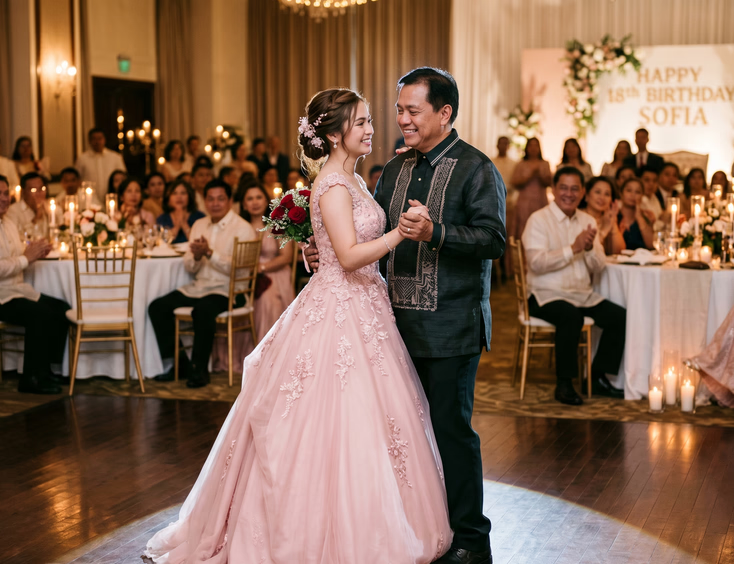
The 18 Roses ceremony makes most guests cry. It's the moment your father walks you to the dance floor, places a rose in your bouquet, and shares the first dance of your adult life. Then 17 more men follow, each one representing a chapter of your story.
Done well, the ceremony becomes the emotional heart of your debut. Done poorly, it drags through awkward dances with men you barely know.
This guide explains where the tradition comes from, who belongs in your lineup, how to order them, and how modern Filipina debutantes are adapting the ritual to fit their lives.
Where the 18 Roses Came From
The 18 Roses traces back to Spanish colonial influences blended with Filipino debut traditions. Roses symbolize beauty, love, and the unfolding of womanhood. Eighteen of them mark the number of years the debutante has lived.
Each man who presents a rose acknowledges the debutante's transition into adulthood. He honors her with a dance, a moment of conversation, and sometimes a short message. By the end of the 18 Roses, the debutante has been welcomed into womanhood by the men who shaped, supported, or stand beside her.
The order isn't random. It tells the story of her life: from her father at the beginning to the man she chooses to close the ceremony.
Who to Include in Your 18 Roses
Your 18 Roses lineup should reflect the men who genuinely matter in your life. Not the men your parents want included for political reasons. Not the distant cousins you barely talk to. The men whose presence in your life made you who you are.
Common picks:
Father. Always opens the ceremony.
Grandfathers. From both sides, if living.
Brothers. Older or younger, depending on your bond.
Uncles. Pick the ones you actually know, not all of them out of obligation.
Godfathers (Ninongs). Choose the ones who stayed present in your life.
Male cousins. The ones you grew up with or stayed close to.
Close male friends. The ones who feel like brothers.
Mentors or coaches. Teachers, choir directors, sports coaches, youth pastors who shaped your formative years.
Boyfriend or special someone. Often closes the ceremony if you have one.
Best male friend. Often closes the ceremony for debutantes without partners.
For the broader context of all traditional ceremonies, see the complete Filipino debut guide.
The Traditional Order
Most Filipino debuts follow a similar progression:
1st rose: Father. Opens the ceremony. The most emotional first dance.
2nd to 5th roses: Grandfathers, uncles, godfathers. The men who watched you grow up.
6th to 10th roses: Brothers and male cousins. Family members close to your age.
11th to 14th roses: Close male friends. The friends who walked alongside you.
15th to 17th roses: Mentors or significant figures. Coaches, teachers, family friends.
18th rose: The closer. Boyfriend, best friend, or someone with special meaning. Often the longest and most heartfelt dance.
The order isn't a strict rule. Some debutantes group by family side. Some alternate generations to keep the rhythm varied. Some end with a grandfather instead of a romantic partner.
What matters is that the order makes emotional sense to you and tells your story.
How to Choose Your 18
Picking the right 18 men matters more than picking the right gown. Get this wrong, and your most emotional ceremony falls flat.
Start with non-negotiables. Father, grandfathers, brothers, closest friends. These names come first.
Add by relationship strength, not obligation. A tito who lives abroad and you've met three times doesn't belong in your lineup. A college friend who's been there through every milestone does.
Skip out of-respect invitations. Your father's business partner. Your mom's coworker's husband. Family acquaintances. None of them should be in your 18 Roses unless you have a genuine bond.
Have a backup list. Two or three names ready in case someone can't attend. People cancel. Confirm attendance early.
Confirm 6 months out. Reach out personally. Explain the role. Give them time to plan around the date.
For tips on selecting people for all your ceremonies, see the 18 candles ceremony: choosing your speakers and wishes and the 18 treasures symbolism: gift ideas and their meaning.
What Happens During the Ceremony
The format is consistent across most Filipino debuts:
1. Emcee announces the ceremony. Sets the tone with a short introduction.
2. Music plays. A romantic instrumental, ballad, or song meaningful to you.
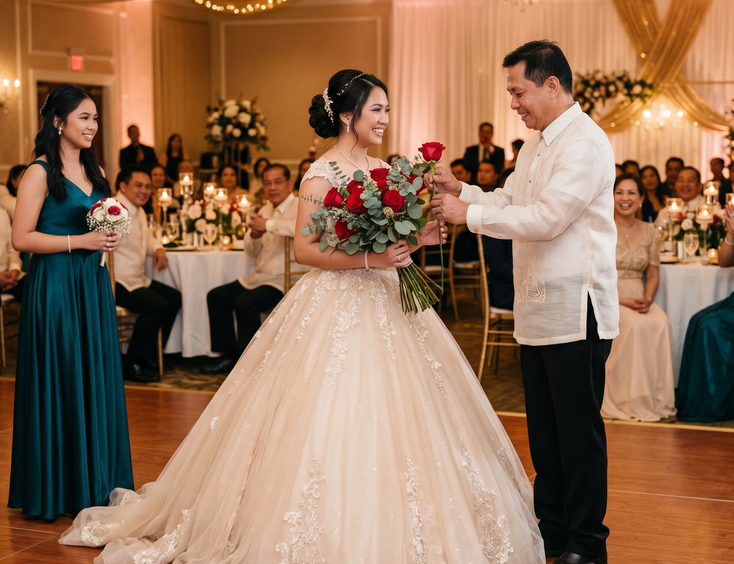
3. The first rose participant walks to the dance floor. Usually your father.
4. He hands you a rose. You add it to your bouquet held by an attendant.
5. You dance. A 30 to 60 second slow dance.
6. He returns to his seat. The next participant walks up.
7. The cycle repeats 17 more times.
8. The final rose participant closes the ceremony. Often with a longer dance or a short message.
The whole ceremony takes 25 to 45 minutes depending on dance length and any spoken moments.
Music Selection Matters
Your music sets the entire emotional tone. Pick songs that fit each participant's relationship to you.
For your father: Something timeless. "My Girl" by The Temptations. "I Loved Her First" by Heartland. "Daddy's Angel" by AB Quintanilla.
For brothers and male cousins: Upbeat or sentimental, depending on the relationship. Pop ballads work well.
For friends: Songs from your shared memories. Soundtrack from a movie you watched together. A song from your barkada playlist.
For mentors: Classic ballads or instrumental pieces. Keep it dignified.
For the closer: The most meaningful song of the night. Often something deeply personal.
Coordinate with your DJ or band to keep transitions smooth. Each song typically plays 30 to 60 seconds, just long enough for the dance.
For broader music guidance, see father-and-daughter dance song ideas for your debut and live band or DJ: choosing the right music supplier for your debut.
Modern Twists on the Tradition
Filipino debutantes today adapt the 18 Roses in creative ways that keep the meaning intact while making the ceremony feel current.
The Speech Format. Each man shares a 30-second message before or after the dance. Adds emotional depth, lengthens the ceremony.
The Letter Format. Each man writes a short letter handed to the debutante. She reads them later. Removes pressure from those uncomfortable with public speaking.
The Photo Slideshow. A photo of the debutante with each man plays on screen as he dances with her. Adds visual storytelling.
The Memory Object. Instead of just a rose, each man brings a small object representing a memory. A book, a photo, a keepsake. The bouquet becomes a memory basket.
The Family-Only Edit. Some intimate debutantes shrink the lineup to 9 family men, keeping only the most meaningful relationships.
The Mixed-Gender Roses. Some modern debutantes include women in the lineup. The ceremony becomes "18 People Who Shaped Me" rather than strictly 18 Roses for men.
The Single Mom Honor. If the debutante's father is absent or deceased, her mother opens the ceremony or a grandfather steps in.
The Surprise Letter. The 18th rose participant reads a letter the debutante wrote to her future self. The letter is sealed back into the bouquet.
The Two-Generation Pairing. A father and son, grandfather and grandson, or uncle and nephew dance together as one rose presentation. Honors generational bonds.
The Cultural Adaptation. For debutantes embracing heritage, traditional Filipino music (kundiman, OPM ballads) replaces Western pop.
How to Brief Your 18 Roses Participants
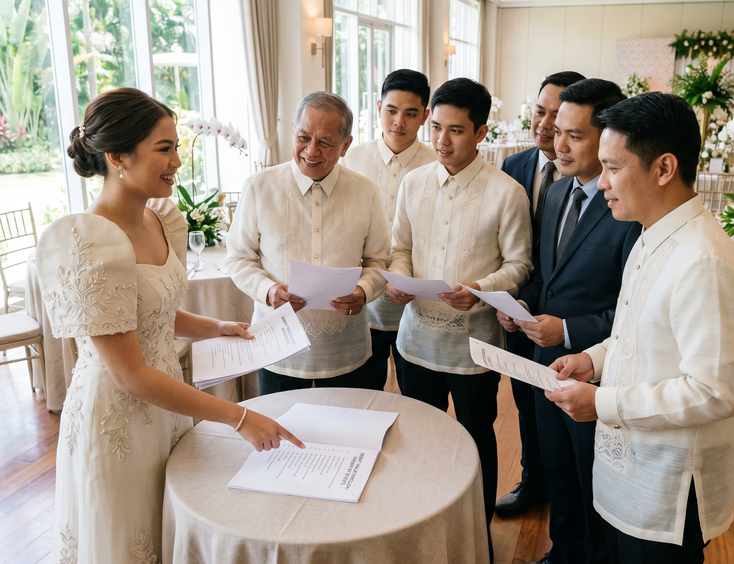
Most participants don't know what to expect. Give them clear guidance.
Send a briefing document 2 months before the event. Include:
- The date, venue address, and call time
- Dress code (usually barong tagalog or formal suit)
- Order of presentation (who goes first, second, etc.)
- How long the dance lasts
- Whether they're expected to give a short message
- The song that will play during their moment
- A reminder that the bouquet is for adding the rose, not holding
Hold a brief walk-through at rehearsal if possible. Show them where to enter, where to dance, and where to return. Knowing the choreography reduces day-of nerves.
Pair shy participants with a supportive group. Some men feel awkward dancing solo. Schedule them after more outgoing participants to keep the energy flowing.
For more rehearsal coordination tips, see Cotillion de Honor: a complete guide to the traditional debut dance.
Handling Absent or Deceased Loved Ones
Not every debutante has all her important men available.
Deceased fathers or grandfathers. A photo placed on a chair or table acknowledges their presence. Some debutantes dance alone with the rose in hand for the first dance.
Absent fathers. A stepfather, grandfather, uncle, or older brother opens the ceremony.
Estranged relationships. Skip them. Forced participation from someone you don't have a relationship with reads as awkward and forced. Pick the men who actually matter.
Out-of-country participants. Pre-recorded video messages can substitute. The video plays during the dance, with the debutante dancing alone or with another family member representing the absent one.
These adaptations make the ceremony meaningful even when the traditional structure doesn't fit.
What to Avoid
Some common mistakes ruin the ceremony.
Too many participants you barely know. Awkward silences during dances kill the energy.
Songs that don't match the dance length. A 4-minute ballad cut at 45 seconds feels jarring. Pre-edit your music with your DJ.
No emcee guidance. A skilled emcee announces each participant warmly and keeps the rhythm steady. Without one, the ceremony loses momentum. For host selection tips, see hiring a host or emcee for your debut: what to look for.
Stretching the ceremony past 45 minutes. Guests lose attention. Keep dances brief and transitions sharp.
Forgetting the bouquet handler. Someone needs to hold your bouquet between dances and add each rose. Assign a sister, cousin, or close friend in advance.
Not coordinating with the photographer. Some of the most emotional shots happen during the 18 Roses. Confirm your photographer knows the order and positions himself for each dance. For more guidance, see must-have shots for your debut photographer to capture.
For other planning mistakes to sidestep, see common debut planning mistakes every debutante should avoid.
How the 18 Roses Fits Into Your Program
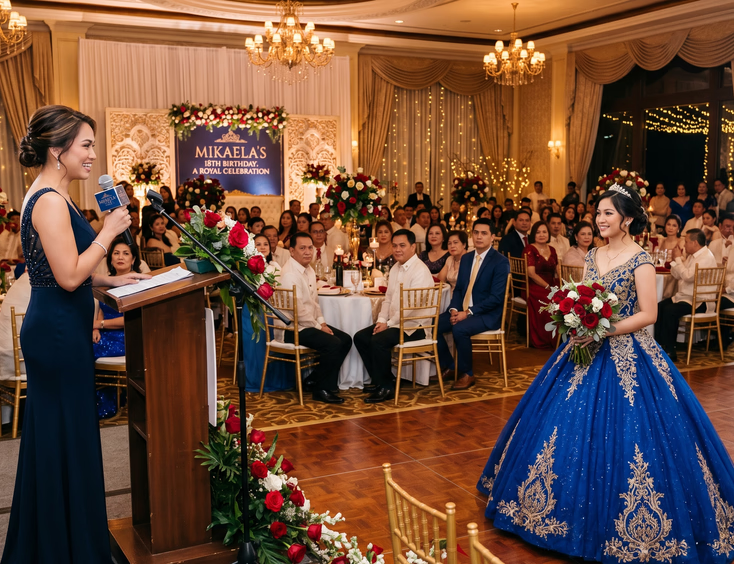
The ceremony typically happens in the second half of your program, after dinner and before the cotillion.
A typical sequence:
- Cocktails and registration
- Grand entrance
- Opening remarks
- Dinner
- AVP screening
- 18 Roses
- 18 Candles
- 18 Treasures
- Cotillion
- Cake cutting
- Father-daughter dance
- Party portion
- Final thanks
For a full timeline, see sample debut program flow from entrance to last dance.
Coordinating Decor for the Ceremony
The 18 Roses creates beautiful visual moments. Plan your decor to support them.
Bouquet design. Your bouquet should hold all 18 roses by the end. Coordinate with your florist to provide a bouquet base that accommodates the additions. Match the rose color to your theme.
Lighting. Soft, warm lighting for the dance floor. Avoid harsh stage lights that wash out facial expressions in photos.
Backdrop or focal point. A simple floral arch, a draped curtain, or a styled stage gives the ceremony a defined space.
For broader styling direction, see trending debut theme ideas for the modern Filipino debutante.
After the Ceremony
Your bouquet of 18 roses becomes a keepsake. Some debutantes:
- Preserve the bouquet through pressing or drying
- Distribute individual roses to attendees as keepsakes
- Use the bouquet as a centerpiece during the closing portion
- Frame a single rose with a photo of the dance later
Send a personal thank-you note to each participant after the event. A handwritten card mentioning the dance and what their presence meant carries more weight than a generic message.
The Heart of the Ceremony
The 18 Roses isn't about the dances or the music. It's about the men in your life acknowledging your transition into womanhood, and you honoring their role in shaping who you've become.
Pick the right 18. Brief them well. Build a flow that matches their relationships to you. The ceremony becomes one of the most meaningful moments of your debut, the kind your guests remember and your family revisits for years.
For how to plan every traditional ceremony, return to the complete Filipino debut guide. For your full booking schedule that supports a smooth ceremony, see debut planning timeline month-by-month checklist for debutantes.
Your 18 Roses is your story told through dance. Make it one worth remembering.
Still Searching for a Right Match?
Find Your Perfect Wedding Supplier Today!
Discover trusted wedding suppliers across the Philippines in our complete directory. Compare services and connect with the ones that fit your dream celebration.
Browse Wedding SuppliersFeatured Blog Posts


Filipino Wedding Entourage - Roles, Order of March, and Modern Etiquette
6 mins readCivil Weddings in the Philippines - Requirements, Costs, and Step-by-Step Process
9 mins readCivil Wedding Requirements in the Philippines - Complete Checklist
6 mins readCost of Wedding in the Philippines - 5 Essential Things You Need to Know
7 mins readPrincipal Sponsors (Ninong/Ninang) - How Many, How to Ask, What They Really Do
4 mins readVeil, Cord, Candle & Coins - Roles, Options, and When They Happen
4 mins readEntourage for a Traditional Pinoy Wedding - Complete Roles and Guide
6 mins readComplete List of Civil Wedding Requirements in the Philippines
8 mins readHow to Choose Wedding Ninongs and Ninangs - Ask Yourself These 3 Important Questions
5 mins read