


Cotillion de Honor: A Complete Guide to the Traditional Debut Dance
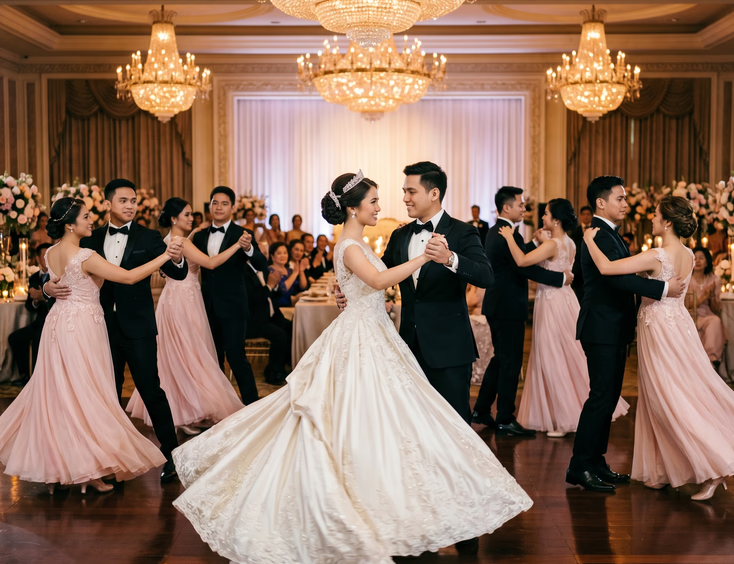
The Cotillion de Honor is the most photographed moment of any Filipino debut. The debutante glides across the dance floor in her ball gown, surrounded by 8 to 18 partners in coordinated formal wear, executing a choreographed waltz under spotlight. The room holds its breath. Guests pull out their phones. The photographer locks in for the shot list of the night.
Done well, the cotillion becomes the visual centerpiece of your celebration. Done poorly, it becomes the part where everyone forgets the choreography and your court bumps into each other on stage.
This guide walks you through what the cotillion is, who belongs in your court, how rehearsals work, music selection, choreography options, and the planning details that separate a memorable cotillion from a chaotic one.
What the Cotillion de Honor Means
The Cotillion de Honor traces its roots to European court dances of the 18th century. Spanish colonial influence brought the cotillion to the Philippines, where it became woven into Filipino debut traditions over generations.
The dance symbolizes the debutante's formal presentation to society as a woman. Her court of partners represents her social circle: brothers, cousins, close male friends, or chosen escorts. The choreographed waltz demonstrates poise, grace, and the elegance expected of a woman entering adulthood.
In modern Filipino debuts, the cotillion has evolved. Some debutantes keep it strictly traditional. Others incorporate contemporary music, modern dance styles, and creative choreography. The core remains the same: a coordinated dance featuring the debutante and her court.
For the broader context of all traditional debut elements, see the complete Filipino debut guide.
Who Belongs in Your Cotillion Court
Your cotillion court is usually a smaller, more curated group than your 18 Roses participants. While the 18 Roses spans family and friends across generations, the cotillion court focuses on peers who can commit to multiple rehearsals.
Common picks:
Brothers. Older or younger, depending on age and availability.
Male cousins close in age. Especially those you grew up with.
Best male friends. The ones you trust to show up to every rehearsal.
Boyfriend or close male friend. Often dances the main partnered piece with you.
Classmates from college or high school. Friends from your closest circles.
Female friends or sisters. Some modern cotillion arrangements include women, either dancing with each other or accompanying the male partners.
Most cotillion courts include 8 to 18 people, paired into 4 to 9 couples. The number depends on stage size, choreography complexity, and how many people you can rely on for rehearsals.
For tips on selecting people for related ceremonies, see the 18 roses tradition explained: meaning, order, and modern twists.
How to Choose Your Court
The biggest factor isn't relationship depth. It's availability and commitment. Your court must attend rehearsals.
Start with reliability. A friend who lives near the rehearsal venue and has a flexible schedule beats a friend who lives 3 hours away and travels for work.
Confirm 4 to 6 months out. Reach out personally. Explain the rehearsal commitment (4 to 6 sessions plus a dress rehearsal). Give them time to plan around the date.
Have backups ready. Two to three names you can pull in if someone drops out. Cotillion drops happen more than other ceremony cancellations because the time commitment is heavier.
Pair compatible partners. If you have couples in your friend group, pair them. If not, match heights and dancing comfort levels.
Don't over-invite. A 6-person cotillion that performs flawlessly outshines a 16-person cotillion where half the court can't remember the steps.
When to Start Rehearsals
The biggest cotillion mistake is starting rehearsals too late. Three weeks isn't enough. Most courts need 4 to 8 weeks of consistent rehearsals to perform well on stage.
Ideal timeline:
- 6 months before: Book your choreographer
- 3 months before: Confirm your final court list
- 2 months before: Start group rehearsals (weekly)
- 3 weeks before: Add a second weekly rehearsal
- 1 week before: Full dress rehearsal at the venue (or studio)
- Day before: Optional final run-through
For your full debut planning timeline, see debut planning timeline month-by-month checklist for debutantes.
Booking a Choreographer
Most Filipino debuts hire a professional choreographer to design and teach the routine.
What to confirm before booking:
- Number of rehearsal sessions included
- Studio location and availability
- Music selection support
- Costume and prop guidance for your court
- Backup choreographer in case of illness
- Ability to choreograph for your specific stage size
- Experience with debutante cotillions (not just dance recitals)
- Whether they'll attend the dress rehearsal and event day
Budget ₱15,000 to ₱40,000 for a full cotillion choreography package with rehearsals.
For more on choosing the right cotillion choreographer along with other key suppliers, see essential debut suppliers you need to book early.
Choosing Your Music
Your cotillion music shapes the entire feel of the dance. The right choice elevates everything. The wrong choice leaves the routine feeling flat.
Traditional waltz options:
- "Tales from the Vienna Woods" by Johann Strauss II
- "The Blue Danube" by Johann Strauss II
- "Sleeping Beauty Waltz" by Tchaikovsky
- "Waltz of the Flowers" by Tchaikovsky
- Instrumental versions of "Can You Feel the Love Tonight" or "A Whole New World"
Modern interpretations:
- "A Thousand Years" by Christina Perri (string version)
- "All of Me" by John Legend (instrumental waltz arrangement)
- "Perfect" by Ed Sheeran (slow waltz version)
- "Hallelujah" by Leonard Cohen (instrumental)
- Disney soundtracks ("Tale as Old as Time," "So This is Love")
Filipino options:
- "Hanggang" by Wency Cornejo
- "Forevermore" by Side A
- "Ngayon" by Basil Valdez
- OPM ballads with waltz arrangements
Themed picks:
- K-pop instrumental for Korean-themed debuts
- Movie soundtracks for fairytale themes
- Jazz pieces for vintage themes
- Classical pieces for ballroom-traditional themes
Coordinate the music with your choreographer. Some pieces need editing for length. Cotillion routines typically run 3 to 5 minutes.
For broader music guidance, see live band or DJ: choosing the right music supplier for your debut and father-and-daughter dance song ideas for your debut.
Choreography Styles
The choreography can range from classic waltz to creative contemporary. Pick a style that matches your personality, your court's dancing ability, and your overall theme.
Classic Waltz. Three-quarter time, formal positions, traditional steps. Elegant and timeless.
Modern Waltz. Waltz base with contemporary movements layered in. Combines traditional grace with current style.
Theatrical Routine. Storytelling choreography with multiple formations, lifts, and dramatic moments. Higher difficulty but visually striking.
Theme-Driven. Choreography that reflects your theme: K-pop inspired moves, Disney character formations, Bollywood-inspired flair.
Surprise Twist. A traditional waltz that transitions into an upbeat modern dance midway through. Wakes up the audience.
Father-Inclusive Cotillion. The debutante's father joins the routine for a portion, blending the cotillion with the father-daughter dance.
Acoustic Performance. A live musician (singer, guitarist, or violinist) performs the music live while the cotillion dances. Adds an extra layer of artistry.
Talk through these options with your choreographer. They'll guide you toward what works for your court's skill level and your stage setup.
For themed cotillion inspiration, see trending debut theme ideas for the modern Filipino debutante, fairytale debut theme: inspiration and styling tips, and Korean-inspired debut ideas for K-culture lovers.
Court Attire and Coordination
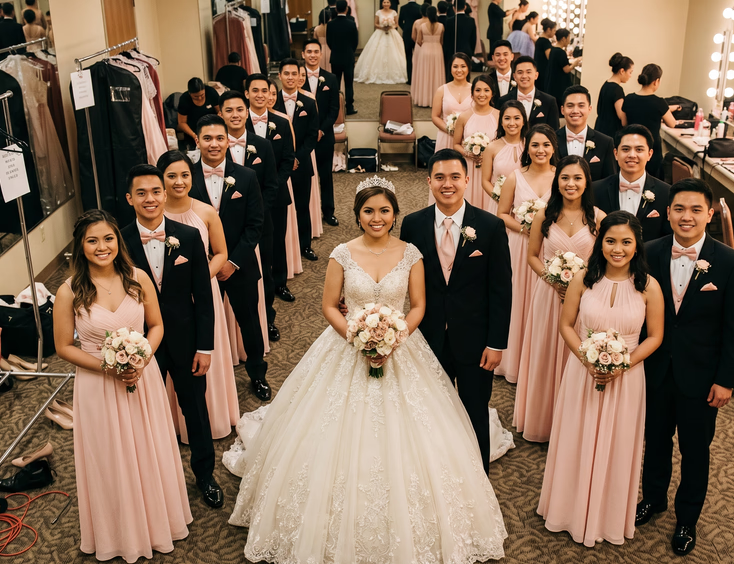
Your court's outfits matter as much as their dancing. Mismatched or ill-fitting attire ruins the visual impact of even the most polished choreography.
For male partners:
- Coordinated suits (often black, navy, or charcoal)
- Matching ties or pocket squares in your theme color
- Polished dress shoes
- Optional: barong tagalog for traditional or heritage-themed debuts
For female partners (if included):
- Coordinated dresses in a single color or theme palette
- Matching length (all knee-length or all floor-length, not mixed)
- Comfortable heels they can dance in
- Hair and makeup that complements the debutante's look without competing
For the debutante:
- A gown that allows movement (some ball gowns restrict steps)
- Comfortable shoes (dance shoes hidden under the gown, or low heels)
- Hair secured to last through movement
- Touch-up makeup ready post-cotillion
For full entourage coordination tips, see debut entourage attire guide: dressing your 18 roses and candles. For gown selection that supports dance movement, see how to choose the perfect debut gown for your body type.
Rehearsal Best Practices
Rehearsals make or break the cotillion. A polished routine doesn't happen on stage. It happens through consistent, focused practice.
Schedule rehearsals at consistent times. Same day, same time each week makes it easier for everyone to commit.
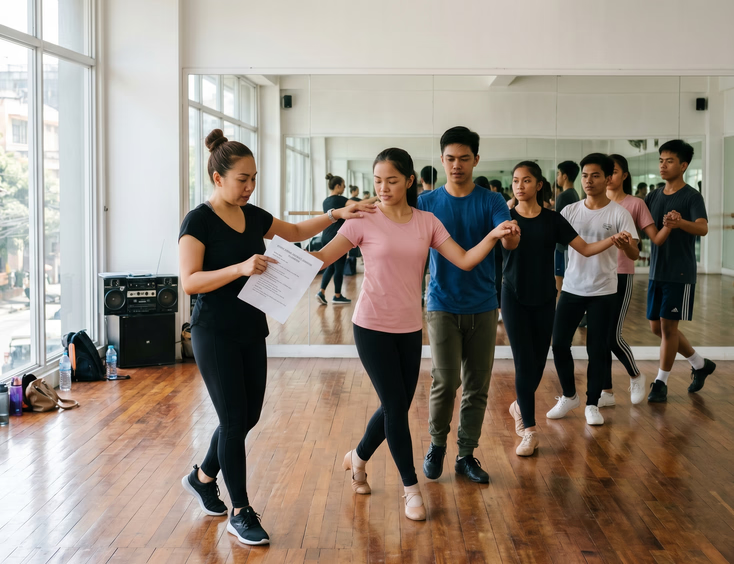
Provide a rehearsal venue. A dance studio, a friend's living room with cleared furniture, or a function room. Avoid cramped spaces that don't allow full formations.
Bring music with you. Don't rely on someone's phone with a poor speaker. Use a proper sound system or Bluetooth speaker.
Record each rehearsal. Film with a phone so absent members can study the choreography and current members can review their own form.
Mark stage positions. Use tape or markers on the floor to indicate positions, formations, and entry points.
Run the routine multiple times per session. First time slow, second time at tempo, third time as if performing.
Address weak spots early. If one partner struggles with a turn, work on it in isolation before adding it back into the full routine.
Encourage outside practice. Couples should run through their parts at home between group sessions.
Hold one full rehearsal in costume. Heels, ties, jackets. Familiarize everyone with how their attire affects movement.
Run the dress rehearsal at the venue. If possible. The stage size, lighting, and floor surface affect performance.
Stage Setup and Logistics
Your cotillion needs space, sound, and light to work properly.
Stage size. Most cotillions need at least 18 by 12 feet of clear performance space. Larger courts need more.
Floor surface. A smooth, non-slip surface. Avoid carpet or rough tiles that catch shoes. Confirm with your venue.
Spotlights. Confirm your sound and lighting team has spotlights focused on the dance floor. The debutante and her court should be visibly lit.
Sound check. Test the cotillion music at full volume during the venue ingress. Confirm there's no audio cutout in the middle.
Entrance and exit points. Plan how your court enters the dance floor and how they exit after the routine. Avoid bottlenecks.
Backup plan. What happens if a partner is sick or absent? Brief a backup dancer or adjust the choreography to accommodate.
For more on venue logistics that support the cotillion, see how to choose the right debut venue: a practical checklist.
How the Cotillion Fits Into Your Program
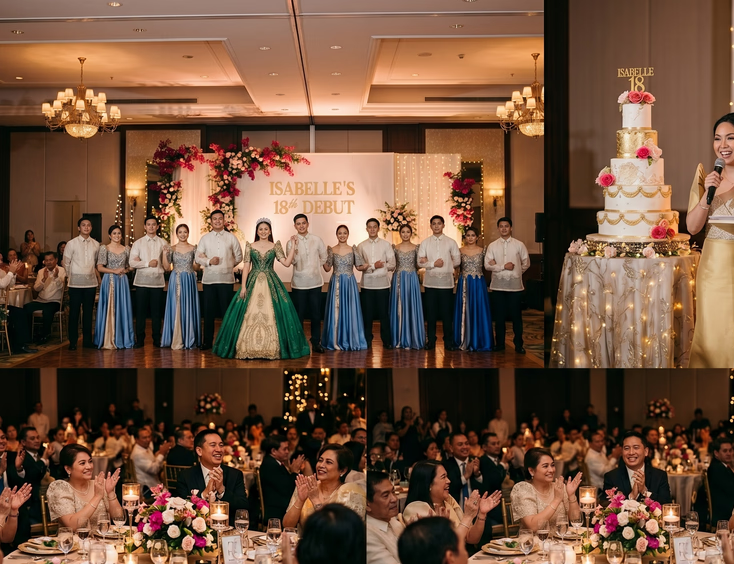
The cotillion typically happens in the second half of your program, after the traditional ceremonies but before the cake cutting and party portion.
A typical sequence:
- Cocktails and registration
- Grand entrance
- Opening remarks
- Dinner
- AVP screening
- 18 Roses
- 18 Candles
- 18 Treasures
- Cotillion de Honor
- Cake cutting
- Father-daughter dance
- Party portion
- Final thanks
For a full timeline template, see sample debut program flow from entrance to last dance.
Photography and Videography Coordination
The cotillion is one of the most photographed moments of any debut. Coordinate with your photo and video team in advance.
Brief your photographer. Share the choreography order, formations, and key moments (lifts, dramatic poses, final freeze).
Position multiple cameras. A wide shot of the full court, a tight shot on the debutante, and a roving camera for detail shots.
Lock in drone footage if available. Aerial cotillion shots are stunning when the venue allows drones.
Discuss lighting. Confirm spotlights don't create harsh shadows on faces. Adjust angle if needed.
Capture the prep. Photos of the court in the dressing room before the cotillion add behind-the-scenes value.
For full coverage guidance, see must-have shots for your debut photographer to capture and how to choose the right debut photographer and videographer.
What Can Go Wrong (and How to Prevent It)
Several common problems derail cotillions on event day.
A partner backs out last minute. Have a backup ready. Brief a friend or sibling who can step in with minimal notice.
Someone forgets the choreography. Position confident dancers in visible spots so others can follow visual cues.
The music skips or fails. Bring a backup audio file on a second device. Test the venue sound system in advance.
The stage is smaller than expected. Adjust formations during the dress rehearsal. Don't discover this during the event.
A partner trips or falls. Train your court to keep moving. Pause, recover, continue.
The debutante's gown restricts movement. Test the gown during at least one rehearsal. Adjust the choreography or alter the gown if needed.
Sweat ruins someone's makeup or hair. Pack touch-up kits for the dressing room. Schedule the cotillion before the party portion to preserve the visual.
Heels are too high. Practice in actual event shoes during rehearsals. Don't break in new shoes on event day.
For other planning pitfalls to dodge, see common debut planning mistakes every debutante should avoid.
Modern Twists on the Cotillion
Filipino debutantes adapt the cotillion in creative ways that keep the tradition alive while making it feel current.
The Surprise Reveal. The cotillion starts as a traditional waltz, then transitions into a modern routine to a contemporary song. Catches guests by surprise.
The K-Pop Cotillion. A choreographed K-pop dance replaces the waltz. Popular among K-culture lovers.
The Multi-Genre Medley. The routine moves through different musical styles: waltz, ballad, modern pop, and a final upbeat finale.
The Story Cotillion. Choreography that tells a narrative. The debutante walks through different "stages" of life (childhood, school years, present day) with formations changing for each chapter.
The Solo-Opening Cotillion. The debutante performs a brief solo before her court joins. Highlights her individual presence.
The Live Music Cotillion. A solo musician (violinist, pianist, singer) performs the music live while the cotillion dances. Adds dramatic atmosphere.
The Mixed Court. Some courts include both male and female partners. The choreography accommodates same-gender pairings.
The Family Cotillion. Parents, siblings, or close family members are incorporated into the routine for a touching moment.
The Theme-Locked Cotillion. The choreography, music, and costumes all tie to your debut's theme. A Disney debut features a Disney-inspired routine. A fairytale debut leans into ballroom waltzing.
After the Cotillion
The cotillion leaves both the debutante and her court visibly tired. Plan for the recovery.
Pause briefly before the next segment. Let the room settle. Give the court 5 minutes to catch their breath.
Provide water and snacks for the court. A hydration table in the dressing room or near the stage helps.
Thank your court personally. A quick hug or "thank you for showing up" goes a long way.
Send thank-you gifts after the event. A small token (a framed photo from the cotillion, a thoughtful card, a small gift) acknowledges the time and effort they invested in rehearsals.
Get a court photo. A formal posed shot of you with your full court before they disperse. This is a keepsake you'll treasure.
The Heart of the Cotillion
The Cotillion de Honor is a celebration of poise, friendship, and tradition. The choreography is the visible piece. The friendships and effort behind it are what make the dance meaningful.
Choose a court who can commit. Hire a choreographer who fits your style. Rehearse early and often. Brief your team on logistics. The cotillion becomes one of the most beautiful, photographed, and remembered moments of your debut.
For how every traditional element ties into your full celebration plan, return to the complete Filipino debut guide. For your full booking schedule, see debut planning timeline month-by-month checklist for debutantes.
Your Cotillion de Honor is your story told through movement. Make it one your guests can't stop watching.
Still Searching for a Right Match?
Find Your Perfect Wedding Supplier Today!
Discover trusted wedding suppliers across the Philippines in our complete directory. Compare services and connect with the ones that fit your dream celebration.
Browse Wedding SuppliersFeatured Blog Posts




Filipino Wedding Entourage - Roles, Order of March, and Modern Etiquette
6 mins readCivil Weddings in the Philippines - Requirements, Costs, and Step-by-Step Process
9 mins readCivil Wedding Requirements in the Philippines - Complete Checklist
6 mins readCost of Wedding in the Philippines - 5 Essential Things You Need to Know
7 mins readPrincipal Sponsors (Ninong/Ninang) - How Many, How to Ask, What They Really Do
4 mins readVeil, Cord, Candle & Coins - Roles, Options, and When They Happen
4 mins readEntourage for a Traditional Pinoy Wedding - Complete Roles and Guide
6 mins readComplete List of Civil Wedding Requirements in the Philippines
8 mins readHow to Choose Wedding Ninongs and Ninangs - Ask Yourself These 3 Important Questions
5 mins read