


Should Your Groomsmen Wear Barongs or Suits? Pros, Cons, and Style Tips
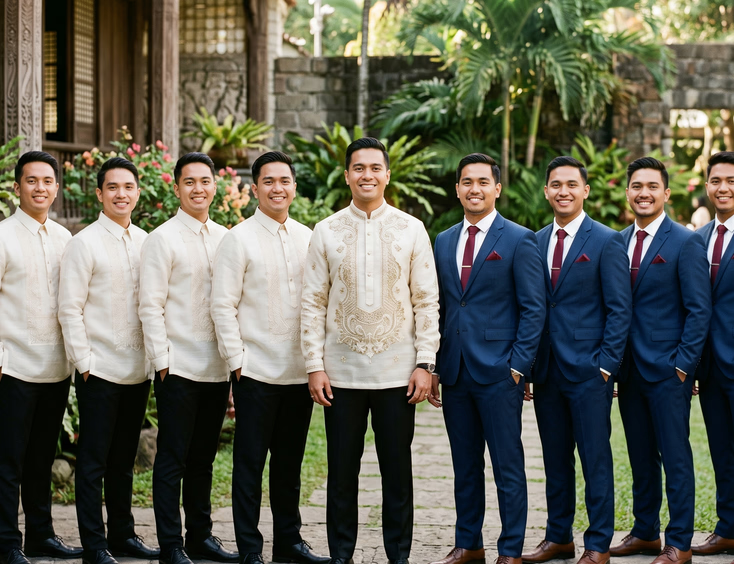
Filipino grooms spend months agonizing over their own wedding-day outfit, then make the groomsmen decision in a single text message. The question deserves more thought. Your groomsmen show up in half the wedding photos, stand at the altar with you, and set the visual tone for the entire entourage. Picking between barongs and suits affects budget, comfort, photo cohesion, and how the entourage reads in person.
This guide breaks down both options, the situations where each one wins, and the style rules that keep the entourage looking sharp in either direction.
The Case for Barongs
Barongs carry weight that suits don't. A groomsmen lineup in barong tagalog signals heritage, ties the wedding to Filipino tradition, and photographs distinctly Filipino in every frame.
Three practical advantages back the cultural argument.
Climate. Barongs handle Philippine humidity better than wool suits. The piña, jusi, and organza fabrics breathe, the loose silhouette moves air, and the absence of an inner lining keeps body temperature down. Outdoor garden ceremonies in April or beach weddings in May become bearable in a barong and miserable in a wool suit.
Inclusivity across body types. Filipino entourages span lean cousins, athletic friends, and uncles with fuller midsections. A barong's relaxed cut flatters every build without alterations beyond hem and sleeve length. A suit lineup demands more tailoring work to make every groomsmen look proportional in photos.
Coordination with elder family members. The ninongs and the father of the bride often wear barongs by default. A groomsmen lineup in barongs unifies the male entourage from the youngest groomsman to the oldest principal sponsor. A suit lineup creates a visual split between the groomsmen and the elders.
The trade-offs exist. Barongs read traditional, which suits some weddings and clashes with others. A modern industrial-loft reception in BGC reads off when the groomsmen wear traditional barongs. The fabric also wrinkles, which means barongs need careful steaming the morning of the wedding and look rumpled by the third hour of the reception.
For the deeper history and cultural weight of the garment, read our piece on what is a barong tagalog and why it still reigns supreme at Filipino weddings.
The Case for Suits
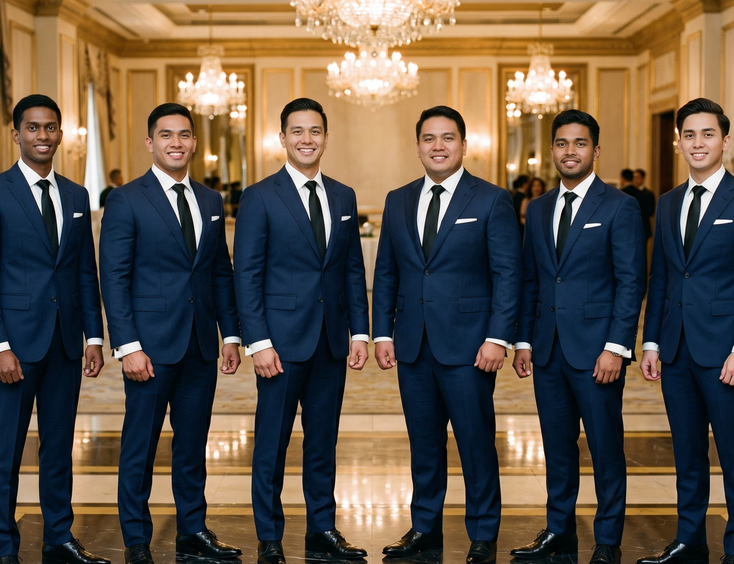
Suits give you control over the entourage aesthetic in ways barongs don't. Color, fabric, and silhouette options open up, which lets the groomsmen lineup match the wedding theme more precisely.
Three advantages favor suits for specific weddings.
Theme flexibility. Modern, vintage, industrial, and destination wedding themes pair more naturally with suits. A black-tie ballroom wedding at Shangri-La calls for black tuxedos on the entourage. A rustic garden wedding in Tagaytay pairs with sage or warm grey suits. Barongs lock you into a single aesthetic. Suits adapt.
Photo cohesion. Suits in matching color and fabric photograph as a unified lineup. Six groomsmen in identical navy suits read sharper in wide shots than six groomsmen in barongs of slightly different fabric weights and embroidery patterns. For grooms who want a clean, repeated visual in every entourage shot, suits deliver it.
Reusability after the wedding. Groomsmen who buy their own suits get an outfit they'll wear to other weddings, work events, and formal dinners. A barong sees less use outside Filipino formal occasions, which makes the cost-per-wear math harder for groomsmen who pay for their own attire.
The trade-offs cut against suits in tropical settings. Wool suits trap heat. Linen suits wrinkle as much as barongs without the cultural credit. Synthetic-blend suits photograph cheap under flash photography. Picking the wrong fabric undoes the polish that suits are supposed to deliver.
How to Decide Based on Your Wedding Type
The right answer depends on five wedding variables. Run through each one before you pick.
Venue. Beach, garden, and outdoor weddings favor barongs for climate reasons. Air-conditioned ballrooms and modern venues favor suits. Cathedral and traditional church weddings work with both, though barongs lean toward heritage and suits lean toward formal.
Time of day. Morning and early afternoon ceremonies favor barongs, since the lightweight fabrics handle midday heat. Evening receptions favor suits, since dark colors and structured silhouettes photograph better under reception lighting.
Theme. Traditional Filipino, garden, beach, and rustic themes favor barongs. Modern, black-tie, ballroom, industrial, and themed weddings favor suits.
Entourage size. Smaller entourages of three to five groomsmen can handle suits without breaking the budget. Larger entourages of eight to ten groomsmen lean toward barongs, since barong rentals run cheaper than suit rentals at scale.
Your own outfit. If you're wearing a barong, your groomsmen should also wear barongs in a coordinated but visually distinct cut. If you're wearing a suit, your groomsmen can wear either, though matching suits read more unified.
For more on matching attire to venue, read our guide on the best suit styles for Filipino grooms depending on your wedding theme.
Style Rules for Groomsmen in Barongs
Barongs read traditional, which means the styling needs to honor the garment without copying the groom.
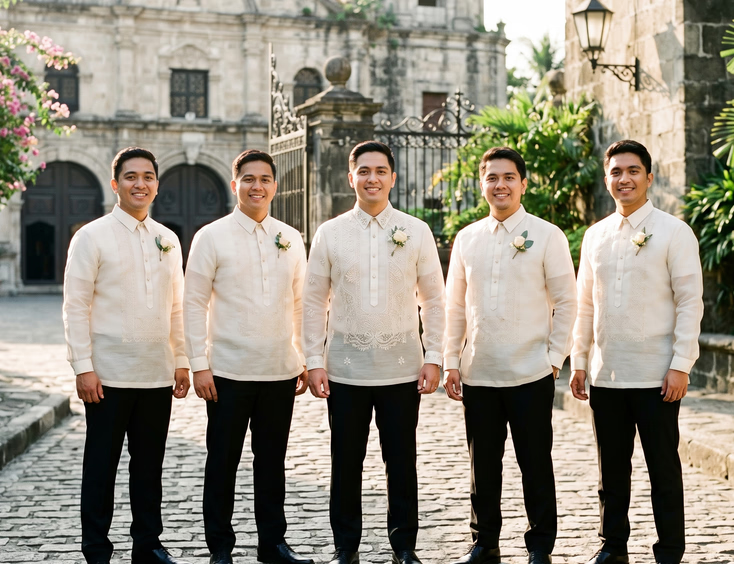
Differentiate the groom from the groomsmen. The groom wears the most detailed barong, with heavier embroidery, finer fabric (piña or piña-seda), and a longer cut. The groomsmen wear simpler barongs in jusi or organza with minimal or no embroidery. The hierarchy reads clear in photos.
Standardize the fabric and color. All groomsmen wear the same fabric type and the same shade of cream or off-white. Mixing piña and jusi across the entourage creates uneven texture in photos. Mixing pure white and cream barongs creates color inconsistency.
Match the trousers and shoes. Black dress trousers with black leather shoes for traditional formality. Cream trousers with cognac leather shoes for relaxed garden weddings. Skip mixed trouser colors across groomsmen, which breaks the lineup.
Coordinate the undershirts. White camisa de chino or plain white crew-neck undershirts work under the sheer fabric. Skip colored or patterned undershirts, which show through and clash with the embroidery.
Add a single accent piece. Lapel pins, pocket squares, or boutonnieres in the wedding palette tie the entourage to the bridal bouquet and the bride's gown. Pick one accent, not three, to keep the look clean.
For deeper coverage on barong fabric choices, read our guide on piña, jusi, or organza: choosing the right barong fabric for your wedding day.
Style Rules for Groomsmen in Suits
Suits demand sharper coordination than barongs because color and fit variation show up faster in photos.
Pick one suit color across the entourage. Navy, charcoal, midnight blue, and warm grey work for most Filipino weddings. Skip black unless the wedding is black-tie formal. Skip light grey for daytime, since flash photography washes it out.
Differentiate the groom through fabric or accessory, not color. The groom wears the same suit color as the groomsmen but in a slightly richer fabric, a different lapel style (peak vs. notch), or a distinct accessory like a vest or bow tie. Picking a different suit color for the groom breaks the visual hierarchy.
Standardize ties and pocket squares. All groomsmen wear the same tie color and pocket square fold. The groom wears a coordinating but distinct tie, often pulled from the bride's bouquet palette.
Match shoe and belt leather. Black leather with black suits. Brown leather with navy or grey suits. Cognac leather with tan and earth-tone suits. Mixed leather across groomsmen reads sloppy in full-length shots.
Account for fit across body types. Pick a cut that works for most builds, then tailor each suit individually. Slim fit reads sharp on lean and athletic groomsmen but pulls on fuller midsections. Tailored fit gives you the most flexibility across an entourage with varied builds.
For the body-type breakdown, read our guide on what suit cut works best for Filipino body types.
The Hybrid Option: Mixed Entourage
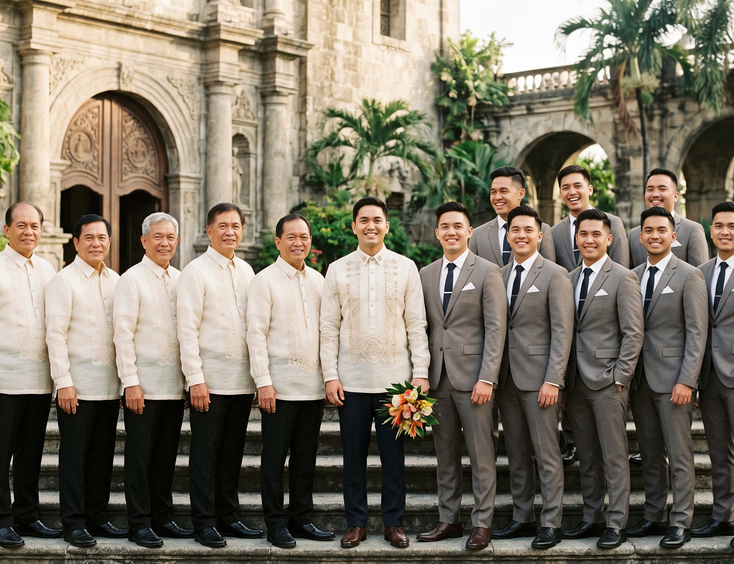
Some Filipino couples split the entourage. Older principal sponsors and ninongs wear barongs while younger groomsmen wear suits. This mix works for two specific situations.
The first is a wedding where the principal sponsors number eight or more and the groomsmen number three or fewer. Forcing the principal sponsors into suits adds budget pressure on the family without cohesion gains. Letting them wear their default barongs simplifies the planning.
The second is a wedding with two distinct cultural moments. A traditional church ceremony followed by a modern ballroom reception lets the entourage shift attire between the two. Groomsmen wear barongs for the ceremony and switch to suit jackets over the same trousers for the reception. The logistics take coordination but the photo variety is worth it.
Skip the hybrid option for ceremonies under three hours or for couples who want a unified entourage look in every photo.
Budget Considerations for the Entourage
Filipino wedding etiquette splits attire costs in different ways depending on the family. Three common arrangements exist.
The groom pays for all groomsmen attire. Costs run between PHP 2,500 and PHP 6,000 per groomsman for rented barongs, PHP 4,000 to PHP 12,000 for rented suits, and higher for purchased pieces.
The groomsmen pay for their own attire under the groom's specifications. The groom picks the fabric, color, and tailor, and each groomsman covers his own cost.
A split arrangement where the groom covers the rental fee and groomsmen cover alterations or accessories. This works for mid-budget weddings.
For the deeper cost breakdown, read our guide on renting vs. buying groomsmen attire in the Philippines.
A Pre-Wedding Entourage Checklist
Six weeks before the wedding, line up the entourage details.
Every groomsman has been measured by the same tailor or rental shop. Every barong or suit comes from the same fabric source and dye lot. Every accessory (tie, pocket square, lapel pin, cufflinks) has been ordered and distributed. Every pair of shoes matches in leather color and finish. Every undershirt or dress shirt sits in the same shade of white.
Run a group fitting two weeks before the wedding. Most coordination issues, like a groomsman whose barong runs two inches longer than the others or a suit that pulls across the chest, become visible only when you see the entourage lined up together.
Browse our verified suits and barongs suppliers in the Philippines to find tailors and rental shops who handle full entourage orders with coordinated fittings. For the full picture on every wedding-day attire decision, return to the Filipino groom's complete guide to wedding suits and barongs.
Still Searching for a Right Match?
Find Your Perfect Wedding Supplier Today!
Discover trusted wedding suppliers across the Philippines in our complete directory. Compare services and connect with the ones that fit your dream celebration.
Browse Wedding SuppliersFeatured Blog Posts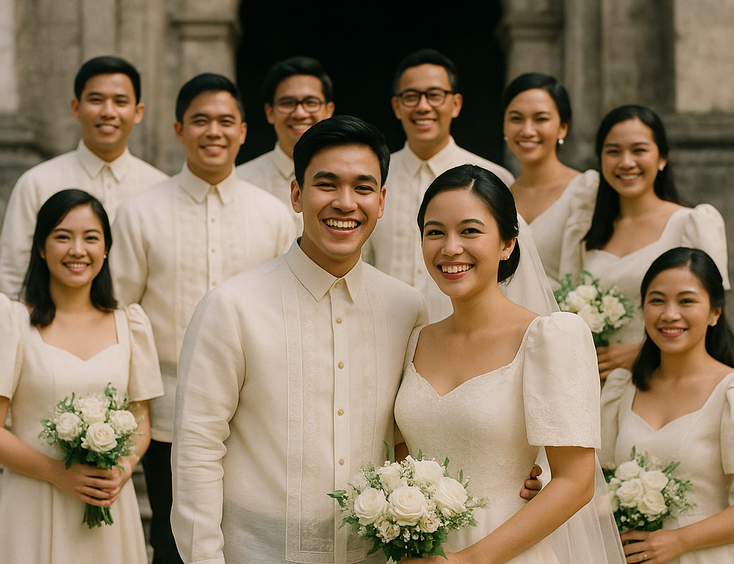


Filipino Wedding Entourage - Roles, Order of March, and Modern Etiquette
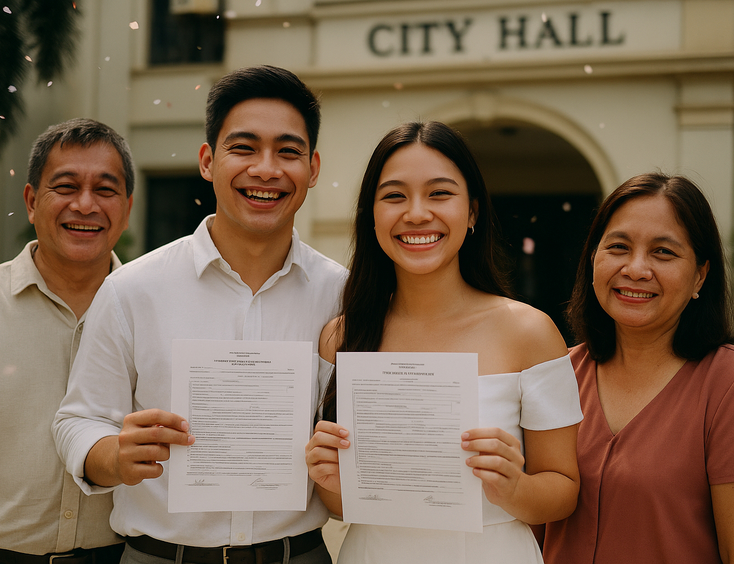
6 mins readCivil Weddings in the Philippines - Requirements, Costs, and Step-by-Step Process
9 mins readCivil Wedding Requirements in the Philippines - Complete Checklist
6 mins readCost of Wedding in the Philippines - 5 Essential Things You Need to Know
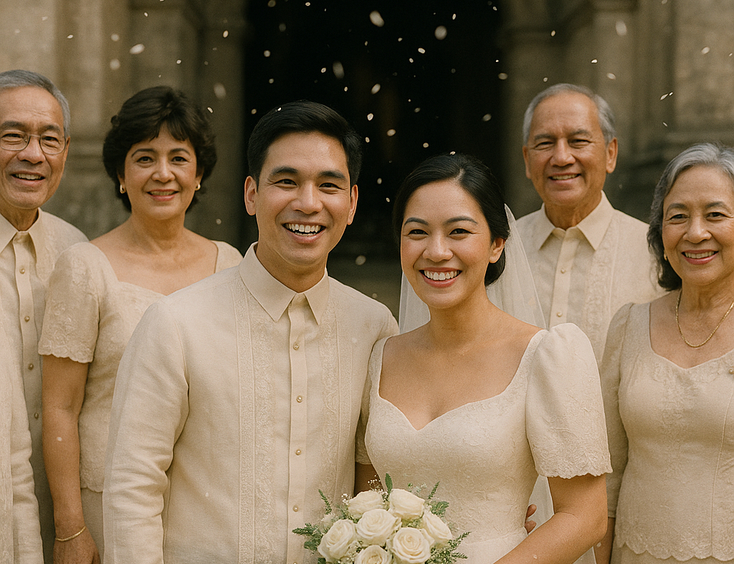
7 mins readPrincipal Sponsors (Ninong/Ninang) - How Many, How to Ask, What They Really Do
4 mins readVeil, Cord, Candle & Coins - Roles, Options, and When They Happen
4 mins readEntourage for a Traditional Pinoy Wedding - Complete Roles and Guide
6 mins readComplete List of Civil Wedding Requirements in the Philippines
8 mins readHow to Choose Wedding Ninongs and Ninangs - Ask Yourself These 3 Important Questions
5 mins read