


Slim Fit, Classic Fit, or Tailored: What Suit Cut Works Best for Filipino Body Types
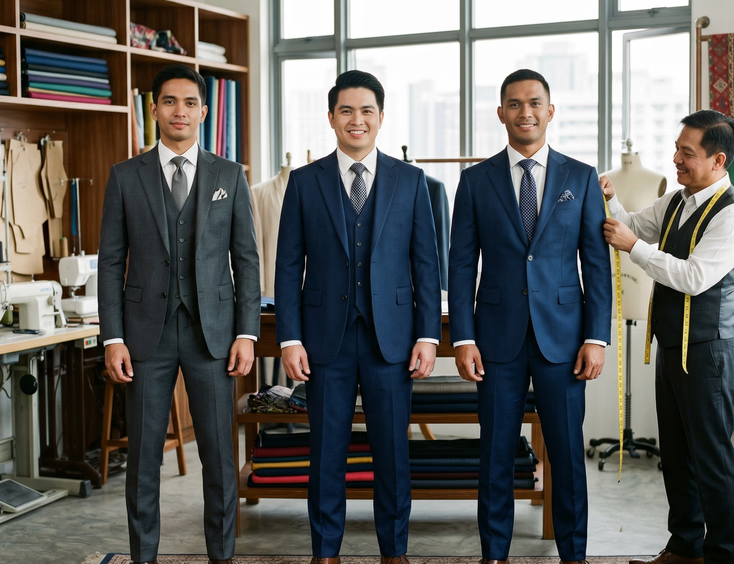
Filipino grooms walk into tailoring shops in Makati, BGC, or Cebu and hear the same three terms thrown around: slim fit, classic fit, tailored. Most leave more confused than when they walked in. The terms describe different things, work for different body types, and cost different amounts. Picking the wrong cut means a suit that looks off in every wedding photo, no matter how expensive the fabric.
This guide breaks down what each cut means, who it flatters, and how to decide based on your build.
What Each Cut Means
Slim fit hugs the body. The jacket tapers at the waist, the shoulders sit narrow, the sleeves run closer to the arm, and the trousers taper from knee to ankle. Slim fit suits read modern, sharp, and youthful on camera.
Classic fit gives you room. The jacket runs straight from shoulder to hip with minimal waist suppression, the chest sits relaxed, and the trousers hold a straighter line through the leg. Classic fit reads traditional and forgiving, which is why older Filipino grooms and fathers of the bride lean toward it.
Tailored fit sits between the two. A skilled tailor measures your specific proportions and cuts the suit to flatter your build. The waist gets shaped, the shoulders match your frame, and the trousers break cleanly at your shoe. Tailored is a process, not a category. You can have a tailored slim fit or a tailored classic fit.
The confusion starts because off-the-rack stores in the Philippines use "tailored fit" as a marketing term for suits that sit between slim and classic. A bespoke tailor uses the same word to describe a suit cut from scratch to your measurements. Ask which version you're getting before you buy.
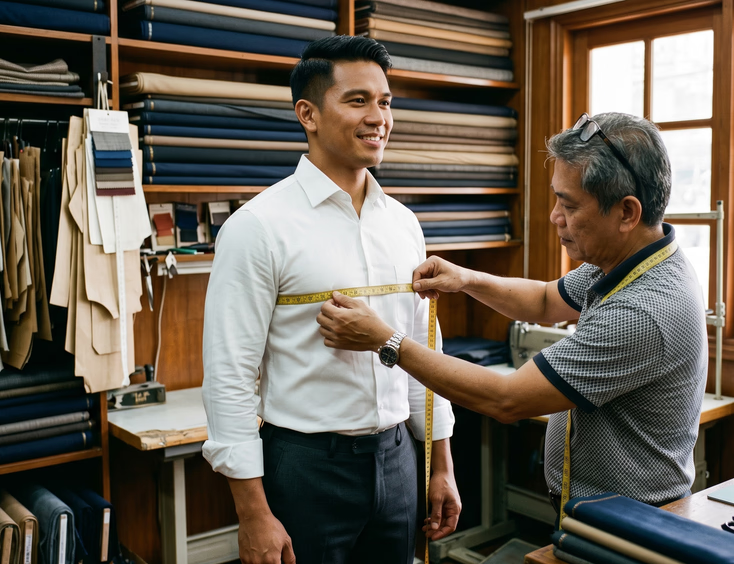
Filipino Body Types and How They Pair with Each Cut
Filipino men carry build patterns shaped by genetics, diet, and lifestyle. Five common body types show up across tailoring shops in Manila, Cebu, and Davao.
The lean build runs slim through the chest, shoulders, and waist. Many grooms in their mid-twenties to early thirties fit here. Slim fit suits flatter this build because they follow the body's natural lines without bunching or gaping. Classic fit on a lean groom drowns the frame and adds visual weight where you don't want it.
The athletic build carries broader shoulders, a developed chest, and a tapered waist. Filipino grooms who lift weights or play sports fall into this group. Tailored fit serves this build best. The shoulders and chest need room, the waist needs suppression, and only a tailor can balance the two without making the jacket look boxy or strained.
The average build sits in the middle. Shoulders, chest, and waist run proportional, with no extreme ratios. Most Filipino grooms land here. Both slim fit and tailored fit work, depending on the look you want. Slim fit reads younger and sharper. Tailored fit reads polished and timeless.
The fuller midsection build carries weight through the stomach, with shoulders and chest that stay proportional. Many grooms in their thirties and forties fit here. Classic fit and tailored fit work. Slim fit pulls across the midsection and creates X-shaped wrinkles in every photo. A skilled tailor can cut a suit that skims the waist without hugging it, which gives you the modern look without the strain.
The shorter, stockier build runs five-foot-six and under, with a solid frame. Off-the-rack slim fits often hit too long in the sleeve and jacket, while classic fits add bulk. Tailored is the only path that works. A tailor shortens the jacket length, narrows the lapels to match your frame, and tapers the trousers without breaking the proportion.
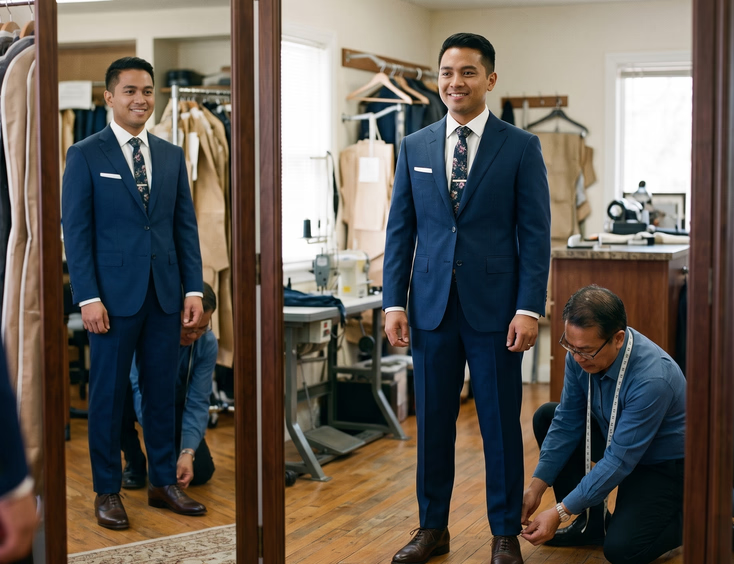
Height Considerations for Filipino Grooms
Average Filipino male height sits around five-foot-five to five-foot-seven. Most international suit brands cut for five-foot-ten and above, which means standard sizing rarely fits without alterations.
If you stand under five-foot-eight, three measurements need attention. Jacket length should end at the middle of your hand when your arms hang at your sides, not lower. Sleeve length should show a quarter-inch of shirt cuff at the wrist. Trouser break should sit clean on the shoe, with one small fold or none at all.
Grooms above five-foot-ten can wear longer jackets and fuller trouser breaks without losing proportion. Grooms below five-foot-six should keep details narrow: lapels at two and a half inches, ties at two and three-quarter inches, and trousers tapered to the ankle. These adjustments lengthen your visual line.
How Climate Affects Your Cut Choice
Manila humidity hits 80% from May through October. Cebu and Davao stay warm year-round. Wool suits in slim fit trap heat against the body, which makes outdoor and church ceremonies uncomfortable.
Slim fit works for air-conditioned ballroom weddings and shorter church ceremonies. Tailored fit gives you breathing room without sacrificing shape, which suits garden and outdoor receptions. Classic fit moves more air through the jacket, which helps for grooms who sweat heavily or have ceremonies running past two hours.
Pair your cut with the right fabric. Tropical wool, linen-wool blends, and cotton-blend fabrics hold their shape in humidity. Heavy wool flannel and tweed belong at evening ballroom weddings with strong air conditioning, not garden ceremonies in April.
For more on matching color and fabric to venue, read our guide on choosing the right suit color for a Philippine wedding.
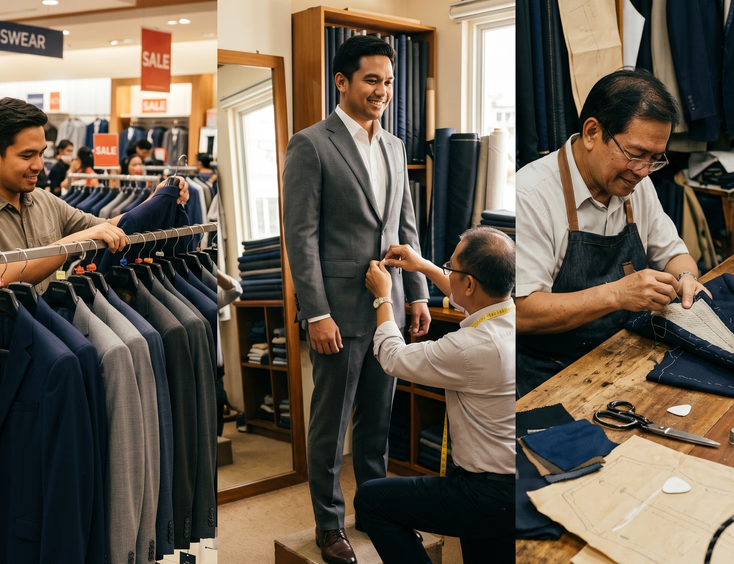
Off-the-Rack vs. Made-to-Measure vs. Bespoke
Three paths exist for Filipino grooms shopping for a wedding suit.
Off-the-rack suits come pre-made in standard sizes. SM, Robinsons, and Uniqlo carry slim fit and classic fit options under PHP 10,000. The fit will be approximate. Plan for alterations on the jacket waist, sleeve length, and trouser hem, which add another PHP 1,500 to PHP 3,000. Off-the-rack works for grooms with average proportions and a tight budget.
Made-to-measure starts with a base pattern and adjusts it to your measurements. Manila shops like Signet, Tailored Manila, and Aristocrat tailor in this range, with prices between PHP 18,000 and PHP 45,000. Made-to-measure gives you a closer fit than off-the-rack without the full bespoke price.
Bespoke cuts a suit from scratch based on your body. The tailor builds a unique pattern, runs two to three fittings, and adjusts the suit until it sits clean on your frame. Bespoke prices in the Philippines run from PHP 35,000 to PHP 120,000 depending on fabric and tailor. This is the path for grooms with non-standard proportions or those who want a suit they'll wear for years.
For a deeper breakdown of what fits which budget, read our piece on bespoke vs. ready-to-wear barongs. The same logic applies to suits.
Five Fit Checks Before You Pay
Before you walk out of the tailor's shop, run these checks in front of a full-length mirror.
The shoulder seam should sit at the edge of your shoulder bone. If the seam drops onto your arm, the jacket is too big. If it pulls up onto your shoulder, the jacket is too small.
The jacket button should close without strain. Look for an X-wrinkle radiating from the button. That signals the jacket is too tight in the chest or waist.
The collar should sit flush against your shirt collar. A gap between the two means the jacket needs adjustment at the back.
The sleeves should end at your wrist bone, with a quarter-inch of shirt cuff showing. Longer sleeves age the suit. Shorter sleeves look like you borrowed it.
The trousers should break once at the shoe, or sit clean with no break for a modern look. Bunching at the ankle drags the entire suit down.
Picking Your Cut Based on Wedding Date
Book your tailor based on which path you choose. Off-the-rack with alterations needs four to six weeks. Made-to-measure runs eight to ten weeks for two fittings. Bespoke takes twelve to sixteen weeks for three fittings and final adjustments.
Filipino wedding seasons cluster around December and May, which means tailors book up three to four months ahead during peak months. Start your fittings early. A rushed bespoke suit costs the same as one made on schedule and looks half as good.
Browse our verified suits and barongs suppliers across the Philippines to find tailors who specialize in slim fit, made-to-measure, and bespoke wedding suits. For the full picture on every attire decision, return to the Filipino groom's complete guide to wedding suits and barongs. If you're still weighing the bigger question of suit versus barong, our breakdown on how Filipino grooms are making the decision in the modern era lays out the case for both.
Still Searching for a Right Match?
Find Your Perfect Wedding Supplier Today!
Discover trusted wedding suppliers across the Philippines in our complete directory. Compare services and connect with the ones that fit your dream celebration.
Browse Wedding SuppliersFeatured Blog Posts

Filipino Wedding Entourage - Roles, Order of March, and Modern Etiquette
6 mins readCivil Weddings in the Philippines - Requirements, Costs, and Step-by-Step Process
9 mins readCivil Wedding Requirements in the Philippines - Complete Checklist
6 mins readCost of Wedding in the Philippines - 5 Essential Things You Need to Know
7 mins readPrincipal Sponsors (Ninong/Ninang) - How Many, How to Ask, What They Really Do
4 mins readVeil, Cord, Candle & Coins - Roles, Options, and When They Happen
4 mins readEntourage for a Traditional Pinoy Wedding - Complete Roles and Guide
6 mins readComplete List of Civil Wedding Requirements in the Philippines
8 mins readHow to Choose Wedding Ninongs and Ninangs - Ask Yourself These 3 Important Questions
5 mins read