


Piña, Jusi, or Organza: Choosing the Right Barong Fabric for Your Wedding Day
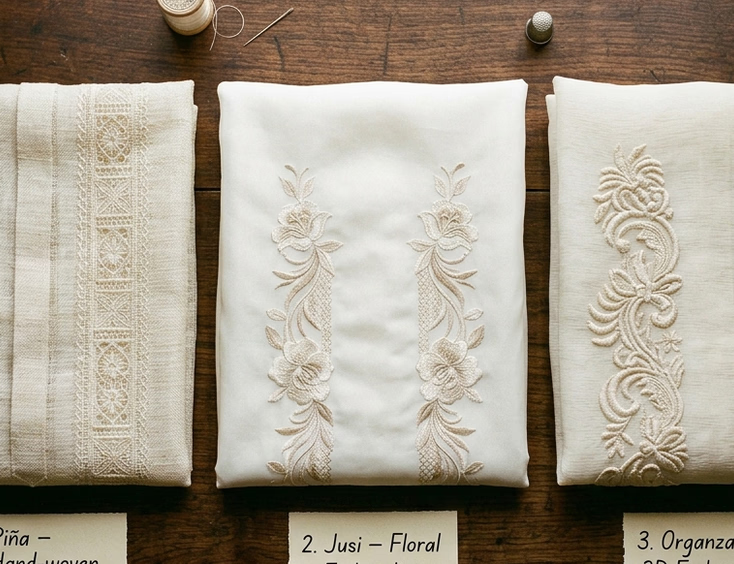
Your barong's fabric controls the price, the photos, the comfort, and how the shirt ages after the wedding. Three fabrics dominate Filipino wedding barongs: piña, jusi, and organza. Each one carries a different price tag, a different look, and a different feel against your skin.
Pick the wrong fabric and you'll sweat through the ceremony, regret the price, or look underdressed in your photos. Pick the right one and you'll wear a shirt your grandchildren will frame.
Piña: The Heritage Choice
Tailors weave piña from the leaves of red Spanish pineapple plants grown in Aklan. Workers strip the leaves by hand, extract the fibers, and knot them into thread one strand at a time. A single barong takes weeks to weave and months to embroider.
Piña reads as the most prestigious wedding fabric in the Philippines. Heritage families pass piña barongs down through three or four generations. The fabric carries a soft amber tint and a subtle sheen that catches church light without glaring in photos.
Expect to pay PHP 25,000 to PHP 80,000 for a wedding-grade piña barong. Heavily embroidered or commissioned pieces climb past PHP 150,000. The fabric needs careful handling. Dry clean only, store flat or on padded hangers, keep away from sunlight.
Piña works for grooms who want the most traditional option, who plan a church wedding, and who treat the barong as a family heirloom. Skip piña if your venue runs casual or if your budget caps under PHP 20,000.
Jusi: The Practical Favorite
Most Filipino grooms wear jusi on their wedding day. Tailors weave jusi from silk or banana fibers on mechanical looms. The fabric finishes with a sheen close to piña at a fraction of the price and lead time.
A jusi barong runs PHP 5,000 to PHP 15,000. Bespoke jusi barongs from Manila tailors finish in four to six weeks. Ready-to-wear jusi barongs ship the same day from Divisoria, Greenhills, and SM department stores.
Jusi photographs well. The fabric holds embroidery patterns sharply and reflects church light evenly. The hand feel sits between crisp and soft. You'll stay comfortable through a two-hour ceremony and a four-hour reception.
Jusi works for most Filipino grooms. The price-to-look ratio beats piña for guests who won't inspect the fiber under a magnifying glass. Skip jusi only if you want piña-level prestige or if you're shopping at the entry level.
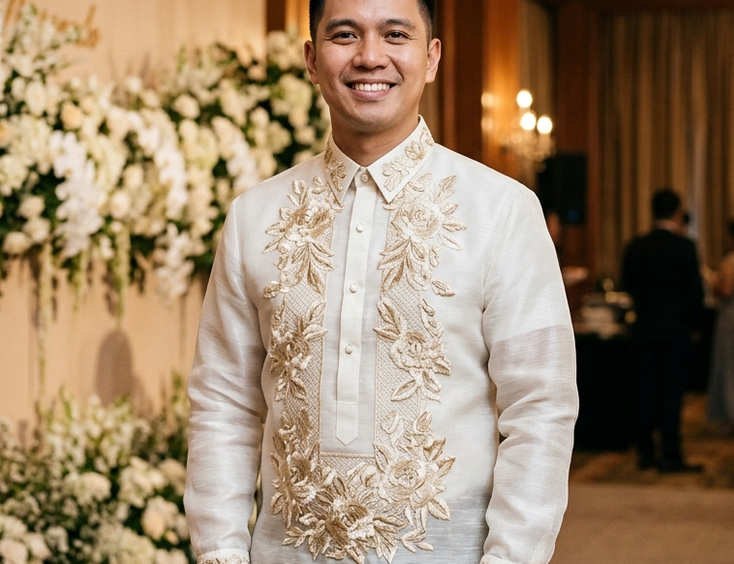
Organza: The Middle Ground
Organza sits between piña and jusi in price and finish. Tailors weave organza from silk or polyester fibers in a tight, sheer pattern. The fabric carries more body than jusi and drapes with a stiffer silhouette.
Organza barongs run PHP 8,000 to PHP 20,000. The fabric holds embroidery in three dimensions, which gives chest and sleeve panels a sculpted look in photos. Organza reads slightly modern compared to piña and jusi.
The downside: organza traps more heat than jusi. Outdoor weddings in May or June test organza's breathability. The fabric also wrinkles harder than jusi and needs steaming before the ceremony.
Organza works for grooms who want a sharper silhouette in photos and who plan an air-conditioned reception. Skip organza for noontime garden weddings or beach ceremonies.
Side-by-Side Comparison
Price low to high: jusi, organza, piña. Prestige low to high: jusi, organza, piña. Breathability best to worst: jusi, piña, organza. Wrinkle resistance best to worst: organza, piña, jusi. Lead time shortest to longest: jusi (4-6 weeks bespoke, same-day ready-to-wear), organza (4-8 weeks), piña (8-16 weeks).
Match the Fabric to Your Venue
Cathedral or church wedding in Metro Manila: piña or jusi. Both fabrics suit baroque interiors and traditional ceremonies.
Garden wedding in Tagaytay or Antipolo: jusi. The fabric breathes in afternoon heat and resists wrinkling during outdoor processions.
Beach wedding in Boracay, Palawan, or Cebu: jusi or cocoon-blend. Skip piña and organza. Salt air and humidity damage delicate fibers.
Ballroom reception in Makati or BGC: any of the three. Climate-controlled rooms remove the heat factor. Pick based on prestige preference.
Civil ceremony or smaller wedding: jusi or organza. Save piña for full church weddings where the fabric reads correctly against the venue.
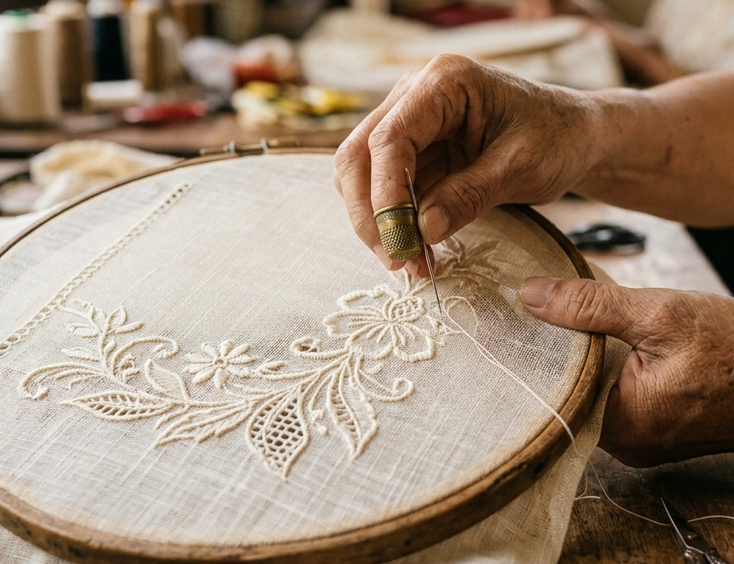
Match the Fabric to Your Embroidery
Calado and sombrado embroidery patterns sit deep in the fabric weave. Piña shows calado work at its most intricate because the hand-woven base accepts fine thread without distortion. Jusi handles standard embroidery patterns well at half the cost. Organza supports raised, three-dimensional embroidery better than the other two.
Tell your tailor the embroidery style you want before you pick the fabric. Some patterns work on all three. Some only finish well on piña.
Match the Fabric to Your Body
Slim grooms photograph well in any of the three fabrics. The cuts skim the body without bulking up the silhouette.
Broader grooms benefit from jusi or organza. Both fabrics drape with structure and skim over the midsection. Piña's softer hand can cling on humid days.
Tall grooms suit organza. The stiffer drape keeps the barong's hem straight at full height. Piña and jusi can ride up or fall unevenly on longer torsos.
For the full breakdown on suit and barong cuts for Filipino body types, read our comparison of slim fit, classic fit, and tailored cuts for Filipino body types.
Bespoke or Ready-to-Wear
Piña barongs almost always go bespoke. Ready-to-wear piña exists but the embroidery and fit fall short of wedding standards.
Jusi barongs work both ways. Bespoke jusi gives you a sharper fit and custom embroidery. Ready-to-wear jusi from Divisoria or Greenhills costs less and finishes faster.
Organza barongs lean bespoke. The fabric needs careful tailoring to drape correctly. Ready-to-wear organza often looks boxy off the rack.
Our breakdown of bespoke vs. ready-to-wear barongs covers the trade-offs by budget and timeline.
What to Bring to Your Fabric Selection
Bring a swatch or photo of your bride's gown. The barong's tone should harmonize with the gown's white or ivory shade. Piña's amber tint warms against pure white gowns. Jusi reads cooler and pairs with ivory or champagne gowns. Organza sits neutral.
Bring your venue type and ceremony time. Your tailor will steer you away from organza for a noon outdoor wedding or toward piña for a heritage church.
Bring your budget cap. Tailors will quote fabric, embroidery, and tailoring separately. Set your fabric ceiling first, then allocate the rest to embroidery and fit.
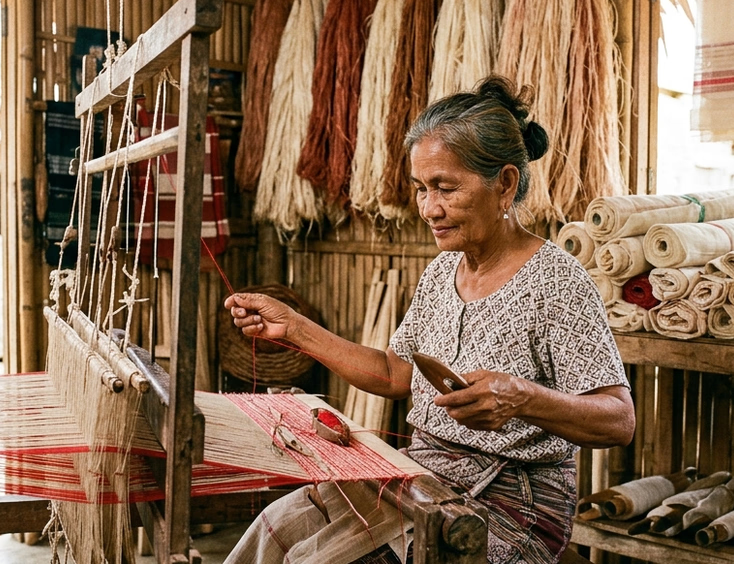
Where to Source Your Fabric
Aklan grows the country's piña pineapples and houses the original weaving cooperatives. Manila tailors source piña directly from Aklan. Some grooms travel to Kalibo to commission a barong at the source.
Jusi and organza sell at fabric markets across Manila, Cebu, and Davao. Most tailors include fabric sourcing in the bespoke price.
Browse our directory of suits and barongs suppliers to shortlist tailors who specialize in your preferred fabric.
Making the Call
Pick piña for heritage weddings, generous budgets, and grooms who want the family heirloom. Pick jusi for the price-to-look ratio that suits most Filipino weddings. Pick organza for sharper silhouettes, indoor receptions, and embroidery-heavy designs.
For the full picture on barong tradition and history, read what a barong tagalog is and why it still reigns supreme at Filipino weddings. For the complete attire planning guide, return to our Filipino groom's complete guide to wedding suits and barongs.
Still Searching for a Right Match?
Find Your Perfect Wedding Supplier Today!
Discover trusted wedding suppliers across the Philippines in our complete directory. Compare services and connect with the ones that fit your dream celebration.
Browse Wedding SuppliersFeatured Blog Posts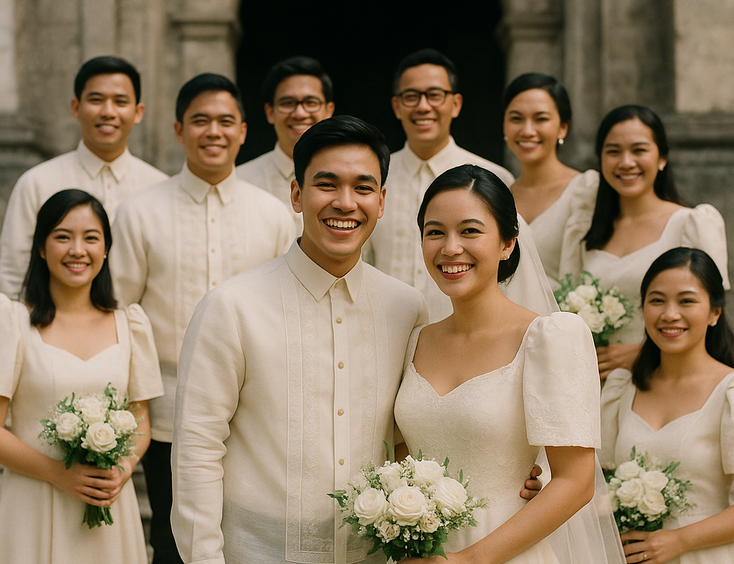

Filipino Wedding Entourage - Roles, Order of March, and Modern Etiquette
6 mins readCivil Weddings in the Philippines - Requirements, Costs, and Step-by-Step Process
9 mins readCivil Wedding Requirements in the Philippines - Complete Checklist
6 mins readCost of Wedding in the Philippines - 5 Essential Things You Need to Know
7 mins readPrincipal Sponsors (Ninong/Ninang) - How Many, How to Ask, What They Really Do
4 mins readVeil, Cord, Candle & Coins - Roles, Options, and When They Happen
4 mins readEntourage for a Traditional Pinoy Wedding - Complete Roles and Guide
6 mins readComplete List of Civil Wedding Requirements in the Philippines
8 mins readHow to Choose Wedding Ninongs and Ninangs - Ask Yourself These 3 Important Questions
5 mins read